
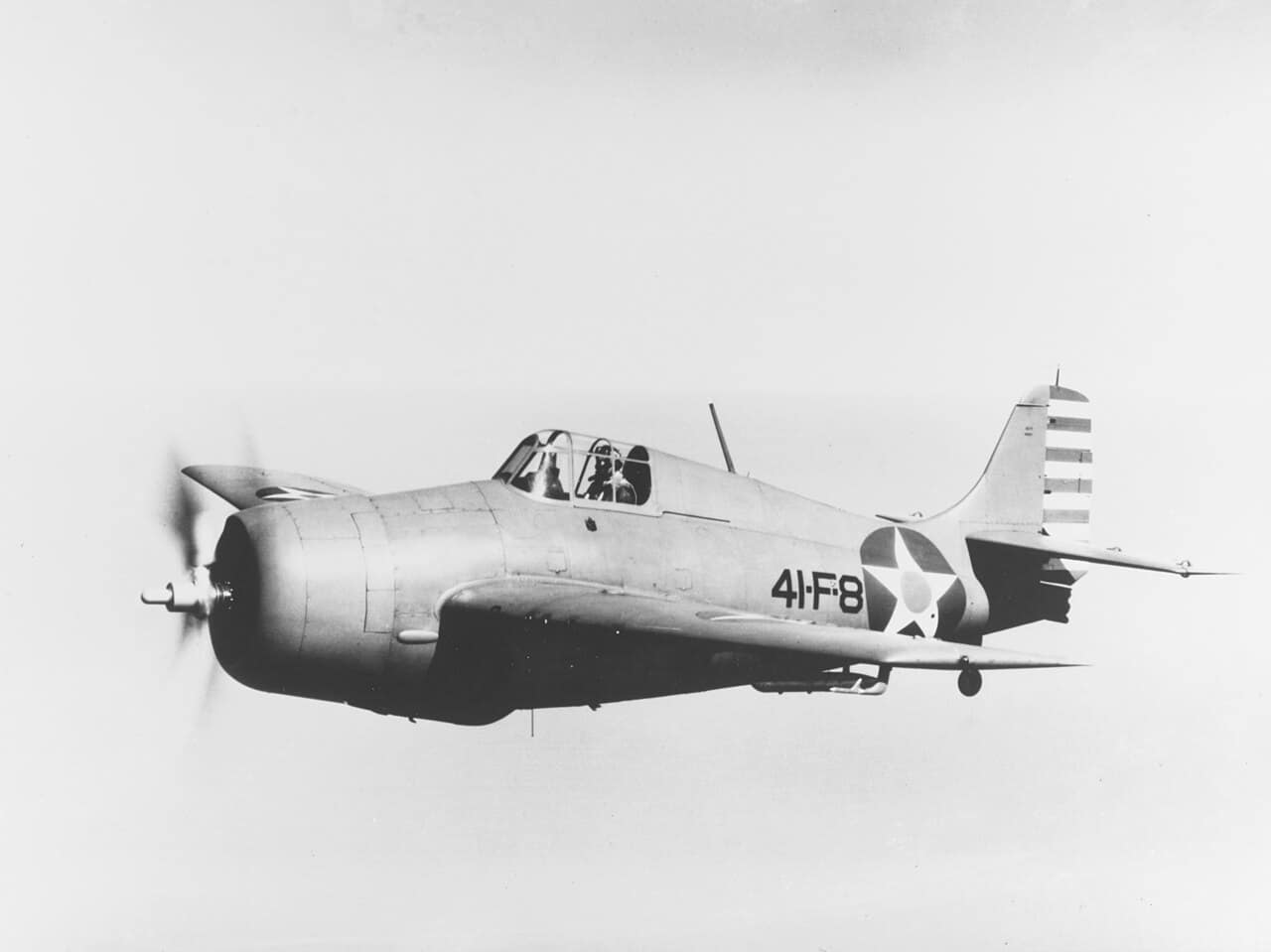
Late one night in 1941, a U.S. Navy pilot sat at his kitchen table in Coronado, California, pushing matchsticks around the wood. He had never met the enemy fighter that was terrifying the fleet — the nimble Japanese Zero — but he had read the reports, and he was determined to find a way to beat it before he ever had to. By the time the matchsticks stopped moving, he had.
The tactic John Thach worked out that night would save countless American lives, and it is still taught to fighter pilots more than eighty years later.
Quick Facts
- The tactic: the Thach Weave (originally “beam defense position”)
- Inventor: Lt. Cdr. John S. “Jimmy” Thach, U.S. Navy; named by James Flatley
- The problem: the Mitsubishi Zero out-turned and out-climbed the Grumman F4F Wildcat
- How he found it: at his kitchen table at night, using matchsticks — before he had ever fought a Zero
- Combat debut: the Battle of Midway, June 4, 1942 — and it is still taught to fighter pilots today
A Plane That Couldn’t Win a Turning Fight
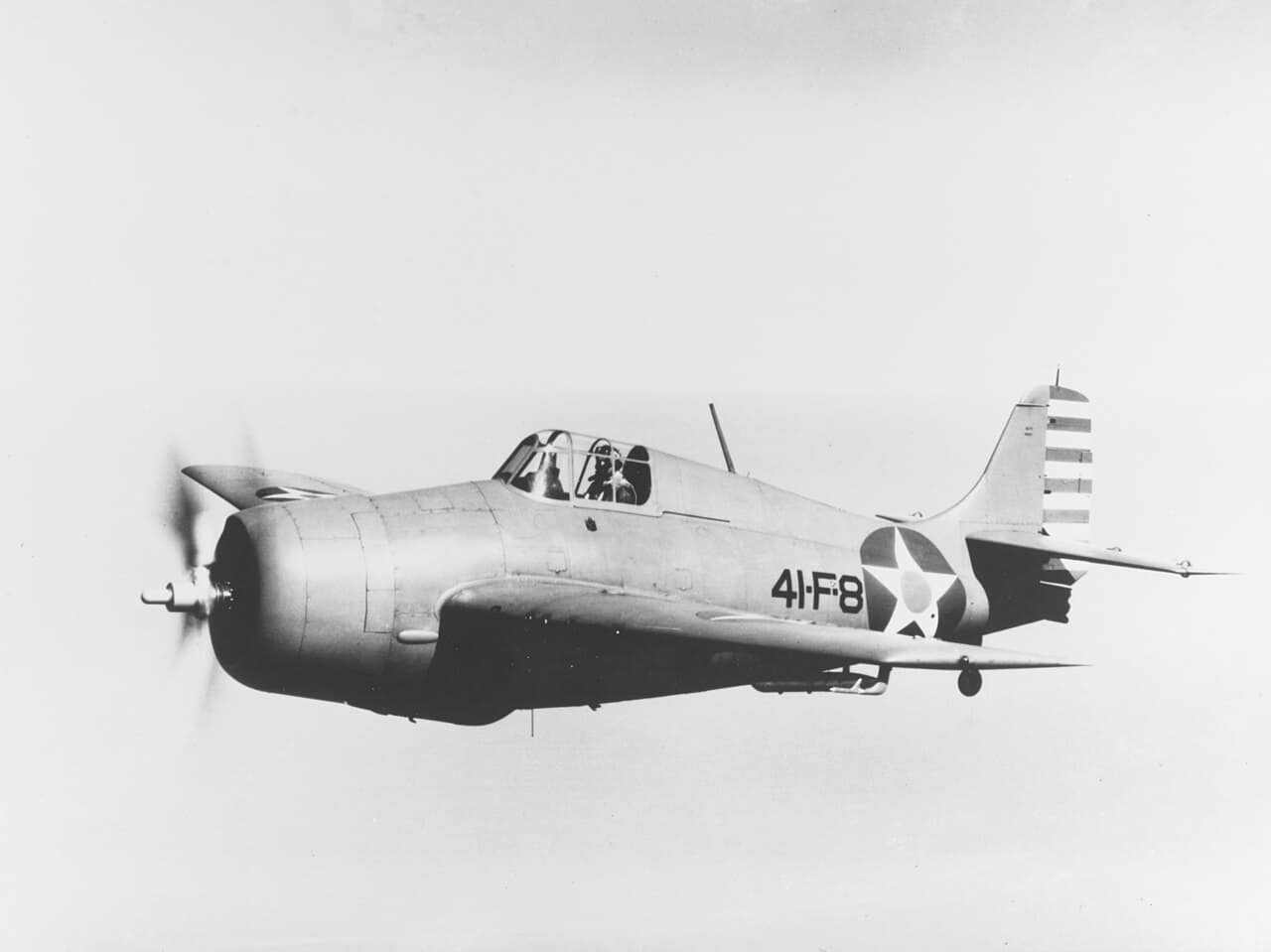
In late 1941, an intelligence report crossed Lieutenant Commander John Thach’s desk describing the Mitsubishi A6M Zero’s astonishing agility and rate of climb. His own Grumman F4F Wildcat was tougher and better-armed, but slower and far less manoeuvrable. In a classic turning dogfight, the Wildcat would lose. Thach refused to accept that as the answer.
Matchsticks on the Kitchen Table
Rather than try to out-fly the Zero, Thach decided to out-think it. Working late into the night, he laid out matchsticks to represent two pairs of Wildcats and shuffled them through imaginary engagements, hunting for a formation that turned the enemy’s strength into a weakness. What he arrived at he called the “beam defense position.” His fellow pilots simply called it the Thach Weave.
How the Weave Works
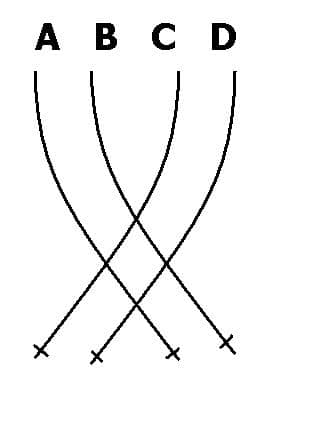
The genius is in its simplicity. Two Wildcats fly abreast, spaced apart. When a Zero dives in behind one of them, the two friendlies turn hard toward each other. The pursued pilot deliberately drags the enemy across the nose of his weaving wingman — who now has a clean, head-on shot at the attacker. Then they reverse and do it again, weaving continuously, each plane guarding the other’s tail. Teamwork, not turn rate, becomes the deciding factor.
Midway: The Test
The weave got its trial by fire on June 4, 1942, over Midway. Thach was leading just six Wildcats escorting slow torpedo bombers when fifteen to twenty Zeros fell on them. Hopelessly outnumbered, his small group should have been slaughtered. Instead the weave held: the Wildcats kept crossing, kept covering one another, and kept firing. Thach himself shot down three Zeros, and a wingman accounted for another.
Word spread fast. Within months the Thach Weave was standard practice across U.S. Navy and Marine Corps fighter squadrons, and it remained a core building block of air-combat tactics into the jet age. A better aeroplane had been beaten not by a better aeroplane — but by two pilots, a little trust, and a handful of matchsticks.
Sources: Naval History and Heritage Command; National Naval Aviation Museum; The Aviation Geek Club; Wikipedia.
 English
0 Comments