
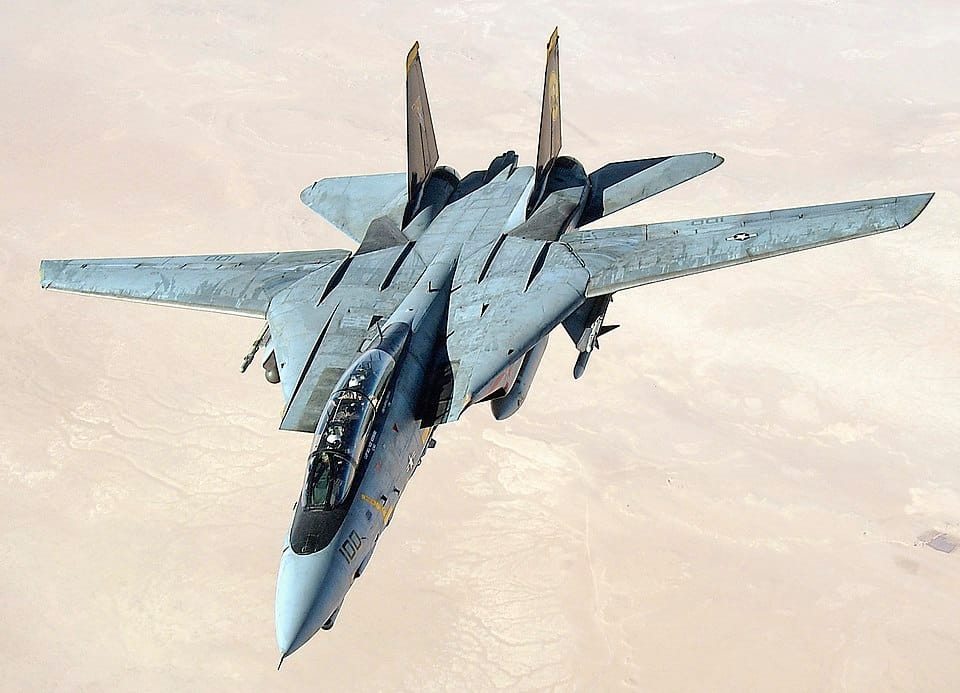
| Quick Facts | |
| Film | Top Gun (Paramount Pictures, 1986) |
| Director | Tony Scott |
| Lead Actor | Tom Cruise as Lt. Pete “Maverick” Mitchell |
| Aircraft Featured | F-14A Tomcat (US Navy), MiG-28 (played by F-5E Tiger II) |
| Box Office | $356 million worldwide (1986 dollars) |
| Navy Recruitment Impact | Applications reportedly surged 500% in some regions |
| Recruiting Tactic | Navy set up recruitment booths in cinema lobbies nationwide |
| Sequel | Top Gun: Maverick (2022) — $1.49 billion worldwide |

In the summer of 1986, the United States Navy did something no recruitment campaign had ever achieved. It didn’t run ads. It didn’t offer bonuses. It put Tom Cruise in a leather jacket, sat him in the cockpit of an F-14 Tomcat, and let Paramount Pictures do the rest. Within weeks of Top Gun’s release, Navy recruiting offices across America reported application surges that bordered on the absurd — up to 500% in some regions.
The Navy, recognising the opportunity of a lifetime, set up recruitment tables in cinema lobbies. You walked out of the theatre buzzing with adrenaline, and there, between the popcorn stand and the exit, was a uniformed Navy recruiter with a stack of brochures. Thousands signed up. The Navy had accidentally created the most effective recruiting tool in military history — and it cost them nothing.
Forty years later, the film’s influence on military aviation culture is still measurable. Top Gun didn’t just sell movie tickets. It rewrote how an entire generation imagined fighter pilots, military service, and the machines of aerial warfare.
The Pentagon’s Perfect Partnership
Top Gun’s relationship with the US military was symbiotic from the start. The Navy gave Paramount access to real F-14 Tomcats, real aircraft carriers, and real TOPGUN instructors at NAS Miramar. In return, producers gave the Navy script approval. The result was a film that made naval aviation look like the most thrilling job on Earth — which, to be fair, it probably was.
The aerial sequences were shot using real aircraft performing real manoeuvres, filmed by cameras mounted on specially modified jets. There were no computer graphics. When Maverick rolls inverted over a MiG-28, that’s an actual F-14 rolling inverted over an actual F-5E. When the afterburners light on the catapult launch, that heat shimmer is real. Audiences could feel the difference, even if they couldn’t articulate why.
The film cost $15 million to make and grossed $356 million worldwide. Adjusting for inflation, it was one of the most profitable films of the decade. More importantly for the Navy, it made the words “fighter pilot” synonymous with elite cool in a way that no advertisement could have manufactured.
Callsigns, Aviators, and Volleyball
Top Gun embedded fighter pilot culture into civilian consciousness. Callsigns — previously an insider tradition — became mainstream. Ray-Ban reported that sales of its Aviator sunglasses increased 40% after the film. Leather bomber jackets flew off shelves. Kenny Loggins’ “Danger Zone” became inescapable. For better or worse, the public image of a military pilot shifted permanently from stoic professional to adrenaline-fuelled maverick.
Real fighter pilots had a complicated relationship with the film. Many loved it — it made their job look exactly as exciting as it actually was. Others cringed at the Hollywood liberties: the dogfight tactics bore little resemblance to real beyond-visual-range combat, and the idea of a pilot disobeying direct orders and buzzing a control tower would end a real career before the wheels touched down. But even the sceptics admitted the film got one thing right: the feeling. The raw, physical, terrifying thrill of strapping into a machine that pulls 7 G and goes Mach 2.
Maverick Returns — And So Does the Effect
When Top Gun: Maverick released in 2022, the cycle repeated. The Navy again saw an uptick in interest, though this time the effect was harder to measure against social media noise. The sequel grossed $1.49 billion worldwide, making it Tom Cruise’s highest-grossing film ever, and it did something the original never quite managed: it earned genuine respect from the fighter pilot community for its accuracy.
The aerial footage in Maverick was shot with actors in real F/A-18 Super Hornets pulling real G forces — a Tom Cruise mandate that nearly broke the production schedule. The result was the most authentic air combat footage ever committed to film. For a new generation that had never seen an F-14 in the sky, the sequel did what the original had done 36 years earlier: it made someone walk out of a theatre and think, for the first time, “I could do that.”
Most of them can’t. Fighter aviation is one of the most selective career paths in the world, and a two-hour movie is not a substitute for years of training, perfect eyesight, and the ability to think clearly while your body weighs seven times what it should. But recruitment numbers don’t lie. A movie put more bodies in Navy recruiting offices than any campaign in history. Hollywood, it turns out, is the best recruiter the military ever had.
Sources: Naval History Magazine, Los Angeles Times, Smithsonian Air & Space

 English
0 Comments