
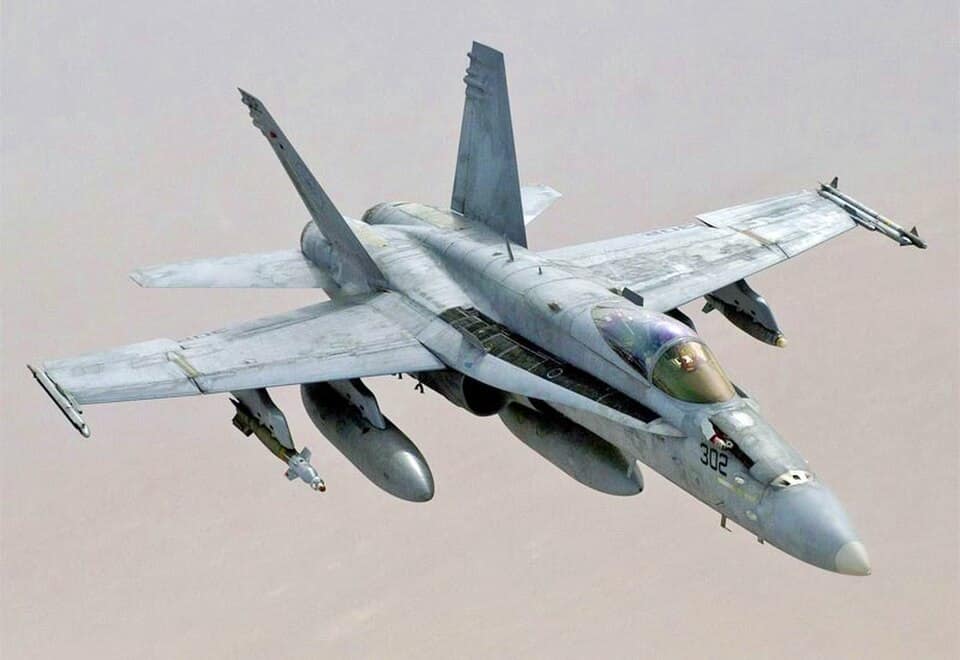
The Pentagon told Congress on May 12 that Operation Epic Fury — the US military campaign against Iran — has now cost approximately $29 billion. If that number sounds familiar, it should: just two weeks ago the estimate was $25 billion. The arithmetic there is four billion dollars in two weeks, which works out to a pace that would make most government procurement officers weep into their spreadsheets.
Acting Comptroller Jules Hurst III delivered the updated figures to congressional overseers, and the key breakdown is this: $24 billion of that $29 billion total is equipment repair and replacement alone. The other $5 billion covers everything else — operations, personnel costs, logistics, and the miscellaneous expenses that accumulate when the US military deploys at scale in a contested theater. Notably absent from the tally: the cost of repairing damaged American military installations. That bill is still being calculated, apparently.
Washington’s reaction ranged from sticker shock to outright alarm, depending on which lawmaker you asked. The munitions question — are US stockpiles being depleted faster than they can be replenished — has moved from think-tank concern to active congressional anxiety. And with good reason.
Quick Facts
- Operation name: Epic Fury
- Total cost (as of May 12): ~$29 billion
- Previous estimate (late April): ~$25 billion
- Four-billion-dollar increase in: <2 weeks
- Equipment repair/replacement alone: $24 billion of $29B total
- Excluded costs: Damaged US military installation repairs
- Reported to: US Congress, May 12
- Acting comptroller: Jules Hurst III
Why $29 Billion Is Almost Certainly Still an Undercount
Defense comptrollers are not in the business of inflating numbers for dramatic effect. When Hurst told Congress that costs had risen from $25 billion to $29 billion in under two weeks, the explanation was specific: equipment repair and replacement costs came in higher than initial assessments. This is normal in conflict accounting — the full picture of damage to aircraft, ships, vehicles, and precision munitions only emerges as units return from operations and maintenance crews conduct detailed inspections.
The exclusion of installation repair costs is significant. Multiple US bases in the region — many of which host the aircraft and personnel executing Epic Fury sorties — have absorbed strikes from Iranian-linked forces. Hardened aircraft shelters, runway repairs, base infrastructure: none of that appears in the $29 billion figure. The final number will be higher. The only question is by how much.

The pace of cost accumulation — $4 billion in two weeks — also raises an uncomfortable projection question. If operations continue at current tempo, congressional appropriators are looking at a number that grows materially every month. The initial supplemental funding requests that cleared Capitol Hill now look like an opening bid rather than a final price tag. Welcome to the economics of sustained high-tempo military operations in a theater where the adversary has both the motivation and the means to impose costs on US forces.
The Munitions Math That Has Congress Worried
The $24 billion equipment figure is where the strategic anxiety concentrates. Precision-guided munitions are not cheap — a Tomahawk Block V cruise missile runs approximately $2 million per unit, a JDAM Extended Range kit is around $25,000, and air-launched cruise missiles can reach $1.5 million or more. When the US military prosecutes a sustained air campaign against a sophisticated adversary, those munitions disappear at a rate that the defense industrial base was not designed to replace quickly.

The problem is not that the US is running out of weapons today. The problem is the replenishment timeline. Defense manufacturers operate on multi-year production contracts. A Raytheon Tomahawk production line cannot double output overnight because a comptroller submits a cost report to Congress. The industrial capacity to build these weapons was sized for peacetime consumption and a theoretical near-peer conflict that everyone hoped would remain theoretical. Operation Epic Fury has stress-tested those assumptions in real time.
Lawmakers on the Armed Services and Appropriations committees have been pressing the Pentagon for months on munitions stockpile levels. The updated $29 billion figure — with $24 billion of it in equipment categories that include munitions replacement — is not going to make those conversations easier.

What $29 Billion Actually Buys You
For perspective: $29 billion is roughly equal to the entire annual budget of the US Air Force Research Laboratory for roughly the next decade. It is more than the total acquisition cost of the USS Gerald R. Ford, the Navy’s most expensive aircraft carrier ever built. It could fund approximately 350 F-35A Joint Strike Fighters at current prices, or about 580 AH-64E Apache attack helicopters.
What it has actually purchased in Operation Epic Fury is a sustained military presence in a region where the US has been conducting operations in one form or another since 1980. The specific tactical and strategic outcomes of Epic Fury remain contested — some officials point to demonstrated deterrence and degraded Iranian military capabilities, while critics question the returns on a monthly burn rate that is now running well north of a billion dollars.
The next cost update to Congress will be the one to watch. If the gap between successive estimates stays wide, it suggests the accounting methodology is still catching up with operational reality. If it narrows, the $29 billion figure may represent something approaching a genuine plateau. Either way, the number moving from $25 billion to $29 billion in less than a fortnight has answered one question definitively: this is not a cheap operation. And the bill for fixing the installations has not arrived yet.
Sources: Pentagon press briefings, Congressional testimony of Acting Comptroller Jules Hurst III (May 12), Defense News, Air Force Magazine, Congressional Research Service munitions stockpile reports

 English
0 Comments