
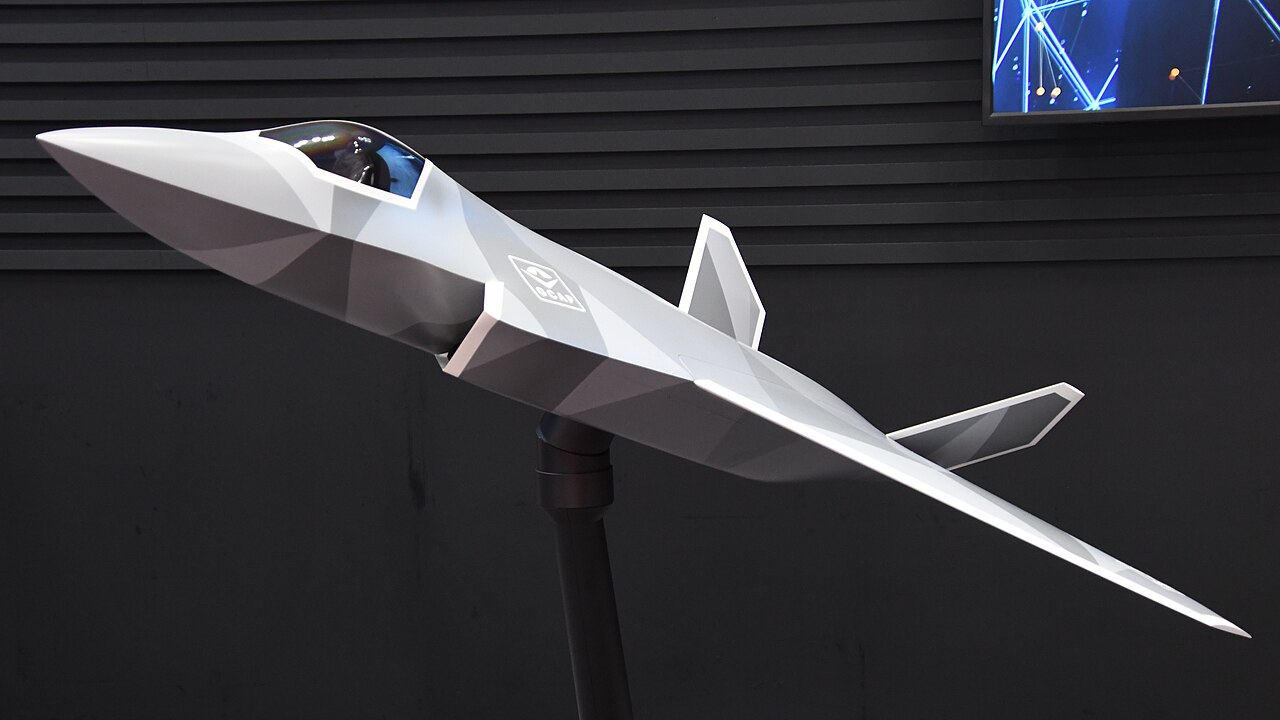
Germany’s fighter question has moved from the chancelleries to the boardrooms. Executives from Airbus are set to sit down with BAE Systems to explore how the European group could join the GCAP fighter programme, the Global Combat Air Programme sixth-generation jet that Britain, Italy and Japan are building together. The Financial Times broke the story on Sunday, 25 October 2026, citing people familiar with the plans, and Reuters re-reported it the same day.
Reuters said it could not immediately verify the report, and neither Airbus nor BAE responded to its requests for comment. But the direction of travel is clear. Since the collapse of FCAS in June, Berlin has been shopping for a new fighter partner, and Airbus is the company that would carry Germany’s industrial stake into whatever comes next.
Quick Facts
- Report: Financial Times, 25 October 2026, citing people familiar with the plans; re-reported by Reuters
- Who: Airbus executives and counterparts from BAE Systems
- Topic: A possible Airbus role in GCAP, plus collaborative combat aircraft and the combat cloud
- Status: Not confirmed by either company; no final decisions expected
- GCAP partners: UK, Italy and Japan; Canada is an observer
- Industrial lead: Edgewing (BAE Systems, Leonardo, JAIEC)
- In-service target: 2035
- Background: France and Germany ended the FCAS fighter partnership in June 2026
What the FT reported
According to the FT, as relayed by Reuters, the talks will explore how Airbus could take part in GCAP and will also cover alternative areas of cooperation: autonomous collaborative combat aircraft that fly alongside crewed jets, and a so-called combat cloud, the digital backbone that lets fighters, drones and sensors such as ground radars share data. Re-reports of the FT story say the meeting is expected in the coming week and that no final decisions are expected yet.
The FT also reported, according to The Aviation Hub, that London and Berlin have already discussed requirements and potential workshare. That builds on 8 October, when British Prime Minister Andy Burnham told a press conference in Berlin with Chancellor Friedrich Merz that the UK was open to Germany joining the programme.
A senior German official told Politico at the time that Burnham’s words were a first, small step, not a decision. Afterburner reported on the first exploratory contacts between Berlin and London earlier in October.
A seat at a table that is already set
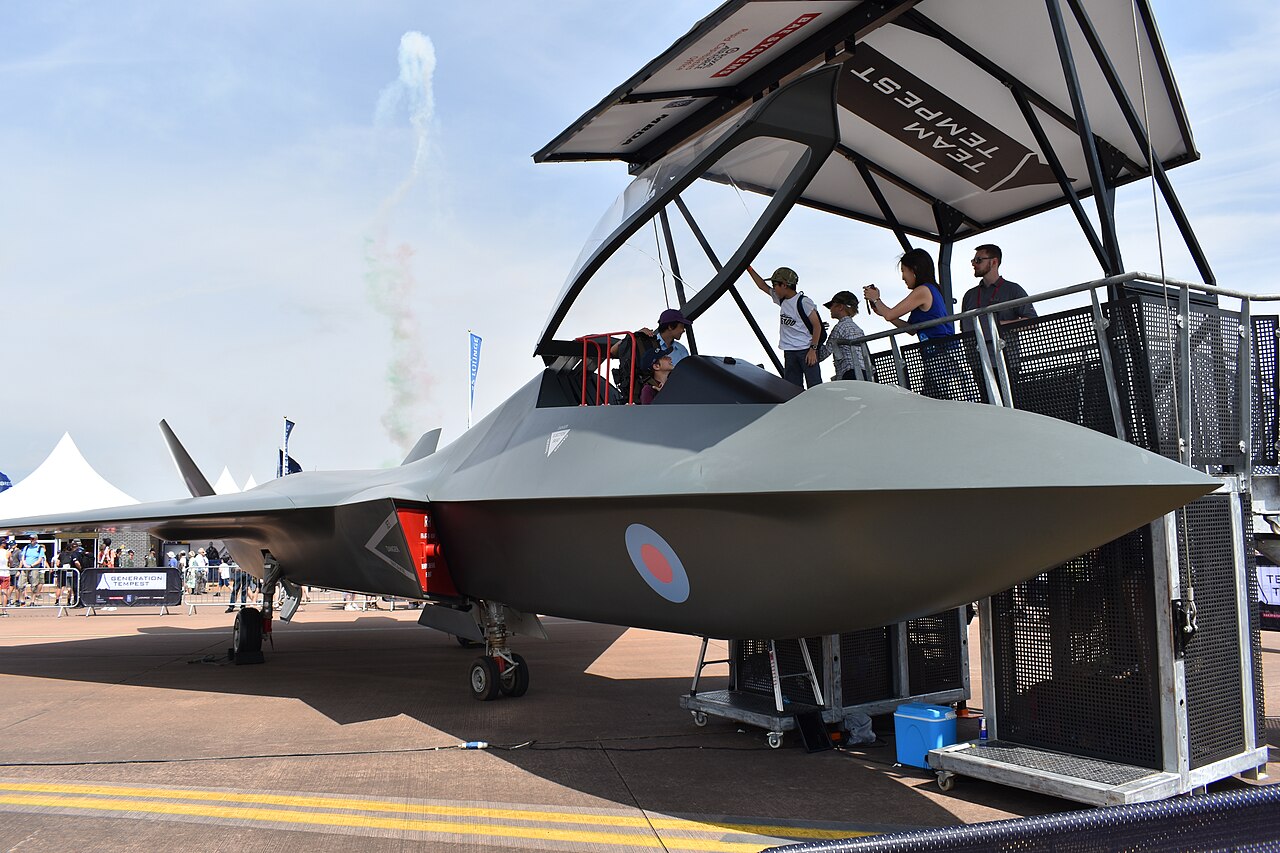
The obstacle is that GCAP is no longer a blank sheet. BAE Systems, Leonardo and Japan’s JAIEC have formed Edgewing, the joint venture that acts as design authority, and in July the three governments handed it a £4.6 billion contract for the next design phase. Workshare and intellectual property have been negotiated among the founders. Canada joined as an observer in July.
Airbus has made clear it does not want a bit part. In September, Airbus Defence and Space chief executive Michael Schoellhorn said the company would be interested in a programme in which it could have “a significant portion of the work and the leadership,” as quoted by Air Data News from The Guardian. According to the FT, Airbus is unlikely to accept a peripheral position, and the UK, Italy and Japan want to keep their 2035 in-service target. Japan, which plans to begin retiring the F-2 fighters of the Japan Air Self-Defense Force in the mid-2030s, is seen as the partner most protective of that date.
The Royal Aeronautical Society’s first look at GCAP at the Farnborough Airshow 2026.
The Swedish alternative
GCAP is not Germany’s only option. On 21 October, Politico reported on internal German Defence Ministry notes calling a trilateral partnership with Sweden and Spain “more advantageous and promising” than joining GCAP, according to a summary by Harici. The notes questioned whether German industry could win a fair share in an established programme and criticised BAE Systems over its record on the Eurofighter Typhoon. They suggested an Airbus partnership with Saab and the Gripen E as a stepping stone.
The ministry declined to comment on those notes, and they are not a government decision. Airbus itself has kept both doors open. A company spokesperson said Airbus was generally open to cooperation, provided German and Spanish industry secured a substantial and equal role.
Eurofighter partners, again?
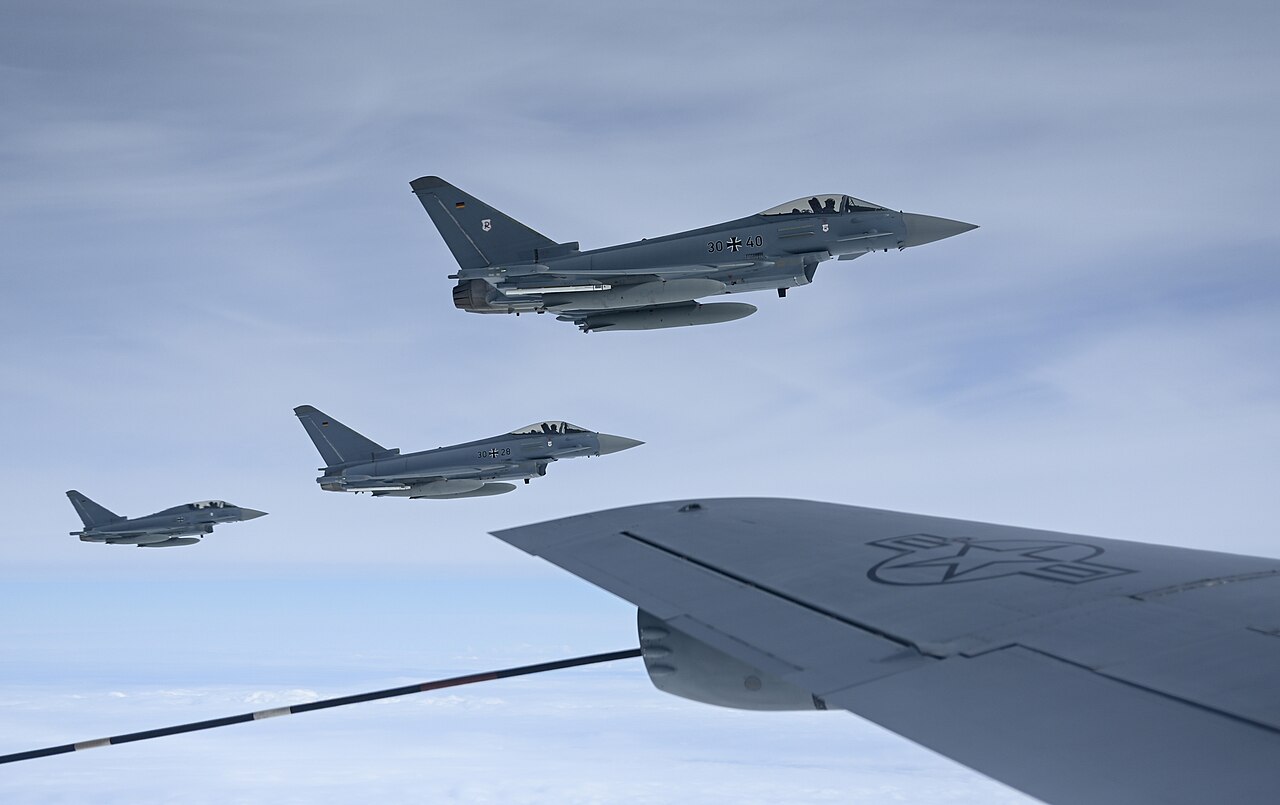
There is a historical echo here. In the 1980s, France walked away from a common European fighter and built the Rafale alone, while Germany stayed with Britain, Italy and Spain to build the Eurofighter. In 2026, France is once again going its own way, and Airbus, BAE and Leonardo still work together on the Typhoon that equips the German Air Force, the Royal Air Force and the Italian Air Force.
Whether that partnership can be rebuilt around a new jet depends on politics in Berlin, Rome and Tokyo as much as on this week’s meeting. Talks between companies are not a contract, and nobody involved has said anything on the record yet. But for the first time since FCAS died, the company that would build Germany’s next fighter is talking directly to the company leading Britain’s.
Sources: Financial Times, Reuters, The Aviation Hub, Air Data News, AeroTime, Politico, Harici, Wikipedia (Global Combat Air Programme)
0 Comments