
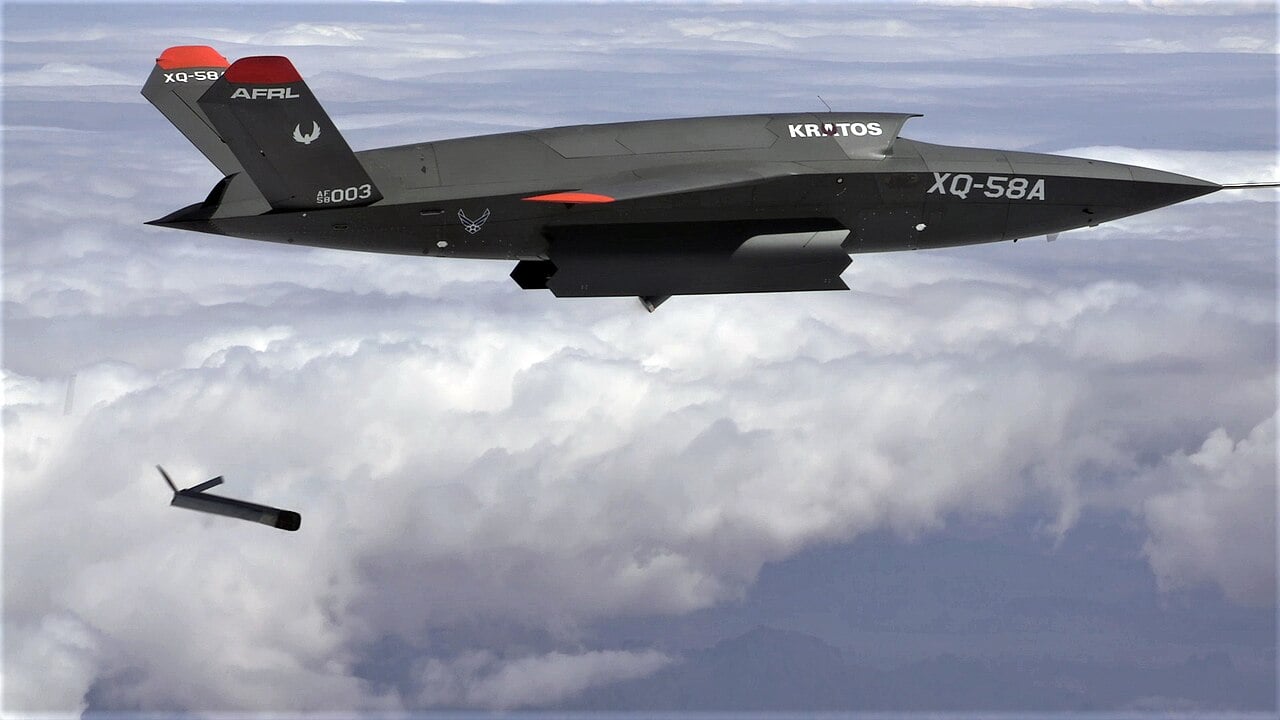
Every time Switzerland argues about its F-35 purchase, someone says manned fighters are a thing of the past in a world of drones and missiles. Justin Bronk disagrees. The Senior Research Fellow for Airpower and Technology at the Royal United Services Institute in London, one of the best-known air power analysts in Europe, told the Zurich daily Tages-Anzeiger on 12 November 2026 that the drone revolution is real on the ground but not in the air. He also said Switzerland could do the job with a simpler fighter.
Kurzinfo
- WHO: Justin Bronk, Senior Research Fellow for Airpower and Technology, RUSI; editor of RUSI Defence Systems
- Interview: Tages-Anzeiger, Dominique Eigenmann, 12 November 2026
- On drones: They can cause damage and wear an enemy down, but not win a war
- On air policing: Drones cannot replace piloted fighters in peacetime missions
- On Switzerland: The Gripen E would be a simpler and, over its life, considerably cheaper option than the F-35
- On China: Building J-20s and J-16s in large numbers rather than mass-producing unmanned combat aircraft
“Damage, but No Victory”
Bronk’s central point is that Ukraine is a misleading model. Both sides there have strong air defences but no Western-style air forces, which is why, after four and a half years of war, Russia still has no air superiority. Drone swarms have made large ground offensives almost impossible on the Ukrainian front, he says, but only because minefields, obstacles and anti-tank weapons have already frozen the front lines. Where those conditions are missing, armoured forces still break through.
What drones also cannot do, he argues, is the peacetime job most air forces spend most of their time on: air policing. Showing presence, escorting aircraft and watching contested borders need a human in the cockpit who understands the political context and can read another pilot’s behaviour. And as long as airliners are not flown by robots, he said, peacetime rules will not let robots shoot down other aircraft.
Bronk on the limits of drones in a longer conversation. Video: Ward Carroll.
The F-35 and Switzerland
On Switzerland’s own purchase, Bronk was blunt. The F-35 was built to attack high-value Russian or Chinese targets such as air defence sites and modern fighters, he said, and it is questionable whether that matches any real task for a neutral country surrounded by friends. For air policing and air defence, simpler options such as the Swedish Gripen E would be considerably cheaper over the aircraft’s life.
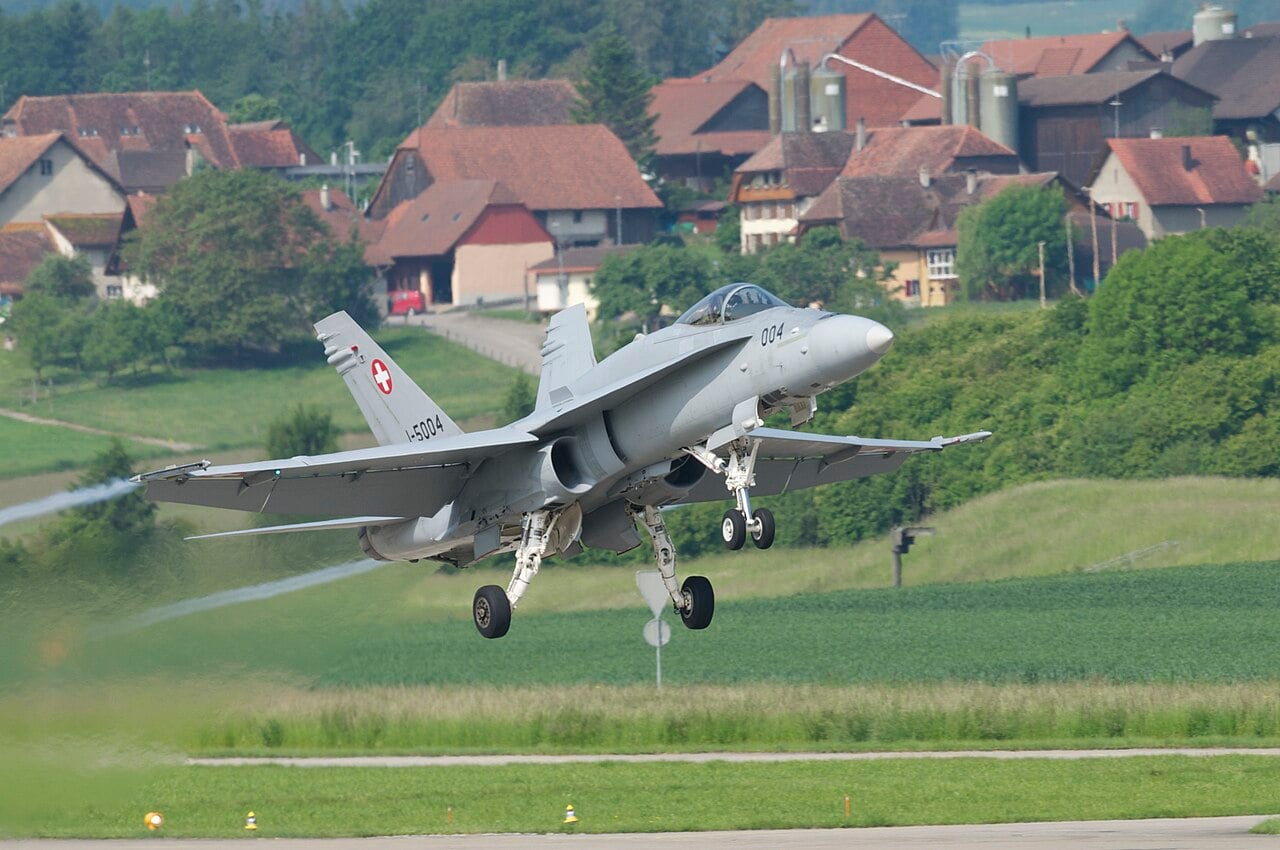
The debate is far from academic in Switzerland. Voters approved buying new fighters by just 50.1 percent in 2020, and the government picked the F-35A in June 2021 over the Rafale, Eurofighter and Super Hornet. The Gripen had already been turned down by voters in 2014. The contract for 36 jets was signed in September 2022, but after a dispute over what had been presented as a fixed price, the Federal Council decided in December 2025 and March 2026 not to fund the full 36; around 30 are now expected. In September 2026 a parliamentary oversight committee found that a lump-sum fixed price had never been contractually agreed. Swiss pilots are due to start training on the first eight jets in the United States in mid-2027, and the first jet is to arrive in Switzerland in 2028.
Why China Builds Fighters
Bronk’s strongest evidence that fighters are not obsolete comes from China. Despite having the world’s largest drone industry, he says, China runs half a dozen unmanned combat aircraft programmes but mass-produces none of them. Instead it is building around 120 J-20 stealth fighters and 100 J-16s a year, along with large numbers of air-to-air missiles, and developing two sixth-generation designs. Within five years, he predicts, China will be able to challenge US air superiority up to 2,000 kilometres off its east coast.
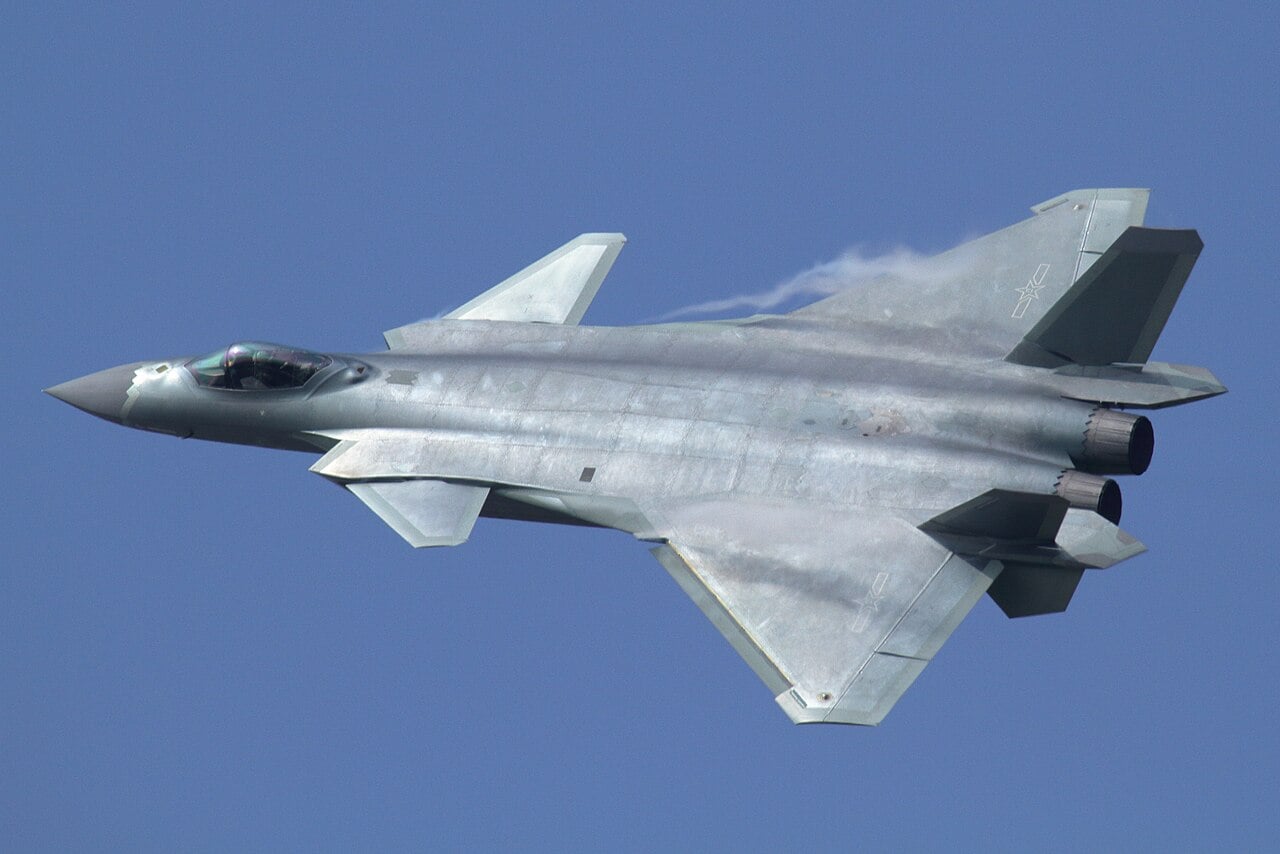
He is also sceptical of the idea that sixth-generation fighters like the F-47, the J-36 and J-50 and GCAP will fly with swarms of loyal wingmen. To be useful, he argues, such unmanned escorts will be expensive enough that not even China or the United States can afford thousands of them. His summary: an evolution of air warfare, not a revolution.
Bronk on what European air forces need. Video: RUSI.
Sources: Tages-Anzeiger, Dominique Eigenmann, “Mit Drohnen kann man Schaden anrichten, aber keinen Krieg gewinnen” (12 November 2026); RUSI, Justin Bronk profile; Swiss Federal Council and VBS releases (30 June 2021, 12 December 2025, 6 March 2026, 14 August 2026); Swiss Parliament, GPK-N report (8 September 2026); Swissinfo; Breaking Defense (March 2026); Defense News (2020, 2022); Air Force Research Laboratory (XQ-58A test, March 2021).


0 Comments