
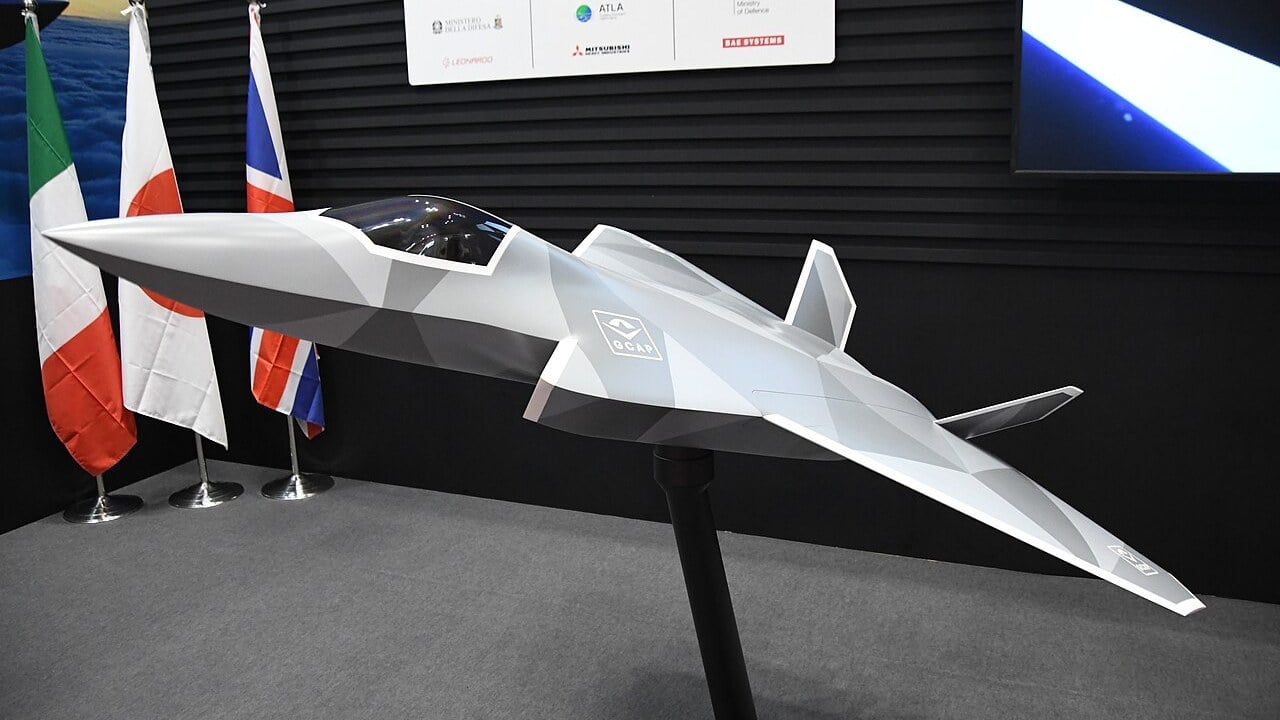
Germany’s search for a new fighter partner ran into a public row on Saturday 14 November 2026. That morning, the Financial Times reported that Italy had pushed back against letting Berlin into the Global Combat Air Programme as an equal partner, offering it only a seat as an observer. Within hours, Rome answered with a formal denial.
Both versions agree on one point: Italy did propose observer status for Germany. Where they part company is on what that offer means. Was it a polite way of keeping Germany at arm’s length, or the fastest route to full membership? The answer matters to Berlin, which has to choose its next fighter partner within months.
Datos rápidos
- Programa: Global Combat Air Programme (GCAP): UK, Italy and Japan
- Report: Financial Times, Saturday 14 November 2026, citing three people familiar with the talks
- Reported offer: Observer status for Germany, like Canada’s, with no design or development role
- Germany’s reaction: A German official called observer-only status “unacceptable” (per the FT)
- Italy’s response: Ministry of Defence statement, 14 November: report “entirely misleading”; observer status proposed to speed full membership
- Industry: BAE Systems, Leonardo and Mitsubishi Heavy Industries, via Edgewing
- In-service target: 2035
- Berlin’s deadline: Pistorius wants a directional decision by the end of March 2027
What the Financial Times reported
According to the FT, which cited three people familiar with the discussions, Italian Defence Minister Guido Crosetto resisted a British push to bring Germany into GCAP during a videoconference with his British and Japanese counterparts that week. Instead, the paper reported, he suggested Germany receive the same observer status that Canada has held since July 2026, without a role in designing or developing the aircraft.
El FT also reported that Italy and Japan share two worries, as relayed by Air Data News and Aviacionline: that adding a fourth major industrial partner could delay a jet meant to enter service in 2035, and that bringing Airbus and other German companies on board could take development work away from their own industries. A German official quoted by the paper called an observer-only role “unacceptable”.
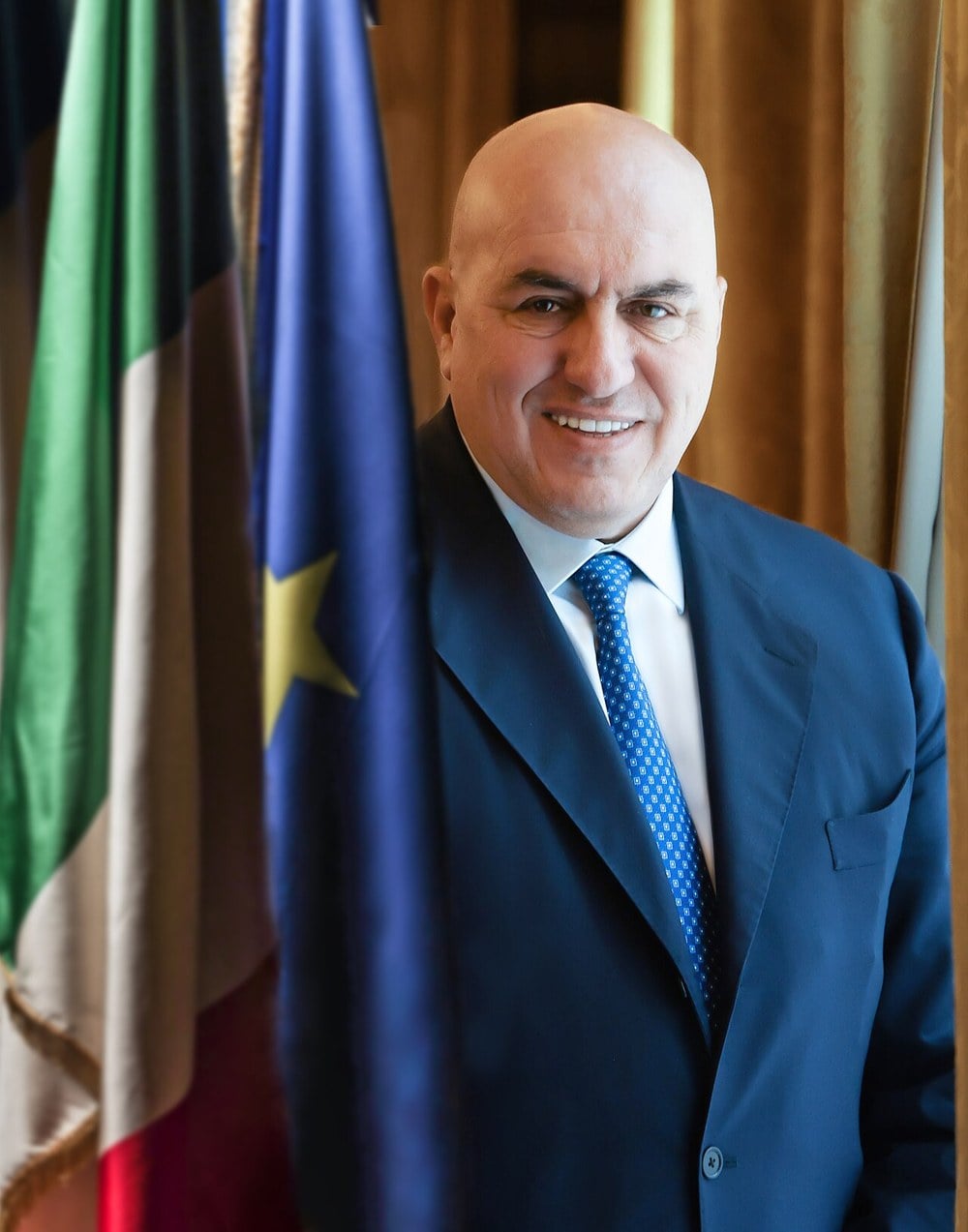
Britain, by the FT’s account, is the partner most open to German entry. Air Data News, summarising the report, said a British official told the paper that London was not trying to force Berlin’s admission and that delivering the aircraft on schedule remained the priority.
Rome: “entirely misleading”
Italy’s Ministry of Defence issued its response on 14 November. As reported by Reuters at 12:49 UTC, the ministry said the FT account was “entirely misleading” and did not reflect Rome’s long-standing position, and that Italy fully supported Germany’s participation in GCAP.
In the ministry’s telling, the observer seat was meant to speed Germany up, not slow it down: an immediate way to share programme information while the terms of full membership are worked out. The statement added that the proposal was not intended to limit Germany’s future role, and that it was designed to protect GCAP’s progress and agreed timetable.
The ministry said Italy had repeated this position at the latest GCAP videoconference of the three partner nations, and that it regarded German involvement as “a positive opportunity”, in Reuters’ translation. It did not deny making the observer proposal. As Il Fatto Quotidiano put it, the denial confirmed much of what the FT had reported while rejecting its interpretation.
Why the observer seat is such a sore point
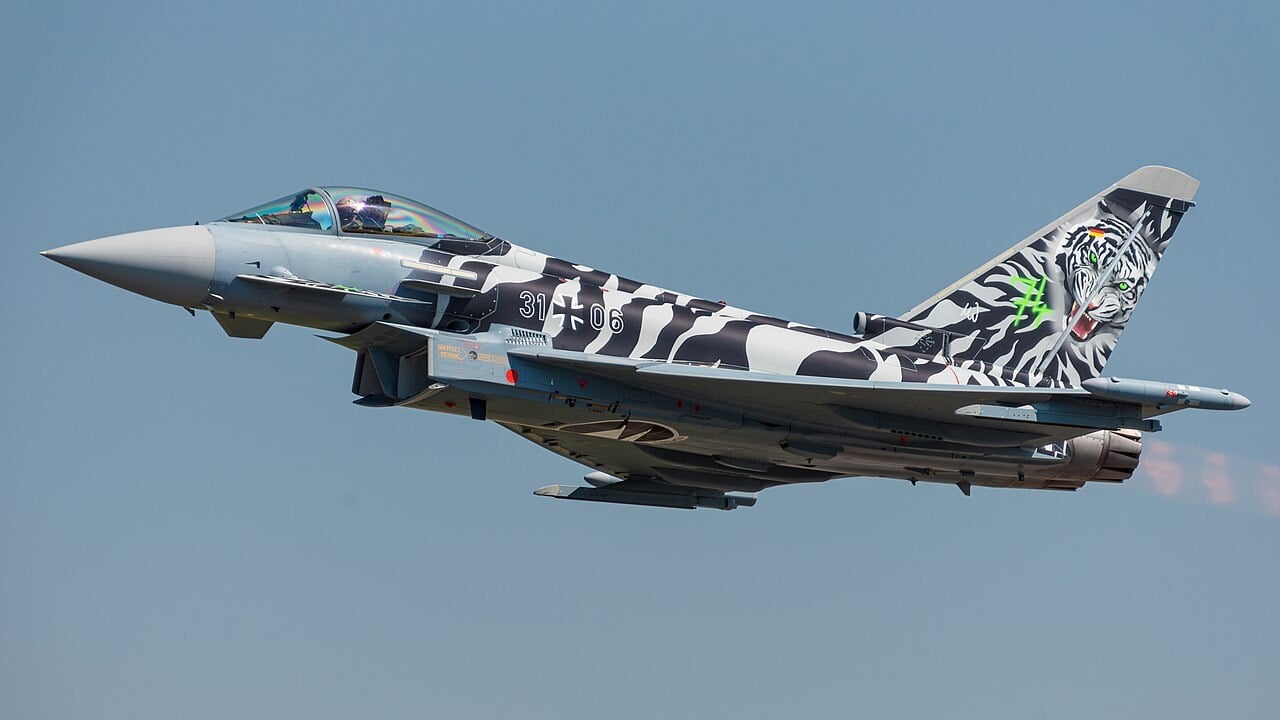
GCAP is the sixth-generation fighter that the United Kingdom, Italy and Japan are developing together, with BAE Systems, Leonardo and Mitsubishi Heavy Industries leading the industrial work through the joint company Edgewing. It is meant to replace the Eurofighter Typhoon with the Royal Air Force y el Italian Air Force, y el Mitsubishi F-2 with the Japan Air Self-Defense Force.
When Canada became GCAP’s first observer in July, Afterburner described the arrangement as a front-row seat: access to programme information, with no development role and no funding commitment. For a country like Canada, already buying the F-35A, that suits fine. For Germany, which wants to pay in and build a share of the jet, a front-row seat looks a lot like being left outside the stage door.
The Royal Aeronautical Society’s first look at GCAP at the Farnborough International Airshow 2026.
Berlin has been looking for a new path since the Franco-German FCAS fighter partnership collapsed in June 2026. In October, the FT reported that Airbus and BAE Systems would discuss an Airbus role in GCAP. Germany’s position, as reported, is that any role should be proportionate to its financial contribution, with substantial development and production work for its industry.
Berlin’s clock is ticking
Defence Minister Boris Pistorius has already set a deadline. As Afterburner reported on 7 November, he wants a directional decision on Germany’s next fighter by the end of March 2027, choosing between joining GCAP and an Airbus-led project with other European partners. Aviacionline, citing earlier reporting by Politico, said the alternatives include a partnership with Sweden and Spain, with Airbus and Saab as possible industrial leads.
The price of the Germany GCAP bid, then, is not just money. It is a renegotiation of who builds what in a programme whose work has already been carefully shared between three nations. Italy now says publicly that it wants Germany in. The open question for the next four months is on what terms, and how quickly.
For the German Air Force, whose Typhoons will need a successor alongside its incoming F-35s, the answer will shape the 2040s. For now, the official record shows one offer on the table, one rejection reported by the FT, and one firm denial from Rome.
Sources: Financial Times (as reported by Reuters, Air Data News, Aviacionline and Jiji Press), Reuters, Italian Ministry of Defence statement (via Sky TG24, Infodifesa, Il Fatto Quotidiano), Air Data News, Aviacionline
Header photo: Hunini / Wikimedia Commons, CC BY-SA 4.0


0 Comments