
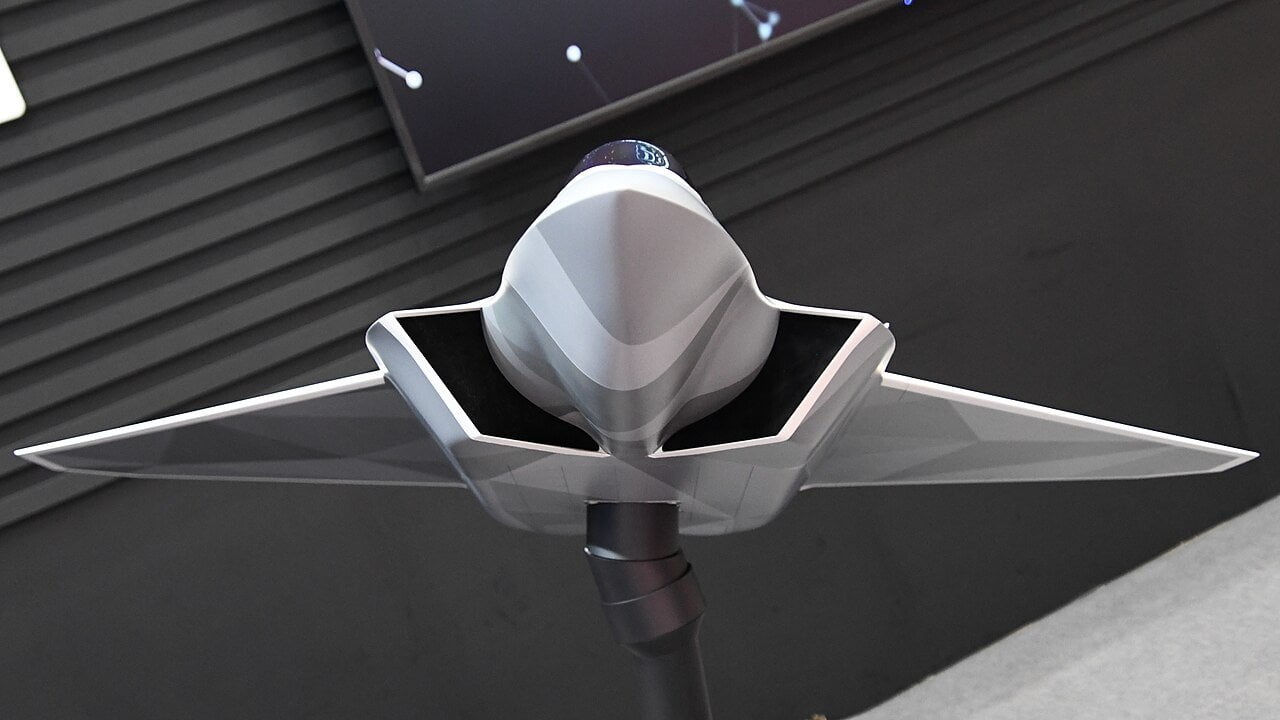
Five months after FCAS fell apart, Berlin finally has a date on the calendar. German Defence Minister Boris Pistorius says he wants a fundamental decision on Germany's next combat aircraft by the end of March 2027, and he has narrowed the field to two roads.
Pistorius set out the timetable in an interview with the Funke Media Group, published on Saturday, 7 November 2026, and relayed by dpa. His goal, he said according to the German-language dpa report carried by n-tv, is a directional decision in the first quarter of next year. The two options: buy into the British, Italian and Japanese GCAP programme, or let Airbus build something new with other European partners.
Datos rápidos
- OMS: Boris Pistorius, German Federal Minister of Defence (SPD)
- Said where: Interview with the Funke Media Group, published 7 November 2026
- Fecha límite: Directional decision by the end of March 2027 (first quarter)
- Option 1: Join GCAP, the UK, Italy and Japan fighter programme
- Option 2: An Airbus project with other European partners, aimed at the early 2040s
- Main worry: Whether German entry would seriously delay GCAP
- GCAP in-service goal: 2035, according to n-tv
- Fondo: Franco-German FCAS fighter collapsed in June 2026
Two Roads Out of the FCAS Wreckage
The Pistorius fighter decision comes down to geography. The first road leads to London, Rome and Tokyo. Germany is already in talks about joining the Global Combat Air Programme, the sixth-generation fighter that Britain, Italy and Japan are developing together, and Pistorius confirmed those conversations are continuing. The question, he said, is whether a late German arrival would slow everyone down.
That is not a theoretical worry. The Japan Times reported on 4 November that officials in Tokyo fear a new partner at this stage could push back GCAP's planned 2035 introduction. Pistorius himself has acknowledged how complex it would be to join three nations that spent years negotiating their deal.
The second road stays on the continent. According to dpa, Airbus could develop its own project together with other European partners, aimed at a fighter for the early 2040s. It would put the group that carried Germany's share of FCAS back at the centre of a new programme, this time without Dassault across the table.
No German Solo Act
Asked whether Germany should take the lead on a new fighter itself, Pistorius made clear the country's industry cannot do it alone. He said he has a strong interest in the German aerospace industry playing a role in the project, but added that the companies say themselves they cannot shoulder it alone, according to n-tv's account of the interview.
The dts news agency, in a report carried by ad-hoc-news, went further and wrote that Pistorius ruled out a German leadership role in building a new combat aircraft. Either way, the message is the same. Berlin wants a seat at the design table and a healthy share of the work, but it is not proposing to build a fighter on its own.
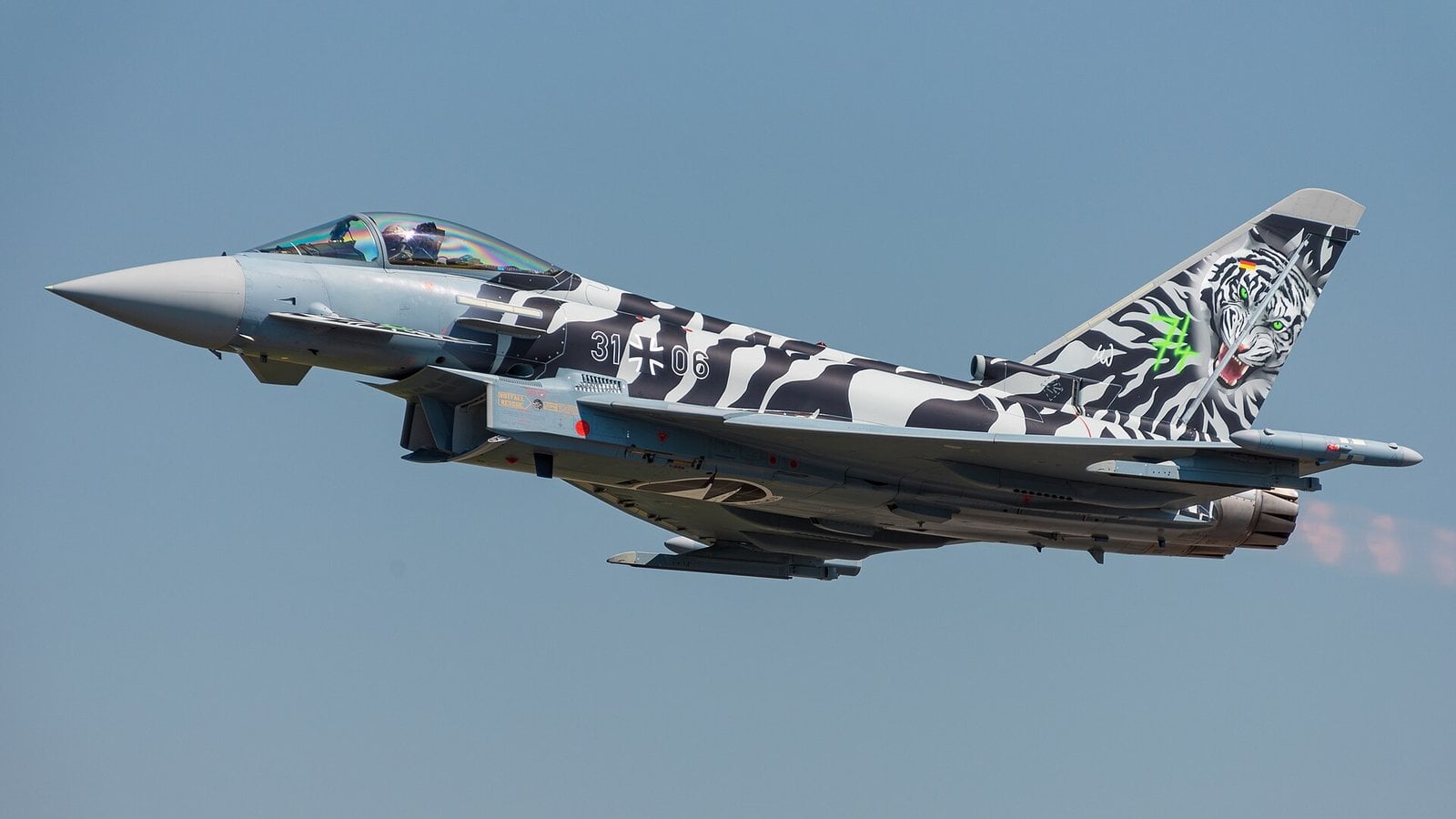
For the German Air Force, the timetable matters. Its front line today rests on the Eurofighter Typhoon, with the F-35A now arriving, and the successor question drives long-term choices on training, infrastructure and weapons. A decision in early 2027 would at least end the uncertainty about which club Germany is joining.
A Week of Diplomacy
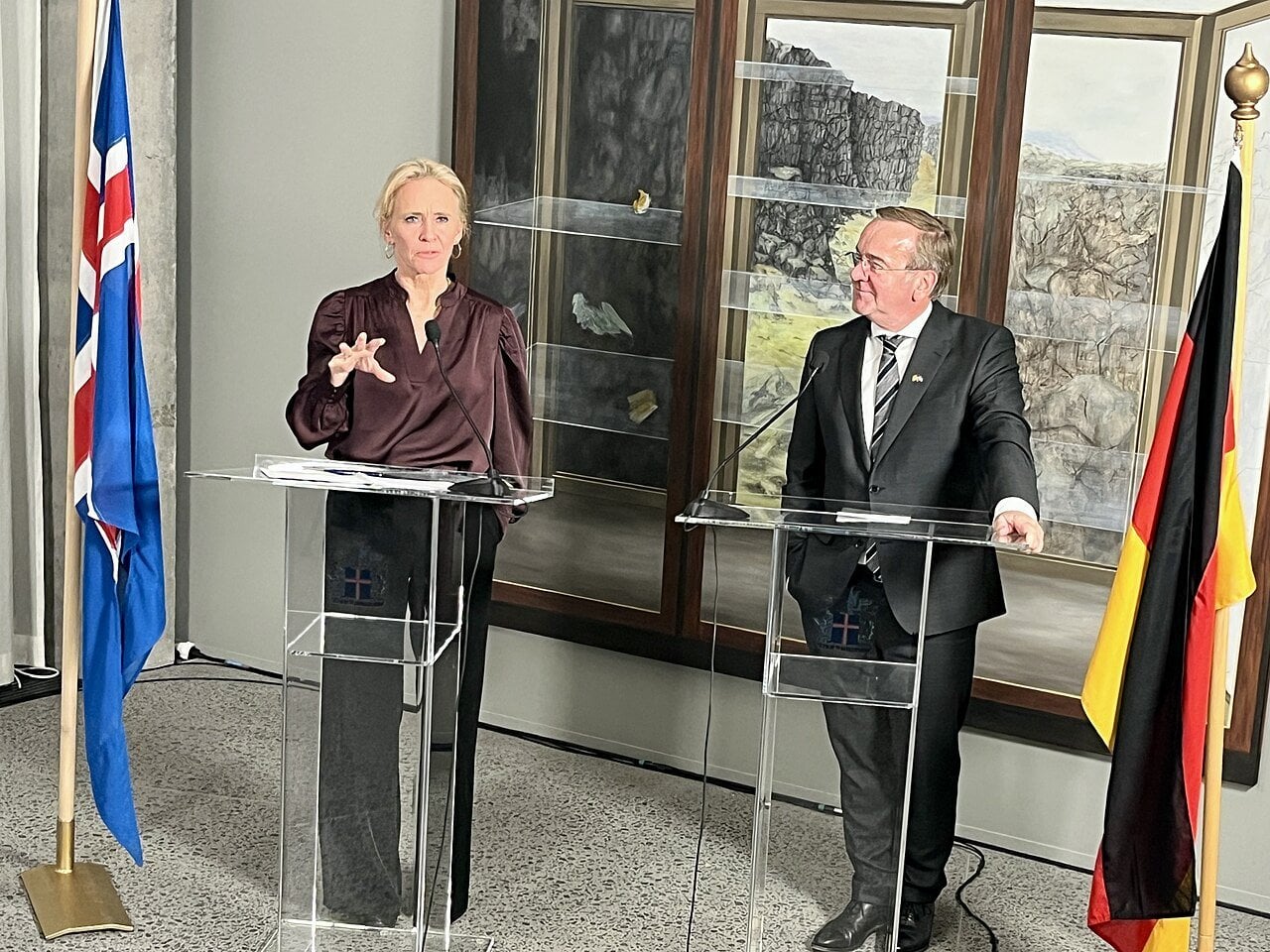
The interview caps a busy week. On Monday, 2 November, Pistorius hosted his British counterpart Wes Streeting in Berlin and said he would hold talks with Italy and Japan within the next two weeks. dpa-AFX quoted him saying both sides agreed that time is a critical criterion, and that the partners wanted to clarify quickly whether all three were willing to bring Germany in, and on what terms.
The British door has been open for weeks. In October, Prime Minister Andy Burnham offered Chancellor Friedrich Merz the chance to develop a new fighter jointly within GCAP, dpa reported. Merz raised fighter cooperation with Japan during his visit to Tokyo at the end of October, according to n-tv, while saying he did not know whether Berlin could meet Tokyo's hope for a decision by the end of the year.
DW News on Europe's search for a new fighter plan after the Franco-German project ran aground.
Industry has been pushing too. Airbus defence chief Michael Schoellhorn told the Augsburger Allgemeine earlier in the week that Germany should decide by the end of the year, n-tv reported. Pistorius's first-quarter target is slower than both Airbus and Tokyo had hoped, though only by a few months.
Why FCAS Still Casts a Shadow
FCAS was supposed to settle all of this. The Future Combat Air System brought France, Germany and Spain together to build the New Generation Fighter, a crewed jet at the heart of a network of drones and sensors meant to replace the Rafale and the Eurofighter around 2040. It collapsed in June 2026 after years of quarrelling over workshare and design leadership, with n-tv writing that Dassault insisted on a dominant role.
France has since moved on with its own plans, ordering the first Rafale F5 contracts in September. Germany, meanwhile, has watched Airbus open talks with BAE Systems about a possible role in GCAP. Each step on either side of the Rhine has made a reunion look less likely.
Pistorius has hinted that the break over the fighter does not end Franco-German defence cooperation more broadly. But on the jet itself, the choice is now binary, and the clock is set. By the end of March, Berlin says, it will know which road it is taking. Whether that road leads to a cockpit in 2035 or the early 2040s is the real decision.
Sources: dpa (via Yahoo News); n-tv; dpa-AFX (via ariva.de); dts Nachrichtenagentur (via ad-hoc-news.de); The Japan Times; Funke Media Group interview
0 Comments