
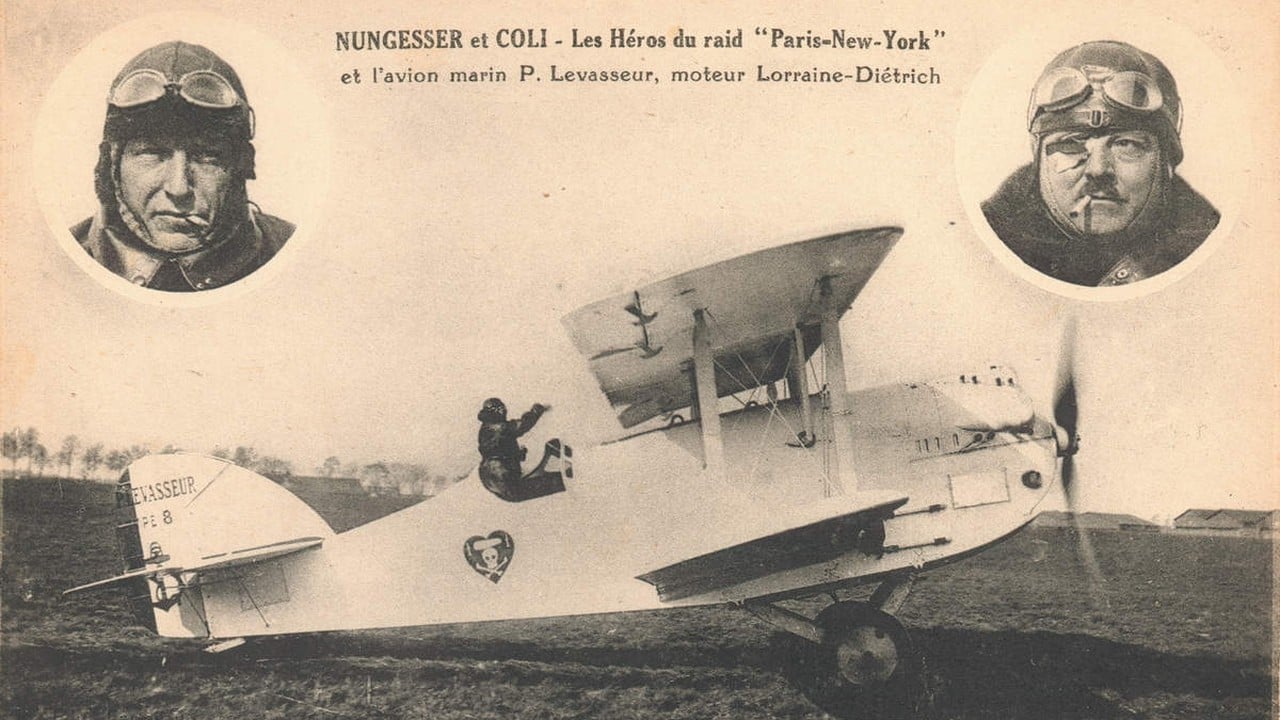
At 5:17 in the morning of 8 May 1927, a white biplane staggered off the grass at Le Bourget, so heavy with fuel that it barely cleared the trees at the end of the field. In the open cockpit sat two of France's great airmen: Charles Nungesser, the country's third-highest scoring ace of the First World War, and navigator François Coli. They were heading for New York, nonstop, to win the Orteig Prize.
L'Oiseau Blanc, the White Bird, was seen crossing the French coast at Étretat that morning. After that, nothing certain was ever seen of it again. Twelve days later Charles Lindbergh took off from New York in the opposite direction and flew into history. The two Frenchmen flew into one of aviation's most enduring mysteries.
Datos rápidos
- Aeronave: Levasseur PL.8, named L’Oiseau Blanc (The White Bird)
- Multitud: Charles Nungesser, pilot, and François Coli, navigator
- Salido: Le Bourget, Paris, 5:17am, 8 May 1927
- Destino: New York, with a planned water landing near the Statue of Liberty
- Motor: Single Lorraine-Dietrich W-12 of about 460 hp
- Combustible: About 4,000 litres, roughly 42 hours of flight
- Last certain sighting: Over Étretat on the French coast
- Premio: Orteig Prize of $25,000, won by Lindbergh on 21 May 1927
A Prize, a Plan and an Ace
In 1919 the New York hotelier Raymond Orteig offered $25,000 to the first aviator to fly nonstop between New York and Paris. Nobody won it for years. By 1927 a string of crews were preparing, most planning to fly west to east from New York. A few French teams planned to go the hard way, from Paris into the prevailing winds.
Coli, 45, a decorated war veteran who had made record flights around the Mediterranean, had been planning a crossing since 1923. His original partner, the ace Paul Tarascon, was badly burned when their Potez 25 was destroyed in late 1926. The 35-year-old Nungesser, with more than 40 victories, took his place. Designer Pierre Levasseur built them a new two-seater based on a naval biplane.
Built to Land on the Water
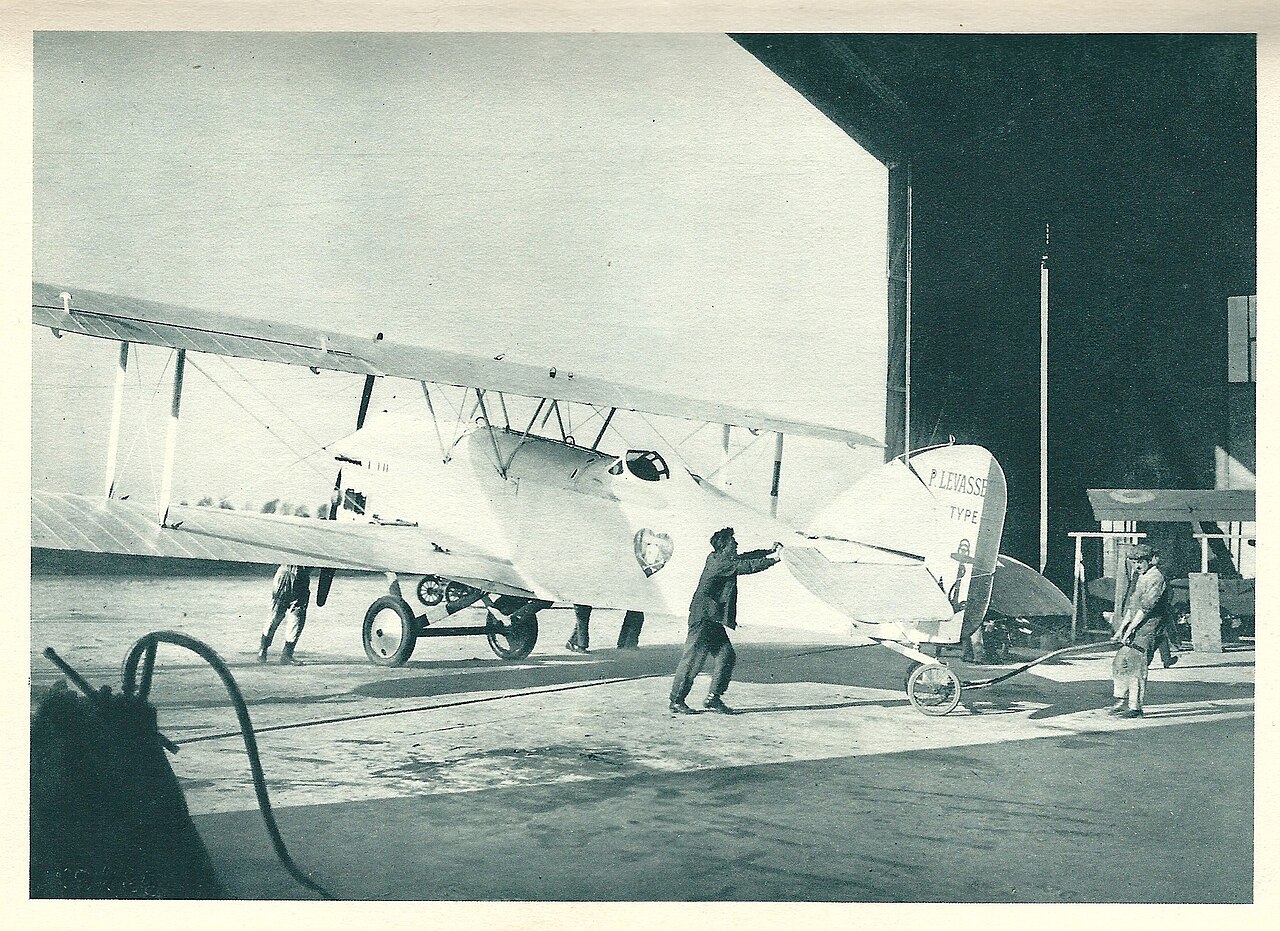
The Levasseur PL.8 was a wood and fabric biplane with the two men side by side in an open cockpit. Extra tanks gave it about 4,000 litres of fuel, enough for roughly 42 hours. To save weight, the undercarriage was dropped after take-off. The lower fuselage was shaped like a boat and made watertight, because the plan was to land on the water in New York, in front of the Statue of Liberty. There was no radio; Coli would navigate by the stars.
Gone Over the Sea
After take-off the aircraft was escorted to the coast by military aircraft and seen over Étretat. A British submarine commander logged a biplane off the Isle of Wight. In Ireland, a resident of Dungarvan and a priest in Carrigaholt reported an aircraft overhead. Then there were no more verified sightings.
In New York, tens of thousands of people waited at Battery Park to see the landing. In Paris, some newspapers reported that the two had arrived safely, and the country celebrated. When the fuel would long since have run out and there was still no word, the truth set in, and the false reports caused fury in the streets. A search by the French, US and Canadian navies found nothing.
On 20 May 1927 Lindbergh took off alone from New York. He landed in Paris 33 and a half hours later to a hero's welcome, even as France was still mourning its two lost airmen.
Did They Reach America?
The accepted view for decades was that L'Oiseau Blanc went down in the Atlantic. But witnesses told a different story. Residents of Harbour Grace in Newfoundland reported a white aircraft circling in haze late on 9 May. In Maine, a hermit named Anson Berry heard a sputtering aircraft pass over his camp near Machias that afternoon, followed by what sounded like a crash. Writer Gunnar Hansen revived the story in 1980, and researchers found more witnesses along a line from Nova Scotia to eastern Maine.
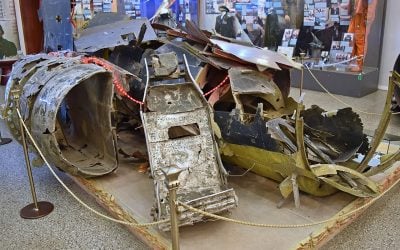
In 1984 an official French investigation concluded that the aircraft could possibly have reached Newfoundland. Searchers including the novelist Clive Cussler's NUMA organisation and The International Group for Historic Aircraft Recovery (TIGHAR) have combed Maine and Newfoundland. Fragments of wood, strut-like pieces and unusual engine metal have been reported, but nothing has been conclusively identified as the White Bird.
History's Most Important Missing Airplane
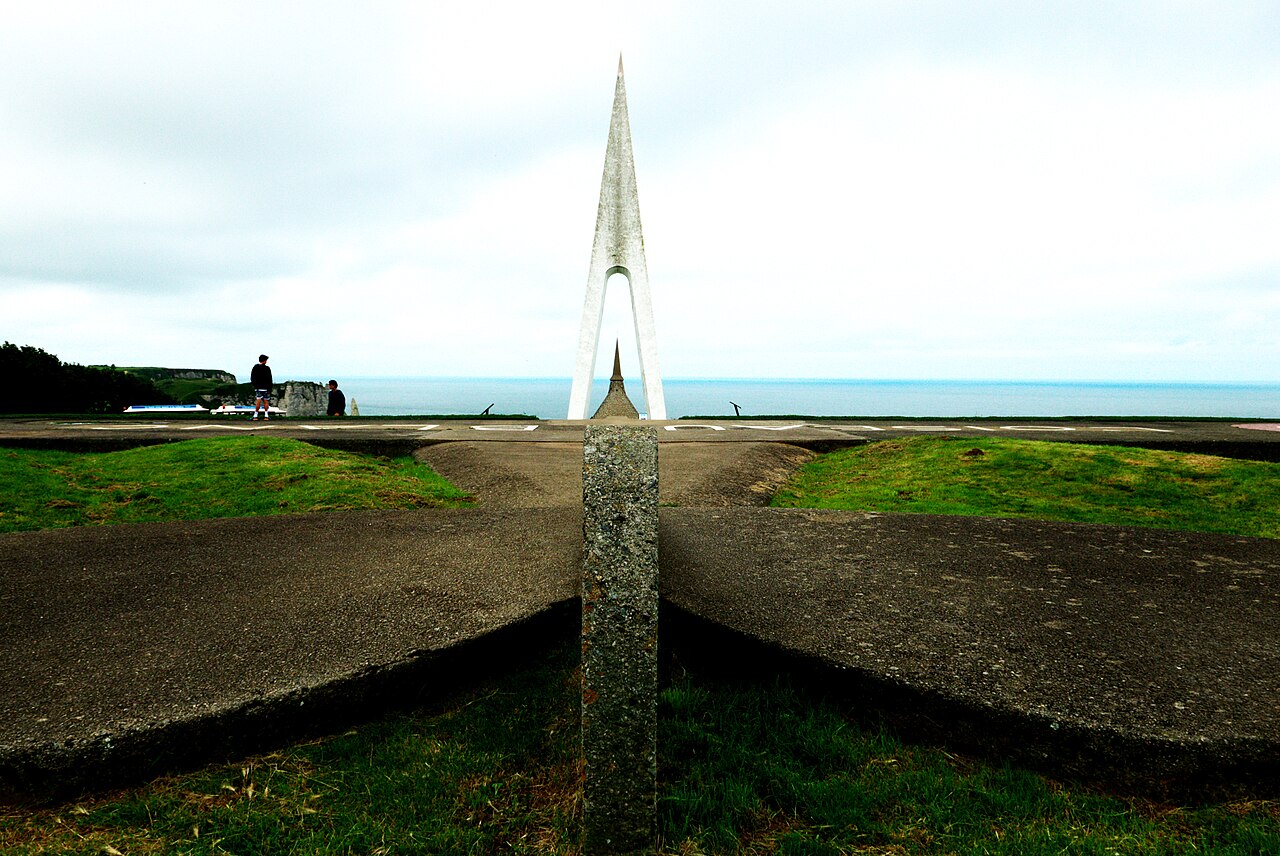
TIGHAR has called L'Oiseau Blanc history's most important missing airplane. Had it landed in New York, Lindbergh would not have won the Orteig Prize, and the story of aviation in the late 1920s might have looked very different. France remembers the flight with a street in Paris, a statue at Le Bourget and a memorial on the cliffs at Étretat, near the spot where they were last seen leaving France.
Sources: Wikipedia (L’Oiseau Blanc; Orteig Prize), citing Gunnar Hansen (Yankee, 1980), TIGHAR, NUMA and Charles Lindbergh’s The Spirit of St. Louis; Huntley Film Archives; CBC News (1993 documentary).

0 Comments