
At dawn on Sunday, 14 October 1962, a single grey reconnaissance jet crossed the Yucatán Channel at 72,500 feet and turned north towards western Cuba. Its pilot was Major Richard S. Heyser of the US Air Force. He was flying so high that he left no contrail.
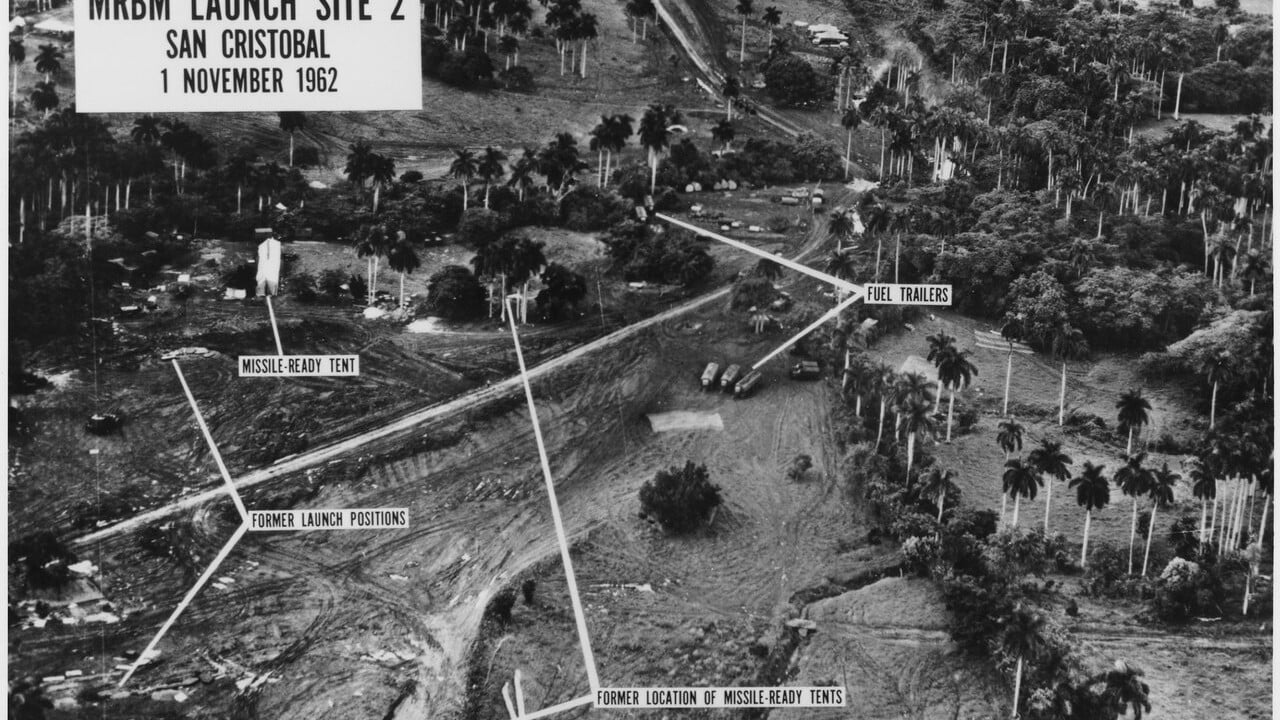
Heyser spent about six minutes over Cuba with his cameras running. Then he flew on to Florida and landed, seven hours after taking off in California. By the following evening, photo interpreters in Washington had found what his film contained: Soviet medium-range ballistic missiles, capable of carrying nuclear warheads, being installed about 90 miles from the United States.
Those 928 photographs started the Cuban Missile Crisis, the closest the world has come to nuclear war. Tomorrow is the anniversary of the flight.
Quick Facts: Mission 3101, "Brass Knob"
Date: Sunday, 14 October 1962
Pilote: Major Richard S. Heyser, US Air Force
Aéronef: CIA U-2F, Article 342, painted as "USAF 66675"
Took off from: Base aérienne Edwards, Californie
Altitude: 72,500 feet
Time over Cuba: About six minutes
Photographs: 928
Atterri : McCoy Air Force Base, Florida, 09:20 EST, after seven hours
Trouvé: Soviet SS-4 medium-range ballistic missile sites near San Cristóbal
Why an Air Force Pilot Flew a CIA Jet
By the autumn of 1962, Washington knew the Soviet Union was pouring weapons into Cuba, including SA-2 surface-to-air missiles of the kind that had shot down Francis Gary Powers' U-2 over the USSR two years earlier. What it did not know was whether the build-up included offensive nuclear missiles. Bad weather and caution had limited U-2 flights over western Cuba for weeks.
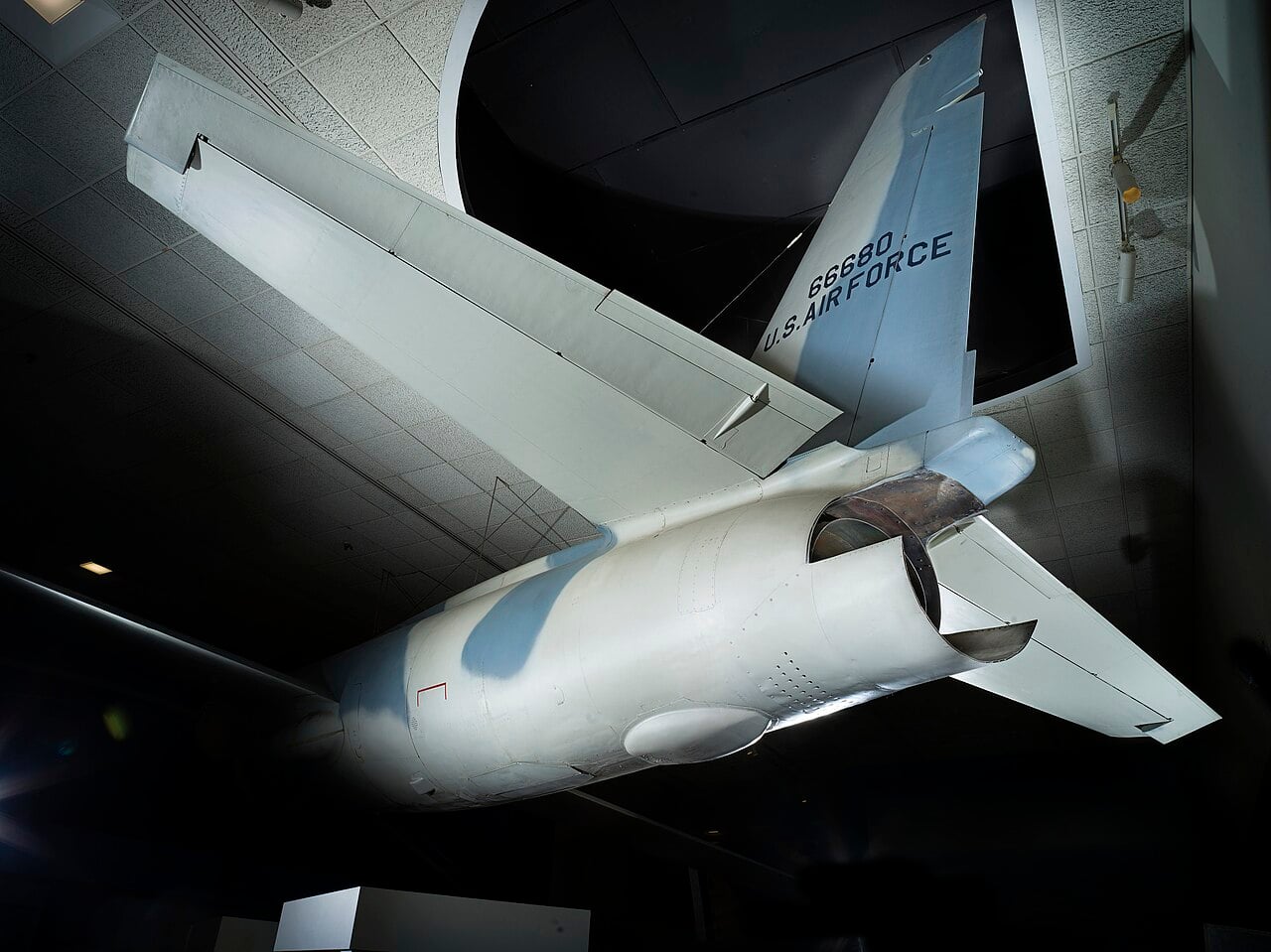
When overflights resumed, the Kennedy administration decided they would be flown by uniformed Air Force pilots rather than CIA civilians, partly so that, if one were shot down, the pilot would be a serving officer rather than a CIA civilian. The aircraft, though, still belonged to the CIA. Heyser flew Article 342, a U-2F modified for in-flight refuelling, which was hastily repainted with the Air Force serial "66675." The mission was numbered 3101 and code-named Brass Knob.
Heyser was a good choice. Born in Apalachicola, Florida, in 1927, he had joined the Army Air Forces at 17, flown combat in Korea, and qualified on the U-2 in February 1957, the 50th pilot to do so. He took off from Edwards Air Force Base in California in the early hours of 14 October.
HistoryPod's short account of the 14 October 1962 U-2 mission that photographed the Cuban missile sites.
Seven Minutes Over Cuba
Heyser met the sunrise over the Gulf of Mexico, crossed the Yucatán Channel and turned north into Cuban airspace, flying the U-2's maximum-altitude profile at 72,500 feet. Cloud cover was about 25 percent, roughly as forecast. His route took him within reach of two SA-2 sites for more than 12 minutes, but no missile was fired and no fighter came up after him.
According to the State Department's official history, the run over western Cuba took six minutes and produced 928 photographs. Heyser landed at McCoy Air Force Base near Orlando at 09:20 Eastern time, exactly seven hours after take-off. His film was flown straight to Washington and taken under armed guard to the National Photographic Interpretation Center.
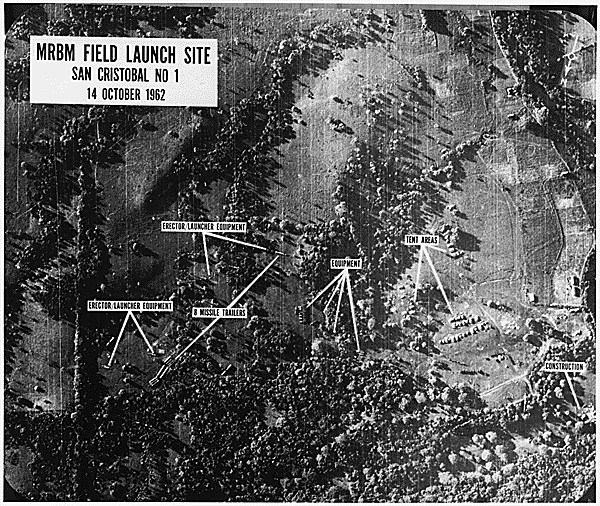
On Monday, 15 October, the interpreters went to work. In the frames from around San Cristóbal in Pinar del Río province, they found three medium-range ballistic missile sites, with eight large missile transporters and four erector-launchers. That evening at 8:30, the CIA's deputy director told National Security Adviser McGeorge Bundy. Bundy decided to wait and told President Kennedy the next morning.
Thirteen Days
What followed has become the textbook example of a nuclear crisis. Kennedy's advisers met in secret for a week, debating air strikes and invasion. Low-level reconnaissance jets, among them Navy RF-8 Crusaders and Air Force RF-101 Voodoos, flew in at treetop height to photograph the sites in detail. On 22 October Kennedy went on television and told the world.
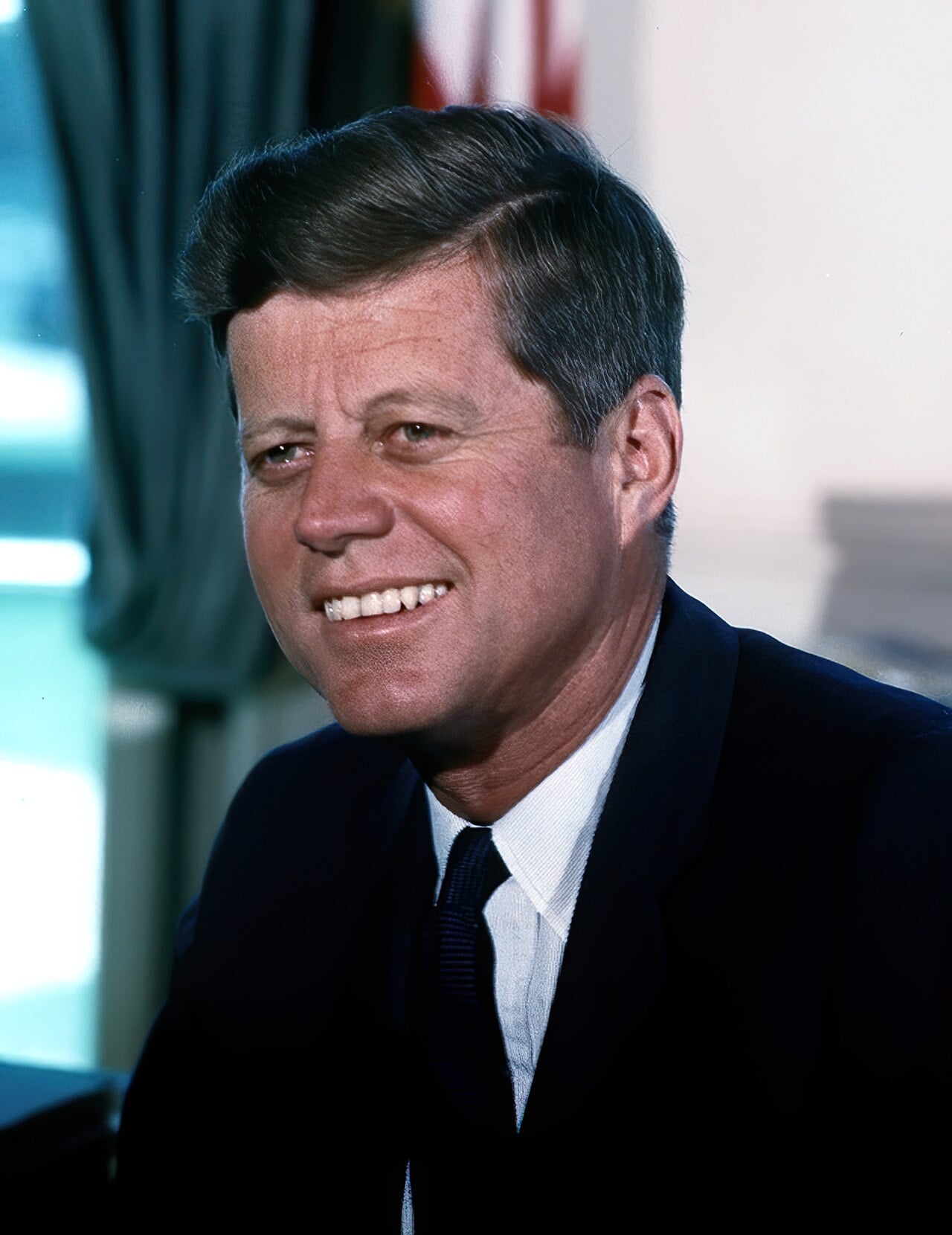
Kennedy announced a naval "quarantine" of Cuba. For days, Soviet ships approached the blockade line and US forces moved to their highest readiness short of nuclear war. On 27 October another U-2 pilot, Major Rudolf Anderson, was shot down and killed over Cuba by an SA-2, the only man to die by enemy fire in the crisis. The next day Soviet leader Nikita Khrushchev agreed to remove the missiles.
Heyser's photographs had given Kennedy something rare in a crisis: proof. When the US ambassador to the United Nations, Adlai Stevenson, confronted the Soviet delegate in the Security Council on 25 October, he did it with enlarged reconnaissance photos on easels behind him.
The Man Who Did Not Want the Credit
Heyser went on to fly two combat tours in Vietnam and retired from the Air Force in 1974 after 30 years of service, returning to Apalachicola.
In later interviews he admitted he had worried about how history would remember him. Speaking to the Associated Press in 2005, he said nobody had been more relieved than he was that the crisis ended peacefully, and that he had no wish to be known as the man who started World War III.
He died on 6 October 2008, aged 81, a week and a day short of the 46th anniversary of his flight. The six minutes he spent over Cuba are among the most consequential in the history of aerial reconnaissance, proof that sometimes the most important military flight of a crisis carries no weapons at all.
TED-Ed's animated history of the Cuban Missile Crisis, viewed more than six million times.
President Kennedy's complete televised address to the nation on 22 October 1962.
Sources: Wikipedia (Richard S. Heyser; Cuban Missile Crisis); US Department of State, Foreign Relations of the United States 1961–1963, Vol. XI, Editorial Note 16; Washington Post obituary, October 2008; Associated Press; JFK Presidential Library.
0 Comments