
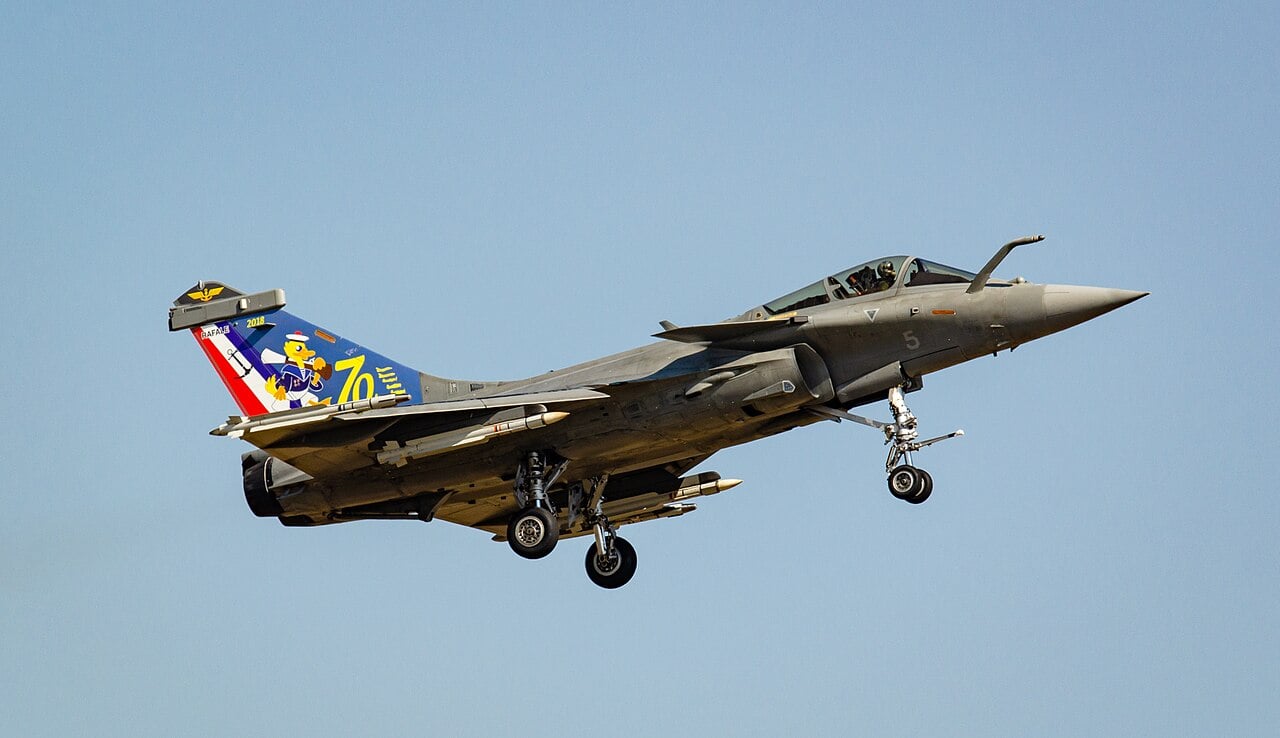
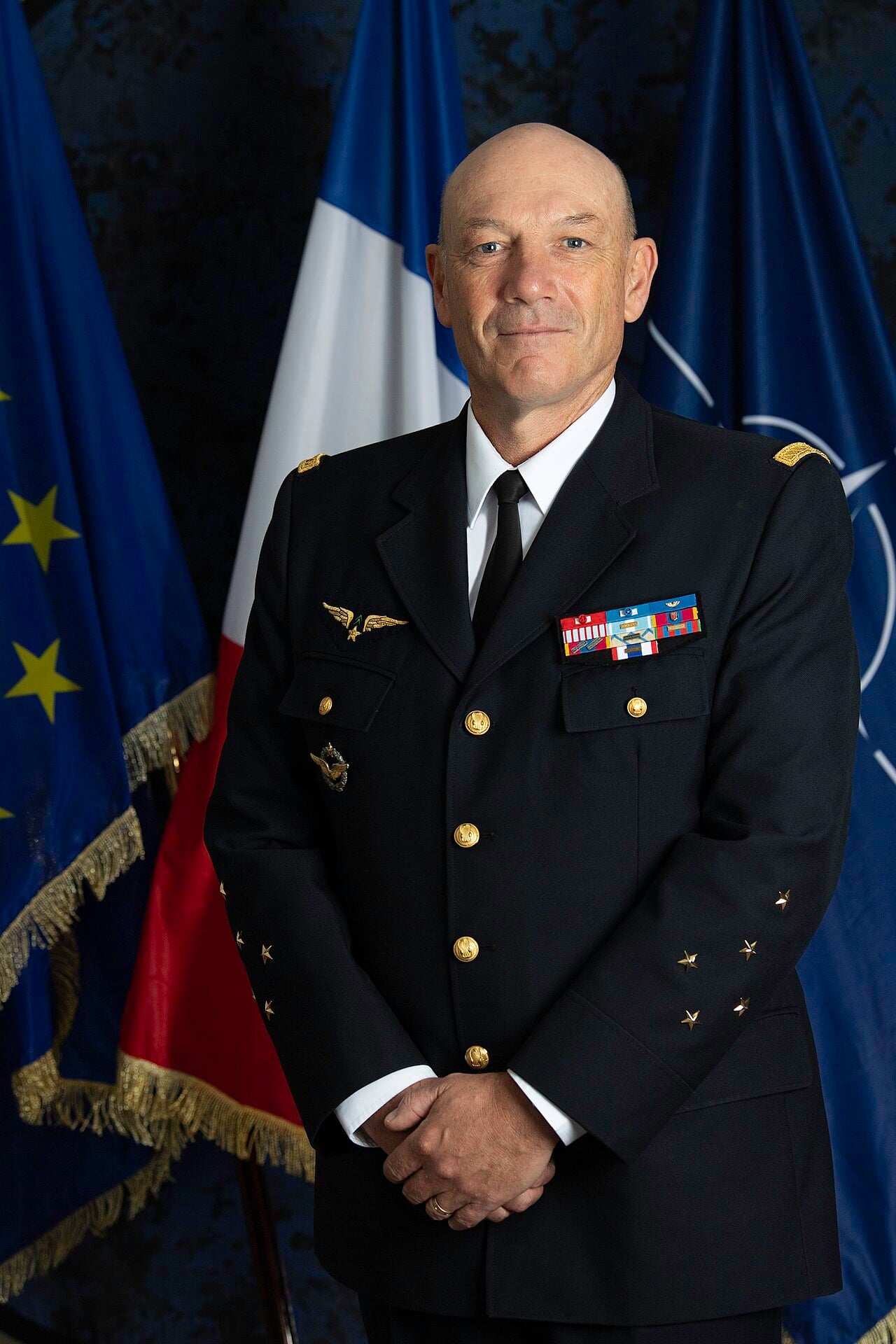
France has made up its mind. The fighter that will one day replace the Rafale will be French, designed and built at home, with partners invited only on France’s terms. General Jérôme Bellanger, chief of staff of the Armée de l'air et de l'espace française, said so plainly before the National Assembly’s defence committee on Wednesday, 14 October.
The new aircraft now has a name, the Avion de Combat du Futur (ACF), and a target date: conventional combat missions by 2040. But the same hearing brought a sobering second message. Today’s fleet is small, overworked and getting smaller, and only two new Rafales are due in 2027.
Informations clés
- Audience: National Assembly defence committee, 14 October 2026
- Speaker: General Jérôme Bellanger, chief of staff, French Air and Space Force
- Future fighter: Avion de Combat du Futur (ACF), now a national programme
- Cibles : Conventional missions by 2040; carry the ASN4G nuclear missile by 2050
- Fleet at end of 2025: 184 combat aircraft: 112 Rafales, 50 Mirage 2000Ds, 22 Mirage 2000-5Fs (Defence24)
- Fleet use: More than 15% above the planned rate
- New Rafales in 2027: Deux
- 2027 Rafale budget: €4.4bn in commitments, €1.8bn in payments, including the F5 standard
After FCAS, a French Fighter
The Future Combat Air System was meant to give France, Germany and Spain one shared next-generation fighter. It fell apart in June 2026, after years of disputes between Dassault Aviation and Airbus over specifications and industrial leadership. Since then the question in Paris has been what comes next.
Bellanger gave the answer. According to Defense News, he told deputies that the work now under way will prepare the birth of the ACF “as a national program.” France remains open to cooperation, he said, but “within different frameworks and which won’t be structural to the birth of this aircraft.” In other words: partners are welcome to join, but they will not be allowed to hold the programme hostage again.
The timeline is driven by nuclear deterrence. The French air force carries part of France’s nuclear arsenal, and the Rafale’s successor must carry the future ASN4G hypersonic nuclear cruise missile by 2050. To get there, Bellanger said, the aircraft must already be flying conventional missions by 2040.
He insisted that the FCAS years “haven’t been wasted”. Work on the aircraft, drones, stealth, connectivity and the combat cloud carries over. France also wants to keep working with Germany on the combat cloud, the data network that will tie aircraft and drones together, so that allied forces can still fight side by side.
Dassault has been ready for this moment for a long time. Its chief executive, Éric Trappier, has said that Dassault, engine maker Safran and electronics firm Thales have all the know-how needed, and could build the new fighter for well below €50 billion. Bellanger also had a pointed word for the rival British, Italian and Japanese GCAP programme: in his view it aims for “a different kind of aircraft, it’s almost a strategic bomber.”
184 Jets for a Nuclear Power
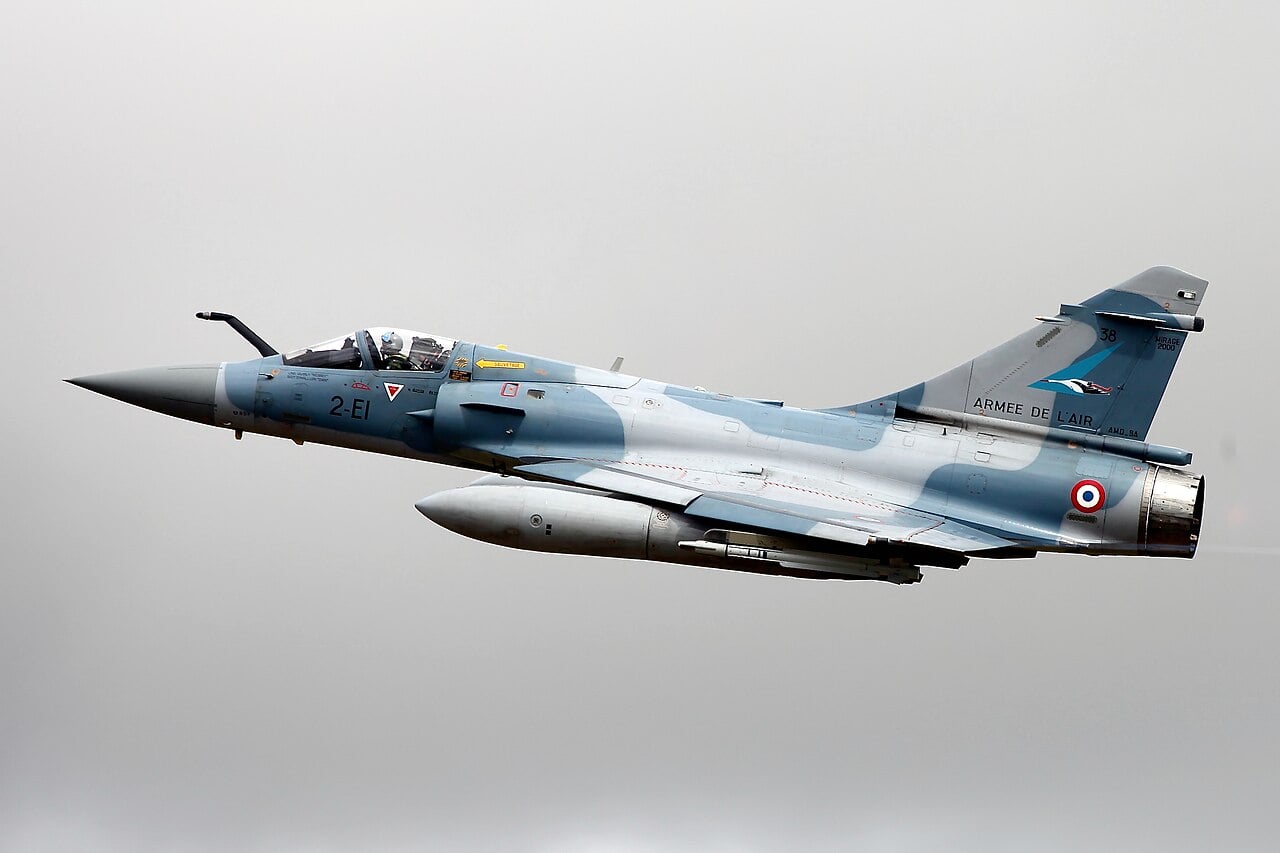
The second half of the hearing was less comfortable. According to Defence24, France ended 2025 with 184 combat aircraft: 112 Rafales, 50 Mirage 2000Ds and 22 Mirage 2000-5Fs. That fleet has to cover nuclear deterrence, the defence of French airspace, operations abroad and preparation for high-intensity war, all at once.
Bellanger said the jets are already being flown more than 15% above their planned rate. Before the summer of 2026, about 80% of France’s fighters were committed at the same time to a nuclear deterrence exercise, operations in the Middle East, NATO’s eastern flank, an exercise in Côte d’Ivoire and permanent air policing. Defence24 reports that he set those numbers against Greece, with about 240 combat aircraft, and Germany, with 235.
Two Rafales in 2027
The 2027 budget includes €4.4 billion in commitment authorisations and €1.8 billion in payment appropriations for Rafale procurement and modernisation, including development of the F5 standard. Even so, the air force expects only two new Rafales next year, while more Mirage 2000s leave service.
The Rafale F5, due in the mid-2030s, will be the bridge to the ACF. It is set to bring the first building blocks of the future fighter, including a new engine, new sensors and the Stratus RS missile for suppressing enemy air defences. Bellanger argued that the next military programming law must look again at the overall size of the fighter fleet.
Drones will fill some of the gap. France expects its first long-range one-way attack drones, MBDA’s Deluge, in summer 2027. Bellanger described a future where waves of cheap, disposable drones wear down enemy air defences first, opening a path for crewed jets and uncrewed aircraft to strike deep. It is a vision that will need the ACF, and many more aircraft than France has today.
Excerpt from General Bellanger’s hearing before the National Assembly defence committee, posted by deputy Catherine Hervieu (in French).
Sources: Defense News; AeroTime; Defence24; French National Assembly

0 Comments