
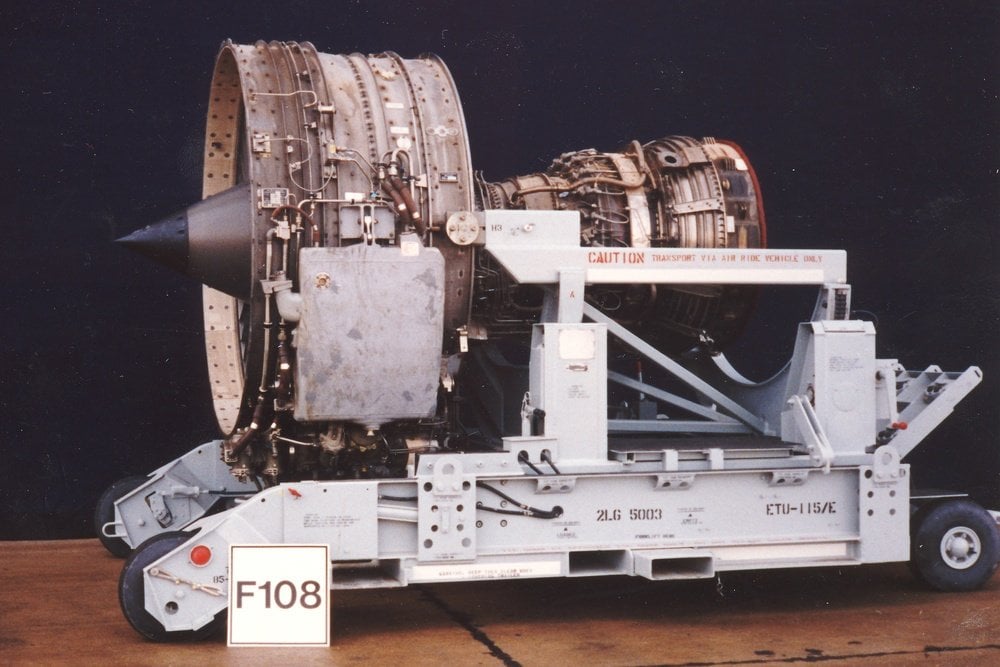
In 2023 an airline did something routine. It contacted Safran, the engine maker, to check the authenticity of a part it had bought from AOG Technics, a UK trader run from a home office in Surrey. Safran looked at the release certificate and saw that it was a fake.
Safran alerted the authorities. The UK Civil Aviation Authority, the FAA and EASA issued safety alerts covering all AOG Technics parts, and aircraft around the world were grounded while operators hunted for them. The case is one of the starkest recent examples of a problem the industry has a name and a form for: the suspected unapproved part.
Informations clés
- Term: Suspected unapproved part (SUP)
- Reporting form: FAA Form 8120-11, Suspected Unapproved Parts Report
- Conseils: FAA Advisory Circular 21-29D (12 July 2016)
- Report via: FAA Hotline web portal, 866-TELL-FAA, or mail
- FAA programme since: 1995
- Responsible FAA office: Aircraft Certification Service (AIR)
- First rule on finding one: Quarantine it; do not install, alter, destroy or return it
What makes a part suspect
The FAA defines a suspected unapproved part as a part that, for any reason, a person believes is not approved for use on a type-certificated product. The word suspected matters: the reporter does not have to prove anything, only to have a reason.
The FAA's list of reasons is practical. Differences in finish, size or colour. Missing or improper identification. Incomplete, unavailable or altered paperwork. Parts that passed through a production approval holder's quality system but do not conform to the approved design. Parts shipped by a supplier straight to end users without the manufacturer's direct ship authority or a separate Parts Manufacturer Approval. Parts sold as made under an FAA production approval that was never issued. Life-limited parts misrepresented as new or as having life left. Military parts not shown to conform to type design.
Just as important is what does not count. An approved part used in the wrong application, a part damaged in shipping, and raw materials such as sheet stock, sealants or raw forgings are not SUP reports, though some can go to the FAA Hotline. A part that was improperly maintained may not be unapproved at all, but simply ineligible for installation because it was not maintained under Part 43. And under AC 21-29D, parts sold as is, or for decoration, without being represented as airworthy, are not SUPs either.
How a bogus part gets caught
Most suspect parts are caught at the receiving desk. Advisory Circular 21-29D, Detecting and Reporting Suspected Unapproved Parts, gives repair stations and parts buyers a checklist for unfamiliar suppliers. Its warning signs are commercial before they are technical: a price significantly lower than other distributors quote, a delivery schedule significantly shorter than others can offer when stock is scarce, sales talk implying an unlimited supply, and a supplier who cannot produce documentation that the part was made under an FAA approval or maintained under Part 43.
The AC is careful to say that none of these is conclusive, and that ordinary due diligence often confirms a part is fine. It also recommends that buyers ask for traceability to an approved design and production approval on every purchase order for parts intended for type-certificated products.
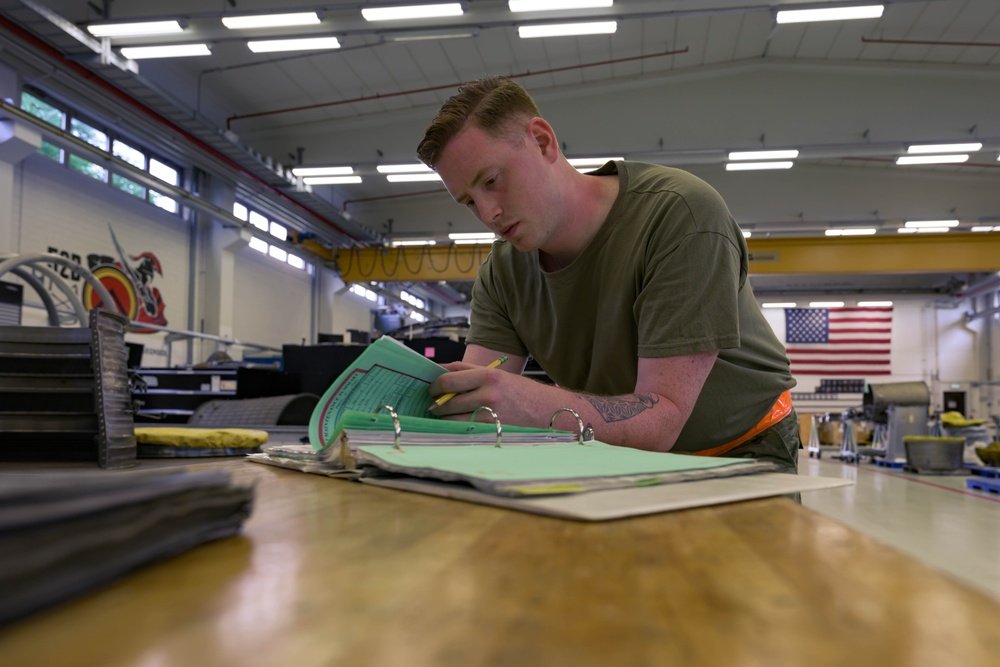
Then comes the physical inspection. The AC suggests checking that the packaging identifies the supplier and is free from alteration, that part and serial numbers on the part and the delivery receipt match the purchase order, and that markings have not been tampered with, such as a serial number stamped over or vibro-etching in an unusual place. Shelf life and life limits must be in date, and visible irregularities, from missing plating to new paint over old, deserve a closer look.
The AC lists the documents that count as positive identification: an FAA Form 8130-3 airworthiness approval tag, a repair station work order from an FAA-certificated source, an EASA Form 1 or Transport Canada Form One, TSO or PMA markings, a shipping ticket or invoice from the production approval holder, or a direct ship authority letter. The AOG Technics case shows the limit of that list: a release certificate is only as good as the honesty of the person who issued it.
An FAA Safety Team video on what mechanics and owners should do when they suspect a part is unapproved.
Quarantine first, then report
The FAA's instructions for someone holding a suspect part start with one word: quarantine. Isolate the part and segregate it. Do not install it, alter it, destroy it, or send it or its paperwork back to the supplier, because the part and its documents are evidence. Keep purchase orders, shipping manifests, invoices, certificates of conformity and airworthiness documents, and photograph the markings, stampings, serial numbers, packaging and anything that looks wrong.
AC 21-29D adds a sensible step before reporting: try to resolve the question through the supplier first, for example by obtaining documentation that was not supplied or confirming that a mark was shipping damage. If the doubt remains, the report goes on FAA Form 8120-11, Suspected Unapproved Parts Report.
According to the FAA's SUP page, the preferred route is the FAA Hotline web reporting portal. Reports can also be made by calling 866-TELL-FAA (866-835-5322), or by mailing a completed Form 8120-11 with supporting documents to the FAA's Office of Whistleblower Protection and Aviation Safety Investigation in Washington. The FAA asks for the part name, part and serial numbers and where the part is, the supplier's name, address and purchase order number, the aircraft, engine or component it was meant for, a detailed explanation of why it is suspect, and copies of the 8130-3, invoices, shipping papers and photos.
Reports can be anonymous. The AC notes, though, that giving a name lets the FAA verify the information and follow up with the reporter.
How the FAA chases it
The FAA set up its SUP programme and programme office in 1995, to stop unapproved parts entering the US aviation system. Reports arrive through the FAA Hotline and are processed under FAA Order 8120.16, and the Aircraft Certification Service has been the office responsible for the programme since November 2012. The AC describes the tools as surveillance, investigation, notification of the wider community and, where warranted, enforcement action.
When an investigation turns something up, the FAA can issue a Field Notification to warn the industry, and anyone can subscribe to those notices. For parts buyers, the FAA also points to its Dynamic Regulatory System, where PMA approvals can be searched by holder, part number or the aircraft they fit.
DW Business reports on how the industry responded to problematic engine parts in the supply chain.
The AOG Technics case
The UK's Serious Fraud Office laid out the scale of what an unapproved-parts fraud can look like. From January 2019 to July 2023, it said, AOG Technics sold more than 60,000 aircraft engine parts worth 6.9 million pounds, accompanied by forged Authorised Release Certificates, most of them for the CFM56, which the SFO called the world's most widely used commercial aircraft engine.
Director Jose Alejandro Zamora Yrala doctored genuine certificates on his home computer, created false shipment memos suggesting he had bought parts directly from manufacturers such as Safran, and invented sales and quality managers who signed emails and documents. Popular Science reported that the airline whose query exposed the scheme was TAP Air Portugal. The SFO put estimated losses at more than 39.3 million pounds, for airlines including American Airlines and Ethiopian Airlines and for manufacturers.
Zamora pleaded guilty to fraudulent trading in December 2025, and on 23 February 2026 he was sentenced at Southwark Crown Court to four years and eight months in prison. Afterburner reported a different kind of parts fraud in October, when South Korea charged five people over counterfeit KF-16 parts.
Why the paperwork is the part
The stakes are not theoretical. On 8 September 1989, Partnair Flight 394, a Convair CV-580, broke up over the Skagerrak off Denmark, and all 55 people on board were killed. Investigators traced the break-up to the tail, where the attachments of the vertical stabiliser had worn excessively; the pins and sleeves in that joint were of inferior quality and did not meet the specified hardness and tensile strength, and they had been installed and inspected with sub-standard maintenance procedures.
That is why the SUP system cares so much about traceability. A counterfeit bolt or a doctored certificate can look exactly like the real thing, and the only reliable defence is a chain of documents back to an approved design and an approved producer, checked by someone who is prepared to put a part aside and ask a question. The Form 8120-11 is how that question reaches the FAA.
Simple Flying on airlines finding suspect CFM engine parts during the AOG Technics affair.
Sources: FAA (Suspected Unapproved Parts programme, AC 21-29D), UK Serious Fraud Office, Aviation Business News, Popular Science, Wikipedia, PlaneCrashInfo, DVIDS


0 Comments