

A column of buses stops beside a bomb-damaged hangar at Gia Lam Airport, Hanoi, just after noon on 12 February 1973. Inside are 116 American prisoners of war in identical new jackets that their captors issued a few days earlier. Most of them have learned not to hope. Then someone sees a silver and white C-141 Starlifter on approach, with a red cross on its tail, and the bus erupts.
That aircraft was C-141A serial 66-0177. It would soon be known as the Hanoi Taxi. It was the first aircraft of Operation Homecoming, the airlift that over the next eight weeks brought 591 American prisoners out of captivity in Vietnam, Laos and China. Most of them came out of North Vietnam aboard C-141s.
Most of the men on that first flight had been held for six years or more, and the first man in line for more than eight and a half. In that time the US had put men on the Moon. They knew very little about any of it.
Informazioni rapide
Operazione: Operation Homecoming (planned for years under the name Egress Recap), 12 February to 4 April 1973
Prisoners returned: 591 Americans, released under the Paris Peace Accords signed on 27 January 1973
Itinerario: Gia Lam Airport, Hanoi, to Clark Air Base in the Philippines, then Travis AFB, California, then military hospitals near home
First aircraft: Lockheed C-141A Starlifter 66-0177 of the 63rd Military Airlift Wing, Norton AFB, flown by Maj. James E. Marrott
First release: 116 POWs left Hanoi on 12 February in three C-141s, with no more than 40 returnees per aircraft
First man in line: Navy pilot Everett Alvarez Jr., shot down on 5 August 1964 and held for eight and a half years
Hanoi Taxi today: Retired after a farewell flight with former POWs on 5 May 2006; on display at the National Museum of the US Air Force, Dayton, Ohio
Years of planning
The return of American prisoners had been planned for years. As the US commitment in Vietnam grew in 1966, and the number of captured airmen grew with it, the Pentagon began working out how to bring them home if they were ever released. The Joint Chiefs called the plan Operation Egress Recap. Defense Secretary Melvin Laird thought the name was too clinical. On 8 January 1973 he ordered it renamed Homecoming.
The Paris Peace Accords, signed on 27 January, tied the prisoner releases to the withdrawal of the remaining US forces in stages. Each release would have three phases. Phase I took the men to Clark Air Base in the Philippines, which was chosen for its large hospital. They were to stay there no more than about 72 hours. Phase II flew them across the Pacific to Travis Air Force Base in California. Phase III took each man to a military hospital close to his family.
There was even an argument about which aircraft to use. The aeromedical evacuation community wanted its C-9 Nightingales, which were built for patient transport. Military Airlift Command won with the C-141 Starlifter, which had about 1,000 miles more range, a hold that could be fitted with any mix of seats and litters, and the ability to fly both the Hanoi run and the Pacific crossing. The C-9s flew the pickups from South Vietnam and Hong Kong.

Gia Lam, 12 February 1973
The American reception team had arrived hours earlier in a C-130 Hercules. It brought Air Force Colonel James R. Dennett and his 18-man support team, a flight surgeon, interpreters and a mobile radio set. An HC-130 orbiting off the coast relayed calls between Gia Lam, Clark, Hawaii and the Pentagon.
The prisoners had imposed one rule of their own. They would accept release only in the order they had been captured. So the first man in line was Everett Alvarez Jr., a Navy A-4 Skyhawk pilot who had been shot down on 5 August 1964, the first American aviator captured by North Vietnam. Only Army Captain Floyd James Thompson, captured in South Vietnam months earlier, had been held longer, and he would not be freed until March.
Under a parachute canopy in front of the terminal, a North Vietnamese official read out each man’s name. Alvarez recognised him as the interrogator the prisoners called the Rabbit, one of the camp system’s worst torturers. Each man stepped forward and saluted the receiving officer. Then a sergeant from the C-130 crew took Alvarez gently by the arm.
“C’mon, sir,” the sergeant said quietly, according to the account in Vietnam magazine. “We’re gonna take you home.” Escorting each man personally to the waiting C-141 had not been in the plan. After that first day it was done on every flight into Hanoi.
Associated Press archive footage filed on 14 February 1973: released American prisoners arriving at Clark Air Base in the Philippines.
The roar after take-off
The men boarded quietly. Crews remembered them as stoic on the ground at Gia Lam, saying little. After years of false promises, many were not sure the North Vietnamese would actually let the aircraft go, and the crew had similar doubts. The 62nd Airlift Wing’s history of that day says the crew wondered whether it was a trick.
Major James E. Marrott ran the engines up on the rough runway and released the brakes. When the wheels left the ground the cabin erupted: men shouted, laughed, hugged each other and cried. On one of the other C-141s that day, the first things the men asked for were coffee and cigarettes. Alvarez later wrote about seeing an American woman, a flight nurse, for the first time in nearly nine years.
The food was a disappointment. Dieticians worried about stomachs damaged by years of starvation rations and parasites, so the menu was Sustacal, a bland protein drink. The flight surgeon eventually allowed apples, chocolate and cold Coca-Cola. On later flights, according to the Vietnam magazine account, medical crews smuggled cake, salami and cheese aboard.

The nickname came from the writing the returnees left on the panel above the flight engineer’s station, and the panel survived every rebuild that followed. By the time the aircraft retired, it carried the signatures of 110 former prisoners, each with the date he was shot down and the date he was released.
God bless America
About four hours after leaving Hanoi, the Hanoi Taxi landed at Clark to another roar from the cabin. A large crowd was waiting behind the barriers. Someone had found a red carpet, borrowed at the last minute from the Inter-Continental Hotel in Manila.
Alvarez later wrote that the men had agreed during the flight that he, as the longest-held prisoner, would step off first and say something. But Navy officer Jeremiah Denton was the senior officer aboard, and he decided he would go first. Denton had been held for seven and a half years. In 1966 he was put in front of a North Vietnamese propaganda camera and blinked T-O-R-T-U-R-E in Morse code while answering the questions. He walked down the steps, saluted Admiral Noel Gayler, the Pacific commander, and stepped to the microphone while the television cameras rolled.
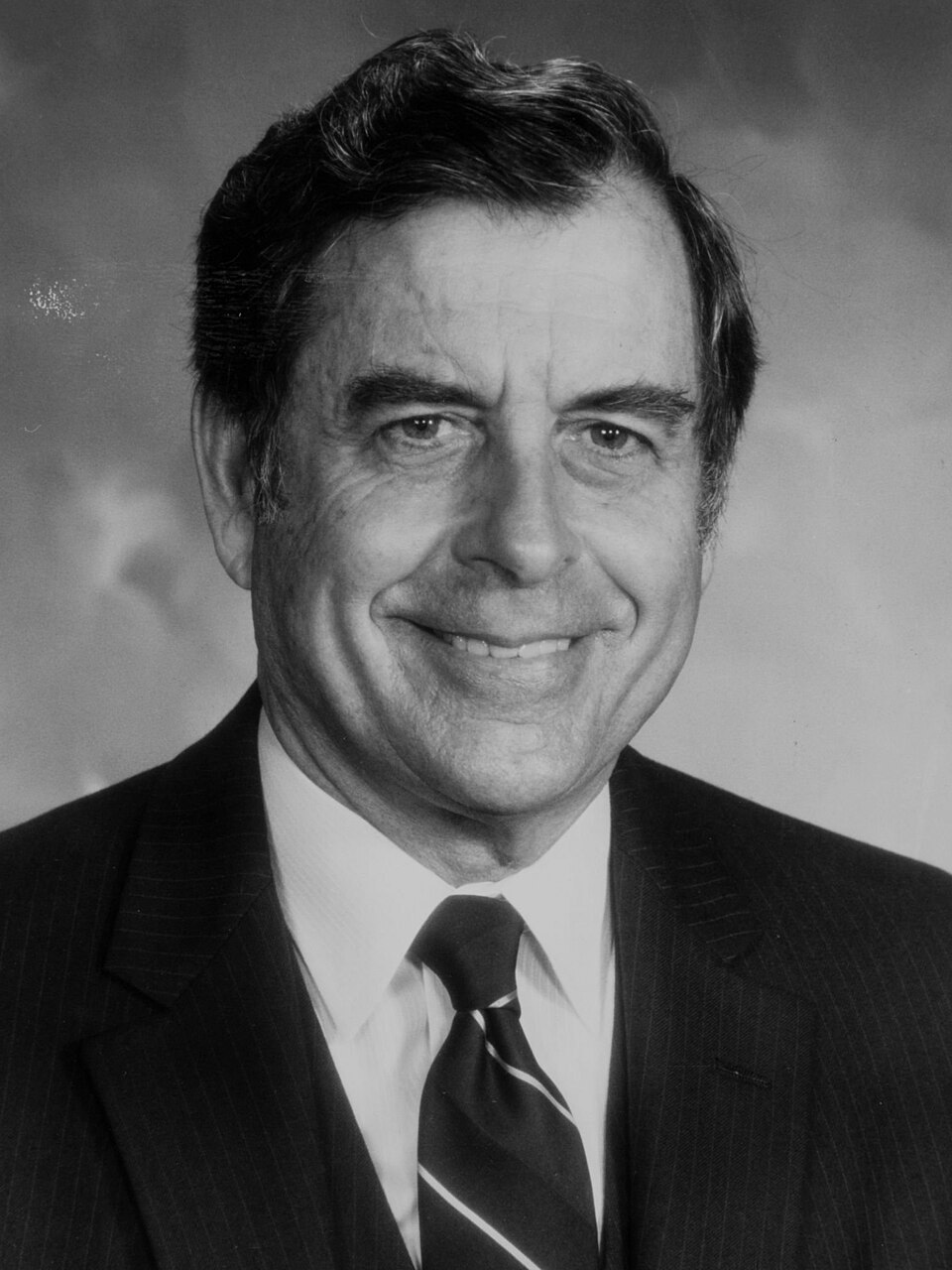
His words were broadcast across the United States at a time when the country was bitterly divided over the war. The Associated Press later wrote that his words and bearing gave heart to the military at a time of increasing uncertainty.
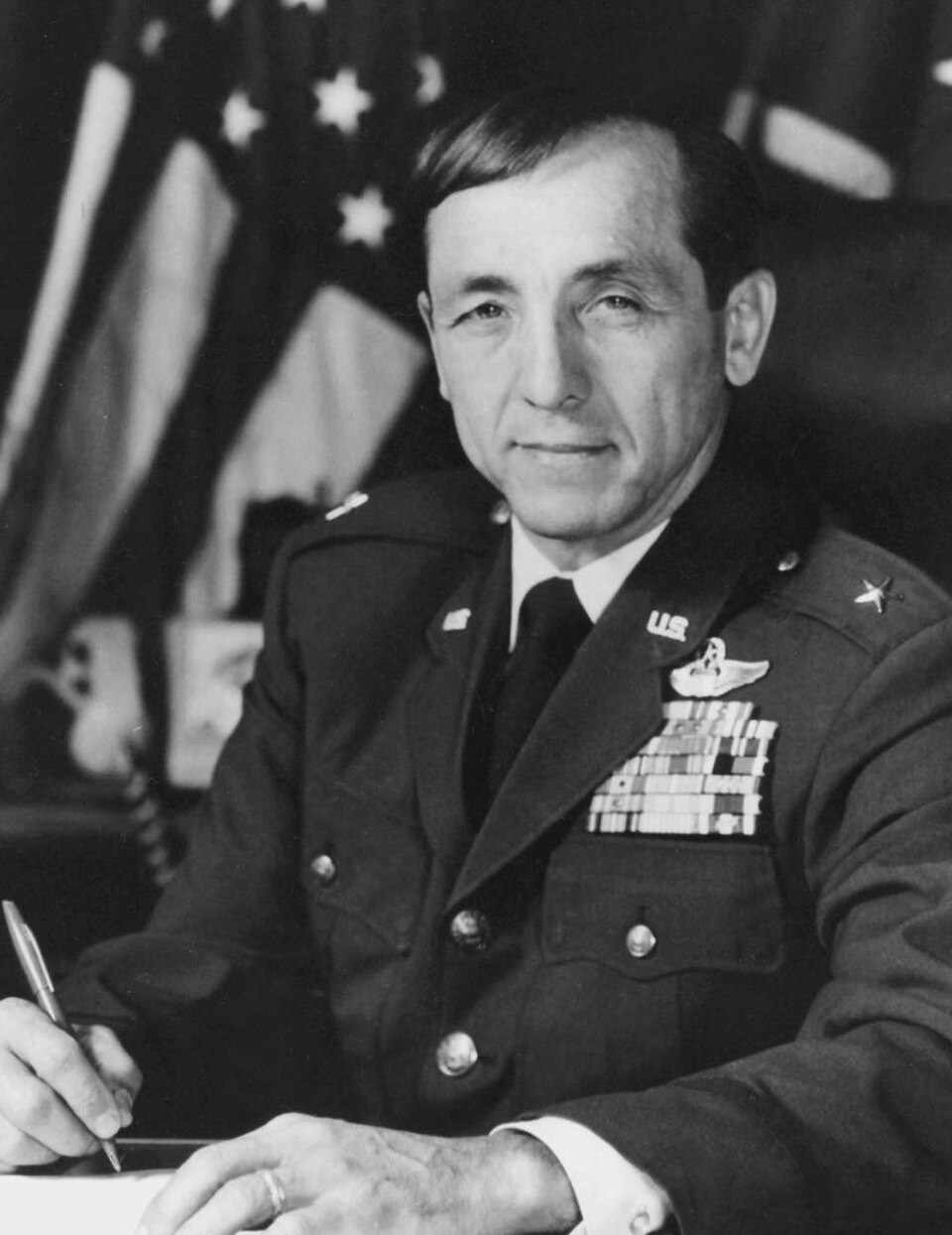
Behind the Hanoi Taxi came two more C-141s. One carried Air Force Lieutenant Colonel Robinson Risner, the senior officer on the second flight and one of the most respected leaders among the prisoners. He later described what it was like to see the crowd at Clark.
Eight weeks, 591 men
The 12 February flights set the pattern for the rest of the operation. At Clark each returnee was assigned an escort chosen to match his rank, age and interests, who stayed with him through medical checks, intelligence debriefings, uniform fittings, phone calls home and visits to the base exchange. Then came the Phase II flight to Travis. When Alvarez stepped off there, he finally got to give his speech.
The releases continued in groups until spring. Vietnam magazine’s account puts the totals at 17 Phase I flights carrying 567 men out of North Vietnam on C-141s, and 38 Phase II flights from Clark to Travis. C-9s collected the prisoners released by the Viet Cong in the South and the three freed by China in Hong Kong. The last prisoners were handed over at the end of March, and Operation Homecoming formally closed on 4 April 1973. In all, 591 Americans came home, including Floyd Thompson after almost nine years in captivity and a Navy pilot named John McCain.
The welcome did not resolve everything. Many returnees found that their marriages and families had changed while they were away, and the questions about Americans still listed as missing would remain open for decades. But for a few weeks in early 1973, Americans divided over almost everything about the war welcomed the prisoners home.
Official US film held by the National Archives: Homecoming releases at Gia Lam Airport, Hanoi, and arrivals at Clark Air Base, 14 to 19 March 1973.
The Starlifter that kept flying
After Homecoming, 66-0177 went back to ordinary airlift work. In October 1981 it was stretched into a C-141B, like most of the fleet, with a longer fuselage and an aerial refuelling receptacle. In 1999 avionics upgrades made it a C-141C. Lockheed built 285 Starlifters, powered by four Pratt & Whitney TF33-P-7 turbofans, and the type that first flew in December 1963 stayed in service for more than four decades.
Later in its career the aircraft was assigned to the Air Force Reserve’s 445th Airlift Wing at Wright-Patterson AFB, Ohio. In 2002 its crew chief found its history during maintenance. The wing repainted it in the white-over-grey scheme it had worn into Hanoi and turned the cabin into a flying memorial, with photographs, plaques, rubbings of names from the Vietnam Veterans Memorial and the original signature panel.
In May 2004 it went back to Vietnam. At the controls was Major General Edward J. Mechenbier, himself a prisoner released in 1973, and the mission was to bring home the remains of two American servicemen killed in the war.
On 5 May 2006 the last active C-141 in the Air Force took more than 100 former prisoners on one final flight. The next morning it landed at the National Museum of the United States Air Force at Wright-Patterson. It is now displayed there, and visitors can walk through the cabin.
The National Museum of the U.S. Air Force moves the Hanoi Taxi into the museum’s new fourth building.
The same year, other C-141s were flying a very different emergency. In October 1973, as the Yom Kippur War went badly for Israel, Starlifters and C-5 Galaxies flew Operation Nickel Grass across the Atlantic. The C-141 was a workhorse, but 66-0177 is remembered for one flight.
The signatures on the panel above the flight engineer’s seat are still there.
Sources: Wikipedia, Operation Homecoming and Hanoi Taxi; National Museum of the U.S. Air Force, Lockheed C-141C Starlifter “Hanoi Taxi” fact sheet; J. Keith Saliba, How Operation Homecoming Was Sprung into Action to Repatriate American POWs, Vietnam magazine via HistoryNet, 28 February 2023; 62d Airlift Wing, Operation HOMECOMING: Fifty Years Later, DVIDS, 7 April 2023; Air & Space Forces Magazine, Hanoi Taxi Takes Last Flight with POWs, 3 May 2006; Associated Press obituary of Jeremiah Denton, March 2014 (via KSL); AP Archive and US National Archives film of February and March 1973.


0 Comments