
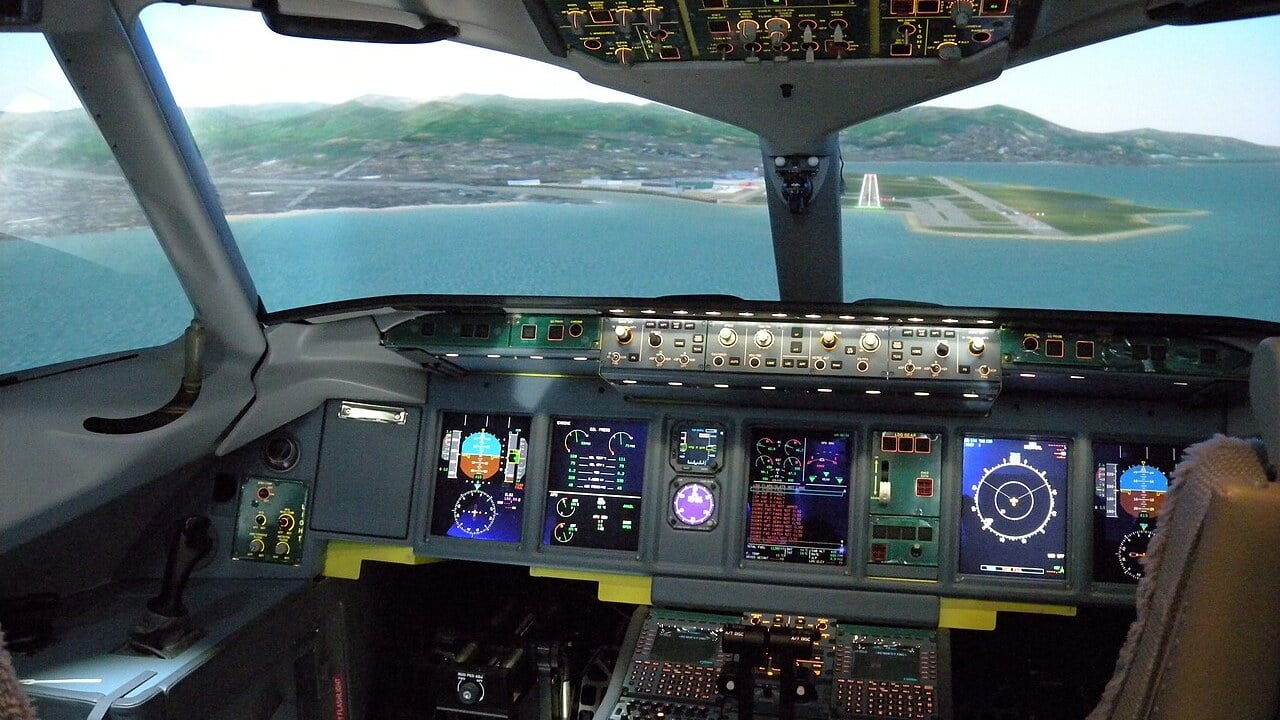
A pilot can hold an airline transport licence, thousands of hours and a decade of experience, and still be forbidden to take command of a small jet that seats five. Not because the jet is hard to fly, but because one line is missing from the licence: the type rating.
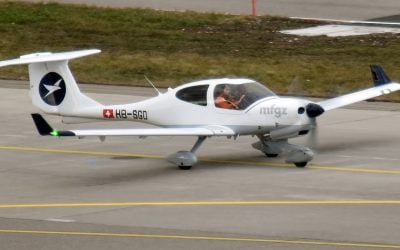
The private pilot licence lets you fly a whole class of aircraft. A Cessna 172, a Piper Warrior and a Diamond DA40 can all be flown on the same single-engine land privilege, with some extra training for things like retractable gear or tailwheels. Once you move into jets and big aeroplanes, that generosity ends. Each type gets its own rating, its own course and its own checkride.
So what exactly is a type rating, when does the law demand one, and what does the training look like? Here is the short course, straight from the FAA and EASA rulebooks.
Quick Facts
- What it is: An authorisation on a pilot licence for a specific aircraft type, beyond the category and class ratings
- FAA rule: 14 CFR 61.31(a): large aircraft, turbojet-powered airplanes, powered-lift, others specified by the FAA
- Large aircraft: More than 12,500 lb maximum certificated takeoff weight (14 CFR 1.1)
- FAA checkride: Flown to airline transport pilot standards, with an instrument rating (61.63)
- EASA rules: Part-FCL Subpart H: FCL.700, FCL.720.A, FCL.725
- EASA exam: Multi-pilot types: written exam of at least 100 multiple-choice questions
- Validity (EASA): One year; revalidation by proficiency check within three months of expiry
What a type rating actually is
A type rating is an authorisation on a pilot licence for one specific aircraft type, or a closely related family of variants. It sits on top of the licence and the category and class ratings, and it requires training beyond what the initial licence covered.
Internationally, the framework comes from ICAO Annex 1. ICAO’s baseline is that type ratings should be established for aircraft certificated for a minimum crew of at least two pilots, and for any other aircraft where the licensing authority considers it necessary. Each authority then decides which aircraft fall into the type-rating box.
Here is the first “aha”: a type rating is not a single aircraft model name in marketing terms. Closely related models can share one rating. The Boeing 757 and 767 share one, as do the members of the Airbus A320 family. A pilot moves between them with differences training, not a whole new course.
When the FAA requires one: 61.31
In the United States, the rule is short. 14 CFR 61.31(a) lists four groups of aircraft for which the pilot in command must hold a type rating: large aircraft (except lighter-than-air), turbojet-powered airplanes, powered-lift, and any other aircraft the FAA specifies through the type certificate process.
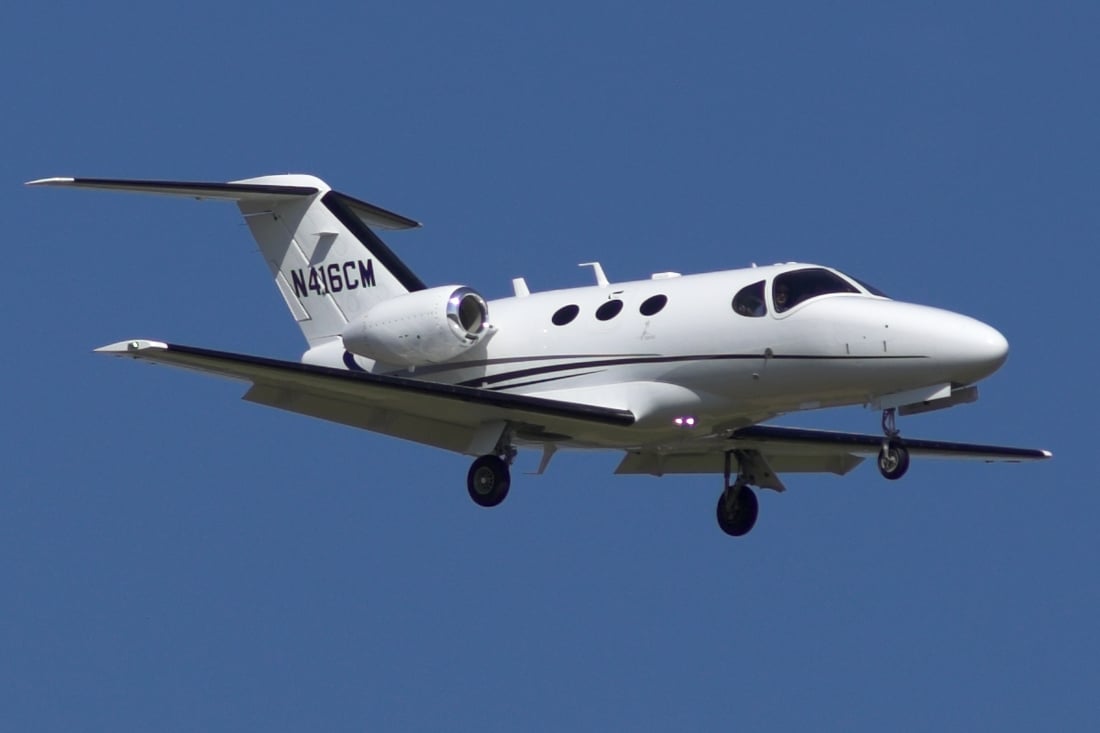
“Large aircraft” has a precise meaning in 14 CFR 1.1: more than 12,500 pounds maximum certificated takeoff weight. That covers big turboprops and piston airliners. The second line is what catches most people out. Weight does not matter for jets. A Cessna Citation Mustang has a maximum takeoff weight of 8,645 pounds, well under the limit, yet because it is jet powered it still has its own type rating.
There is a narrow escape hatch. Under 61.31(b), the FAA can authorise a pilot to fly an aircraft without the type rating for up to 60 days, but only for ferry, training or test flights or a practical test, within the United States, carrying only essential crew. Separately, under 14 CFR 61.55, a second-in-command on a two-pilot aircraft needs at least an SIC type rating for international flights, though not for flights wholly within US airspace.
Airplane Academy talks to a Citation and King Air pilot about what a type rating involves in practice.
What the FAA checkride demands
The type rating checkride is no gentle add-on. Under 14 CFR 61.63(d), an applicant must hold or concurrently obtain an instrument rating, and must pass the practical test at the airline transport pilot certification level, in actual or simulated instrument conditions. A private pilot adding a jet type rating is examined to ATP standards for that aircraft.
Some older aircraft, such as vintage warbirds, are not equipped for the instrument part of the test. For those, 61.63(e) allows the rating to be issued with a “VFR only” limitation, which can be removed later by passing the instrument portion in that type.
Simulators do much of the heavy lifting. Under 14 CFR 61.64, the entire practical test for a turbojet type rating may be flown in a Level C or higher full flight simulator, without touching the real aircraft except for the preflight inspection, if the applicant already meets one of several experience tests. Examples include holding a type rating in another turbojet of the same class, or having 500 hours in the type being sought.
How Europe does it: Part-FCL Subpart H
In EASA countries, the logic is set out in Subpart H of Part-FCL. FCL.700 says a licence holder may act as pilot only with a valid and appropriate class or type rating, with narrow exceptions such as flying with a light aircraft pilot licence, taking a skill test or proficiency check, or receiving flight instruction. EASA publishes official lists that decide which aircraft fall under a class rating and which need their own type rating.
Under FCL.725, the training course for a type rating takes place at an approved training organisation and must include the mandatory training elements defined by the manufacturer’s operational suitability data. There is a theoretical knowledge examination organised by the school: for multi-pilot aircraft it is written and has at least 100 multiple-choice questions. Then comes a skill test with an examiner.
The entry ticket for a first multi-pilot type rating is steep. Under FCL.720.A, applicants must normally have at least 70 hours as pilot in command in aeroplanes, hold or have held a multi-engine instrument rating, have passed the ATPL(A) theory exams, have a multi-crew cooperation certificate unless MCC is combined with the course, and have completed an advanced upset prevention and recovery course. Students on an MPL course are the exception.
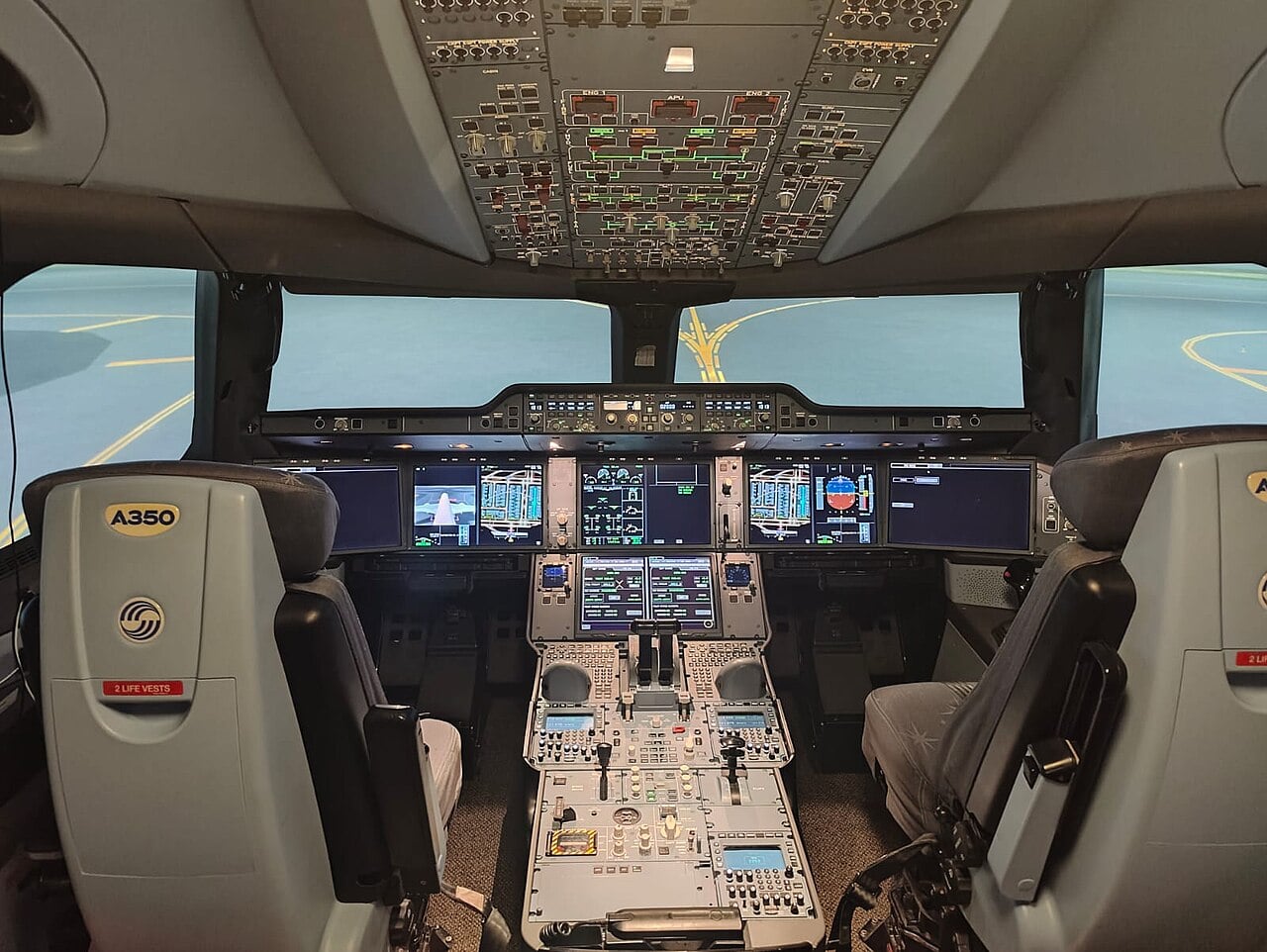
Airbus A320 type rating students in training at Baltic Aviation Academy.
Inside a typical type rating course
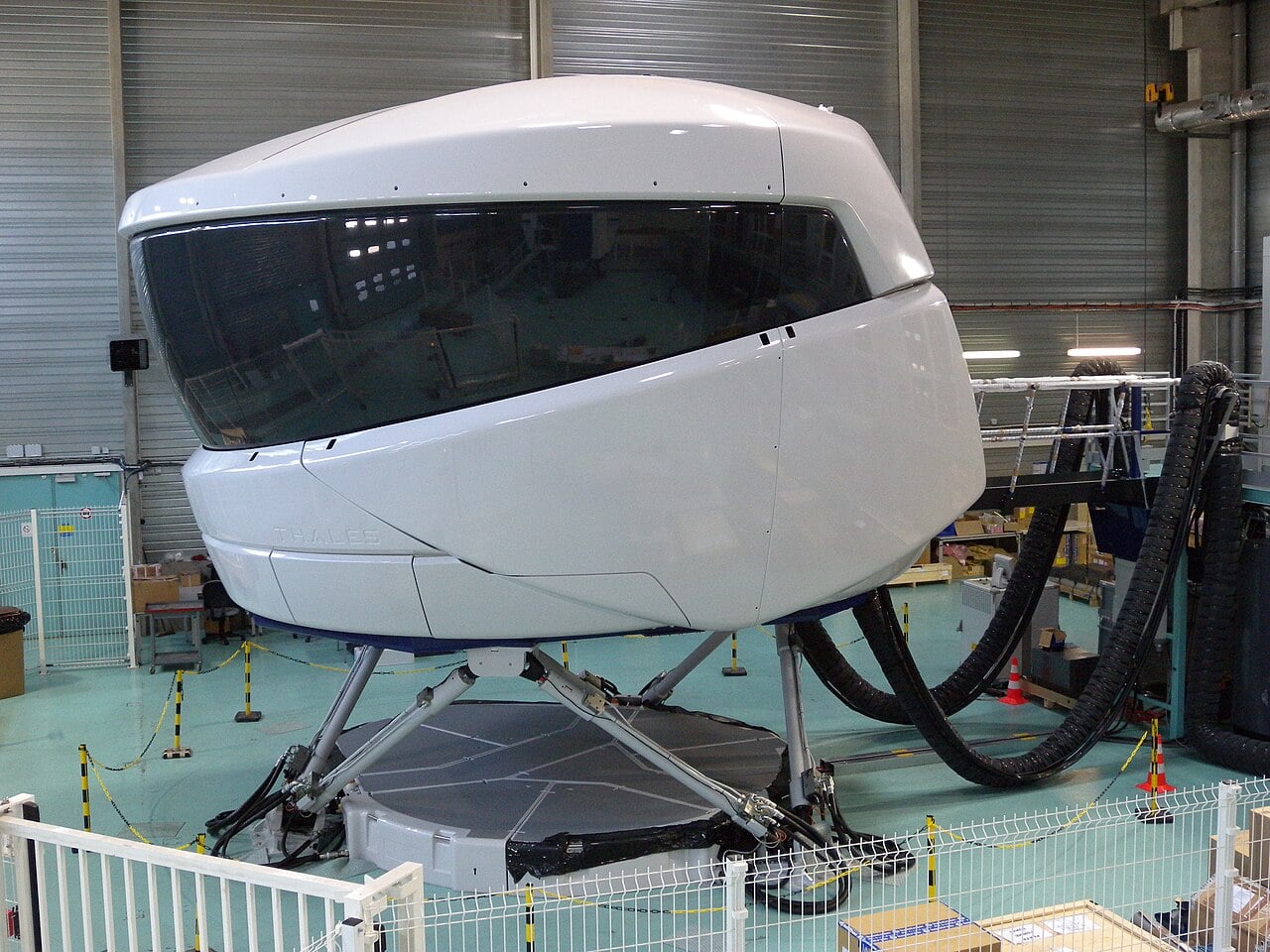
Most type rating courses follow the same rhythm, from classroom to cockpit. It starts with ground school on the aircraft’s systems, limitations, performance and procedures, ending in the type exam. Procedures are then drilled in a fixed-base trainer before the crew moves to the full flight simulator, a full-size cockpit on a motion platform with a visual system.
In the simulator, instructors throw everything at the crew that would be too dangerous or too expensive to practise in the air: engine failures at the worst moment, fires, rejected takeoffs, system failures and non-normal approaches. The course ends with the skill test or checkride. In Europe, some training is normally flown in the real aeroplane, but experienced airline pilots may qualify for a zero flight time course flown entirely in a Level C or D simulator under FCL.730.A.
Even then, the rating may not be finished. Under FCL.720.A(d), when the operational suitability data say so, a new rating holder may first fly only under the supervision of an instructor until the required hours are logged. In airline service, operator training follows on top of the type rating.
IndiGo’s own look inside the full flight simulator it uses to train its airline pilots.
Keeping it current
A type rating is not for life. Under EASA’s FCL.740, class and type ratings are valid for one year, apart from single-pilot single-engine class ratings, which last two. To revalidate a multi-engine class or type rating, a pilot must pass a proficiency check in the aeroplane or a simulator within the three months before expiry, and fly at least 10 route sectors in the type or one with an examiner.
That is the final “aha”. A type rating is less a qualification than a promise, renewed every year in a simulator: that the pilot knows this particular machine, its systems and its worst days, as well as the people who built it intended.
Sources: 14 CFR 1.1, 61.31, 61.55, 61.63 and 61.64 (eCFR); EASA Easy Access Rules for Aircrew, Part-FCL Subpart H (FCL.700, FCL.705, FCL.710, FCL.720.A, FCL.725, FCL.730.A, FCL.740, FCL.740.A); Wikipedia (Type rating; Cessna Citation Mustang)

0 Comments