
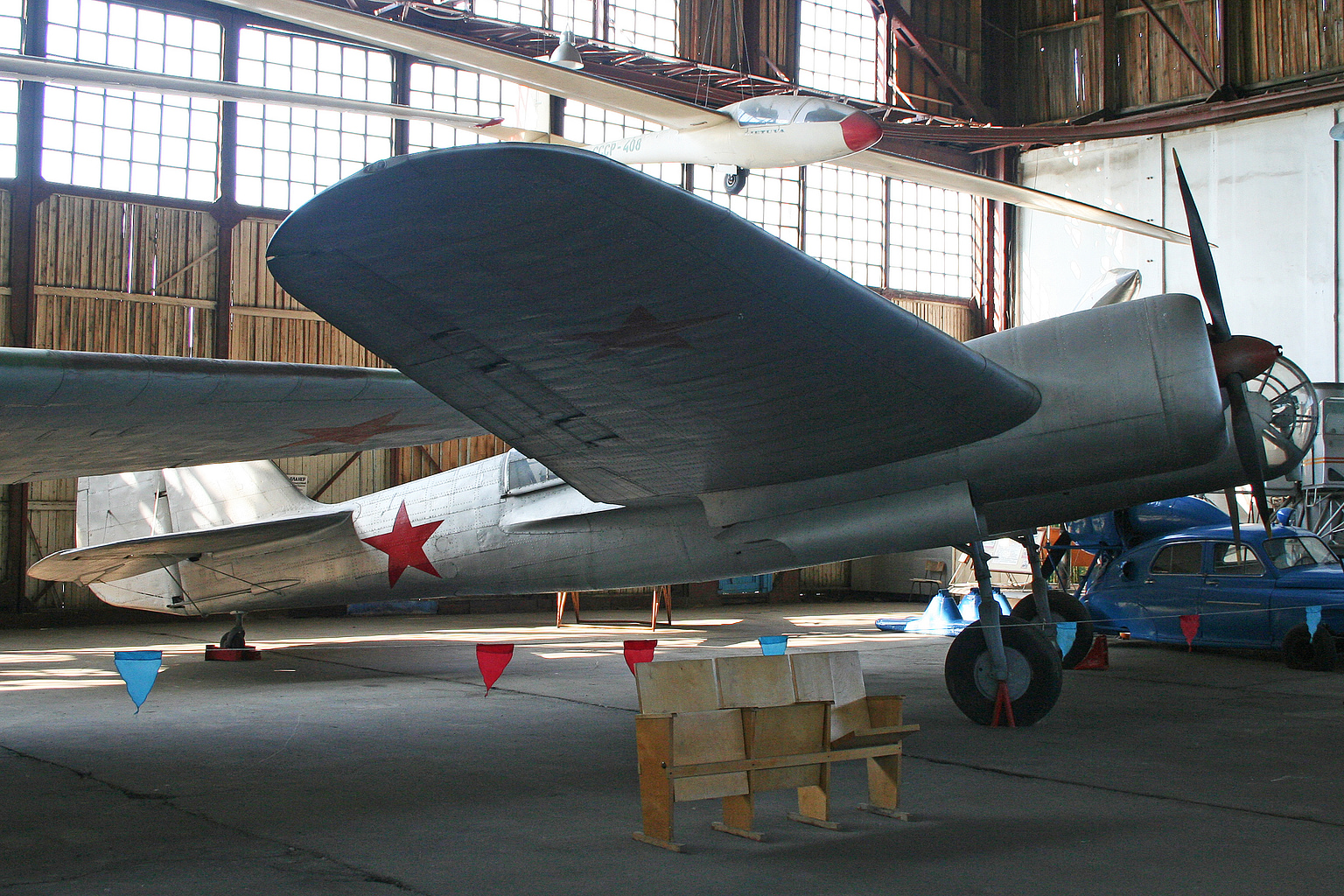
Tupolev SB
The fast bomber that briefly outran the fighters
A Soviet all-metal monoplane so quick that, when it appeared in 1934, most fighters in the world could not catch it — and so lightly defended that, seven years later, it was slaughtered wholesale.
The Tupolev SB: the Soviet bomber that briefly flew faster than the fighters chasing it
In the early 1930s the Soviet Union set out to build a skorostnoi bombardirovshchik — a “fast bomber” that would rely on sheer speed rather than guns or armour to survive. The result, designed by Andrei Tupolev’s bureau under the day-to-day leadership of Alexander Arkhangelsky and flown as the prototype ANT-40 in 1934, was one of the most advanced combat aircraft of its moment: a clean, all-metal, stressed-skin twin-engine monoplane at a time when much of the world still flew fabric-covered biplane bombers.
When the type entered service around 1936 as the إس بي (often written SB-2), it genuinely lived up to its name. With a top speed commonly cited at around 450 km/h, the SB could outrun most contemporary fighters in level flight. That advantage was showcased almost immediately in Spain, where Republican SBs — nicknamed the “Katiuska” — ranged over Nationalist territory with near impunity, until the arrival of the Messerschmitt Bf 109 abruptly ended the era of the untouchable bomber.
Through the late 1930s the SB was everywhere the Soviet Union projected air power. It fought in China against Japan, flown both by Soviet “volunteer” crews and the Chinese Air Force; it bombed Japanese forces at Khalkhin Gol in 1939; and it raided Finland during the Winter War, where Finnish fighters and flak began to take a heavy toll. Built in enormous numbers — usually estimated at more than 6,600 airframes, which makes it very likely the most-produced bomber of the 1930s — it was also licence-built in Czechoslovakia as the Avia B-71.
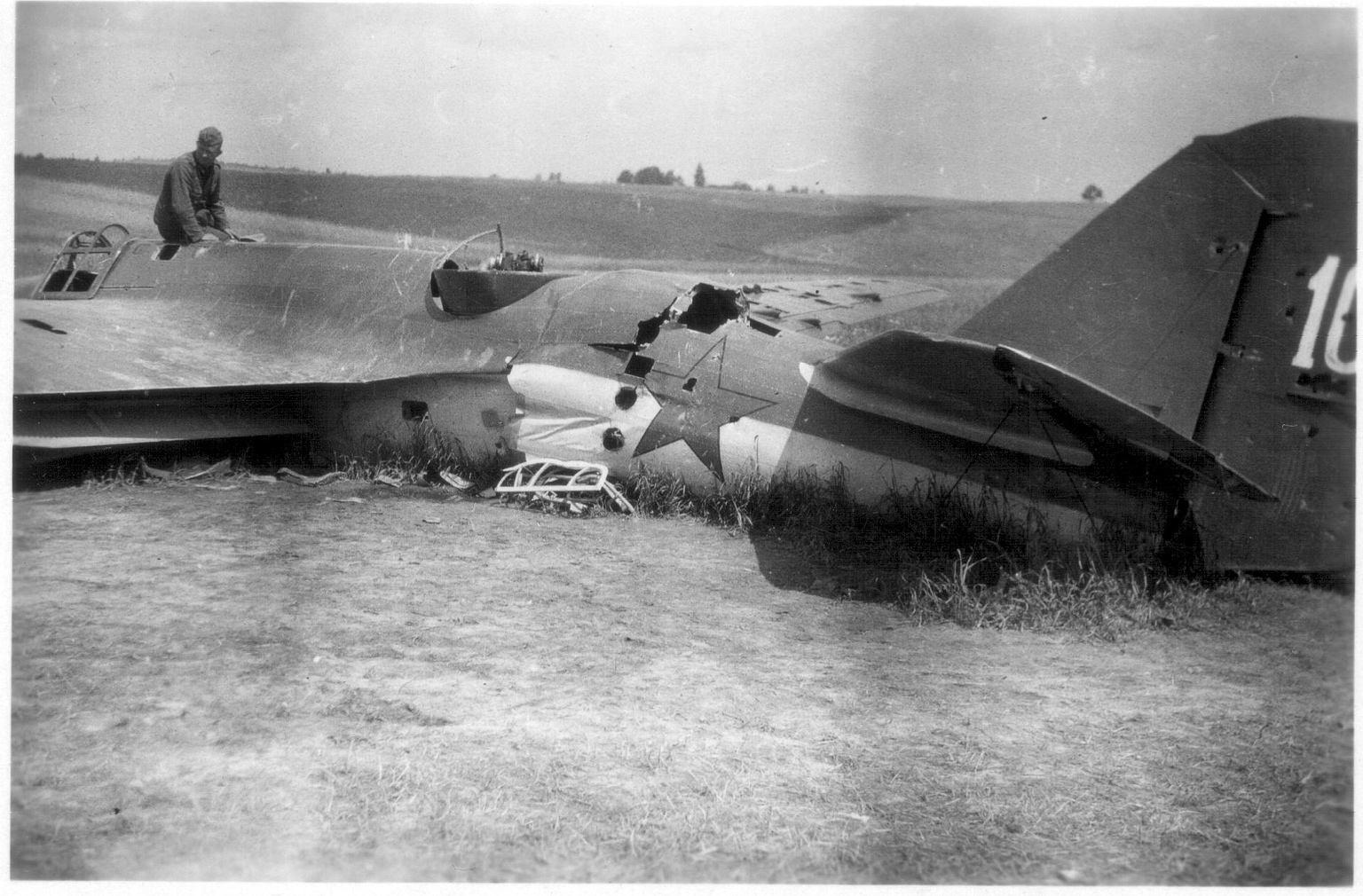
But an aircraft designed for speed in 1934 could not stay ahead of fighter development forever. By the time Germany launched Operation Barbarossa in June 1941, the SB was obsolete: too slow, too lightly armed, and too flammable. Sent out in daylight, often without fighter escort, SB regiments were cut to pieces by the Luftwaffe in the opening weeks of the invasion. Survivors were pushed into night operations and training roles, and the type faded from front-line service as newer bombers such as the Pe-2 took over. Its story is a compact parable of interwar aviation: the price of standing still while the technology race accelerates.
01The Tupolev SB’s names explained: ANT-40, SB, SB-2 and “Katiuska”
The aircraft carried several designations across its life. ANT-40 was the Tupolev design-bureau prototype designation (ANT for Andrei Nikolaevich Tupolev). In service it became the إس بي — from the Russian Skorostnoi Bombardirovshchik, “fast bomber” — and is widely referred to as the SB-2 in Western sources, with sub-variants such as the SB-2M-100, SB-2M-103 and the improved SB-bis. In Republican Spain it earned the nickname “Katiuska” (after a popular operetta of the day). Civil and transport conversions were designated PS-40 و PS-41. Designations and exact figures vary between sources, so treat sub-type numbers as approximate.
02Why the Tupolev SB mattered: an all-metal fast bomber ahead of its time
The SB was influential out of proportion to how it is remembered today. Its combination of monoplane layout, retractable undercarriage, all-metal construction and high speed pointed directly at the shape of the medium bombers that would fight the Second World War. It gave the Soviet Union a modern strike aircraft years before many rivals, and its performance in Spain forced fighter designers everywhere to take the “fast bomber” threat seriously. That the SB was then overtaken so completely by 1941 does not diminish how genuinely advanced it had been in 1934 — it simply shows how fast the pace of aviation was in that decade.
How the Tupolev SB was built for speed
A clean all-metal monoplane built around speed
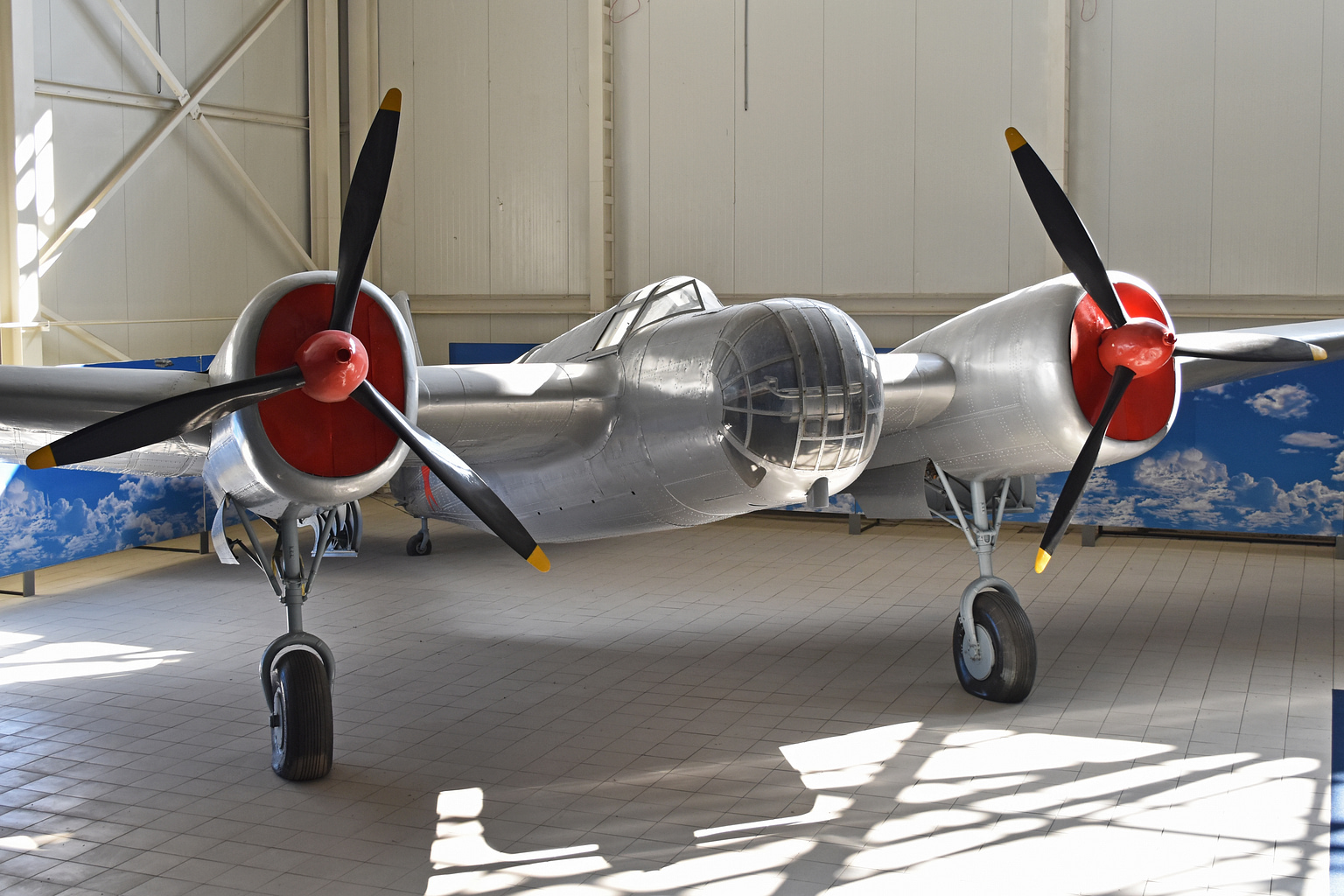
The SB was an all-metal, stressed-skin cantilever monoplane with a retractable undercarriage and a slim, aerodynamically clean fuselage — a generation ahead of the fabric biplane bombers it replaced. Speed, not protection, was the whole design philosophy.
Twin Klimov V12s, born from Hispano-Suiza
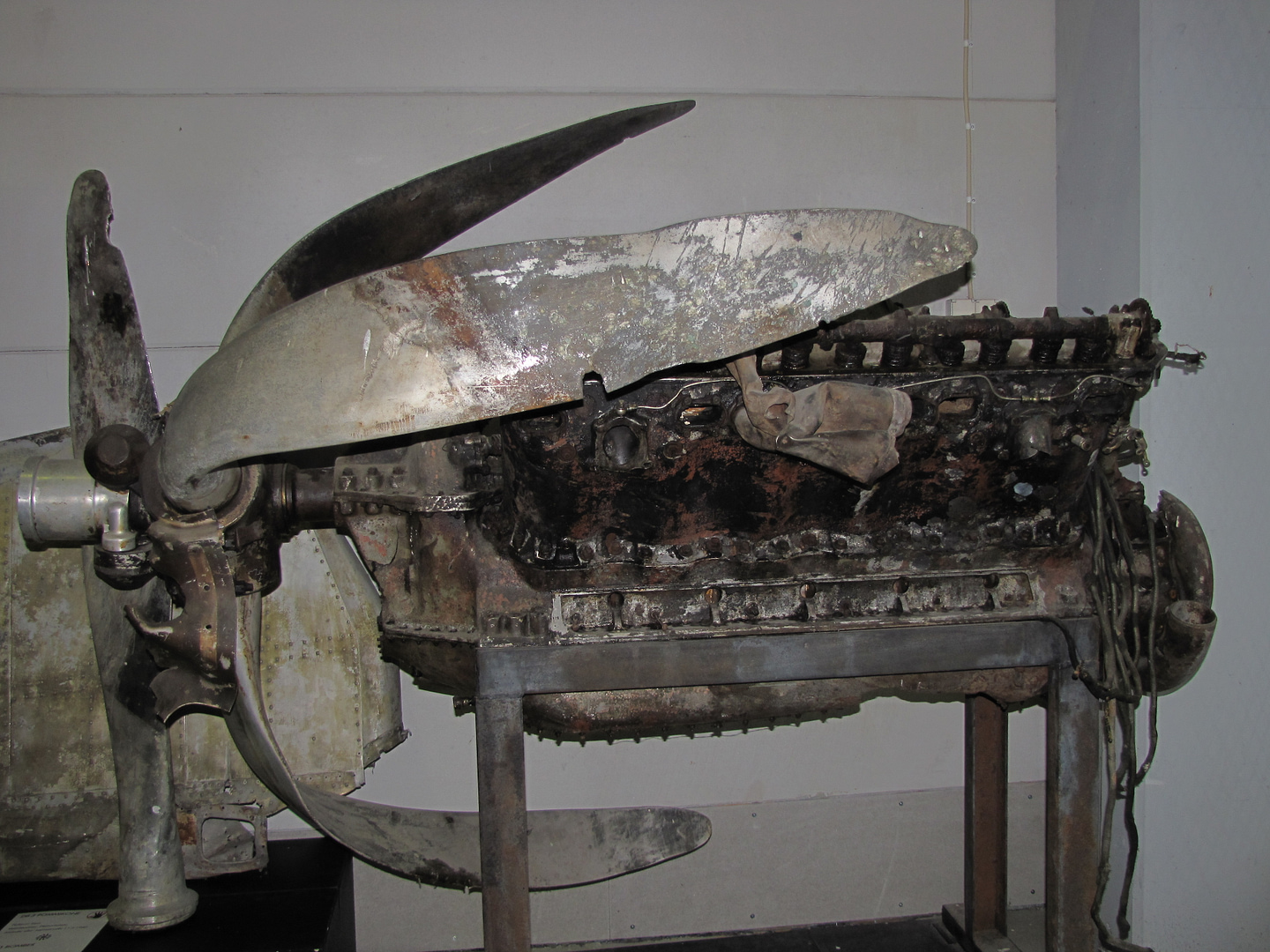
Power came from two Klimov M-100 and later M-103 liquid-cooled V12s — Soviet-built derivatives of the French Hispano-Suiza 12Y. The M-103 gave roughly 960 hp each, enough to push the light airframe to around 450 km/h.
Light guns, light bombs: the speed gamble
Defence was minimal: typically four 7.62 mm ShKAS machine guns and an internal bomb load of only around 600 kg. The bet was that no fighter could catch it — a bet that paid off in 1936 and failed catastrophically by 1941.
03The Tupolev SB’s engines: Klimov M-100 and M-103 explained
The SB’s engines trace directly to the Hispano-Suiza 12Y, licence-produced in the USSR by the Klimov works. Early aircraft used the M-100 (about 750–860 hp); later production switched to the more powerful M-103 (commonly cited around 960 hp), giving the definitive SB-2M-103 / SB-bis its best performance. The water-cooled V12s were relatively light and streamlined, which suited the fast-bomber concept, but their radiators and coolant lines were vulnerable to battle damage — a weakness that told heavily once fighters could catch the SB. Power figures vary by source and variant; treat them as approximate.
04The Tupolev SB’s fatal flaw: defensive weakness and vulnerability
Because the design assumed speed would keep it safe, the SB carried only a handful of rifle-calibre machine guns, no meaningful armour for the crew, and unprotected fuel tanks. When it could no longer outrun its attackers — against the Bf 109 in Spain, Finnish fighters in the Winter War, and the Luftwaffe in 1941 — those economies became lethal. Unescorted daylight formations were especially exposed, and losses in the opening phase of Barbarossa were among the heaviest suffered by any bomber type of the early war. The SB is often cited as a textbook example of how quickly an “untouchable” aircraft can become obsolete.
Tupolev SB specifications
Dimensions & weights
- طول
- ~12.3 m
- طول الجناحين
- ~20.3 m
- ارتفاع
- ~3.25 m (est.)
- منطقة الجناح
- ~56.7 m²
- الوزن الفارغ
- ~4,060 kg
- Loaded weight
- ~5,700–6,300 kg (variant-dependent)
- طاقم
- 3 (pilot, navigator/bombardier, gunner)
Performance, armament & cost
- Max speed
- ~450 km/h (M-103, estimated)
- سرعة الإبحار
- ~375 km/h (est.)
- سقف الخدمة
- ~9,000–9,560 m (est.)
- يتراوح
- ~1,600–2,300 km (est.)
- Powerplant
- 2 × Klimov M-100/M-103 V12, ~960 hp each (M-103)
- Defensive armament
- 4 × 7.62 mm ShKAS machine guns
- Bomb load
- ~600 kg internal (up to ~1,500 kg overload, est.)
- Number built
- ~6,600+ (most-produced 1930s bomber, est.)
- Unit cost
- Not reliably recorded (1930s)
- Cost per flight hour
- Not reliably recorded (1930s)
05The Tupolev SB’s operating costs: what a 1930s fast bomber cost to run
Unlike modern jets, the SB has no reliably recorded unit price or cost-per-flight-hour in accessible Western sources — Soviet 1930s industrial accounting was opaque, and figures that survive are inconsistent. What is clear is that the SB was deliberately designed for mass, low-cost production: it was simple enough to be turned out in the thousands at Factories No. 22 (Moscow) and No. 125 (Irkutsk), and cheap enough to be exported and licence-built abroad. For that reason we list its cost rows as “not reliably recorded (1930s)” rather than publish a spurious number.
06Variants of the Tupolev SB: SB-2M-100, SB-bis, Ar-2 and Avia B-71
Major variants included the early SB-2M-100 و SB-2M-100A; the improved SB-2M-103 / SB-bis with more power and refined aerodynamics; the transport conversions PS-40/PS-41; and the dive-bomber development Arkhangelsky Ar-2 (a deeper redesign sometimes treated as a separate type). Abroad, Czechoslovakia licence-built the SB as the Avia B-71, and examples later served with Bulgaria, Slovakia and — as captured aircraft — Finland and Germany. Variant designations and production splits differ between sources; the figures here are approximate.
The Tupolev SB from prototype to obsolescence
ANT-40 first flight
Tupolev’s fast-bomber prototype flies. Its all-metal monoplane layout and high speed mark it as one of the most modern combat aircraft in the world.
Service & Spain
The SB enters Soviet service and is rushed to Spain, where Republican “Katiuska” bombers outrun Nationalist fighters almost at will.
War in China
SBs reach China, flown by Soviet “volunteer” crews and the Chinese Air Force against Japanese forces.
The Bf 109 arrives
In Spain the Messerschmitt Bf 109 catches and kills SBs for the first time, ending the era of the untouchable fast bomber.
Khalkhin Gol & the Winter War
SB regiments bomb Japanese forces at Khalkhin Gol, then raid Finland in the Winter War — where losses to fighters and flak mount sharply.
Ar-2 dive-bomber
The Arkhangelsky Ar-2 dive-bomber derivative appears, an attempt to keep the ageing design relevant.
Barbarossa catastrophe
By the German invasion the SB is obsolete. Unescorted daylight regiments are cut to pieces by the Luftwaffe in the opening weeks of the war.
Night work & retirement
Surviving SBs are relegated to night bombing, transport and training as newer types replace them; a handful endure in museums today.
Twelve things worth knowing about the Tupolev SB
The “Katiuska” that outran everything
For a while over Spain, no Nationalist fighter could catch it.
How the SB dominated early Spanish skies
The day the Bf 109 changed the maths
A new German fighter finally ran the SB down.
Why one aircraft ended the SB’s reign
Soviet “volunteers” over China
SBs fought Japan years before Pearl Harbor.
The SB’s long, half-forgotten war in Asia
Bombing at the edge of the map
High over the Mongolian steppe in 1939.
The SB at the Khalkhin Gol border war
Raiding Finland in the snow
Finnish fighters and flak began to bite hard.
The Winter War and the SB’s rising losses
The massacre of the SB regiments
Barbarossa turned the fast bomber into a target.
How catastrophic the 1941 losses really were
The most-produced bomber of the 1930s
More than six thousand were built.
Just how many SBs came off the line
Built in Czechoslovakia as the Avia B-71
A Soviet bomber made under Western skies.
The Avia B-71 and other export SBs
Flown by its enemies
Finland and Germany used captured SBs.
The SB in Finnish and German hands
A French engine with a Soviet accent
The V12s were Hispano-Suiza in origin.
The Klimov M-100/M-103 story
The dive-bomber that tried to save it
A redesign chased relevance as the SB aged.
From SB to Arkhangelsky Ar-2
The few that are left
A handful survive in Russian museums.
Where you can still see a Tupolev SB
The Tupolev SB in pictures
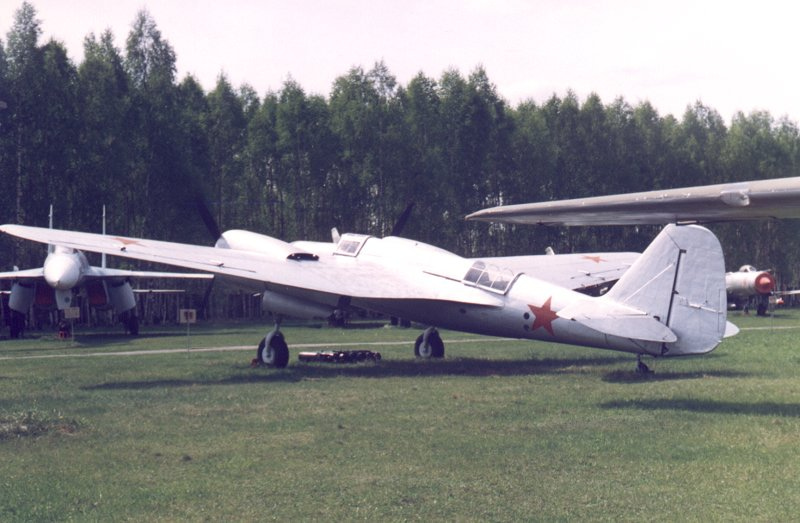
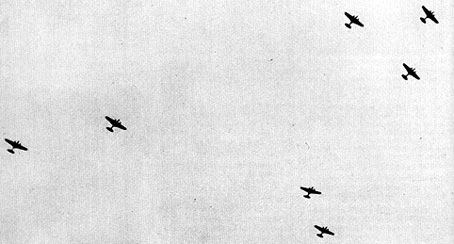
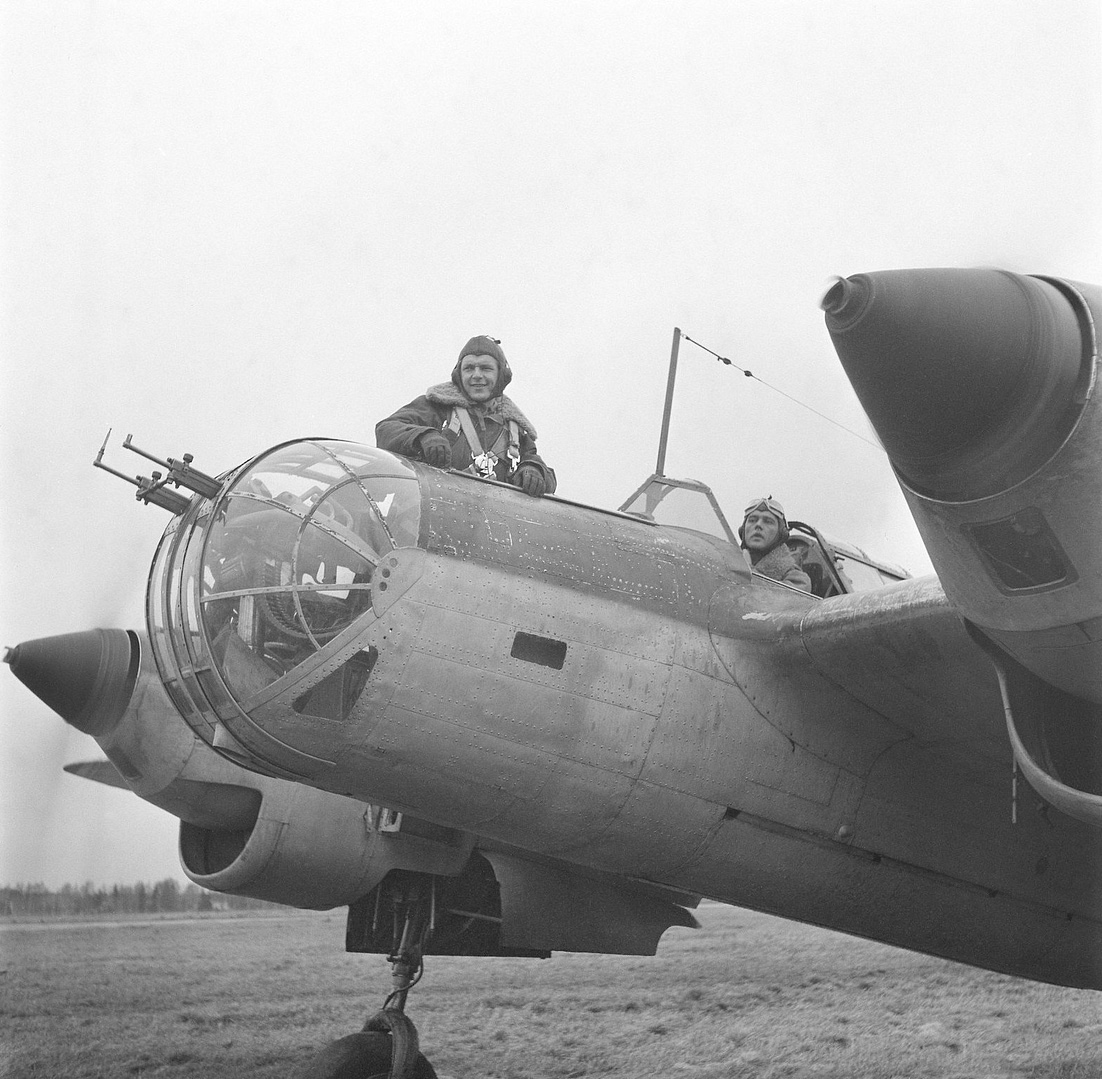
The Tupolev SB in one short history
“Tupolev SB – The Soviet Bomber That Changed the Skies” (Iron Wings Archive). A concise type overview; note that this is a niche aviation-history channel with a modest audience (a few thousand views) — no large-scale documentary of the SB exists, which is itself telling of how overlooked this once-revolutionary bomber has become.
Where the Tupolev SB flew and fought
The Tupolev SB in combat
Few aircraft packed so much combat into a short front-line life. The SB fought in Spain, China, at Khalkhin Gol and in the Winter War before the Second World War even began — then paid a terrible price in 1941, when the fast bomber of 1934 had become an easy target. Figures below are best estimates and vary between sources.
Tupolev SB: your questions answered
Can I fly in a Tupolev SB?
No. The Tupolev SB is a retired 1930s bomber with only a few static survivors in museums, and MiGFlug does not offer flights in one — there is no airworthy example on any public flight line. However, you can fly in several genuine military jets today, from the L-39 Albatros to the MiG-29. See what is currently bookable at migflug.com/flights-prices.
Was the Tupolev SB really faster than fighters?
Yes — at first. When it entered service around 1936, the SB’s top speed of roughly 450 km/h exceeded that of most fighters then in service, so in level flight it could simply outrun interceptors. That advantage was real but temporary: the Messerschmitt Bf 109, which appeared in Spain, could catch it, and by 1941 the SB was slower than every front-line fighter it faced.
What does “SB” mean, and what are ANT-40 and SB-2?
إس بي stands for Skorostnoi Bombardirovshchik — Russian for “fast bomber.” ANT-40 was the Tupolev design-bureau prototype designation, and SB-2 is the common Western name for the production aircraft. They all refer to the same basic type.
Why did the Tupolev SB suffer such heavy losses in 1941?
The SB was designed on the assumption that speed alone would protect it, so it had light defensive armament, no crew armour and unprotected fuel tanks. By 1941 it was slower than German fighters, and Soviet regiments were often sent out in daylight without escort. The result was catastrophic losses in the opening weeks of Operation Barbarossa. Exact loss figures vary between sources.
What engines did the Tupolev SB use?
Two Klimov M-100 and later M-103 liquid-cooled V12 engines — Soviet-built derivatives of the French Hispano-Suiza 12Y. The M-103 produced roughly 960 hp each. Power figures vary slightly between sources and sub-variants.
What was the Avia B-71?
ال Avia B-71 was the Tupolev SB built under licence in Czechoslovakia. Around 60–66 were produced there, in addition to Soviet-supplied machines; examples later served with Bulgaria and Slovakia. It is a rare instance of a Soviet combat aircraft being manufactured in central Europe.
How many Tupolev SBs were built?
Production is usually estimated at more than 6,600 aircraft, with some sources citing figures approaching 6,900 including licence-built examples. That very likely makes the SB the most-produced bomber of the 1930s. As with most Soviet interwar figures, exact totals are uncertain, so treat the number as an estimate.
Are there any surviving Tupolev SBs?
Only a few. Static aircraft, restored from wrecks recovered in Russia, are displayed at the Central Air Force Museum at Monino and at Verkhnyaya Pyshma. Claims of a fully airworthy, currently-flying SB circulate online, but we could not firmly verify one — so we treat the “airworthy survivor” story with caution.
The SB is grounded for good.
These fighters are not.
You can’t strap into a 1930s Soviet fast bomber — but you can fly a real military jet today. Pick your aircraft and your country:
 Fly the L-39 AlbatrosThe world’s most-flown jet trainer — aerobatics included
 Fly the F-104 Starfighter“The missile with a man in it”
 Fly the MiG-21The Cold War’s most-produced jet
 حلّق بطائرة تي-33 شوتينغ ستارAmerica’s first jet trainer
 Fly the DH VampireA piece of early jet history
 Fly the S.211Agile Italian jet trainer
 Fly the MB-326The classic Aermacchi jet
 Fly the MiG-15The Soviet legend of the Korean War
More Soviet warplanes
Sources & further reading
- Smithsonian National Air and Space MuseumReference collection and context on interwar and Soviet military aviation.
- Imperial War MuseumsBackground on the Spanish Civil War, the Winter War and the air war in the East.
- Military Factory: Tupolev SB-2Specifications, variants and production overview for the SB fast bomber.
- Pacific Eagles: Tupolev SBDetailed account of the SB’s long combat career in China against Japan.
- WarHistory.org: Tupolev SBNarrative history of the SB’s development and wartime service.
- Central Air Force Museum, MoninoHome of one of the few surviving Tupolev SB airframes on public display.
- Gordon & Rigmant, “OKB Tupolev” (Midland Publishing)Standard English-language reference on Tupolev designs including the ANT-40/SB.
- MiGFlug flights & pricesThe genuine military jets you can actually fly today — the SB is not one of them.