
Robert Thelen’s streamlined plywood fighter — the premier German scout of early 1917, twin-Spandau armed and flown by von Richthofen and the elite Jagdstaffeln.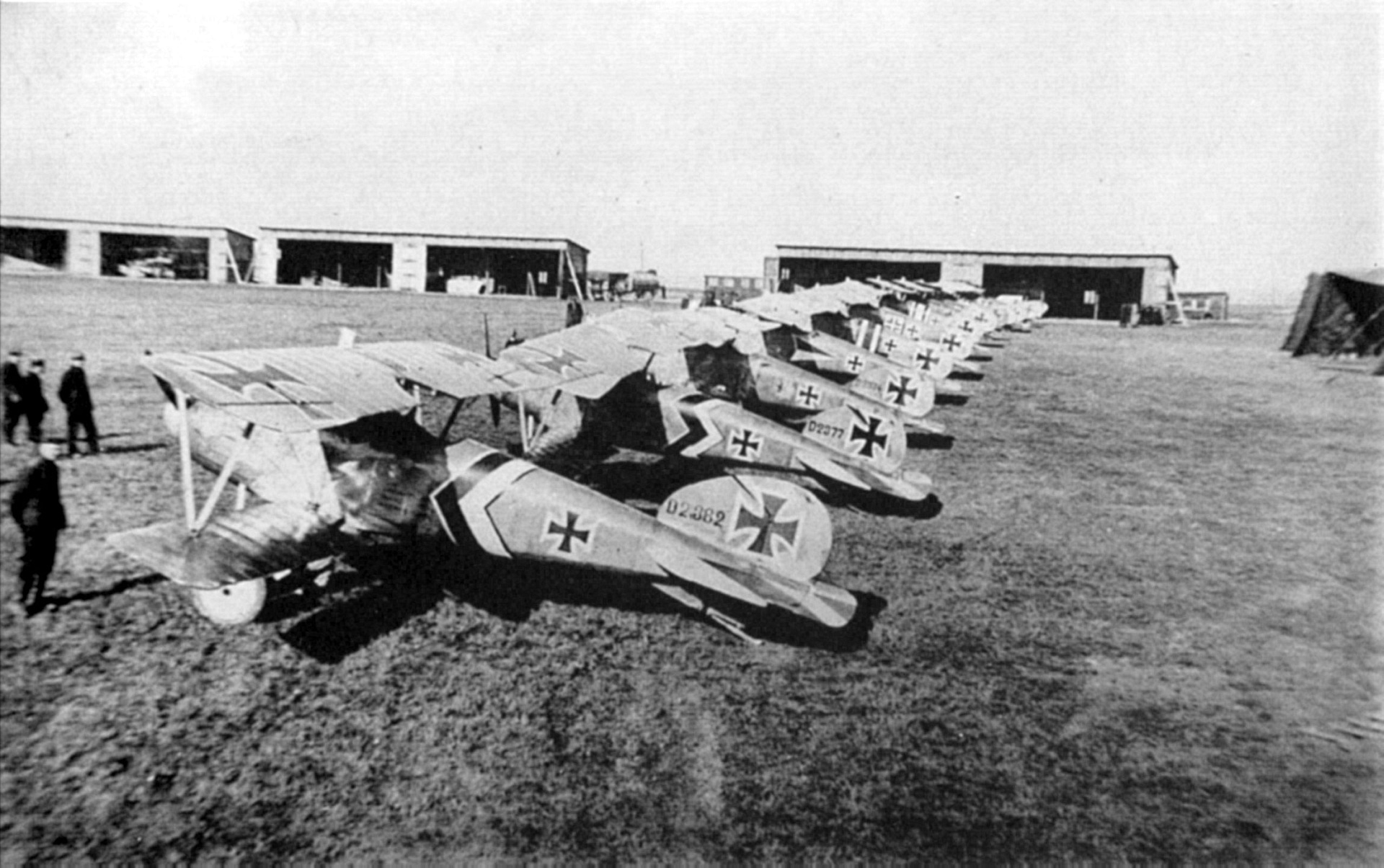
Albatros D.III
“The scout that ruled the skies over Bloody April 1917”
The Albatros D.III: how a plywood scout gave Germany back the sky in 1917
In the winter of 1916–17 the German Luftstreitkräfte needed a fighter that could claw back control of the Western Front from the nimble French Nieuport scouts and the new Allied fighters. Albatros Flugzeugwerke, whose D.I and D.II had already introduced a fast, gun-heavy formula, answered with the Albatros D.III. Reaching the Jagdstaffeln from December 1916, it became the dominant German fighter of early 1917 — and the aircraft that made “Bloody April” 1917 a catastrophe for Britain’s Royal Flying Corps.
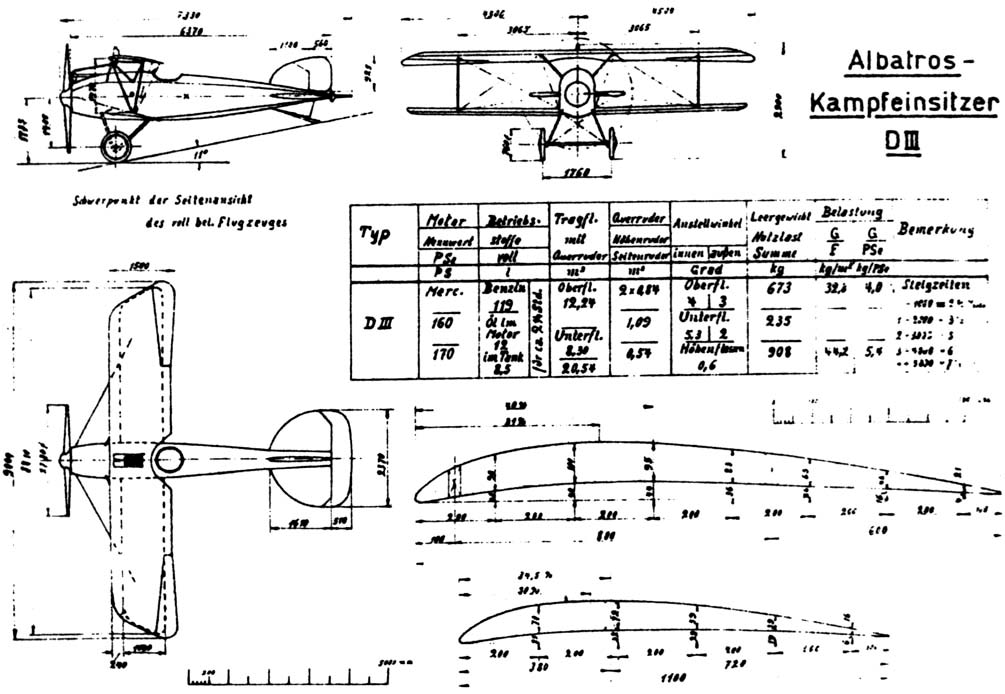
The D.III’s great strength was its fuselage: a semi-monocoque shell of thin plywood formed over a light wooden frame — smooth, strong and streamlined at a time when most fighters were fabric stretched over a wire-braced box. Behind the neat nose sat the six-cylinder water-cooled Mercedes D.IIIa of roughly 160–170 hp, and ahead of the pilot were two synchronised 7.92 mm lMG 08/15 “Spandau” machine guns — heavy firepower for 1917 that let Albatros pilots open fire early and keep firing.
To recover the agility of the Nieuports, Albatros borrowed the French idea of a sesquiplane: a narrow, single-spar lower wing braced by V-struts. It worked — but it introduced the type’s notorious flaw. The slender lower wing could flex and twist, and in a prolonged or high-speed dive the leading edge or spar could crack or fail. Pilots — von Richthofen among them — reported lower-wing cracking, and crews were warned against violent diving. It never wrecked the type’s reputation, but it is the honest caveat in any account of the D.III.
The pilots who flew it read like a roll-call of the era’s aces. Manfred von Richthofen — the “Red Baron” — scored heavily on the D.III before moving to the Albatros D.V and later the Fokker Dr.I; Werner Voss, Ernst Udet, Kurt Wolff and Karl Emil Schäfer all flew it too. Austria-Hungary built its own version under licence at Oeffag — stronger, often with a rounded spinner-less nose and more power — and many historians rate the Oeffag machines above the German originals. Roughly 1,866 were built in Germany, with several hundred more from Oeffag; some soldiered on after the war, including with Poland.
01The Albatros D.III’s origins: from the D.I and D.II to a Nieuport-inspired sesquiplane
Albatros’ chief designer Robert Thelen built the D.I and D.II in mid-1916 around two ideas: a streamlined plywood fuselage and twin synchronised guns. They were fast and hit hard, but they were out-turned by the nimble Nieuports.
For the D.III, Albatros kept the fuselage and the Mercedes engine but redesigned the wings, adopting the French sesquiplane layout — a full-chord upper wing and a narrow single-spar lower wing joined by V-struts — to sharpen manoeuvrability. The result reached the Jagdstaffeln from December 1916 and became the standard German fighter of early 1917.
What makes the Albatros D.III special
A plywood shell that was fast y strong
The D.III’s semi-monocoque plywood fuselage was the Albatros signature: thin ply skins moulded over formers into a smooth, rigid oval shell. It cut drag, added strength and gave the fighter its unmistakable elegant profile — a genuine engineering advantage over rival fabric-and-wire designs.
A Nieuport-style wing — agility at a price
To out-turn the French scouts, Albatros fitted a sesquiplane lower wing: narrow, with a single spar and V-struts. It sharpened the handling, but the slender wing could flex and fail in a hard dive — the one deep flaw the pilots learned to fly around.
Twin Spandau guns you aimed with the aeroplane
Two belt-fed 7.92 mm lMG 08/15 “Spandau” guns fired through the propeller arc via synchronising gear. Doubling the standard armament of the day, the D.III let its pilot point the whole aircraft and deliver a concentrated, sustained burst.
02The Albatros D.III’s plywood fuselage: how semi-monocoque construction made it fast and strong
Where rival scouts were fabric stretched over a wire-braced wooden box, the Albatros used a semi-monocoque shell — thin plywood skins wrapped and glued over a series of formers to make a smooth, load-bearing oval. It was stiffer, cleaner aerodynamically, needed less internal bracing and gave the D.III its distinctive elegant shape.
The nose held the water-cooled Mercedes; early machines used a nose radiator, later ones a wing-mounted Teves & Braun unit offset to starboard. The construction was labour-intensive, but it produced one of the best-looking and most rigid fuselages of the war — a real advantage in speed and dive strength (whatever the lower wing did).
03The Albatros D.III’s guns and engine: twin Spandau firepower and the Mercedes D.IIIa
The D.III carried two 7.92 mm lMG 08/15 “Spandau” machine guns — lightened aircraft Maxims — synchronised to fire through the propeller arc. Twin guns were still comparatively new in early 1917; many Allied scouts carried only one. Belt-fed, they delivered a heavy, sustained volume of fire.
Power came from the six-cylinder inline water-cooled Mercedes D.IIIa of roughly 160–170 hp — reliable and torquey, well suited to the heavier Albatros. It gave a solid rate of climb and, importantly for 1917, a strong showing at altitude, where the Jagdstaffeln liked to fight.
04The Albatros D.III’s lower-wing weakness: why the sesquiplane could fail in a dive
This is the caveat every honest account must include. The narrow, single-spar lower wing copied from the Nieuport saved weight and improved both the view and the turn — but it lacked torsional rigidity. Under the loads of a prolonged or high-speed dive it could flutter and twist, and the leading edge or spar could crack or break away.
Several pilots experienced it, von Richthofen among them, whose lower wing cracked in flight in early 1917; the Jagdstaffeln were warned not to hold steep dives. Albatros added a strut and reinforcement but never entirely cured it — and the same weakness carried into the D.V. Austria-Hungary’s Oeffag-built machines, with a strengthened wing structure, largely solved the problem.
Albatros D.III specifications
Figures are for the standard German-built Albatros D.III with the Mercedes D.IIIa. Sources differ on several values — contested or approximate figures are marked. Oeffag-built machines were heavier, more powerful and structurally stronger.
Airframe & Performance
- Multitud
- 1 — pilot
- Longitud
- ~7.33 m (24 ft 1 in)
- Upper wingspan
- ~9.05 m (29 ft 8 in)
- Altura
- ~2.98 m (9 ft 9 in)
- Área del ala
- ~20.5 m²
- Empty / loaded weight
- ~661 kg / ~886 kg
- Max speed
- ~175 km/h (109 mph) at sea level; ~165 km/h at altitude
- Techo de servicio
- ~5,500 m (~18,000 ft)
- Climb / endurance
- ~1,000 m in ~4 min; ~2 hours
Propulsion, Armament & Production
- Motor
- 1 × Mercedes D.IIIa inline-six, ~160–170 hp
- Engine type
- 6-cylinder water-cooled inline
- Armamento
- 2 × synchronised 7.92 mm lMG 08/15 “Spandau”
- First flight / service
- Aug–Sep 1916; front-line service from December 1916
- Built
- ~1,866 (Albatros & OAW); several hundred more by Oeffag — figures vary
- Manufacturers
- Albatros Flugzeugwerke & OAW (Germany); Oeffag (Austria-Hungary, licence)
- Unit cost
- Not reliably recorded (1917 procurement)
- Cost per flight hour
- ~low thousands USD (modern airworthy-replica operating estimate)
05The Oeffag Albatros D.III: how Austria-Hungary built a stronger, better Albatros
Under licence, the Oesterreichische Flugzeugfabrik AG (Oeffag) at Wiener-Neustadt built the D.III for the Austro-Hungarian k.u.k. Luftfahrtruppen — and improved it. Oeffag strengthened the lower-wing attachment, fitted more powerful Austro-Daimler engines (185 hp in the series 153, up to 225 hp in the series 253) and, after tests showed the propeller spinner could detach, deleted it for a neat rounded nose that actually improved performance.
Many historians regard the Oeffag machines as the best of the D.III family. Godwin Brumowski, Austria-Hungary’s top ace, flew one. A genuine Oeffag D.III survives today in the Polish Aviation Museum in Kraków — one of the very few original Albatros D.IIIs left in the world.
06The Albatros D.III’s cost: what a 1917 fighter was worth — and what a replica costs to fly
Per-aircraft procurement prices for German fighters of 1917 were not reliably recorded in a way that converts into a meaningful modern figure, and wartime Reichsmark costs vary between sources — so any single “price” for a D.III should be treated with caution and is best flagged as an estimate.
What can be said with more confidence is the cost of flying one hoy. Operating an airworthy Albatros reproduction — hand-built, with a vintage or replica inline engine — is broadly comparable to other WWI reproductions, commonly estimated in the low thousands of dollars per flying hour once maintenance, insurance and fuel are counted. Treat that as indicative, not a quotation.
The Albatros D.III through the war
The D.I and D.II set the formula
Robert Thelen’s Albatros scouts reach the front — fast, plywood-bodied and armed with twin synchronised guns, but out-turned by the lighter Nieuports.
The D.III takes shape
Albatros keeps the fuselage and Mercedes engine but adds a Nieuport-style sesquiplane lower wing for agility. The prototype flies in the late summer of 1916.
First D.IIIs reach the Jagdstaffeln
The type enters front-line service and rapidly becomes the standard German fighter, equipping the elite Jastas over the Western Front.
Richthofen — and a cracked wing
Manfred von Richthofen takes command of Jasta 11 and flies an all-red D.III; he wins the Pour le Mérite. In flight, his lower wing cracks — an early sign of the sesquiplane flaw.
“Bloody April”
Albatros D.IIIs and D.IIs savage the Royal Flying Corps over Arras. German air superiority peaks; RFC losses are catastrophic.
Oeffag builds a better Albatros
Austria-Hungary’s licence-built Oeffag D.III enters service — stronger wing, more powerful Austro-Daimler engines and, later, a spinner-less rounded nose.
The D.V supersedes it
The Albatros D.V and D.Va replace the D.III on the Western Front, faster in a shallow dive but carrying the same lower-wing weakness.
A post-war afterlife
Ex-Oeffag D.IIIs fly on with newly independent Poland in the Polish–Soviet War; a handful of survivors eventually reach the world’s museums.
The Albatros D.III in the words of those who flew it
Von Richthofen’s red Albatros
The Red Baron scored the bulk of his early victories in a scarlet D.III.
Read the full story
The month the RFC dreaded
April 1917 was the worst month the Royal Flying Corps would know.
Read the full story
Why the aces feared a hard dive
Pilots were told not to hold a steep dive in the D.III.
Read the full story
Brumowski and the Oeffag Albatros
Austria-Hungary’s top ace flew a licence-built Oeffag D.III.
Read the full story
Ernst Udet’s early kills
The future 62-victory ace cut his teeth on the D.III.
Read the full story
A natural in the Albatros
Voss ran up victories on the Albatros before his legendary last fight.
Read the full story
The slight man of Jasta 11
One of Richthofen’s proteges scored heavily during Bloody April.
Read the full story
A hard-charging Jasta 11 pilot
Schäfer piled up victories on the D.III before falling in June 1917.
Read the full story
Why it looked so modern
Contemporaries admired the Albatros’ smooth plywood shell.
Read the full story
The Allies get their hands on one
British and French pilots flew captured D.IIIs to learn their tricks.
Read the full story
Albatros over Palestine
The D.III also fought far from the Western Front.
Read the full story
The last real D.III
A genuine Oeffag D.III still survives in Poland.
Read the full story
The Albatros D.III in pictures
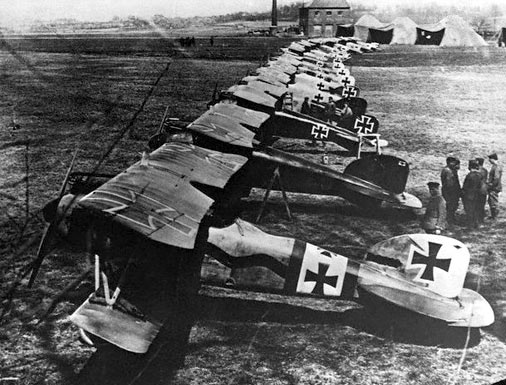
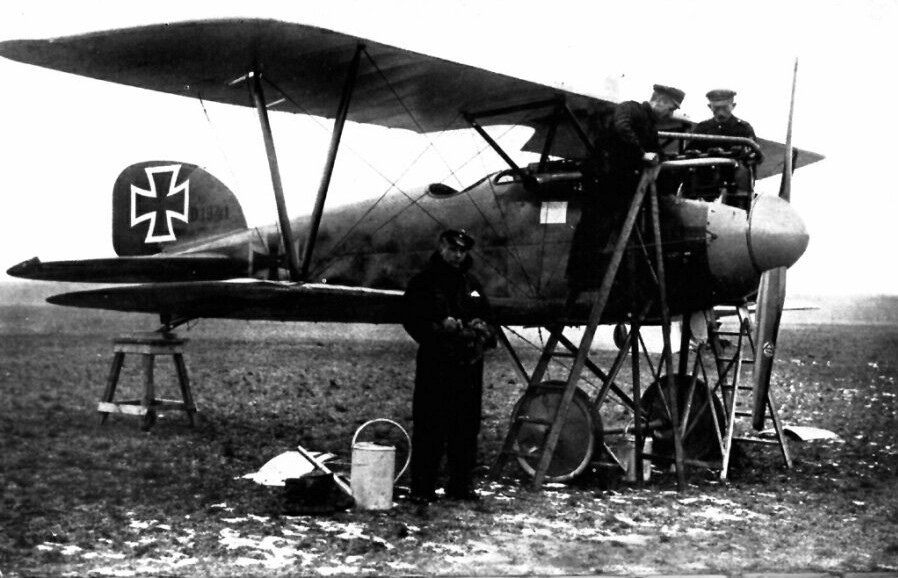
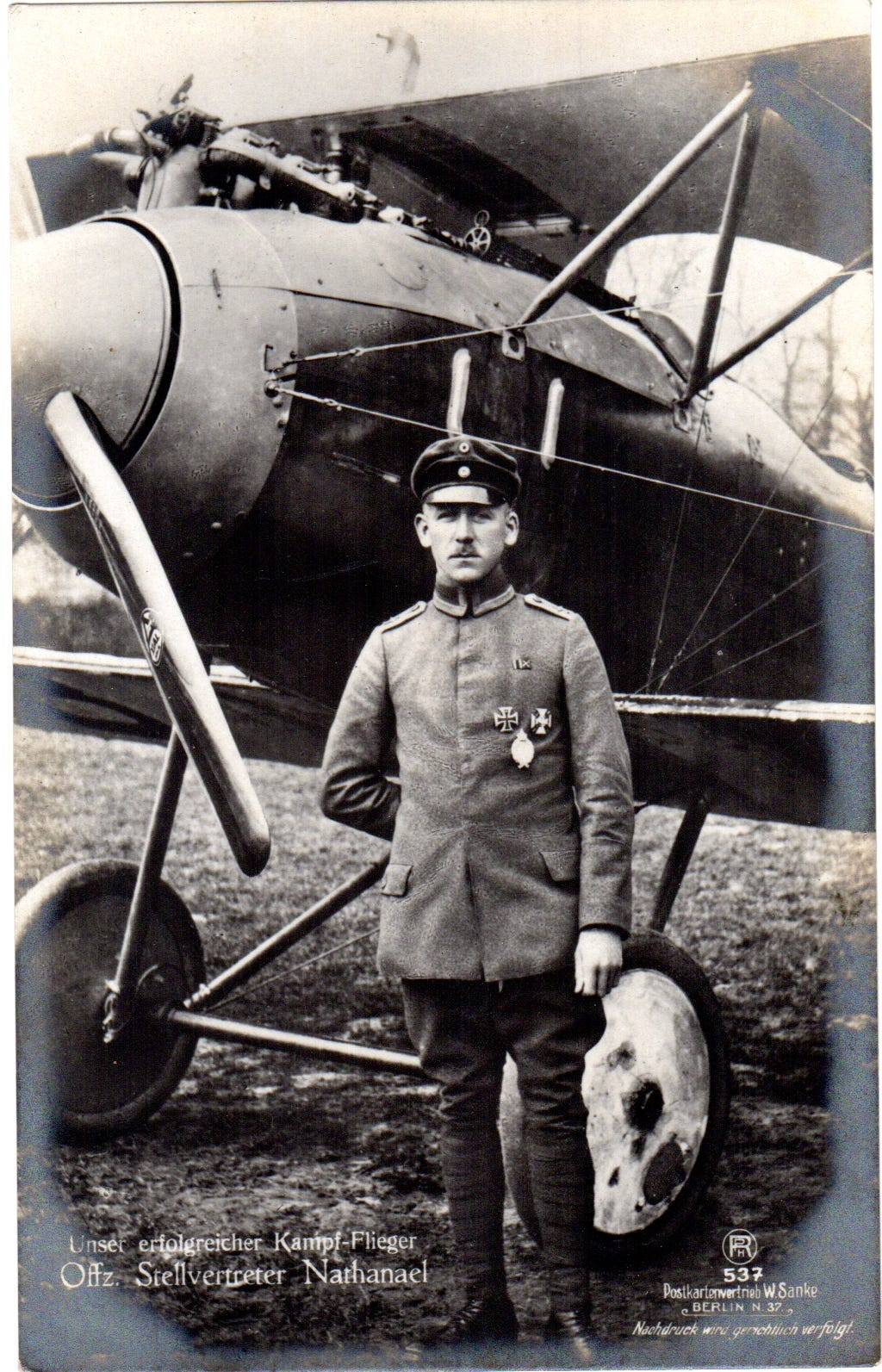
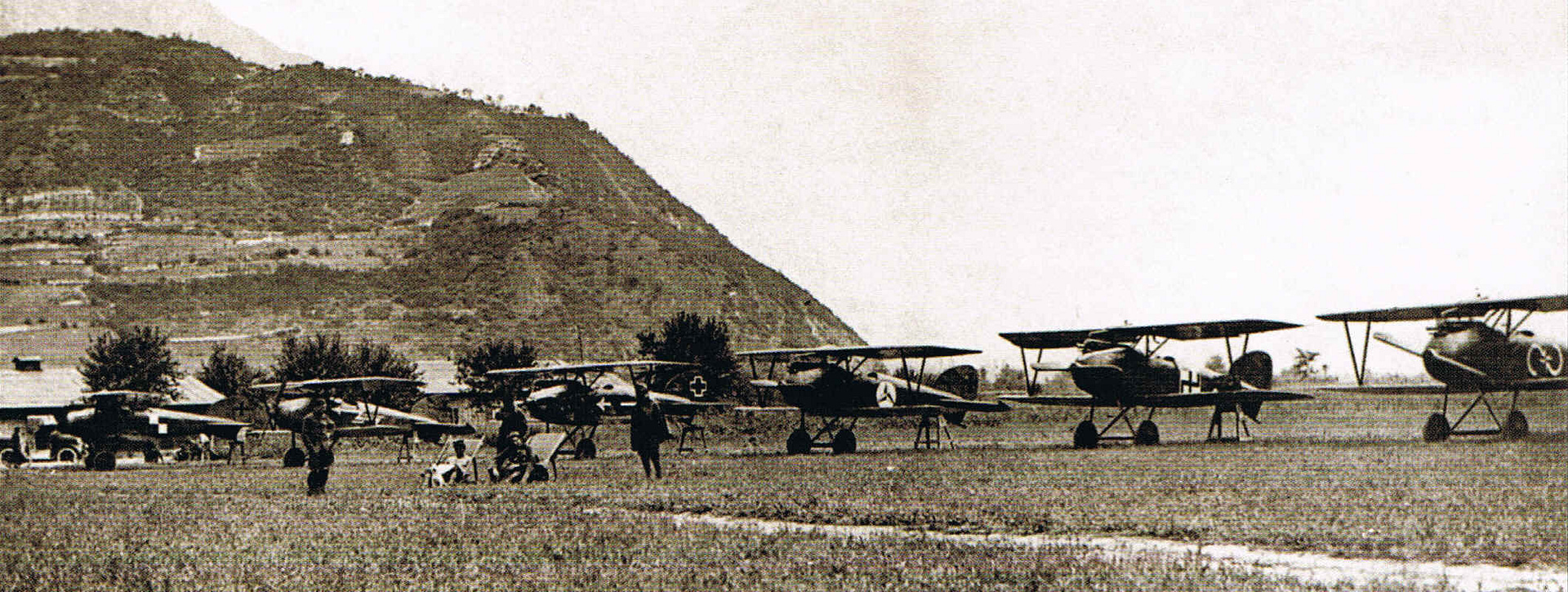
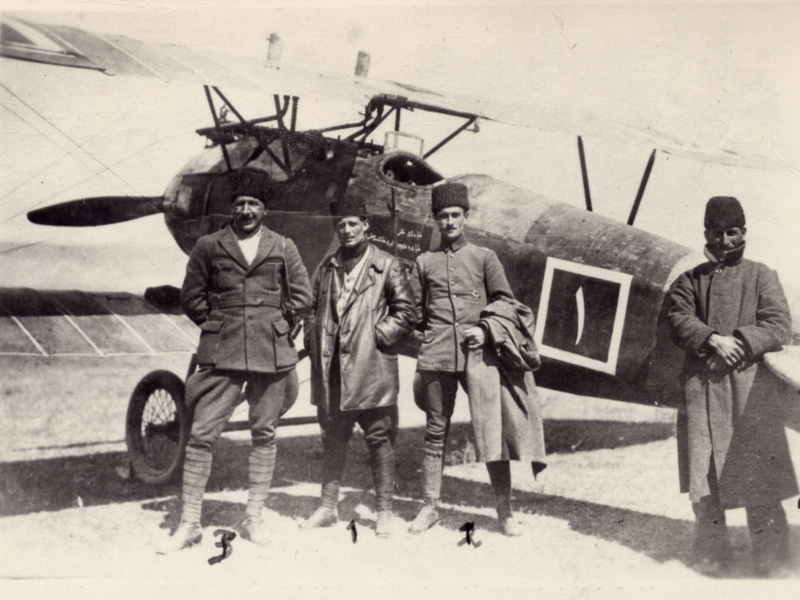
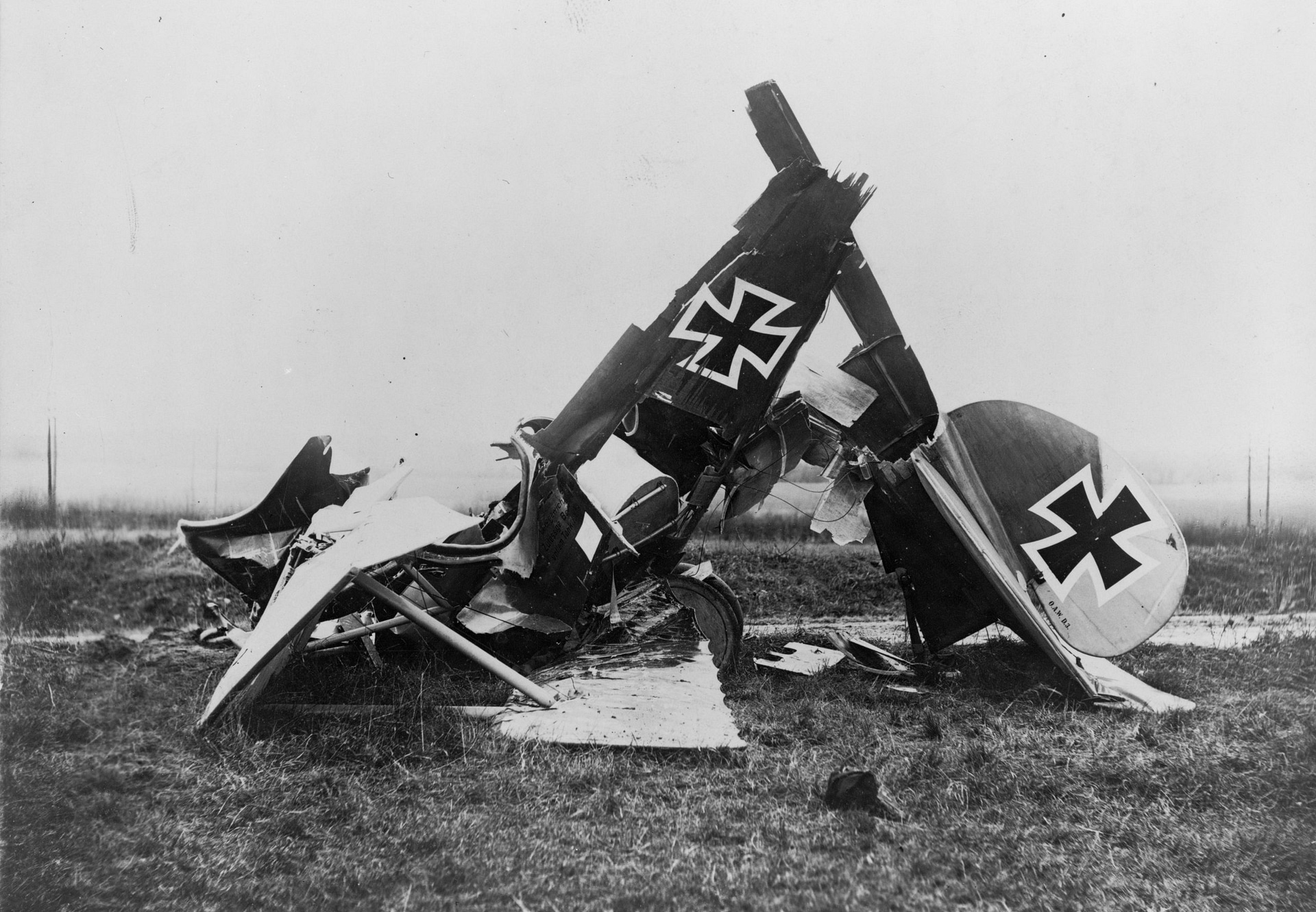
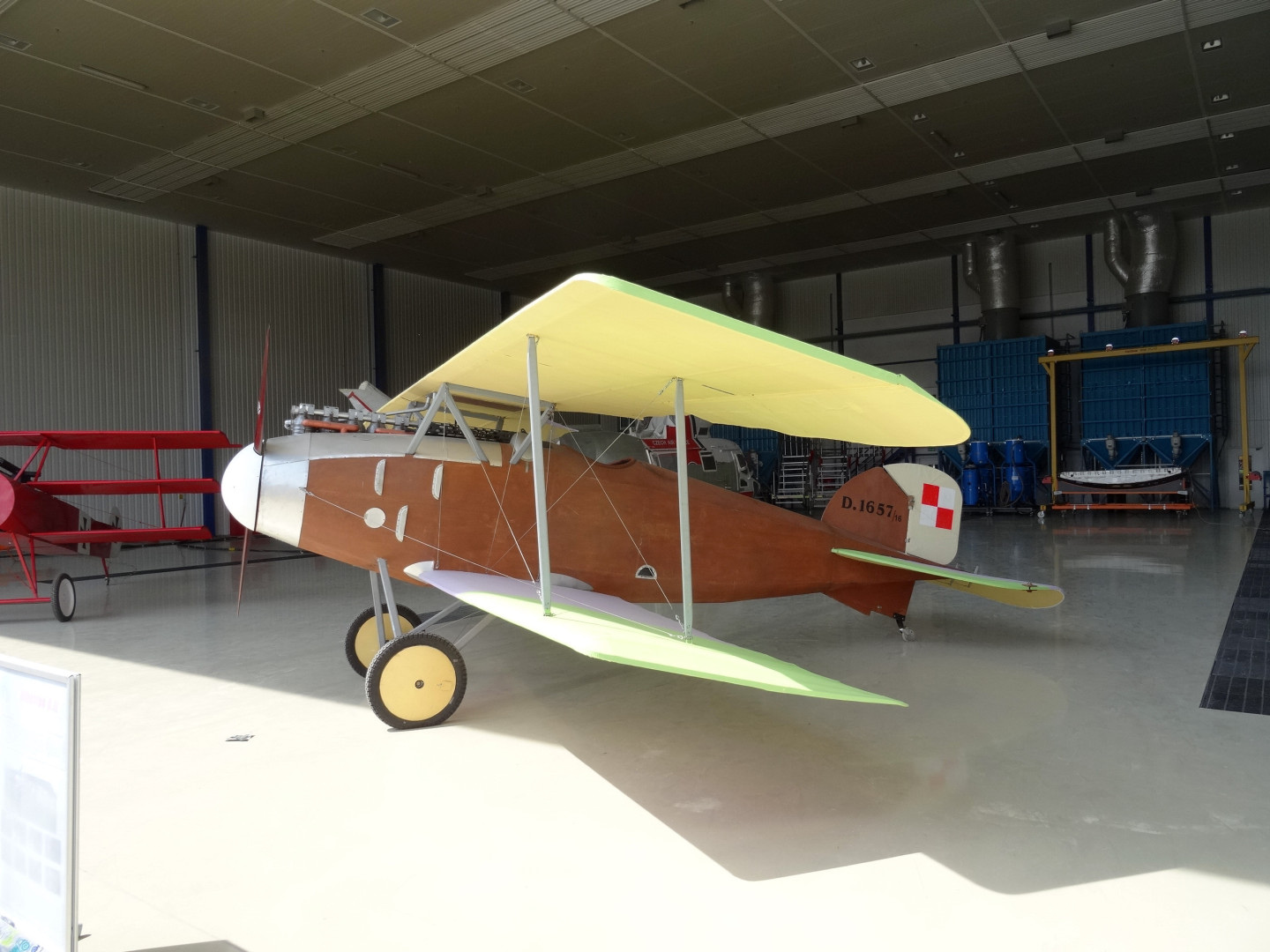
The Albatros D.III in the air
A detailed cockpit walk-through of the Albatros D.Va — the D.III’s near-identical successor, sharing the same plywood fuselage, Mercedes engine and controls — by the Military Aviation History channel (240,000+ views).
Where the Albatros D.III flew
Designed and built in Germany and fought over the Western Front, the Alps and the Middle East, the Albatros D.III was flown by the Central Powers and, licence-built by Oeffag, by Austria-Hungary. Toggle the categories to see where it originated, fought, served after 1918 and survives today.
The record the Albatros D.III left behind
Production and victory figures from the First World War are inherently uncertain: records are incomplete and sources disagree. Totals here follow commonly cited references and should be read as best estimates, not exact counts.
Albatros D.III: your questions answered
Can I fly in an Albatros D.III?
Was the Albatros D.III really the Red Baron’s aircraft?
Why did the Albatros D.III’s lower wing sometimes fail?
How fast was the Albatros D.III, and how was it armed?
What was “Bloody April”?
How many Albatros D.IIIs were built, and do any survive?
You can’t fly the Albatros D.III.
These, you can.
Some legends only live in museums — others are fuelled, warmed up and waiting. You can’t strap into an Albatros D.III, but MiGFlug can put you in the cockpit of a genuine fighter jet, from the L-39 Albatros to the mighty MiG-29.
 Fly the L-39 AlbatrosThe world’s most-flown jet trainer — aerobatics included
 Fly the F-104 Starfighter“The missile with a man in it”
 Fly the MiG-21The Cold War’s most-produced jet
 Vuela el T-33 Shooting StarAmerica’s first jet trainer
 Fly the DH VampireA piece of early jet history
 Fly the S.211Agile Italian jet trainer
 Fly the MB-326The classic Aermacchi jet
 Fly the MiG-15The Soviet legend of the Korean War
Explore more of the collection
Every fact, checked
- Smithsonian National Air and Space Museum — Albatros D.VaThe surviving D-series airframe: semi-monocoque plywood construction, Mercedes engine and combat history.
- Australian War Memorial — Albatros D.VaOne of the world’s few original Albatros scouts, the D.III’s near-identical successor, held in Canberra.
- Polish Aviation Museum, Kraków — Oeffag Albatros D.IIIHome to a genuine Oeffag-built D.III — among the very few authentic surviving examples of the type.
- Imperial War Museums — Bloody April 1917The RFC’s catastrophic April 1917 and the German air superiority the Albatros Jastas enforced.
- The Aerodrome — Albatros D.IIIReference on the type’s aces, units and production, with variant and service detail.
- Peter M. Grosz — Albatros D.III (Windsock Datafile)The definitive monograph on the D.III, its structure, the wing problem and the Oeffag variants.
- Military Aviation History — Inside the Cockpit: Albatros D.VaA detailed look at the D-series cockpit, controls and layout shared with the D.III.
- The Museum of Flight — Albatros German WWI FighterA curator’s walk-around of a museum Albatros and the story of the type.
- J. M. Bruce — War Planes of the First World War: GermanyAuthoritative structural and service detail on the Albatros D-series scouts.
- P. M. Grosz, G. Haddow & P. Schiemer — Austro-Hungarian Army Aircraft of World War OneThe Oeffag-built D.III, its strengthened wing, engines and the spinner-less nose.