
Albatros D.III
“The scout that ruled the skies over Bloody April 1917”
Robert Thelen’s streamlined plywood fighter — the premier German scout of early 1917, twin-Spandau armed and flown by von Richthofen and the elite Jagdstaffeln.
The Albatros D.III: how a plywood scout gave Germany back the sky in 1917
In the winter of 1916–17 the German Luftstreitkräfte needed a fighter that could claw back control of the Western Front from the nimble French Nieuport scouts and the new Allied fighters. Albatros Flugzeugwerke, whose D.I and D.II had already introduced a fast, gun-heavy formula, answered with the Albatros D.III. Reaching the Jagdstaffeln from December 1916, it became the dominant German fighter of early 1917 — and the aircraft that made “Bloody April” 1917 a catastrophe for Britain’s Royal Flying Corps.
The D.III’s great strength was its fuselage: a semi-monocoque shell of thin plywood formed over a light wooden frame — smooth, strong and streamlined at a time when most fighters were fabric stretched over a wire-braced box. Behind the neat nose sat the six-cylinder water-cooled Mercedes D.IIIa of roughly 160–170 hp, and ahead of the pilot were two synchronised 7.92 mm lMG 08/15 “Spandau” machine guns — heavy firepower for 1917 that let Albatros pilots open fire early and keep firing.
To recover the agility of the Nieuports, Albatros borrowed the French idea of a sesquiplane: a narrow, single-spar lower wing braced by V-struts. It worked — but it introduced the type’s notorious flaw. The slender lower wing could flex and twist, and in a prolonged or high-speed dive the leading edge or spar could crack or fail. Pilots — von Richthofen among them — reported lower-wing cracking, and crews were warned against violent diving. It never wrecked the type’s reputation, but it is the honest caveat in any account of the D.III.
The pilots who flew it read like a roll-call of the era’s aces. Manfred von Richthofen — the “Red Baron” — scored heavily on the D.III before moving to the Albatros D.V and later the Fokker Dr.I; Werner Voss, Ernst Udet, Kurt Wolff and Karl Emil Schäfer all flew it too. Austria-Hungary built its own version under licence at Oeffag — stronger, often with a rounded spinner-less nose and more power — and many historians rate the Oeffag machines above the German originals. Roughly 1,866 were built in Germany, with several hundred more from Oeffag; some soldiered on after the war, including with Poland.
01The Albatros D.III’s origins: from the D.I and D.II to a Nieuport-inspired sesquiplane
Albatros’ chief designer Robert Thelen built the D.I and D.II in mid-1916 around two ideas: a streamlined plywood fuselage and twin synchronised guns. They were fast and hit hard, but they were out-turned by the nimble Nieuports.
For the D.III, Albatros kept the fuselage and the Mercedes engine but redesigned the wings, adopting the French sesquiplane layout — a full-chord upper wing and a narrow single-spar lower wing joined by V-struts — to sharpen manoeuvrability. The result reached the Jagdstaffeln from December 1916 and became the standard German fighter of early 1917.
What makes the Albatros D.III special
A plywood shell that was fast and strong
The D.III’s semi-monocoque plywood fuselage was the Albatros signature: thin ply skins moulded over formers into a smooth, rigid oval shell. It cut drag, added strength and gave the fighter its unmistakable elegant profile — a genuine engineering advantage over rival fabric-and-wire designs.
A Nieuport-style wing — agility at a price
To out-turn the French scouts, Albatros fitted a sesquiplane lower wing: narrow, with a single spar and V-struts. It sharpened the handling, but the slender wing could flex and fail in a hard dive — the one deep flaw the pilots learned to fly around.
Twin Spandau guns you aimed with the aeroplane
Two belt-fed 7.92 mm lMG 08/15 “Spandau” guns fired through the propeller arc via synchronising gear. Doubling the standard armament of the day, the D.III let its pilot point the whole aircraft and deliver a concentrated, sustained burst.
02The Albatros D.III’s plywood fuselage: how semi-monocoque construction made it fast and strong
Where rival scouts were fabric stretched over a wire-braced wooden box, the Albatros used a semi-monocoque shell — thin plywood skins wrapped and glued over a series of formers to make a smooth, load-bearing oval. It was stiffer, cleaner aerodynamically, needed less internal bracing and gave the D.III its distinctive elegant shape.
The nose held the water-cooled Mercedes; early machines used a nose radiator, later ones a wing-mounted Teves & Braun unit offset to starboard. The construction was labour-intensive, but it produced one of the best-looking and most rigid fuselages of the war — a real advantage in speed and dive strength (whatever the lower wing did).
03The Albatros D.III’s guns and engine: twin Spandau firepower and the Mercedes D.IIIa
The D.III carried two 7.92 mm lMG 08/15 “Spandau” machine guns — lightened aircraft Maxims — synchronised to fire through the propeller arc. Twin guns were still comparatively new in early 1917; many Allied scouts carried only one. Belt-fed, they delivered a heavy, sustained volume of fire.
Power came from the six-cylinder inline water-cooled Mercedes D.IIIa of roughly 160–170 hp — reliable and torquey, well suited to the heavier Albatros. It gave a solid rate of climb and, importantly for 1917, a strong showing at altitude, where the Jagdstaffeln liked to fight.
04The Albatros D.III’s lower-wing weakness: why the sesquiplane could fail in a dive
This is the caveat every honest account must include. The narrow, single-spar lower wing copied from the Nieuport saved weight and improved both the view and the turn — but it lacked torsional rigidity. Under the loads of a prolonged or high-speed dive it could flutter and twist, and the leading edge or spar could crack or break away.
Several pilots experienced it, von Richthofen among them, whose lower wing cracked in flight in early 1917; the Jagdstaffeln were warned not to hold steep dives. Albatros added a strut and reinforcement but never entirely cured it — and the same weakness carried into the D.V. Austria-Hungary’s Oeffag-built machines, with a strengthened wing structure, largely solved the problem.
Albatros D.III specifications
Figures are for the standard German-built Albatros D.III with the Mercedes D.IIIa. Sources differ on several values — contested or approximate figures are marked. Oeffag-built machines were heavier, more powerful and structurally stronger.
Baseline note: the figures below describe the German-built Albatros D.III with the 160–170 hp Mercedes D.IIIa as it fought over Arras in the spring of 1917. Deltas for the preceding D.II, for the later D.Va and for the Austro-Hungarian Oeffag-built series 153 and 253 — which were, on the evidence, better aeroplanes than the German originals — are in grey. As with every 1914–18 type, published performance varies widely between sources because it was measured on individual airframes with individual hand-built engines, and the altitude at which a speed was recorded is frequently not stated.
Dimensions & weights
- Crew
- 1
- Wingspan
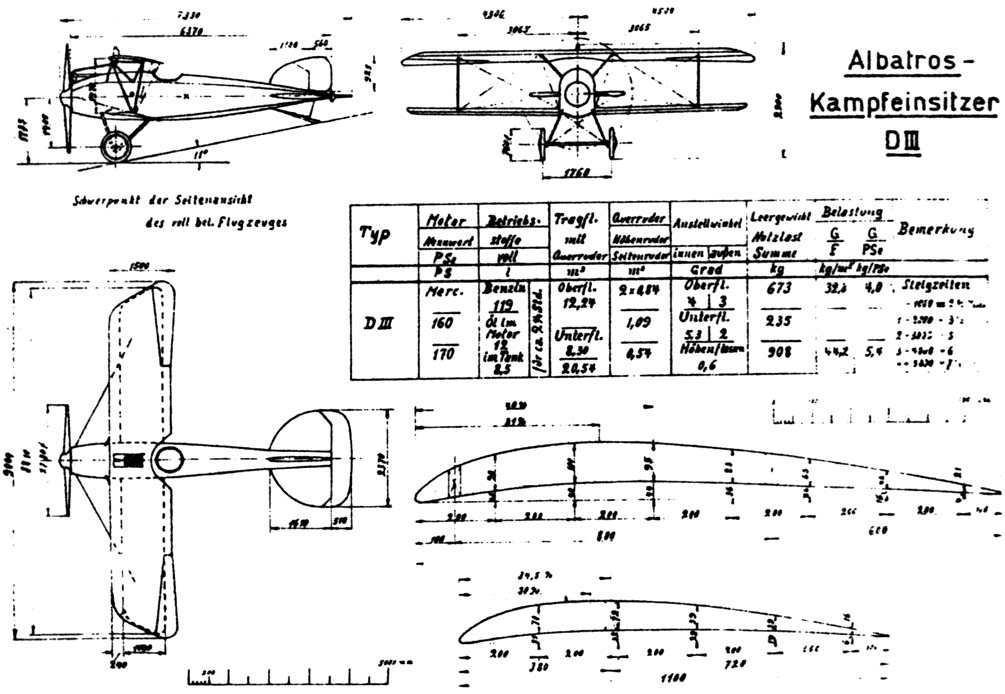
- 9.05 m (29 ft 8¼ in) over the upper wing — D.II 8.50 m (27 ft 10¾ in)
- Lower wingspan
- 8.73 m (28 ft 7½ in), and of much narrower chord than the upper — the sesquiplane arrangement copied from the Nieuport at Idflieg’s request
- Length
- 7.33 m (24 ft 0½ in)
- Height
- 2.98 m (9 ft 9¼ in)
- Wing area
- 20.50 m² (221 sq ft) — the D.II had 24 m² (258 sq ft). The D.III bought its view, its climb and its manoeuvrability by throwing away a sixth of its wing
- Fuselage structure
- Semi-monocoque: plywood panels over spruce longerons and formers, an oval-section shell in which the skin itself carries load. No internal wire bracing, no rigging to true up. This is the Albatros family’s signature and the reason the fuselages were strong, clean, quick to build and comfortable to sit in
- Upper wing
- Two spars, fabric-covered over a wooden frame, with the radiator let into the centre section
- Lower wing
- A single spar, and the single worst decision in the aeroplane. Copied from the Nieuport, the spar sat too far aft in the chord; the wing passed static test but twisted under real aerodynamic load in flight. Everything that went wrong with the D.III in the first quarter of 1917 begins here
- Interplane struts
- V-shaped, meeting at the single lower spar — which is why British aircrew called the type the "V-strutter". The strut geometry is a direct consequence of there being only one spar to attach to
- Empty weight
- 661 kg (1,457 lb)
- Loaded weight
- 886 kg (1,953 lb) — D.Va 937 kg (2,066 lb); Oeffag series 153 987 kg (2,176 lb), the Austrian aircraft being heavier because they were built stronger
- Wing loading
- 43.2 kg/m² (8.85 lb/sq ft)
Performance
- Maximum speed, sea level
- 175 km/h (109 mph) — Oeffag series 153 with the 200 hp Austro-Daimler, 188 km/h (117 mph); the 225 hp series 253 faster again
- Climb to 1,000 m
- 3 min 18 sec (3,280 ft) — Oeffag series 153, 2 min 35 sec
- Climb to 3,000 m
- 12 min 1 sec (9,840 ft) — Oeffag series 153, 11 min 20 sec
- Climb to 5,000 m
- 28 min 48 sec (16,400 ft) — Oeffag series 153, 33 min. The Austrian aircraft climbed away faster low down and the German one caught up at height, which is what a heavier airframe on a stronger engine tends to do
- Service ceiling
- 5,500 m (18,000 ft) — D.Va 5,700 m (18,700 ft)
- Endurance
- 2 hours — the practical measure. The quoted 310 km (193 miles) range is arithmetic, and the D.III fought over its own side of the line anyway
- Diving
- The great limitation, and the honest headline of this aeroplane. Even after the strengthening modifications of February 1917, D.III pilots were formally advised against steep or prolonged dives. A fighter pilot who cannot dive at will has lost the cheapest escape and the cheapest attack available to him
- General handling
- Pleasant and easy to fly, if somewhat heavy on the controls. Nothing in the flying qualities warned a pilot about the wing; the aeroplane felt entirely trustworthy right up to the moment it was not
- Spinning
- Prone to spin, like most of its contemporaries, but recovery was straightforward — an ordinary characteristic rather than a vice
- View
- Excellent downward and forward-downward, which was the entire point of the narrow lower wing and which the D.III genuinely delivered. For a fighter hunting two-seaters below it, this mattered a great deal
- Against the D.II
- Better climb, better manoeuvrability, far better view. Against the D.II it also had a wing that came apart, which is the trade nobody intended to make
- Peak strength
- 446 aircraft on the Western Front in November 1917. By 31 August 1918 the number was 54, and the D.VII had taken over
Propulsion & systems
- Engine
- One Mercedes D.IIIa water-cooled SOHC straight-six, 14.78 litres, 127 kW (170 PS) at 1,400 rpm, compression 4.64:1, dry weight 310 kg. The earliest D.IIIs had the 160 PS Mercedes D.III; the D.Va used the over-compressed D.IIIaü of 180–200 PS
- Why this engine mattered
- The Mercedes six was heavy, reliable and abundant, and it is the reason German fighters of 1916–18 could afford two machine guns while their opponents mostly carried one. Power bought firepower, and firepower is what killed people
- Austro-Hungarian engines
- Austro-Daimler sixes of 138, 149 and 168 kW (185, 200 and 225 hp) in Oeffag series 53.2, 153 and 253 respectively — all more powerful than the German Mercedes, and the main reason the Austrian aircraft outperformed the originals
- Propeller
- Two-blade fixed-pitch wood behind a large pointed spinner. Austrian pilots removed the spinner because it had a habit of coming off in flight; from aircraft 112 of Oeffag series 153 the nose was simply rounded off instead. German wind-tunnel tests then showed that the plain rounded nose improved propeller efficiency and added 14 km/h (9 mph) to the top speed — a free gain from deleting a part
- Cooling
- Teves und Braun aerofoil-section radiator built into the upper wing centre section. If a bullet punctured it, boiling water came down on the pilot. From the 290th aircraft it was offset to starboard so that at least it missed him, and earlier machines were modified in the field. Aircraft in Palestine carried two wing radiators for the heat
- Fuel and oil
- 119 litres (26 imp gal) of petrol and 20.5 litres (4.5 imp gal) of oil
- Guns
- Two fixed 7.92 mm LMG 08/15 "Spandau" machine guns — two 8 mm Schwarzlose M.07/12 on all Oeffag aircraft
- Synchronisation
- The Albatros-Hedtke Steuerung, a rigid push-rod gear driven from the rear of the Mercedes crankshaft and designed specifically to make twin guns work with an in-line engine. The D.V introduced the improved Albatros-Semmler gear; an order of 24 July 1917 standardised the superior Fokker Zentralsteuerung across all German aircraft
- Sights
- Ring-and-bead. No telescopic or reflector sight as standard
- First flight
- Late August or early September 1916; official type test 26 September 1916, followed by an order for 400 aircraft — the largest German production contract placed up to that date
- Service entry
- December 1916. 137 aircraft in service by March 1917, 327 by May
- Number built
- ~1,340–1,870 in Germany, at Albatros Johannisthal (about 500) and Ostdeutsche Albatros at Schneidemühl; English-language references usually quote 1,866 and German ones 1,352, and the honest answer is that the total sits somewhere in that band. Oeffag added ~526 in Austria-Hungary, or 586 by some Polish accounts
05The Oeffag Albatros D.III: how Austria-Hungary built a stronger, better Albatros
Under licence, the Oesterreichische Flugzeugfabrik AG (Oeffag) at Wiener-Neustadt built the D.III for the Austro-Hungarian k.u.k. Luftfahrtruppen — and improved it. Oeffag strengthened the lower-wing attachment, fitted more powerful Austro-Daimler engines (185 hp in the series 153, up to 225 hp in the series 253) and, after tests showed the propeller spinner could detach, deleted it for a neat rounded nose that actually improved performance.
Many historians regard the Oeffag machines as the best of the D.III family. Godwin Brumowski, Austria-Hungary’s top ace, flew one. A genuine Oeffag D.III survives today in the Polish Aviation Museum in Kraków — one of the very few original Albatros D.IIIs left in the world.
06The Albatros D.III’s cost: what a 1917 fighter was worth — and what a replica costs to fly
Per-aircraft procurement prices for German fighters of 1917 were not reliably recorded in a way that converts into a meaningful modern figure, and wartime Reichsmark costs vary between sources — so any single “price” for a D.III should be treated with caution and is best flagged as an estimate.
What can be said with more confidence is the cost of flying one today. Operating an airworthy Albatros reproduction — hand-built, with a vintage or replica inline engine — is broadly comparable to other WWI reproductions, commonly estimated in the low thousands of dollars per flying hour once maintenance, insurance and fuel are counted. Treat that as indicative, not a quotation.
Armament & payload
Two guns instead of one, which is the plainest reason the Albatros ruled the spring of 1917
The Albatros D-series was designed from the outset around a pair of synchronised machine guns, and in 1916–17 that was decisive. Most Allied fighters of the period — the Nieuport 17, the Airco D.H.2, the Sopwith Pup, the F.E.8 — carried one gun. The Albatros carried two, mounted on the upper decking where the pilot could reach both breeches, fed with roughly 500 rounds apiece. The arithmetic is not subtle: twice the weight of fire, in a faster aeroplane that could also hold height in a turn.
It was affordable because of the Mercedes engine. A 160 hp water-cooled six is heavy, but it will carry two guns and their ammunition and still climb, where a 110 hp rotary would not. German twin-gun armament is therefore not a doctrinal choice so much as a consequence of German engine supply, and the Allies closed the gap only when the Camel and the SPAD S.XIII arrived in mid-1917.
During April 1917 the Royal Flying Corps lost between 245 and 275 aircraft, with 211 aircrew killed or missing and 108 taken prisoner, against German losses of 66 aircraft. Richthofen’s Jasta 11 alone claimed 89 victories in the month. Most of those German aircraft were D.IIIs, and their crews had the better aeroplane, twice the guns and roughly three times the training hours of the men they were shooting down. The Austro-Hungarian Oeffag machines carried a completely different gun and had a different set of problems with it — see the fourth card.
Gun
- Two fixed 7.92 mm (0.312 in) LMG 08/15 machine guns — the aircraft version of the Maxim-derived MG 08, called "Spandau" by Allied pilots after the arsenal mark stamped on the lockplate.
- Mounted side by side on the upper fuselage decking ahead of the cockpit, firing through the propeller arc, with both breeches within reach in flight for clearing stoppages.
- Roughly 450 rounds per minute each before synchronisation losses. Against single-gun opponents this was simply an unfair fight, and it stayed unfair for about eight months.
- Air-cooled, with the ground gun’s water jacket replaced by a slotted or perforated barrel casing.
- This same installation, unchanged in principle, ran from the Albatros D.I of 1916 through the Fokker D.VII of 1918. It is the German fighter armament of the whole war.
Ammunition & sights
- About 500 rounds per gun in belts, stowed in the fuselage forward of the cockpit.
- Ball ammunition with S.m.K. armour-piercing rounds mixed in against armoured two-seaters, and incendiary loaded for observation balloons.
- Sighting was a simple ring-and-bead. No telescopic sight was standard, and German fighters would not carry reflector sights in any numbers until the Oigee Reflexvisier appeared on some 1918 aircraft.
- The plywood fuselage was an asset here in a way that is rarely noted: a rigid monocoque shell holds gun mountings in alignment better than a wire-braced wooden box girder that has to be re-rigged after every rough landing.
Synchronisation gear
- The Albatros-Hedtke Steuerung, designed by an Albatros Werkmeister named Hedtke and fitted to the new Albatros fighters from late 1916.
- It was a rigid push-rod system driven from the rear of the Mercedes D.III crankshaft, built specifically to solve the problems that appeared when Fokker’s original Stangensteuerung gear was applied to in-line engines and to two guns at once.
- The Fokker gear had never worked well with more than one gun, because two guns firing simultaneously spread their fire too wide to fit between the propeller blades. The Hedtke gear made twin guns practical on an in-line engine, and that is its historical importance.
- The Albatros D.V introduced the improved Albatros-Semmler gear. An order signed on 24 July 1917 then standardised the superior Fokker Zentralsteuerung flexible-shaft gear across the whole German air service, and the Albatros gears were superseded.
The Austro-Hungarian gun fit
- Every Oeffag-built D.III carried two 8 mm (0.315 in) Schwarzlose MG M.07/12 guns instead of the German Spandaus, because that was what Austria-Hungary made.
- The Schwarzlose was a delayed-blowback weapon and was harder to synchronise than the Maxim-derived LMG 08/15. Its rate of fire was poor until a 1916 modification by Ludwig Kral improved it, and the Austro-Hungarian gears held it to roughly 360–380 rounds per minute even then.
- On most aircraft the guns were buried inside the fuselage, out of the pilot’s reach — so a stoppage ended the fight. Pilots asked for them to be moved, and late in the series 253 run they were relocated to the upper decking where they could be cleared, and where engine heat helped keep them working at altitude.
- That fix created a new problem. The Schwarzlose used a cartridge oiler to stop cases sticking in the chamber, and with the guns now directly in front of the pilot the oil thrown out during firing went onto his face and goggles.
Bombs and other stores
- None. The D.III carried no bombs, no racks, no cameras and no external stores of any kind. It was a pure interceptor built to shoot down aeroplanes and to protect the two-seaters that did the army’s actual work.
- German ground attack in 1917–18 was the business of purpose-built types — the Halberstadt CL.II, the Hannover CL.III and the armoured Junkers J.I — not of single-seat scouts.
- The exception is post-war and improvised. Polish Oeffag D.IIIs flew mainly ground-attack sorties in the Polish-Soviet War of 1919–20 because there were so few Soviet aircraft to fight, using guns and locally fitted light bombs.
- One genuinely strange experiment: in 1918 an Albatros D.III was trialled as a parasite fighter carried by the Zeppelin L 35. It went nowhere.
Not carried
- No cannon, no rockets, no radio, no oxygen equipment — and the D.III routinely fought above 4,500 m, where the lack of it told.
- No armour and no protected fuel tank. A single incendiary round in the right place ended the aeroplane and, in the absence of anything else, the pilot.
- No parachute. The Heinecke harness type reached German single-seat pilots in the spring of 1918, a year after the D.III’s period of dominance had passed. D.III pilots of Bloody April had nothing.
- No structural margin for a hard dive, which is the one absence on this list that was a design failure rather than a limit of 1917 technology.
Three typical loadouts
- Jasta patrol, Arras, April 1917
- Two Spandaus with about 500 rounds each, two hours of fuel, nothing else. Flown at height over the German side of the lines in flights of four to six, waiting for British formations to be pushed across by the Royal Flying Corps’ standing policy of offensive patrolling. The Germans fought over their own territory with the prevailing westerly wind behind them, against pilots who sometimes arrived at the front with 35 flying hours against a German’s 90 to 100. The aeroplane was only part of it.
- Two-seater interception
- Same fit, with armour-piercing rounds mixed into the belts, hunting British and French artillery-observation machines — the actual military object of the whole exercise. The narrow lower wing was fitted precisely to give the downward view this job needs, and here the sesquiplane earned its keep. Attacks were made in shallow dives and broken off gently, because a steep one might take the lower wing off.
- Oeffag D.III over the Isonzo and, later, Poland
- Two Schwarzlose guns, an Austro-Daimler of 185 to 225 hp, and a lower wing that had been properly re-engineered. Godwin Brumowski, Austria-Hungary’s leading ace, flew these on the Italian front. After 1918 Poland bought 38 series 253 machines from the factory and rebuilt ten more, flew them as ground-attack aircraft in the Polish-Soviet War, thought highly enough of them to write a letter of commendation to Oeffag, and kept them in service until 1923.
Sourcing caveat: First World War performance figures are not comparable between sources in the way modern ones are. They were taken on individual aircraft with individual hand-built engines, on particular days, and the altitude at which a speed was obtained is very often not stated — which is how the same aeroplane is honestly quoted at two different top speeds in two respectable books. The German D.III figures here follow the official Baubeschreibung data as reproduced in German sources; the Oeffag figures follow Grosz, Haddow and Schiemer’s Austro-Hungarian Army Aircraft of World War One, which is the standard work. Production totals for the D.III differ by several hundred between English- and German-language references and are given as a band rather than a single number. Bloody April casualty figures are the British official ones as given by Peter Hart and by Franks, Guest and Bailey. Victory totals on all sides of this war were credited generously and should be read as claims.
Variants
The Albatros D.III won a season of the air war and then had to be told not to dive
The Albatros story starts with the fuselage. From the D.I onward the company used a semi-monocoque plywood shell — formed panels over spruce longerons and formers, with the skin carrying load — at a time when nearly everyone else was building wire-braced wooden boxes covered in fabric. It was strong, it was clean, it held its shape, it did not need re-rigging, and it gave the Albatros fighters the deep, elegant, faintly shark-like line that makes them instantly recognisable a century later. Nothing in what follows is a criticism of that fuselage.
The wings are another matter. Late in 1915 a captured Nieuport 11 was circulated among German manufacturers, and pilots wanted its agility and its downward view. Robert Thelen’s team at Albatros took one feature from it for the D.III: a narrow-chord lower wing on a single spar, with V-struts to match. The result flew beautifully. It also began breaking. On 23 January 1917 a Jasta 6 pilot suffered a failure of the lower right wing spar. The next day Manfred von Richthofen cracked the lower wing of his brand-new D.III and put it down immediately. On 27 January the Kogenluft grounded the entire type.
At the time the failures were blamed on poor workmanship and materials at the Johannisthal factory. That was wrong, and the correction is the most interesting thing about this aeroplane. The single spar sat too far aft in the chord, so although the wing passed static testing it twisted under aerodynamic load in flight, and the leading edge fluttered. Albatros reinforced the lower wing, the grounding order was lifted on 19 February 1917, and existing aircraft were withdrawn to Armee-Flugparks for modification while the Jastas flew D.IIs and Halberstadts in the interim. But the fault was in the concept, not the build, so it was never truly cured: pilots were still being warned against steep or prolonged dives, and the same weakness went straight on into the D.V and D.Va.
Austria-Hungary fixed it. Oeffag’s engineers looked at the German failures, thickened the lower-wing ribs and spar flanges, made a series of other detail improvements, and largely eliminated the problem. Their aircraft were heavier, better engined, stronger and faster than the German originals, and they were popular with the men who flew them — a licensee comprehensively improving on the parent design, which does not happen often.
- Albatros D.I (1916)
- The origin of the family: semi-monocoque plywood fuselage, two guns, 160 hp Mercedes, conventional equal-chord wings on parallel struts. Fast and strong; the upper wing sat too high and the view forward was poor.
- Albatros D.II (1916, 291 built)
- The upper wing lowered and the cabane struts splayed outward to improve the view. Richthofen was flying a D.II on 23 November 1916 when he killed Lanoe Hawker after a long fight — the D.II turned worse than Hawker’s D.H.2 but had two guns, more speed and better height-keeping in a turn.
- Albatros D.III (Johannisthal) (1916–17, ~500 built)
- The sesquiplane wing on a single lower spar, V-struts, wing radiator. Ordered in quantity in September 1916, in service December, grounded January, modified February, dominant through the spring. The aeroplane of Bloody April.
- Albatros D.III (OAW) (1917, ~840 ordered)
- Production moved to Ostdeutsche Albatros Werke at Schneidemühl from June to December 1917 so that the parent works could concentrate on the D.V. Distinguishable by a larger, rounded rudder.
- Albatros D.III (Oef) series 53.2 (1917, Austria-Hungary)
- The first Oeffag aircraft, with the 185 hp Austro-Daimler, licence-built at Wiener Neustadt with deliveries from May 1917. Two 8 mm Schwarzlose guns, a winter cowling enclosing the cylinder heads, and the beginnings of the wing strengthening.
- Albatros D.III (Oef) series 153 (1917–18)
- 200 hp Austro-Daimler. From aircraft 112 of this run the propeller spinner was deleted and the nose simply rounded off, which unexpectedly improved propeller efficiency and added 14 km/h. The best-known Oeffag variant and the one flown by Godwin Brumowski.
- Albatros D.III (Oef) series 253 (1918)
- 225 hp Austro-Daimler, the fastest and strongest of the family. Late in the run the guns were moved from inside the fuselage up onto the decking where the pilot could reach them. Roughly 526 Oeffag D.IIIs were built in all, 586 by some accounts.
- Albatros D.V and D.Va (1917–18, ~2,500 built)
- The intended successor: elliptical-section fuselage, revised aileron control, over-compressed Mercedes D.IIIaü. It inherited the same lower wing and the same weakness, offered very little more performance, and was heartily disliked by pilots who had expected an answer to the S.E.5a and the Camel. The D.Va reverted to the D.III’s aileron cabling and added a strut from the lower wing to the upper front spar in a further attempt to stop the flutter.
- Post-war operators (1918–23)
- Poland bought 38 Oeffag series 253 aircraft from the factory in 1919 and rebuilt ten more, flying them in the Polish-Soviet War until 1923. Czechoslovakia took Oeffag machines too. Poland also acquired 26 German-built D.IIIs, mostly captured from the departing occupiers — and withdrew every one of them in December 1919 because of structural weakness. Two air forces, one design, and the difference between them is entirely the lower wing.
Survivors, and what is actually original: not one original Albatros D.III is known to survive anywhere, German- or Oeffag-built, out of somewhere between 1,800 and 2,400 aircraft. Every Albatros D.III you will ever see — on a museum floor, on an airfield, in a film — is a reproduction. The only original Albatros fighters of any mark that survive are two D.Vas: D.7161/17, captured in the spring of 1918 and displayed at the National Air and Space Museum in Washington with the personal marking "Stropp" on its sides, and D.5390/17, forced down intact behind Australian lines on 17 December 1917 and now at the Australian War Memorial in Canberra after a long restoration. Both are static and neither will fly again. Among the reproductions, the Austrian sculptor and aircraft builder Koloman Mayrhofer built two Oeffag series 253 aircraft in Lower Austria using period Austro-Daimler engines, the first of which flew in April 2012; one is airworthy and one is displayed at the Flugmuseum Aviaticum near Wiener Neustadt. Cole Palen’s flying D.Va at Old Rhinebeck, the Royal Air Force Museum’s example, and the New Zealand-built aircraft flying with The Vintage Aviator are likewise reproductions, some of them exceptionally faithful. A reproduction built to original drawings with an original engine is still a reproduction, and for First World War types that is the ordinary case rather than the exception.
The Albatros D.III through the war
The D.I and D.II set the formula
Robert Thelen’s Albatros scouts reach the front — fast, plywood-bodied and armed with twin synchronised guns, but out-turned by the lighter Nieuports.
The D.III takes shape
Albatros keeps the fuselage and Mercedes engine but adds a Nieuport-style sesquiplane lower wing for agility. The prototype flies in the late summer of 1916.
First D.IIIs reach the Jagdstaffeln
The type enters front-line service and rapidly becomes the standard German fighter, equipping the elite Jastas over the Western Front.
Richthofen — and a cracked wing
Manfred von Richthofen takes command of Jasta 11 and flies an all-red D.III; he wins the Pour le Mérite. In flight, his lower wing cracks — an early sign of the sesquiplane flaw.
“Bloody April”
Albatros D.IIIs and D.IIs savage the Royal Flying Corps over Arras. German air superiority peaks; RFC losses are catastrophic.
Oeffag builds a better Albatros
Austria-Hungary’s licence-built Oeffag D.III enters service — stronger wing, more powerful Austro-Daimler engines and, later, a spinner-less rounded nose.
The D.V supersedes it
The Albatros D.V and D.Va replace the D.III on the Western Front, faster in a shallow dive but carrying the same lower-wing weakness.
A post-war afterlife
Ex-Oeffag D.IIIs fly on with newly independent Poland in the Polish–Soviet War; a handful of survivors eventually reach the world’s museums.
The Albatros D.III in the words of those who flew it
Von Richthofen’s red Albatros
The Red Baron scored the bulk of his early victories in a scarlet D.III.
Read the full story
The month the RFC dreaded
April 1917 was the worst month the Royal Flying Corps would know.
Read the full story
Why the aces feared a hard dive
Pilots were told not to hold a steep dive in the D.III.
Read the full story
Brumowski and the Oeffag Albatros
Austria-Hungary’s top ace flew a licence-built Oeffag D.III.
Read the full story
Ernst Udet’s early kills
The future 62-victory ace cut his teeth on the D.III.
Read the full story
A natural in the Albatros
Voss ran up victories on the Albatros before his legendary last fight.
Read the full story
The slight man of Jasta 11
One of Richthofen’s proteges scored heavily during Bloody April.
Read the full story
A hard-charging Jasta 11 pilot
Schäfer piled up victories on the D.III before falling in June 1917.
Read the full story
Why it looked so modern
Contemporaries admired the Albatros’ smooth plywood shell.
Read the full story
The Allies get their hands on one
British and French pilots flew captured D.IIIs to learn their tricks.
Read the full story
Albatros over Palestine
The D.III also fought far from the Western Front.
Read the full story
The last real D.III
A genuine Oeffag D.III still survives in Poland.
Read the full story
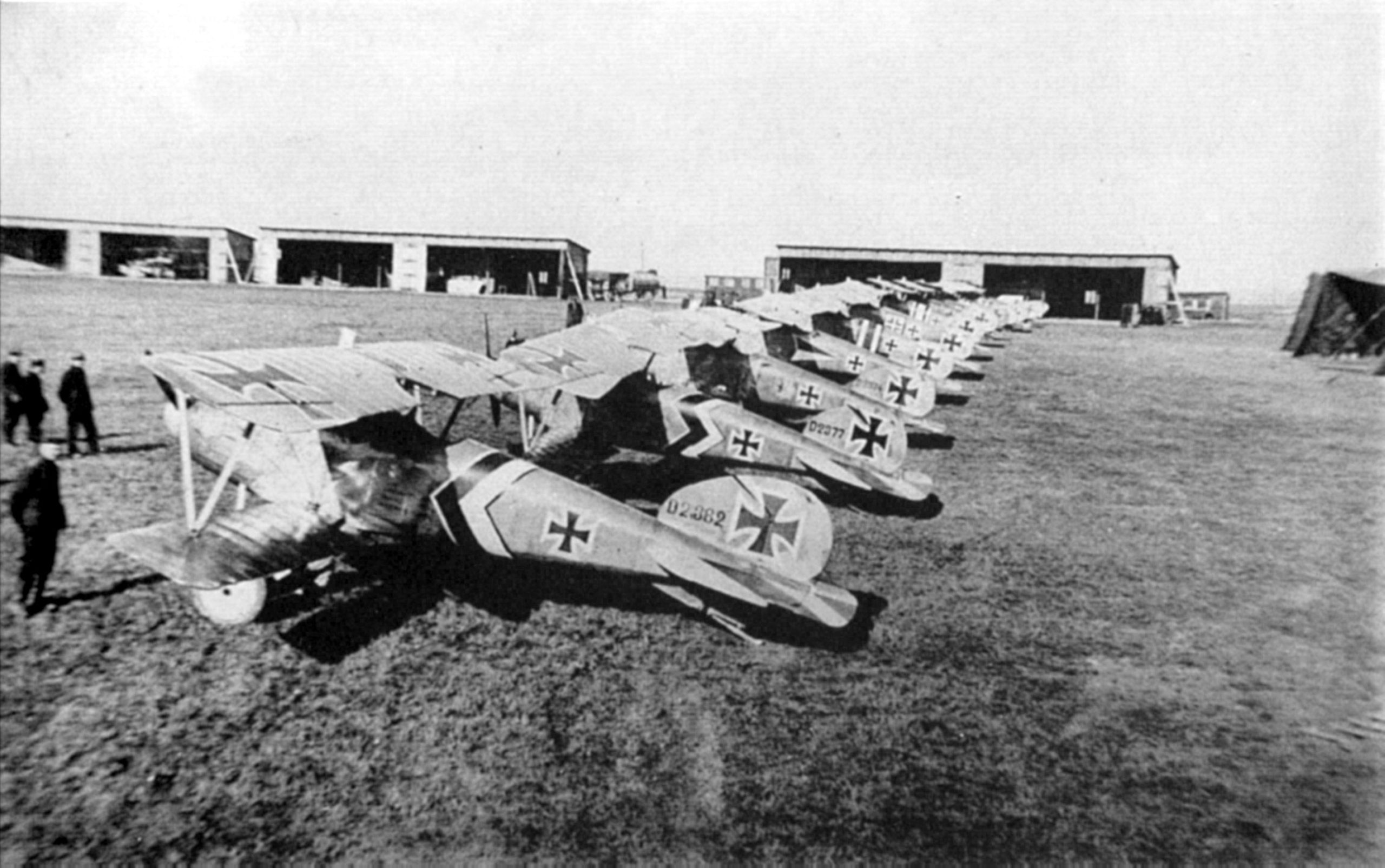
The Albatros D.III in pictures
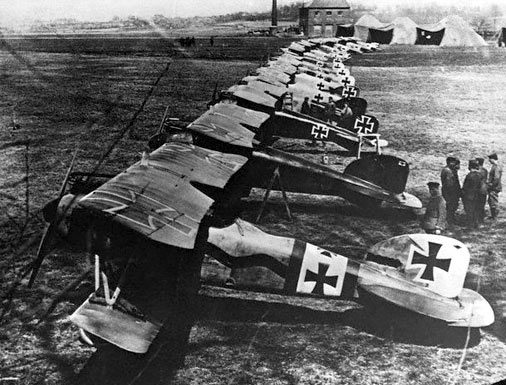
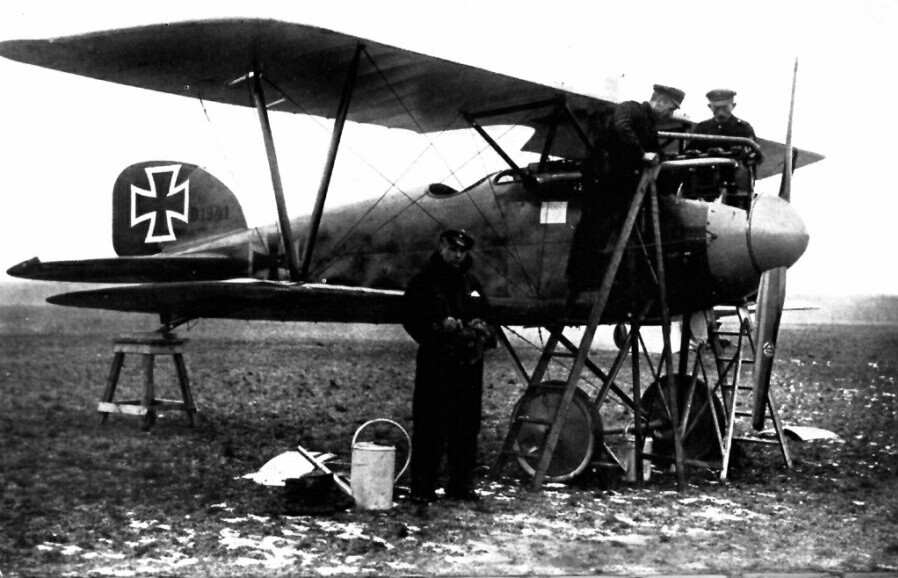
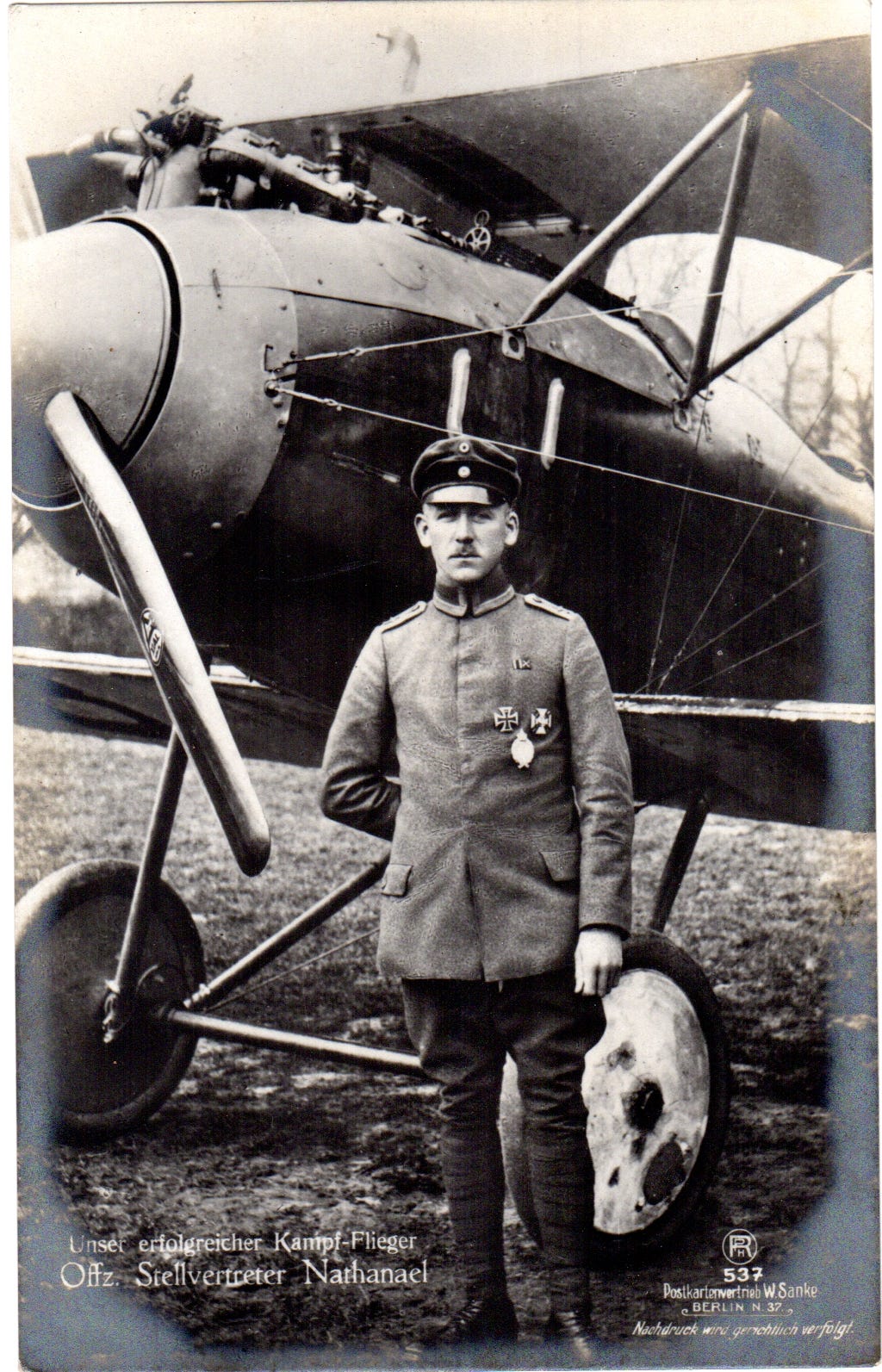
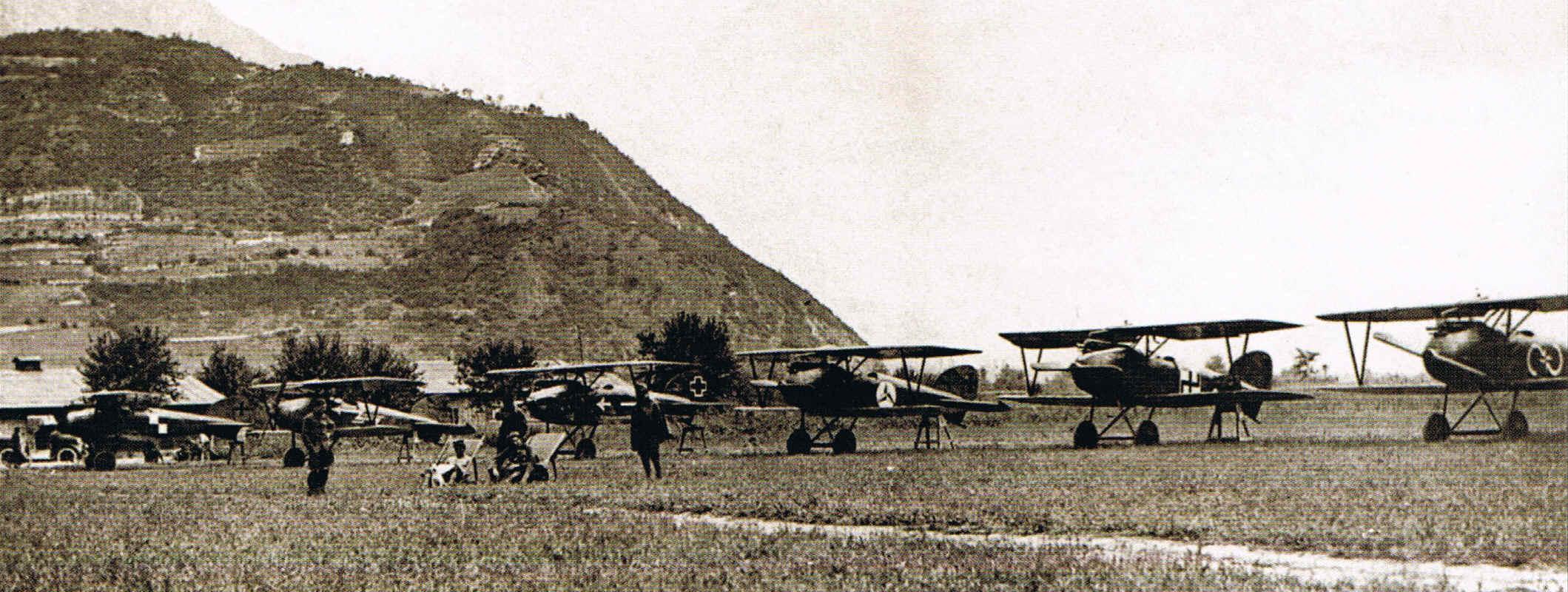
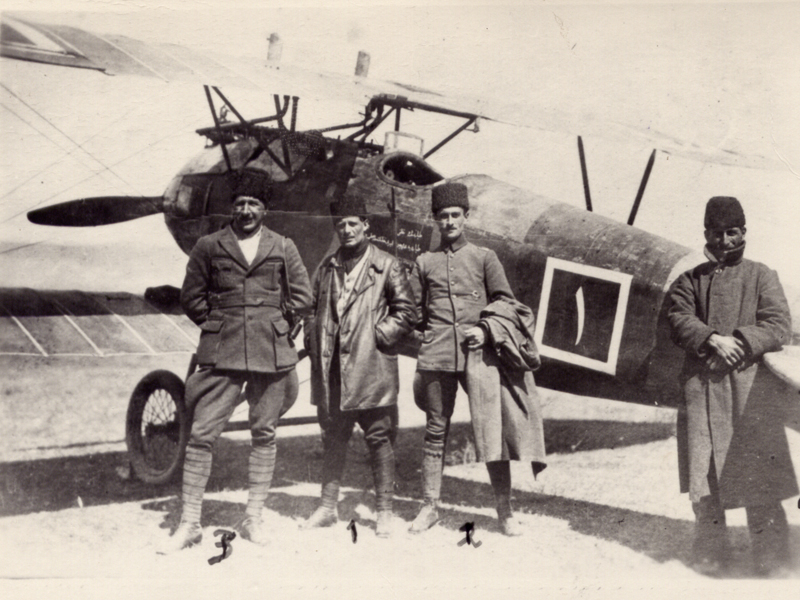
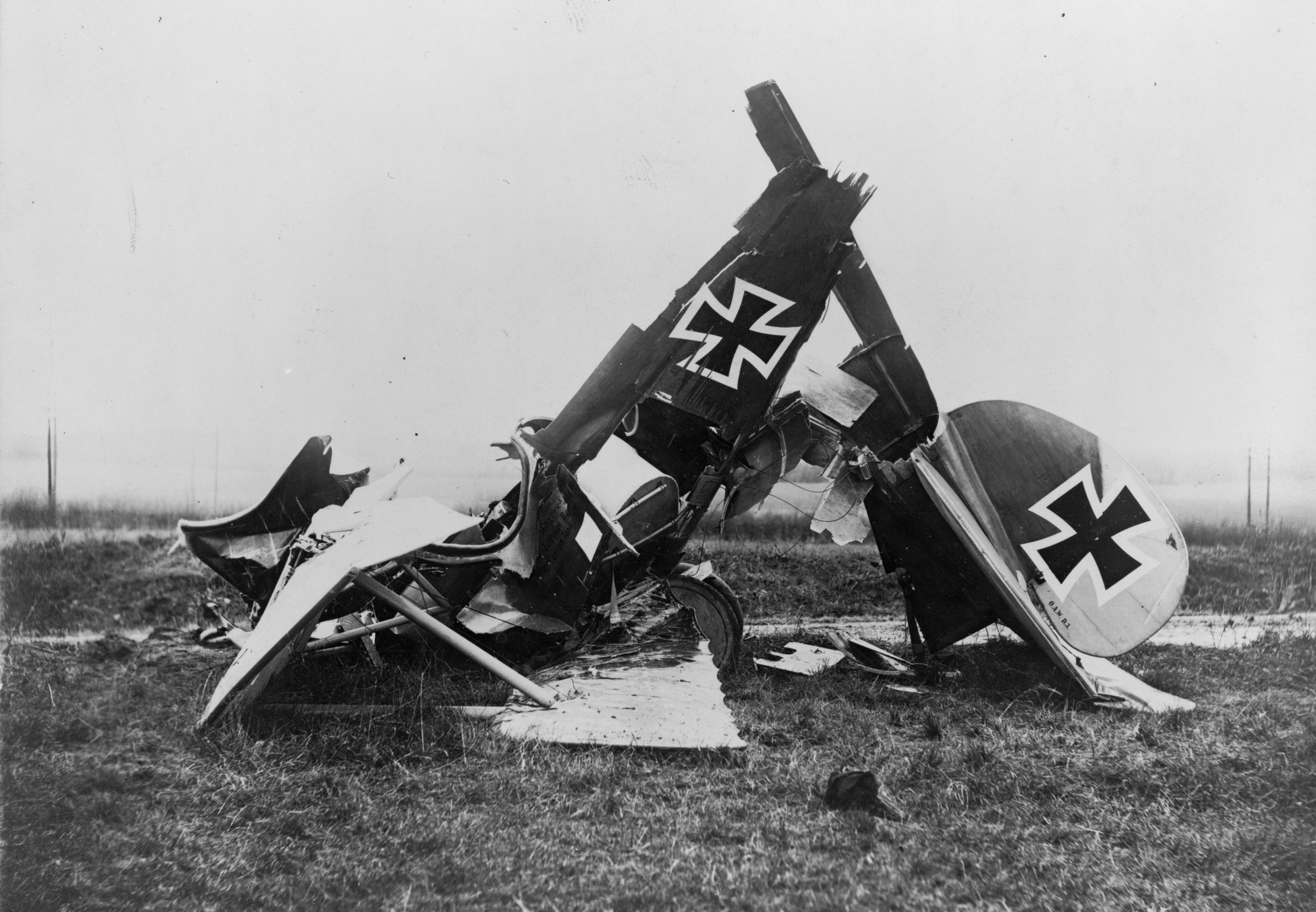
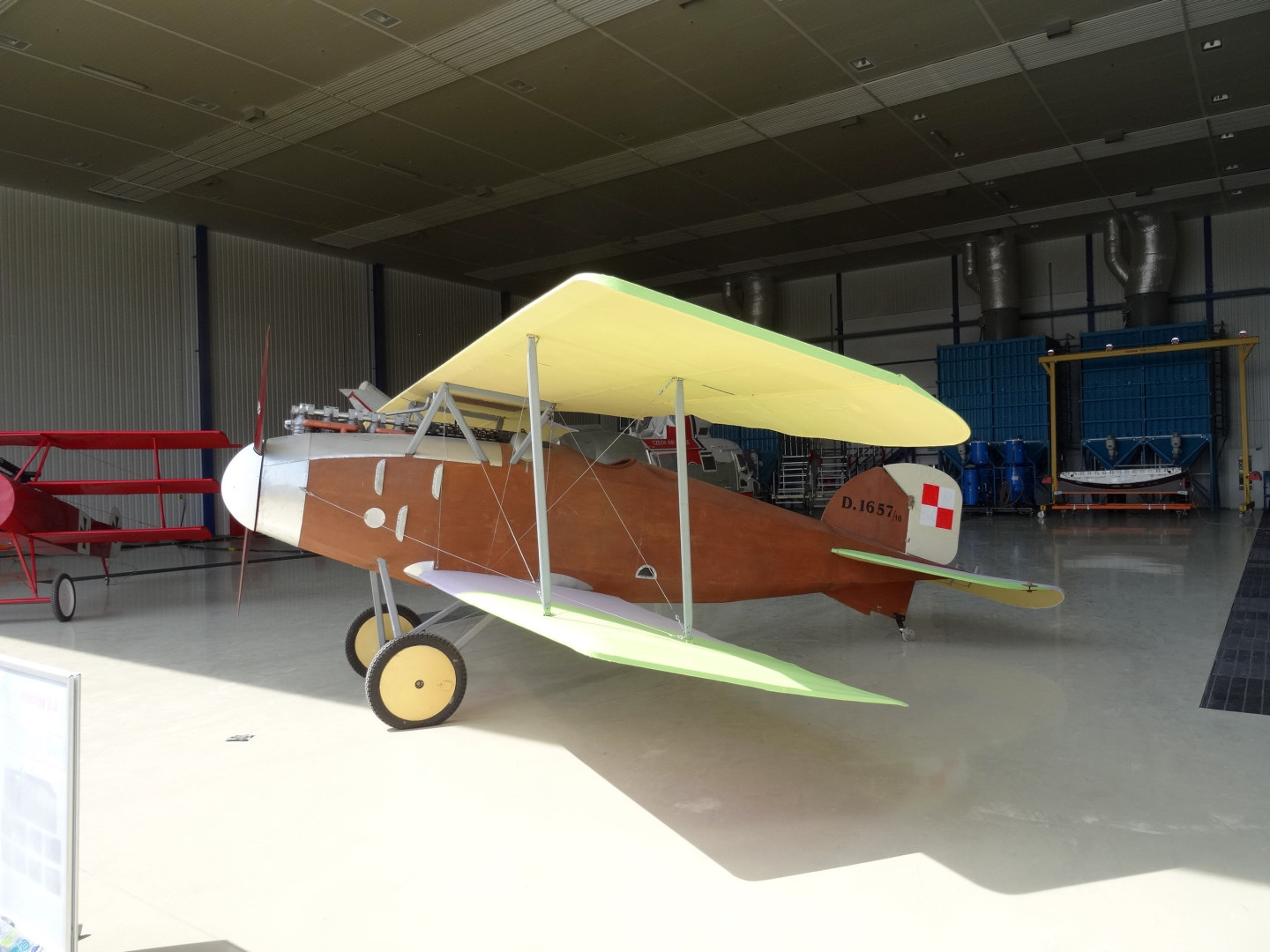
The Albatros D.III in the air
A detailed cockpit walk-through of the Albatros D.Va — the D.III’s near-identical successor, sharing the same plywood fuselage, Mercedes engine and controls — by the Military Aviation History channel (240,000+ views).
Where the Albatros D.III flew
Designed and built in Germany and fought over the Western Front, the Alps and the Middle East, the Albatros D.III was flown by the Central Powers and, licence-built by Oeffag, by Austria-Hungary. Toggle the categories to see where it originated, fought, served after 1918 and survives today.
The record the Albatros D.III left behind
Production and victory figures from the First World War are inherently uncertain: records are incomplete and sources disagree. Totals here follow commonly cited references and should be read as best estimates, not exact counts.
Albatros D.III: your questions answered
Can I fly in an Albatros D.III?
Was the Albatros D.III really the Red Baron’s aircraft?
Why did the Albatros D.III’s lower wing sometimes fail?
How fast was the Albatros D.III, and how was it armed?
What was “Bloody April”?
How many Albatros D.IIIs were built, and do any survive?
You can’t fly the Albatros D.III.
These, you can.
Some legends only live in museums — others are fuelled, warmed up and waiting. You can’t strap into an Albatros D.III, but MiGFlug can put you in the cockpit of a genuine fighter jet, from the L-39 Albatros to the mighty MiG-29.
 Fly the L-39 AlbatrosThe world’s most-flown jet trainer — aerobatics included
 Fly the F-104 Starfighter“The missile with a man in it”
 Fly the MiG-21The Cold War’s most-produced jet
 Fly the T-33 Shooting StarAmerica’s first jet trainer
 Fly the DH VampireA piece of early jet history
 Fly the S.211Agile Italian jet trainer
 Fly the MB-326The classic Aermacchi jet
 Fly the MiG-15The Soviet legend of the Korean War
Explore more of the collection
Every fact, checked
- Smithsonian National Air and Space Museum — Albatros D.VaThe surviving D-series airframe: semi-monocoque plywood construction, Mercedes engine and combat history.
- Australian War Memorial — Albatros D.VaOne of the world’s few original Albatros scouts, the D.III’s near-identical successor, held in Canberra.
- Polish Aviation Museum, Kraków — Oeffag Albatros D.IIIHome to a genuine Oeffag-built D.III — among the very few authentic surviving examples of the type.
- Imperial War Museums — Bloody April 1917The RFC’s catastrophic April 1917 and the German air superiority the Albatros Jastas enforced.
- The Aerodrome — Albatros D.IIIReference on the type’s aces, units and production, with variant and service detail.
- Peter M. Grosz — Albatros D.III (Windsock Datafile)The definitive monograph on the D.III, its structure, the wing problem and the Oeffag variants.
- Military Aviation History — Inside the Cockpit: Albatros D.VaA detailed look at the D-series cockpit, controls and layout shared with the D.III.
- The Museum of Flight — Albatros German WWI FighterA curator’s walk-around of a museum Albatros and the story of the type.
- J. M. Bruce — War Planes of the First World War: GermanyAuthoritative structural and service detail on the Albatros D-series scouts.
- P. M. Grosz, G. Haddow & P. Schiemer — Austro-Hungarian Army Aircraft of World War OneThe Oeffag-built D.III, its strengthened wing, engines and the spinner-less nose.