
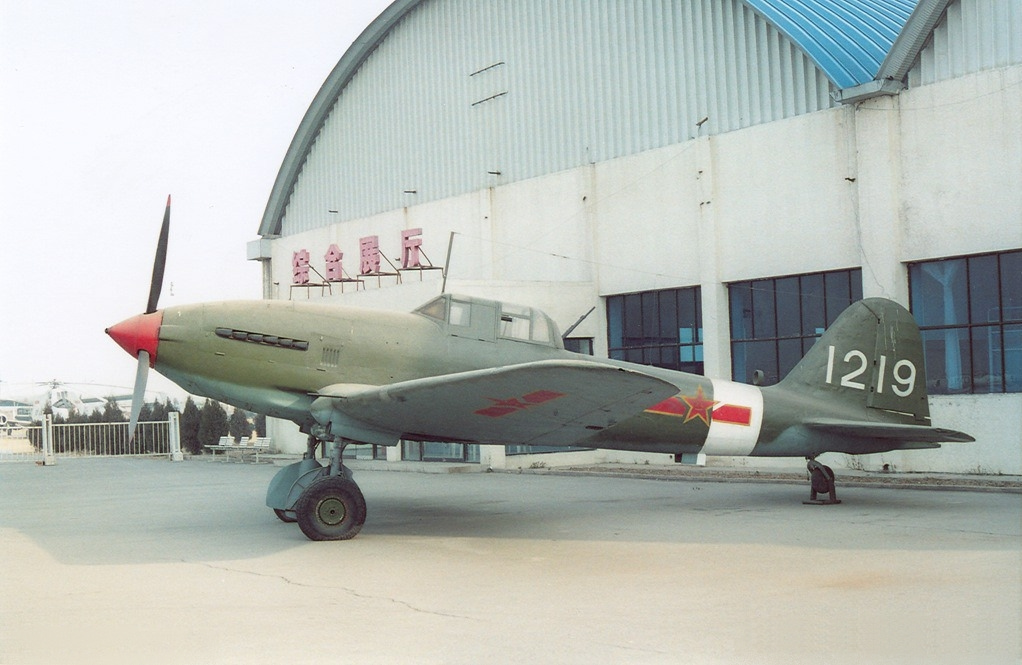
Ilyushin Il-10
“Beast”
The Sturmovik perfected — an all-metal redesign of the legendary Il-2 that flew faster, hit harder and arrived just in time for the last battles of 1945, then fought on into the jet age over Korea.
The Ilyushin Il-10: the Sturmovik, perfected
El Ilyushin Il-2 Sturmovik was the most-produced combat aircraft in history and the flying symbol of the Red Army’s ground war — but it was also slow, heavy and, in its early single-seat form, murderously vulnerable from behind. Even as Il-2s poured off the production lines, Sergei Ilyushin’s design bureau was hunting for something better: a Sturmovik that kept the armour but flew like a real aeroplane.
The answer grew out of an unlikely place — the Il-1, a single-seat armoured fighter Ilyushin drew up in 1943. Reworked into a two-seat attack aircraft, it emerged in early 1944 as the Il-10: an all-metal machine with a cleaner, more aerodynamic airframe, the engine radiators tucked inside the armoured shell, and a far more powerful Mikulin AM-42 engine of roughly 2,000 hp. The result flew at about 550 km/h — well over 100 km/h faster than the Il-2 — while carrying comparable armour and firepower. It was that rare thing: a wartime redesign that gave more of everything at once.
First flown on 18 April 1944, the Il-10 was rushed into production that autumn and reached front-line regiments in the opening months of 1945. Its combat debut came on 15 April 1945 with the 571st Assault Aviation Regiment, and it flew over the final battles for Berlin and Prague before the war in Europe ended — only a handful of regiments saw action in time. It arrived, in effect, for the last act. In August 1945 Il-10s also struck Japanese forces in Manchuria and Korea.
Its real career was the peace that followed. The Il-10 became the standard Soviet and Warsaw Pact attack aircraft of the late 1940s, was license-built in Czechoslovakia as the Avia B-33, and equipped air forces from Poland to China. Then, in 1950, North Korean Il-10s opened the Korean War as effective ground-attack aircraft — until American fighters shot them out of the sky within weeks.
01The Ilyushin Il-10 versus the Il-2 Sturmovik: what actually changed
From a distance the Il-10 looked like a tidier Il-2, and it did the same job — but almost everything was new. The airframe was all-metal and aerodynamically refined, where early Il-2s used a wooden rear fuselage. The wing was smaller and cleaner, the undercarriage retracted more neatly, and the cooling radiators were moved inside the armoured hull rather than hanging in the airflow. Combined with the ~2,000 hp AM-42, that cut drag and lifted top speed from roughly 410 km/h to about 550 km/h.
Protection stayed comparable — the armoured “bathtub” shielding engine, pilot and gunner — and the rear defensive gun was upgraded to a hard-hitting 20 mm cannon. The price was complexity: the Il-10 was harder to build and its new engine needed sorting out. It also arrived so late that the Il-2 fought the vast majority of the war. But as a design, the Il-10 was the Sturmovik idea brought to full maturity.
What makes the Ilyushin Il-10 special
An all-metal armoured “flying tank”
Like the Il-2, the Il-10 was built around an armoured shell — the load-bearing structure itself was armour plate, wrapping the engine, cockpit and rear gunner. But where early Sturmoviks mixed wood and metal, the Il-10 was all-metal and far cleaner aerodynamically, trading none of the protection for a great deal less drag.
The Mikulin AM-42 — power for speed
At its heart sat the Mikulin AM-42, a liquid-cooled V-12 of roughly 2,000 hp at takeoff. It gave the Il-10 the performance the Il-2 always lacked — about 550 km/h — though the engine was troublesome in early service and took time to make reliable.
Cannons, rockets and a real tail gun
The Il-10 carried two (later four) 23 mm cannon in the wings, plus rockets and up to roughly 500–600 kg of bombs. Crucially, the rear gunner got a proper 20 mm cannon in a powered mounting — a far better answer to attacking fighters than the Il-2’s rifle-calibre gun.
02The Ilyushin Il-10’s engine: the Mikulin AM-42 and its troubled start
The AM-42 was a development of the Mikulin V-12 family, tuned for low-altitude ground-attack work and rated at roughly 2,000 hp for takeoff (sources also quote a lower nominal figure of around 1,770 hp, reflecting continuous rather than takeoff power). Feeding a big engine inside an armoured hull created real cooling and reliability headaches: early Il-10s suffered engine failures, and a good part of the type’s first year in service was spent making the AM-42 dependable. Once sorted, it gave the Sturmovik the speed it had always wanted — the single biggest reason the Il-10 outperformed the Il-2 it replaced.
03The Ilyushin Il-10’s armament and armour: a better-defended Sturmovik
Forward firepower came from wing-mounted 23 mm cannon — the VYa-23 on early aircraft, later the NS-23, with some blocks carrying four — backed by machine guns, RS-82 and RS-132 rockets, and a bomb load commonly cited at up to about 500–600 kg. The most meaningful change from the Il-2 was at the back: the rear crewman operated an Il-KU-8 mounting with a 20 mm cannon (a 12.7 mm machine gun on some aircraft), where the Il-2’s gunner had only a rifle-calibre weapon and almost no protection. German pilots had learned to attack the Il-2 from dead astern; the Il-10 made that a much more dangerous thing to try. Exact armament fits varied by production block and year — treat any single loadout as one of several.
Ilyushin Il-10 full specifications
Airframe & Performance
- Multitud
- 2 (pilot + rear gunner)
- Longitud
- 11.06 m
- Envergadura
- 13.40 m
- Altura
- 4.18 m
- Área del ala
- 30.0 m²
- Peso vacío
- ~4,680 kg
- Max takeoff weight
- ~6,540 kg
- Max speed
- ~550 km/h (low altitude)
- Rango
- ~800 km
- Techo de servicio
- ~5,500 m (sources vary, ~4,000–5,500 m)
- Climb
- ~5 min to 3,000 m
Propulsion, Armament & Production
- Motor
- 1 × Mikulin AM-42 V-12
- Power
- ~2,000 hp (takeoff)
- Forward guns
- 2–4 × 23 mm (VYa-23 / NS-23)
- Defensive gun
- 1 × 20 mm (rear, Il-KU-8)
- Bombs & rockets
- Up to ~600 kg + RS-82/RS-132
- First flight
- 18 April 1944
- Built
- ~6,000+ (incl. Avia B-33)
- Unit cost
- No reliable public figure
- Cost per flight hour
- No reliable public figure exists
04The Ilyushin Il-10’s operating costs: why no reliable price exists
The Il-10 was a Soviet state product built in the 1940s and 50s, never traded on an open market, so no credible flyaway unit price or cost-per-flight-hour figure exists in the public record — and none should be invented. Production was measured in factory output and state plans, not dollars. What we can say is that it was designed to be affordable in quantity: like the Il-2 before it, the Il-10 was meant to be built and expended in enormous numbers, which is exactly what happened — roughly six thousand were produced across the Soviet Union and Czechoslovakia. Any precise cost figure attached to the type today is an estimate at best.
The Ilyushin Il-10: from 1945 to the jet age
The Il-1 seed
Ilyushin designs the single-seat armoured Il-1 fighter — the concept that would be reworked into the two-seat Il-10.
First flight
The Il-10 prototype flies on 18 April 1944: all-metal, faster and cleaner than the Il-2, with the powerful Mikulin AM-42.
Into production
Rushed onto the lines that autumn; conversion training begins and the first regiments start to re-equip.
Combat debut
On 15 April 1945 the 571st Assault Aviation Regiment takes the Il-10 into action; it fights over Berlin and Prague in the war’s final weeks.
War against Japan
In August, Il-10s strike Japanese shipping and transport during the Soviet offensive in Manchuria and northern Korea.
Korean War
North Korean Il-10s open the war as effective ground-attack aircraft — then suffer heavy losses to US F-51 and F-80 fighters within weeks; examples are captured at Kimpo.
The Il-10M
An improved Il-10M flies with a redesigned wing and heavier cannon armament; about 146 are built in 1953–54.
Warsaw Pact & Avia B-33
License-built in Czechoslovakia as the Avia B-33 and flown across the Eastern bloc and China; withdrawn from Soviet service by the mid/late 1950s, lingering with some operators into the 1960s.
From the front: twelve Ilyushin Il-10 stories
From fighter to attacker
The Il-10 began life as the Il-1, a single-seat armoured fighter.
Read the full story
A hundred km/h, almost for free
The all-metal Il-10 flew far faster than the Il-2.
Read the full story
The last-act warbird
The Il-10 reached combat only in April 1945.
Read the full story
Manchuria, August 1945
Il-10s struck Japanese forces in the Soviet Far East offensive.
Read the full story
A nasty surprise from behind
The Il-10’s rear 20 mm cannon punished fighters attacking from astern.
Read the full story
Taming the AM-42
Early Il-10s were plagued by engine failures.
Read the full story
The Avia B-33
Czechoslovakia license-built around 1,200 Il-10s as the Avia B-33.
Read the full story
Opening the war
Around 93 North Korean Il-10s spearheaded the June 1950 invasion.
Read the full story
Shot from the sky
American fighters gutted the North Korean Il-10 force in weeks.
Read the full story
Captured on the ground
Abandoned Il-10s at Kimpo gave the West its best look at the type.
Read the full story
One more revision
A redesigned Il-10M flew in 1951 with a new wing.
Read the full story
The last piston Sturmovik
The Il-10 closed the line of great piston-engined attack aircraft.
Read the full story
The Ilyushin Il-10 in pictures
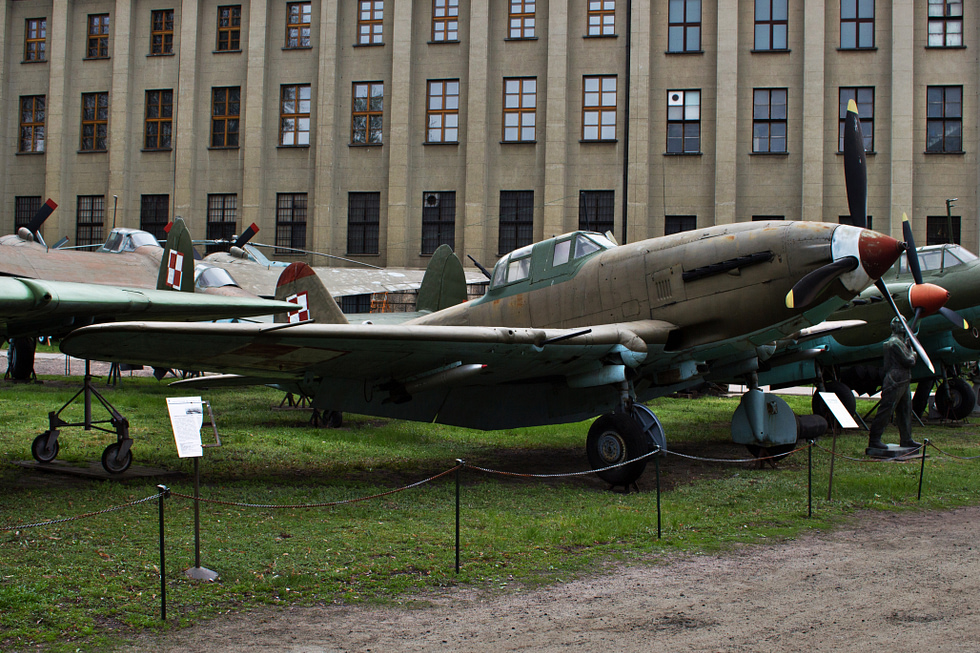
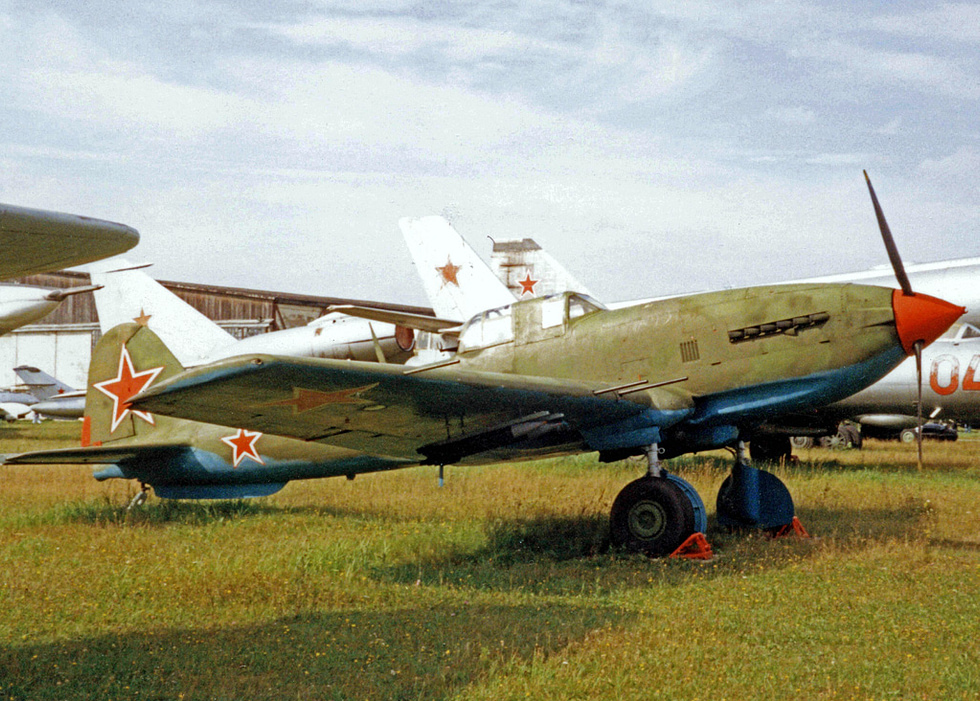
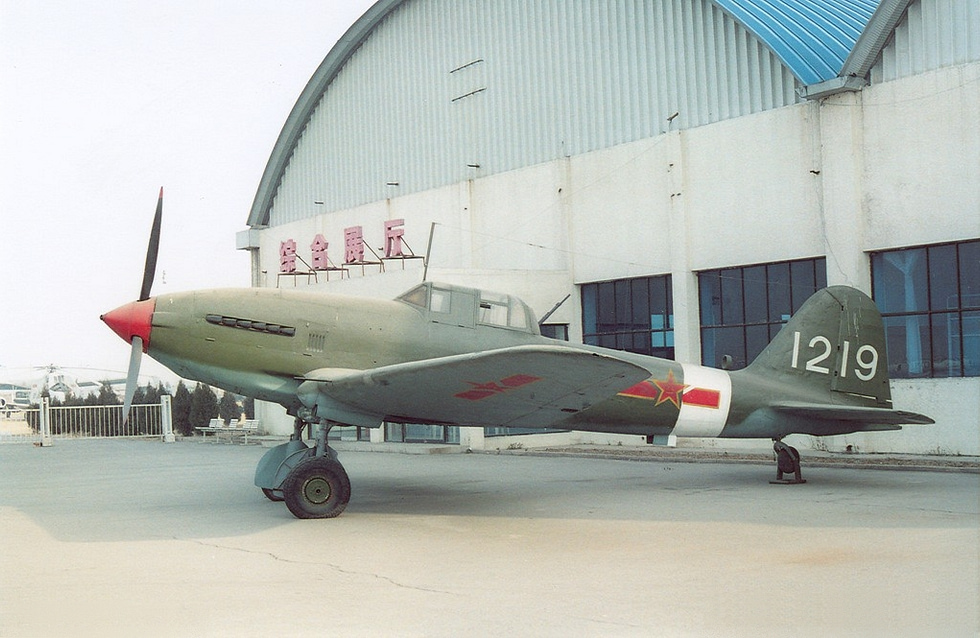
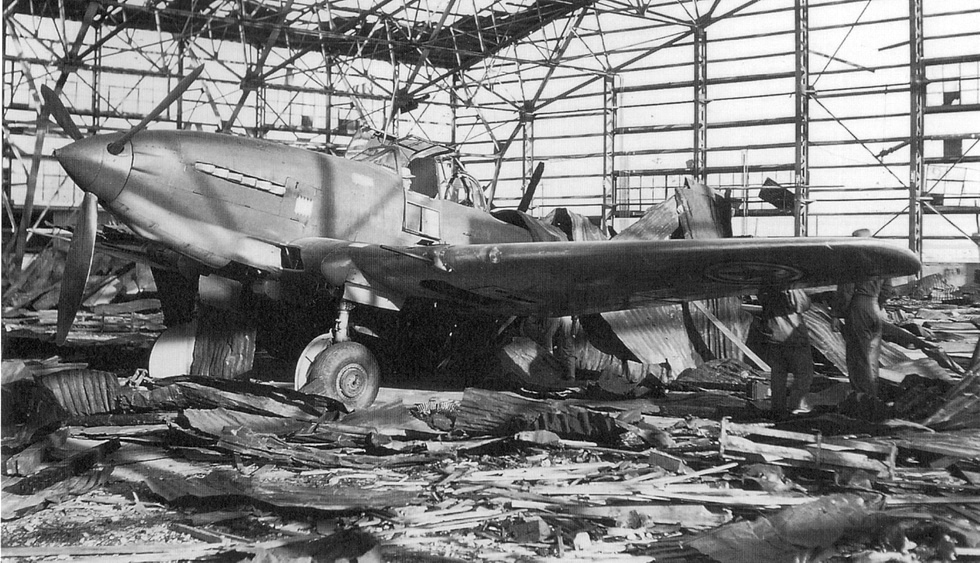
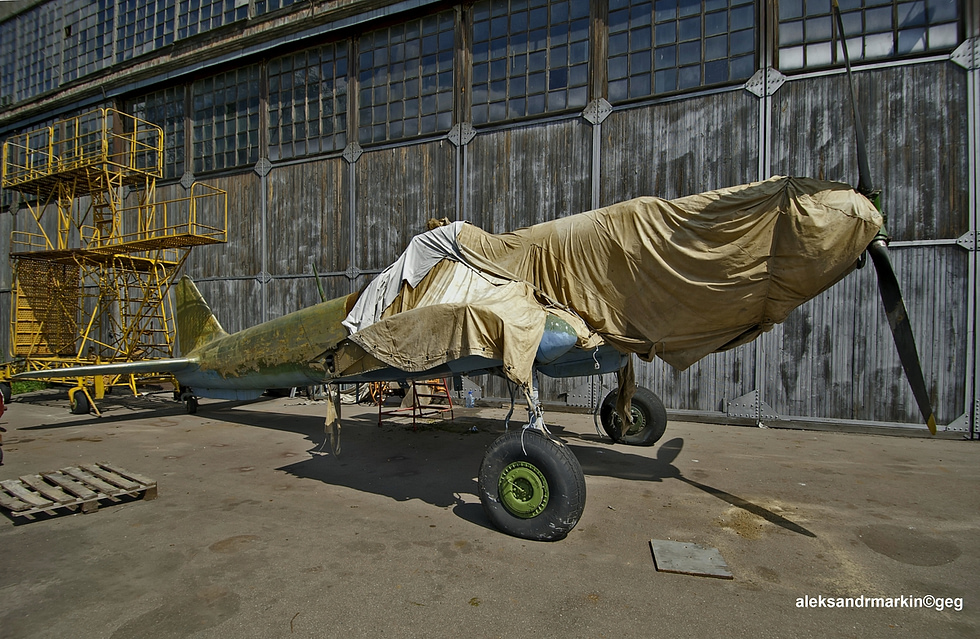
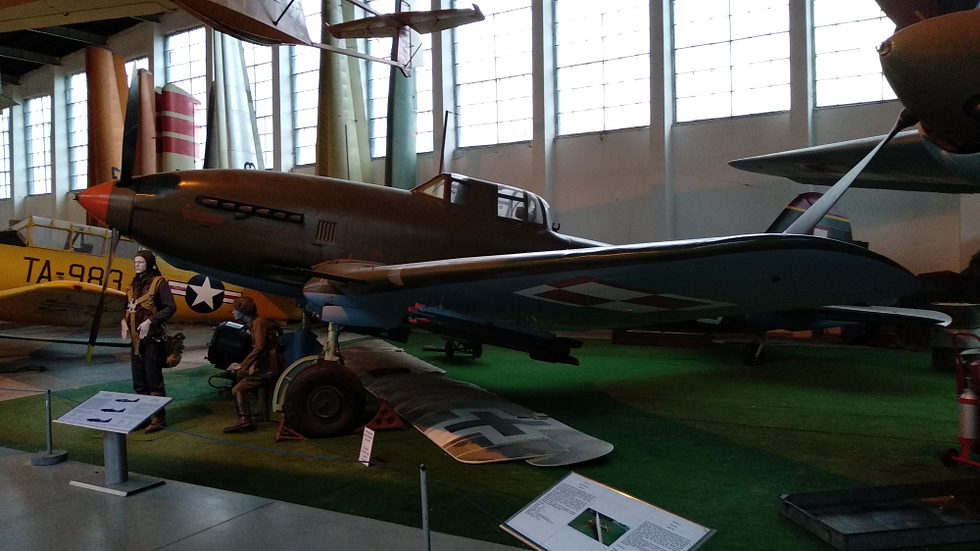
The Ilyushin Il-10 on film
Ed Nash’s Military Matters: Ilyushin’s Armoured Fighters — the Il-1, Il-2I and Il-10. A concise, well-sourced history of the armoured-fighter experiments that led directly to the Il-10, from an established aviation-history channel.
Where the Ilyushin Il-10 served
The Ilyushin Il-10 in combat
The Il-10 was an attack aircraft, not a dogfighter, and its record is written in ground strikes rather than air-to-air kills. Where the Il-2 had fought for years, the Il-10 reached the front only in April 1945 and left a small mark on WWII. Its most vivid combat came in 1950, when North Korean Il-10s opened the Korean War as effective ground-attack aircraft — and were then destroyed within weeks once American fighters took control of the sky.
Compare the combat record of every military aircraft. Figures as of 2026.
Everything people ask about the Ilyushin Il-10
Can I fly in an Ilyushin Il-10?
What was the Ilyushin Il-10?
How was the Il-10 different from the Il-2?
Did the Il-10 fight in World War II?
Was the Il-10 used in the Korean War?
What is the Avia B-33?
How many Il-10s were built?
Are any Ilyushin Il-10s still flying?
You can’t fly the Ilyushin Il-10.
These, you can.
Some legends only live in museums — others are fuelled and waiting. MiGFlug has put civilians in real military jet cockpits since 2004.
 Fly the L-39 AlbatrosThe world’s most-flown jet trainer — aerobatics included
 Fly the F-104 Starfighter“The missile with a man in it”
 Fly the MiG-21The Cold War’s most-produced jet
 Vuela el T-33 Shooting StarAmerica’s first jet trainer
 Fly the DH VampireA piece of early jet history
 Fly the S.211Agile Italian jet trainer
 Fly the MB-326The classic Aermacchi jet
 Fly the MiG-15The Soviet legend of the Korean War
Continue the tour
Every fact, checked
- Vintage Aviation News — First flight of the Ilyushin Il-10Origin story, production totals and the Avia B-33 licence programme.
- Military Factory — Ilyushin Il-10Dimensions, weights, performance and armament reference.
- The Aviation Geek ClubIl-2 to Il-10 development and early Cold War service history.
- Imperial War MuseumsContext for the air war over Korea, 1950–53.
- National Museum of the U.S. Air ForceF-51 Mustang and F-80 Shooting Star operations against North Korean aircraft.
- Polish Aviation Museum, KrakówReference for a preserved Avia B-33 (licence-built Il-10).
- Smithsonian National Air and Space MuseumBackground on the Soviet Sturmovik concept and the Il-2 lineage.
- War in the Skies — Ilyushin Il-10Detailed operational record, regiments and Korean War service.