
Quick Facts
Audit by: DOT Office of Inspector General
Period reviewed: October 2024 – January 2026
Systems audited: 45 FAA high-impact systems
Unimplemented security controls: 1,836
Systems on outdated standards: 15
Systems with inaccurate documentation: 38
FAA response: Concurs with all 4 recommendations; plans full implementation by December 31, 2026
What the Watchdog Found
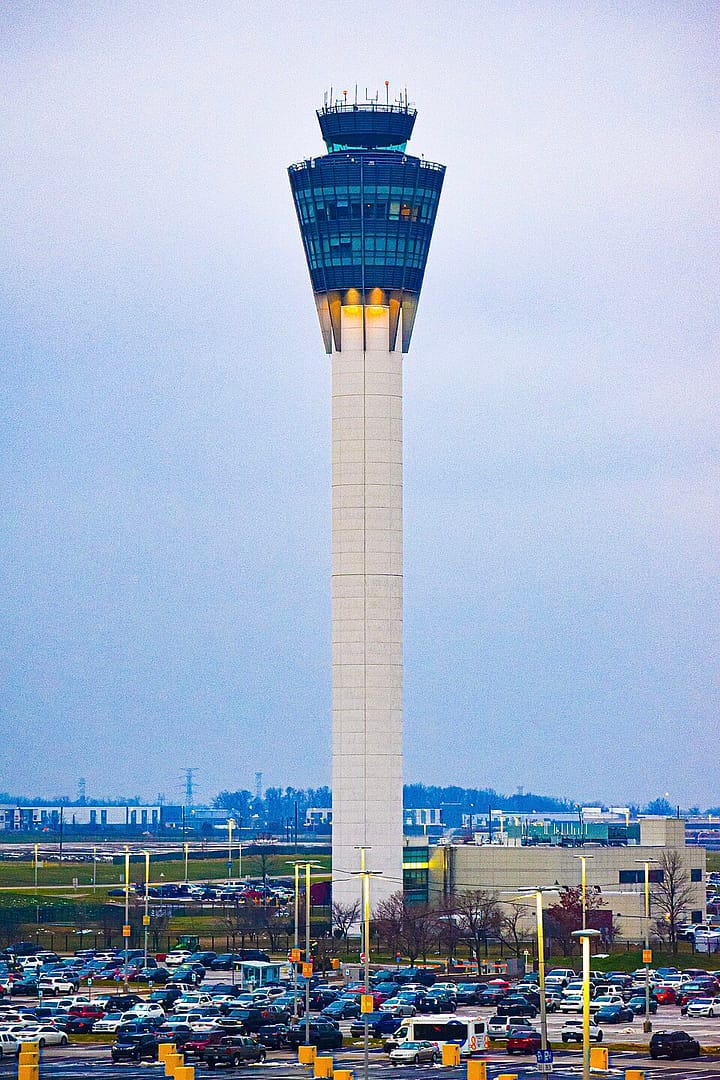
The OIG’s audit — conducted between October 2024 and January 2026 — examined how the FAA implements baseline security controls on its most critical systems. The “high-impact” designation means these systems, if compromised, could have severe or catastrophic consequences for the national airspace. They include air traffic management platforms, surveillance processing systems, communication networks, and the data links that connect controllers to aircraft.
The Transparency Problem
Perhaps more alarming than the missing controls is the disclosure gap. The audit found that the FAA was not fully recording and tracking known weaknesses in the Department’s official cybersecurity management system. Some vulnerabilities were being monitored internally within the FAA’s own tracking tools, but were not visible to DOT-level oversight. This means that the people responsible for ensuring the FAA meets federal cybersecurity standards could not see the full picture of what was broken. This is not incompetence in the usual sense. It suggests a cultural problem — an agency that treats cybersecurity reporting as a bureaucratic burden rather than a safety imperative. In an organisation whose entire reason for existence is safety, that attitude is difficult to defend.
Why It Matters Now
The timing of this audit is not coincidental. Aviation cybersecurity has moved from a niche concern to a front-page issue. China-linked hacking groups have targeted US critical infrastructure. Ransomware attacks have disrupted hospitals, pipelines, and ports. The FAA’s own NOTAM system suffered a nationwide outage in January 2023 that grounded every flight in the United States — an event caused by a database error, not an attack, but one that demonstrated how fragile the system is. The 45 high-impact systems are the backbone of American aviation. They cannot be patched overnight — many run on legacy hardware and software that predates modern cybersecurity frameworks. But the OIG’s finding that basic controls remain unimplemented after years of federal cybersecurity mandates suggests the problem is not technical difficulty. It is priority.What Happens Next
The FAA concurred with all four of the OIG’s recommendations and committed to full implementation by December 31, 2026. That is an aggressive timeline for an agency managing 45 critical systems, each with its own technology stack, operational constraints, and stakeholder dependencies. Whether the FAA meets the deadline — or whether this audit joins the long list of government reports that generate headlines and little else — will depend on whether Congress and DOT leadership treat cybersecurity as a safety-of-flight issue rather than an IT budget line. For the flying public, the reassurance is thin. The systems that keep aircraft separated, navigation data accurate, and communications reliable are running with nearly two thousand known security gaps. The FAA says it is fixing them. The Inspector General says it is not fixing them fast enough. Sources: DOT Office of Inspector General, FedScoop, AVweb, MeriTalk, Foundation for Defense of DemocraciesRelated Posts


 English
0 Comments