
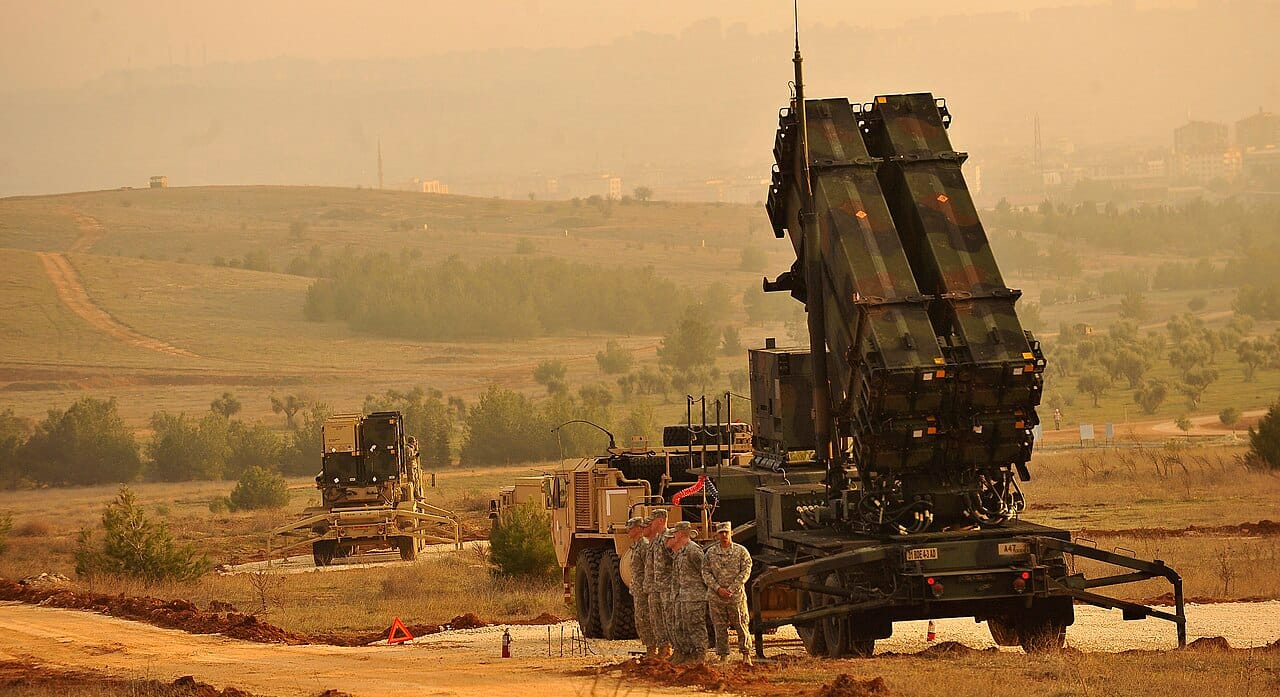
Every Patriot launch costs the U.S. Army about $4 million. Every Iranian Shahed drone costs about $20,000 to build and a few thousand more to ship. The math has been broken for years. The Iranian and Houthi campaigns of 2024-2026 broke it in public, on television, while it was happening. Now the Army has formally said enough — and put out a contract solicitation for a Patriot interceptor that costs less than $1 million per shot.
Quick Facts
Current weapon: PAC-3 Cost Reduction Initiative (CRI) and PAC-3 MSE — about $4 million per missile
New target: Under $1 million per shot for the lower tier of the engagement envelope
Threat: One-way attack drones (Shahed, Geran), small cruise missiles, mortars, artillery rockets
Why: Cost-per-intercept ratio against $20,000 drones is economically unsustainable
Coverage gap: Existing systems either too expensive (Patriot) or too short-ranged (Coyote, M-SHORAD)
Solicitation issued: Spring 2026 by U.S. Army Program Executive Office Missiles and Space
Likely competitors: Lockheed Martin, Raytheon, MBDA, Israeli Iron Dome derivatives, possibly Anduril
Timeline: Initial fielding sought before end of decade
The maths the Pentagon could not avoid
Throughout 2024 and 2025, U.S. Navy destroyers in the Red Sea fired SM-2 surface-to-air missiles — roughly $2 million apiece — at Iranian Shahed drones that cost about $20,000 to build. The kill ratio was excellent. The cost ratio was catastrophic. By some estimates the U.S. spent over $1 billion on missile interceptors during a six-month period against a few hundred Iranian and Houthi drones whose total production cost was less than $10 million.
The Patriot system fares no better. A PAC-3 MSE — the current state-of-the-art Patriot interceptor — costs around $4 million per round. Used against a $20,000 Shahed, the cost ratio is 200-to-1 in the attacker’s favour. Used against a $100,000 cruise missile, it is still 40-to-1. The U.S. and its allies cannot afford to fight this war on these economics indefinitely.
What “under $1 million” actually means
The Army’s solicitation is not asking for a cheaper PAC-3. It is asking for an entirely new interceptor that occupies the lower tier of the engagement envelope — drones, small cruise missiles, mortar and artillery rocket targets at ranges of perhaps 15-40 kilometres. Above that, the existing PAC-3 family still earns its premium price tag against ballistic missiles and high-end air threats.
To hit a sub-$1 million target, the new missile will have to be smaller, simpler, and produced in much higher volumes than the PAC-3. Likely design choices: a smaller rocket motor, a less expensive seeker (probably semi-active radar homing or imaging infrared rather than the PAC-3’s active radar), fewer onboard computers, and aggressive use of commercial-grade electronics qualified for the operating environment.
Where the competition stands
Industry has been telegraphing what it can offer for months. Lockheed Martin has hinted at a cost-reduced PAC-3 variant, possibly leveraging the same airframe with a downgraded seeker. Raytheon has its existing Coyote drone-on-drone interceptor in the running for the smallest end of the threat envelope. MBDA is offering a CAMM-derivative; the Israeli industrial base — Rafael, IAI, Elbit — has Iron Dome lineage to draw on. And Anduril’s acquisition of Numerica gives the company an unexpected position in the C-UAS economic-interceptor market.
What is striking is how little this competition will look like a traditional Pentagon missile programme. The Army wants commercial-style production rates — thousands of rounds per year — and is willing to accept lower individual performance to get there. The model is closer to mass-produced ammunition than to bespoke fighter-launched air-to-air missiles. The era of the $4 million single-shot interceptor against a $20,000 drone is, finally, ending.
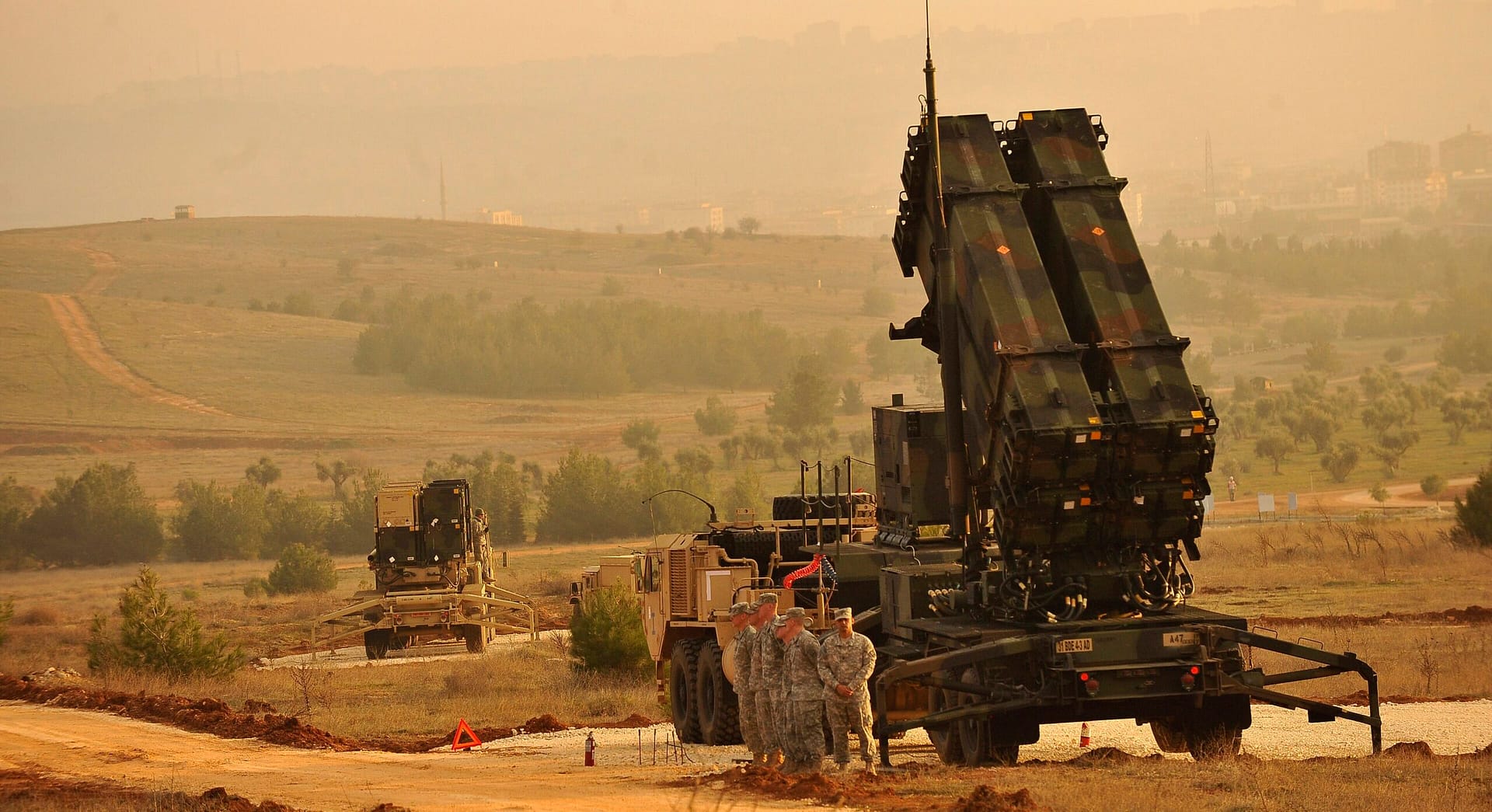
Watch: a US Army Patriot battery in action — and the cost-per-shot problem that is forcing the service to look for a cheaper alternative.
Sources: The War Zone (Joseph Trevithick, 18 May 2026); U.S. Army Program Executive Office Missiles and Space; Defense News.

 English
0 Comments