
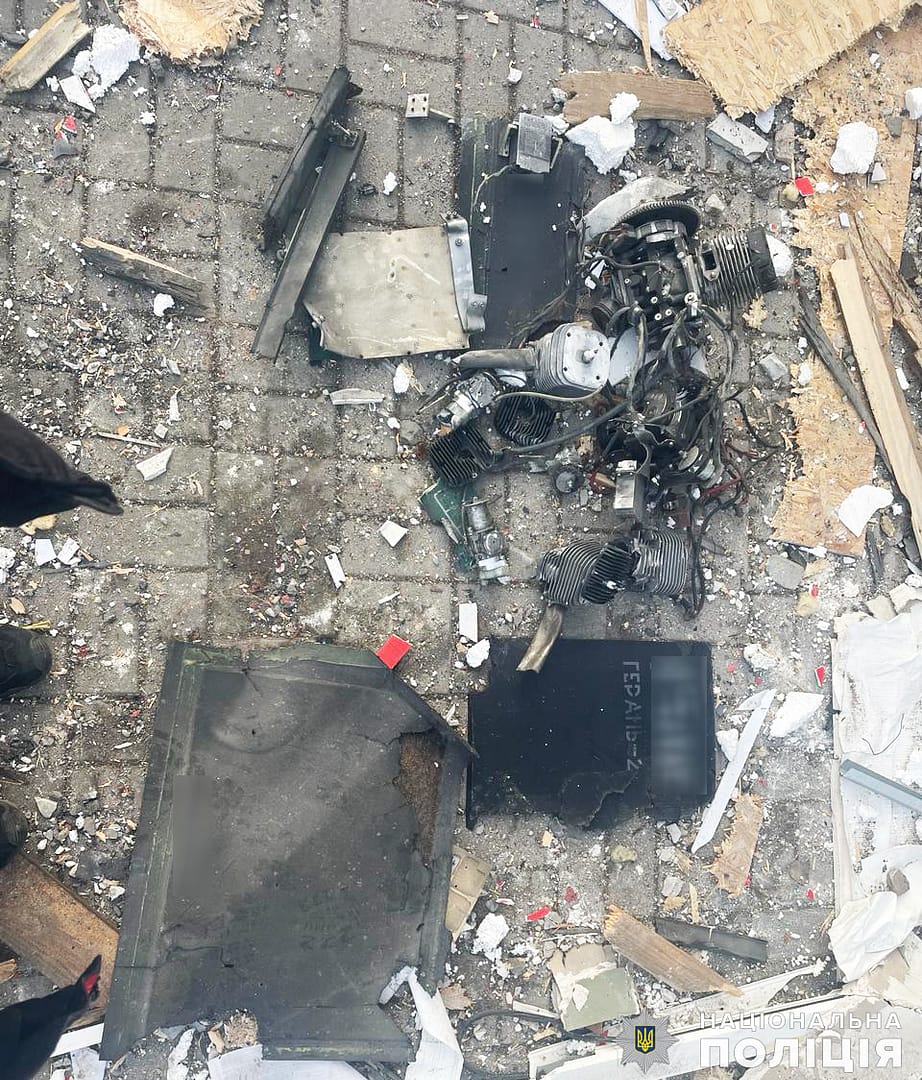
Long before a Russian Shahed reaches a Ukrainian city, it has to be stored, fuelled, launched and guided. On the night of August 6–7, Ukraine went after that entire chain at once, striking a drone launch site, an early-warning radar and the relay stations that steer the drones across occupied Crimea.
Ukraine’s General Staff said the strikes hit a site used to store, prepare and launch Shahed-type attack drones near Hvardiiske, an early-warning radar station near Olenivka, and two ground-based control relays for Geran and Gerbera drones. NASA’s fire-detection satellites later picked up two hotspots beside the Hvardiiske airfield.
Quick Facts
- When: night of August 6–7, 2026
- Where: occupied Crimea and southern Ukraine
- Targets: Shahed launch site (Hvardiiske), early-warning radar (Olenivka), two drone relays
- Also struck: fuel depot near Melitopol; a repair unit near Yakymivka
- Source: Ukraine’s General Staff (Russia has not confirmed damage)
- Corroboration: NASA FIRMS detected two fire hotspots near Hvardiiske
Hitting the launch pads
The centrepiece was a site near Hvardiiske, in Crimea’s Simferopol district, used to store, prepare and launch one-way attack drones. Residents reported waves of aerial activity between 03:30 and 03:39, then again from 04:34 to 04:47, followed by a large fire at the military facility. Rather than shooting the drones down over Ukrainian cities night after night, this is Ukraine trying to destroy them on the ground, before they ever take off.
Blinding the radar, cutting the nerves
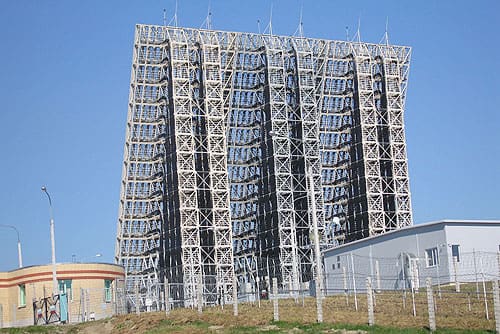
Ukraine also struck an early-warning radar station near Olenivka in western Crimea, along with two ground-based relay stations that control Geran and Gerbera drones — one at Olenivka, another at Zaliznyi Port in Kherson Oblast. Those relays are the nervous system of the drone campaign.
The General Staff noted that the ground relays provide stable communications and pass commands between operators and attack drones, extending their range and effectiveness. Knock out the relays and the Shaheds lose both reach and control.
Part of a wider campaign
The same night, Ukrainian forces reported hitting a Russian fuel and lubricants depot near Melitopol and a military repair unit near Yakymivka in Zaporizhzhia Oblast. It fits a now-familiar pattern: instead of only defending against the nightly Shahed and Geran barrages, Ukraine is reaching deep behind the front to degrade the launch sites, radars and control links that make those barrages possible. Russia, as is usual, has not acknowledged the damage.
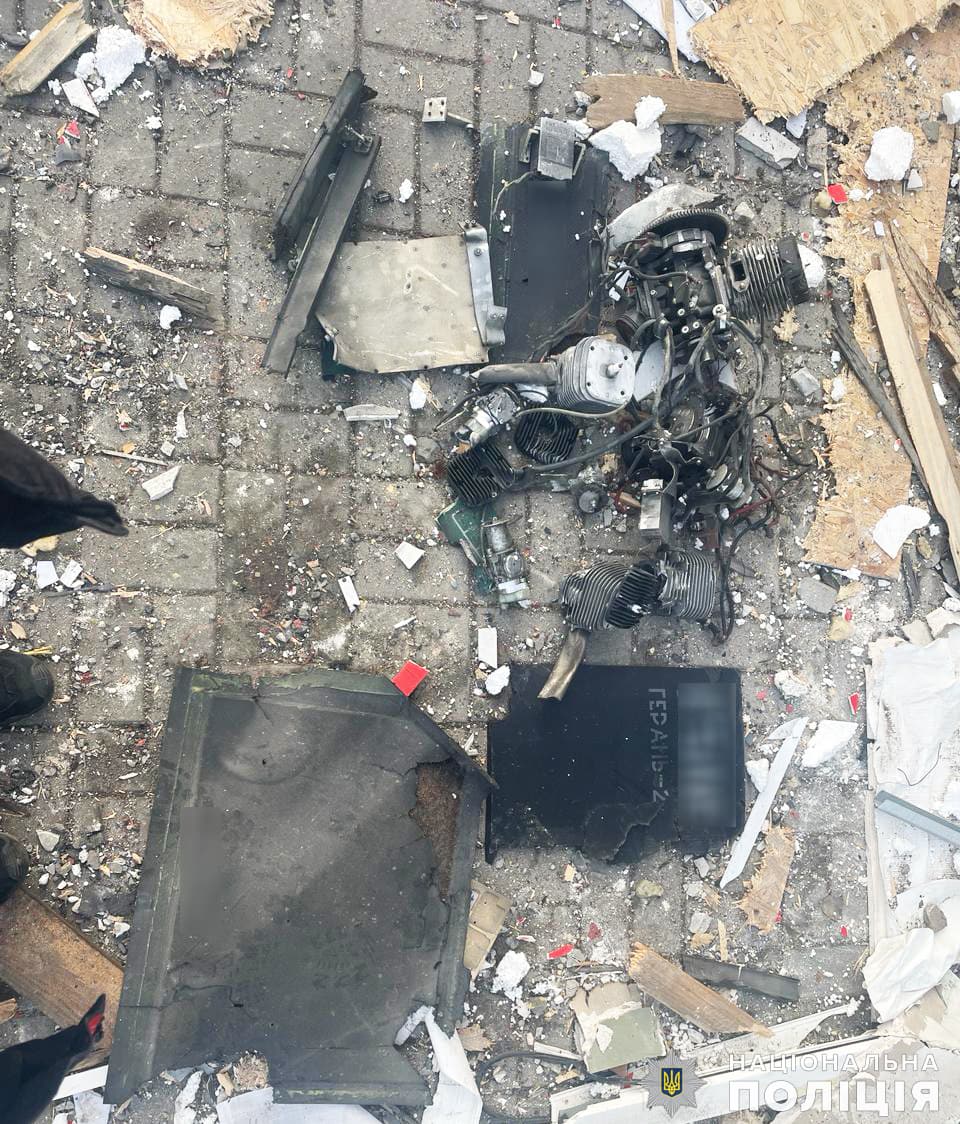
To understand why the launch sites and relays matter so much, it helps to see how cheap and how numerous these drones have become.
Sources: Ukraine General Staff; Ukrinform; Ukrainska Pravda; Interfax-Ukraine; NASA FIRMS.



0 Comments