
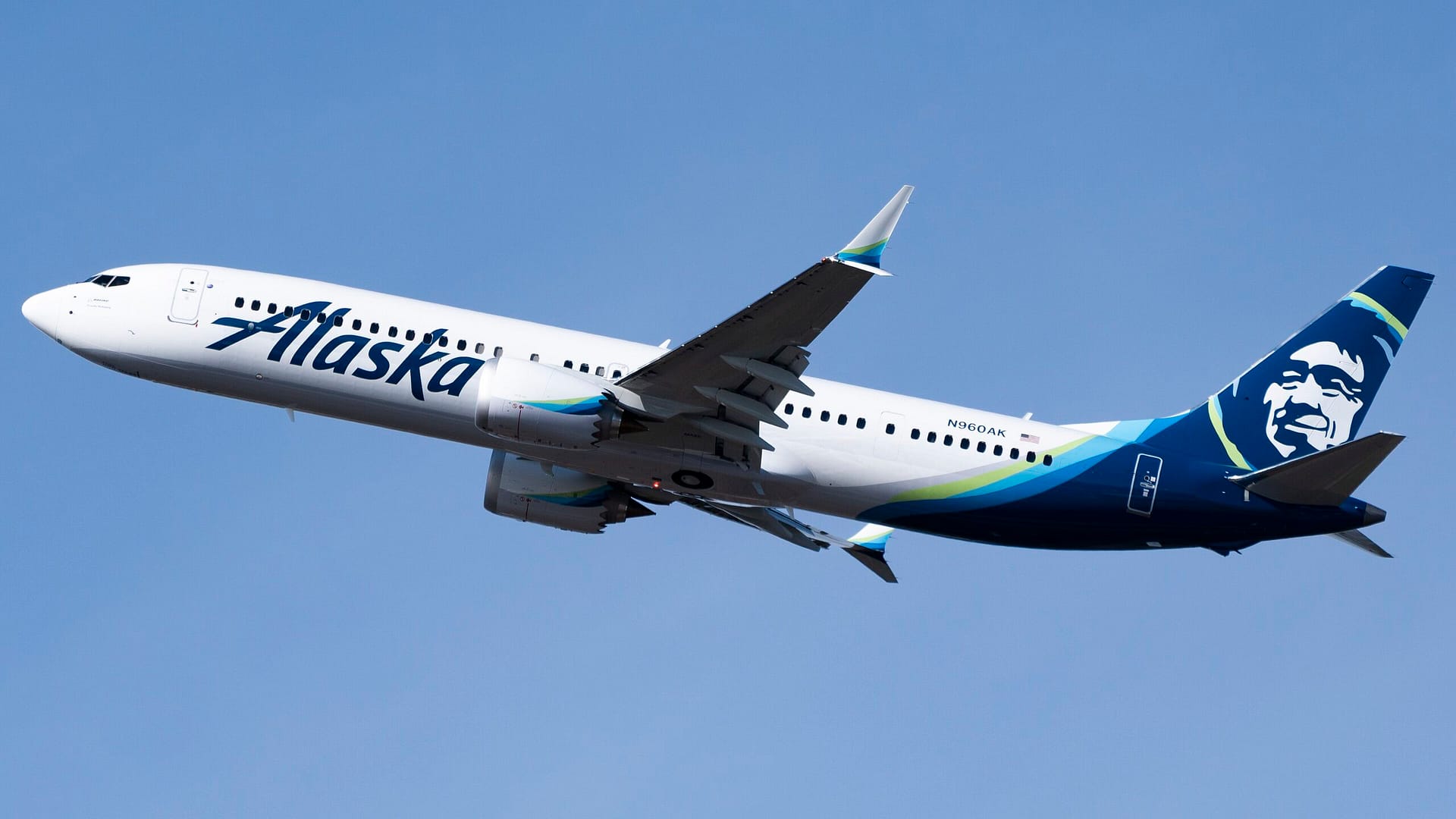
The number is 47. That is how many 737 MAX airliners Boeing’s Renton, Washington factory is now permitted to roll off its assembly lines each month — a production rate the company has not been allowed to touch since the door plug blew out of Alaska Airlines Flight 1282 in January 2024.
The FAA, which had capped Boeing’s MAX output at 38 per month for the 16 months that followed, quietly raised the ceiling on 28 May 2026. The decision is the clearest signal yet that the United States’ largest exporter is finally clawing back toward the production tempo it commanded before MCAS, before the Lion Air and Ethiopian crashes, and before the most embarrassing year in its 110-year corporate history.
Quick Facts
New rate: 47 Boeing 737 MAX per month
Previous cap: 38/month (set after Alaska 1282 door plug, January 2024)
Where: Boeing Renton Plant, Washington State
2018 peak rate: 52/month
Backlog: Over 4,800 MAX orders worldwide
From 38 to 47 — what changed
The 38-per-month cap was imposed by the FAA the week after the Alaska Airlines Flight 1282 incident over Oregon in January 2024. A factory-installed left mid-cabin door plug, fitted without four critical retention bolts, blew out at 16,000 feet shortly after take-off. No fatalities — but the resulting investigation found systemic gaps in Boeing’s quality-management system, and the FAA used the cap to force the company to fix them before pressing for higher output.
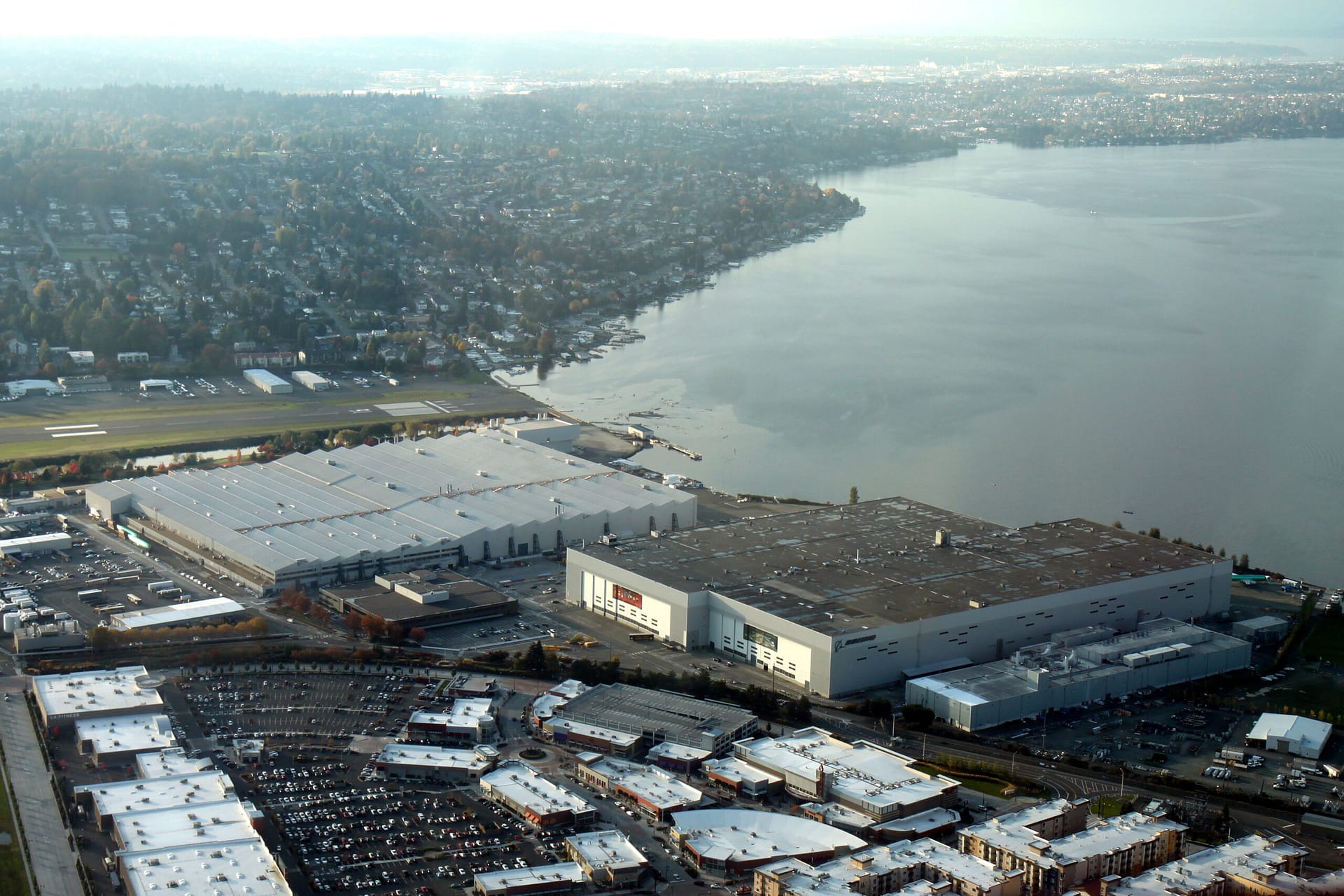
The fixes have been incremental and well-documented: FAA-mandated additional inspections at fuselage joining, fully traceable torque records, third-party quality audits at Spirit AeroSystems (which builds the MAX fuselages in Wichita), and a corporate restructuring that brought Spirit back inside Boeing as a fully owned subsidiary in mid-2025. The Spirit reabsorption was the structural change the FAA had been pushing for — and it cleared the runway for higher production.
Why airlines wanted it
Boeing’s order book is the largest it has ever been. Akasa Air’s 226-aircraft MAX order in April, Riyadh Air’s launch fleet, the unidentified 109-jet “mystery buyer” deal that broke earlier in May — all those airframes have to be built somewhere. At 38 a month, the MAX backlog was stretching deliveries into the 2030s. At 47, Boeing can begin closing the gap with Airbus, which has been outdelivering its US rival for four straight years.
52 is still the target
Renton’s pre-MCAS production peak was 52 airframes per month, achieved briefly in early 2019 before the second MAX crash grounded the type. Boeing’s internal plan, repeatedly confirmed in shareholder calls, is to return to 52 by the end of 2027, and then push higher with a fourth assembly line.
That plan is now back on its original schedule. The aircraft itself — the MAX 7, MAX 9, MAX 10 — remains a workhorse narrow-body that airlines genuinely want. The questions Boeing still has to answer in 2026 are about the long-haul successor (Y2, the 777X replacement, eventually a new mid-market jet), the engine supplier mix, and whether the corporate culture changes made under Ortberg actually stick. But on production rate, the company is — finally — moving again.
Sources: Aviation A2Z, FAA, Boeing investor relations.

 English
0 Comments