
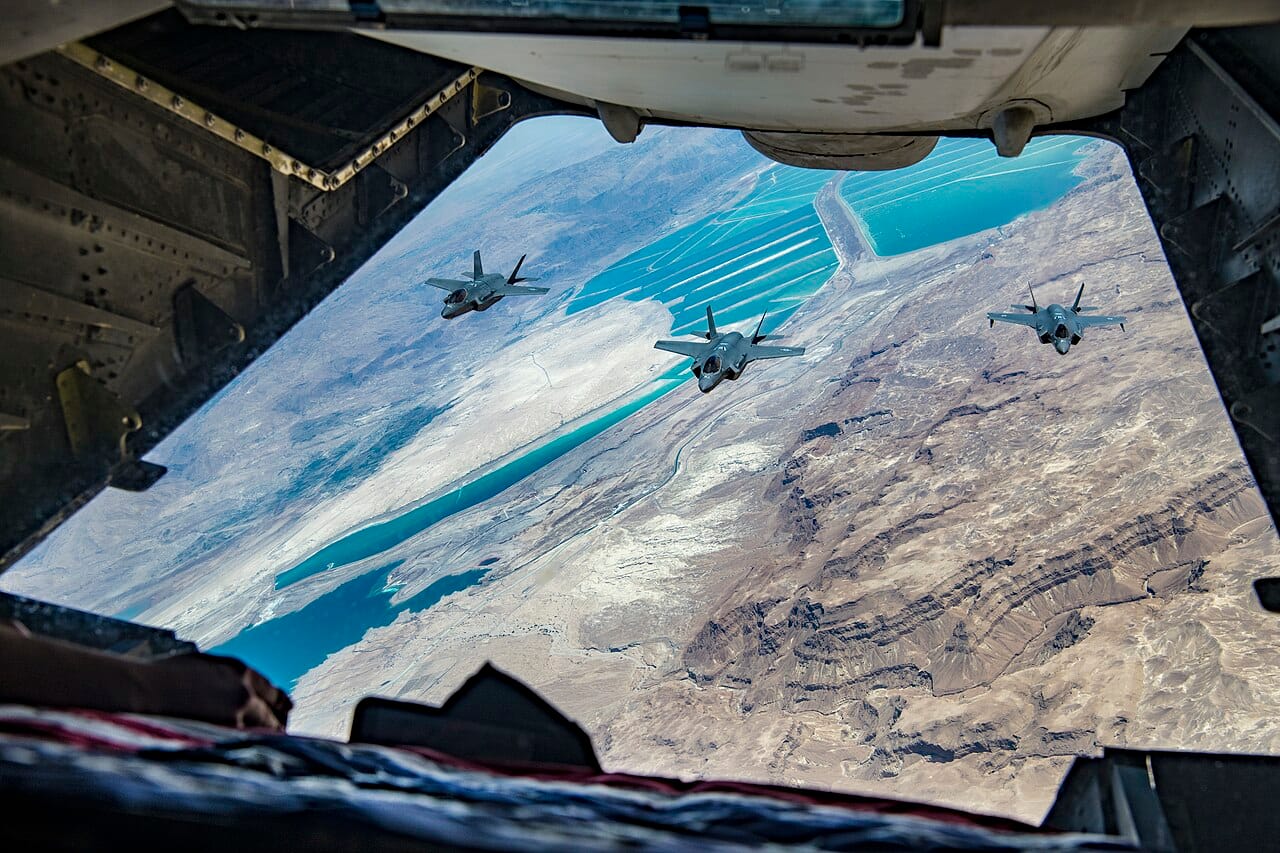
A month ago, Donald Trump stood next to Recep Tayyip Erdoğan in Ankara and all but handed Turkey the keys to the F-35. Sanctions? Gone, he suggested. The stealth jet Ankara was thrown out of buying? Back on the table. It was the kind of moment that makes headlines write themselves.
Then reality did what reality does. As of mid-August 2026, the deal hasn’t moved an inch. The Russian missiles are still in Turkey, the sanctions are still on the books, and Congress is still holding the door shut. The dangle, it turns out, was just that, a dangle.
Quick Facts
- Background: Turkey was expelled from the F-35 program in 2019 after buying Russia’s S-400 air-defence system
- Frozen jets: Six F-35s Ankara already paid for have sat in the U.S. ever since; CAATSA sanctions followed in December 2020
- The thaw: 7 July 2026, at the NATO summit in Ankara, Trump said he would lift CAATSA sanctions and consider selling Turkey the F-35
- The blocker: The FY2020 NDAA bars any transfer until Turkey no longer possesses the S-400 and the administration certifies it to Congress
- State Dept: 22 July 2026: the State Department told Congress Turkey has not yet met these conditions
- Fallback: Up to ~44 Eurofighter Typhoons (20 new from the UK, ~US$10.7bn) plus the homegrown fifth-gen KAAN
How Turkey got locked out in the first place
Rewind to 2019. Turkey wasn’t just an F-35 customer, it was a partner, building components for the jet and slated to receive its own fleet. Then Ankara took delivery of Russia’s S-400 surface-to-air missile system, and Washington lost its mind. The fear was simple: park a Russian radar built to hunt stealth aircraft next to the West’s stealthiest fighter, and you are basically emailing Moscow the F-35’s secrets.
So the U.S. expelled Turkey from the program. Six F-35s Ankara had already paid for were mothballed on American soil, where they remain. In December 2020, CAATSA sanctions landed on top for good measure. We covered the July thaw in detail in Trump Dangles the F-35 in Ankara; this is what happened after the cameras left.
Why it’s stuck
Here is the wall Trump keeps running into: it isn’t really his call. The FY2020 defense authorization act flatly bars transferring F-35s to Turkey until Ankara no longer possesses the S-400 and the administration certifies as much to Congress. Not switches it off. Not promises to be good. Gets rid of it.
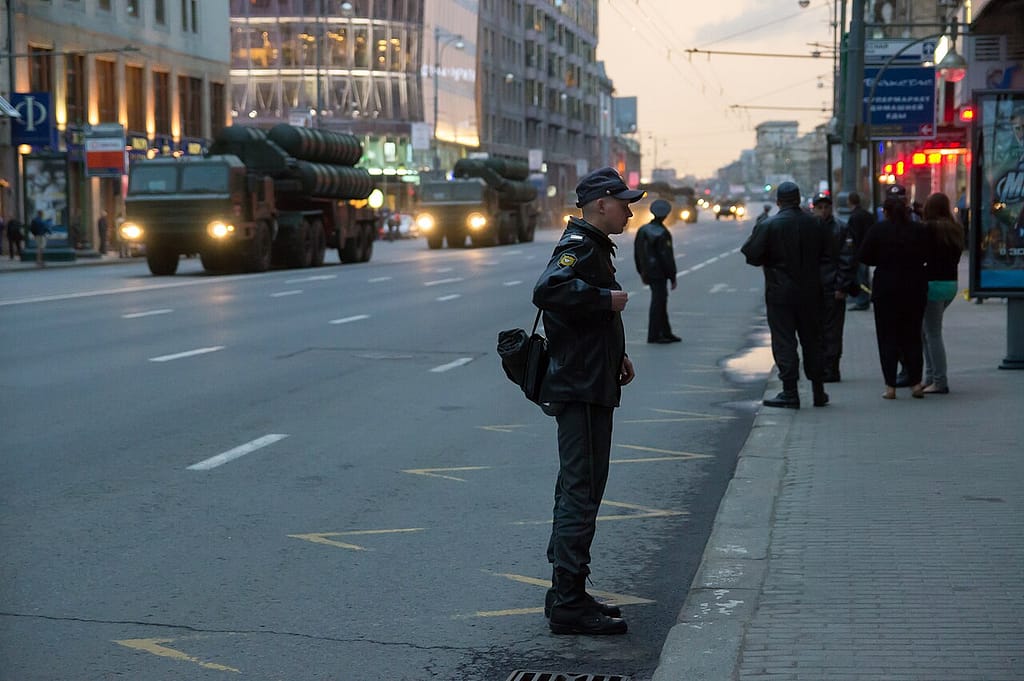
On 22 July, the State Department put it in writing to lawmakers: Turkey has not yet met these conditions. Trump’s own diplomats, in other words, quietly told Congress the boss’s deal isn’t legal yet. And Congress isn’t in a mood to be flexible.
That is the Republican chairman of the Senate Foreign Relations Committee, a man with a longstanding hold on the sale. He is not alone.
The options for actually clearing the S-400 are all ugly. Turkey could sell it to the UAE; talks reportedly opened in July but haven’t advanced. It could disable the system, which many in Congress reject as a dodge rather than divestment. Or it could destroy the thing outright. And there is a twist even Ankara can’t control: Russia must approve any onward sale of the S-400, handing Moscow a veto over a deal designed to pull Turkey back toward the West.
Israel, for its part, is lobbying hard to keep the restrictions exactly where they are, warning that arming Turkey with fifth-gen stealth would upend the regional balance. In a Washington where the votes are already tight, that pressure matters.
Turkey’s fallback: Typhoon now, KAAN later
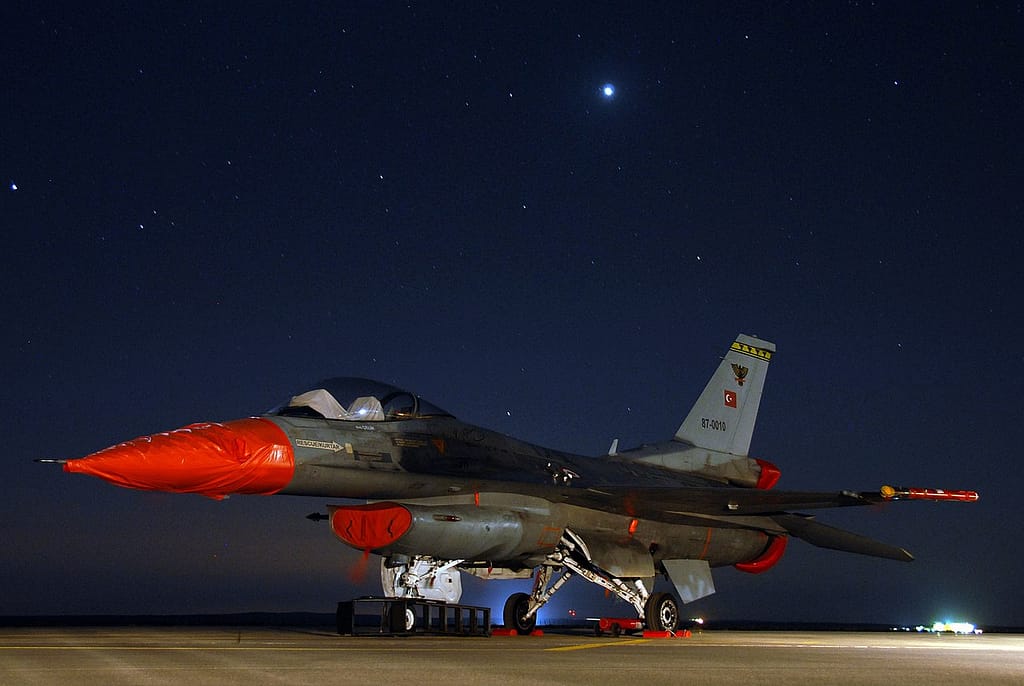
Ankara isn’t sitting around waiting for a permission slip. Its front-line fleet still leans on ageing F-16s, and Turkey has been busy building a Plan B that doesn’t run through Capitol Hill.
Step one is the Eurofighter Typhoon. Turkey signed the supporting deal with the UK in 2026 to acquire 20 new Tranche 4 jets in a package worth around US$10.7 billion, with first deliveries expected in 2027. Add second-hand Typhoons being negotiated from Qatar and Oman, and Turkey is eyeing a fleet of roughly 44, a serious European stopgap with no Washington strings attached.
Step two is homegrown: KAAN, Turkey’s indigenous fifth-generation fighter. The first prototype flew in February 2024, the air force has contracted an initial batch, and a second prototype has been running taxi trials with a maiden flight targeted before the end of 2026. It won’t arrive overnight, but it is the long-game answer to being told no one too many times.
Where it stands now
As of August 2026, nothing has changed where it counts. The S-400 is still in Turkish hands. The certification Congress demands hasn’t been sent, because it can’t be. The UAE side deal hasn’t firmed up. And the six F-35s with Turkey’s name on them are still gathering dust in America.
Trump can dangle the jet all he likes. Until those Russian missiles physically leave the country, the F-35 stays exactly where it is, grounded by a law the president can’t wave away and a Senate that has no interest in helping him try.
Sources: Semafor, Al-Monitor, The Times of Israel, Militarnyi, Daily Sabah, Atlantic Council.

0 Comments