
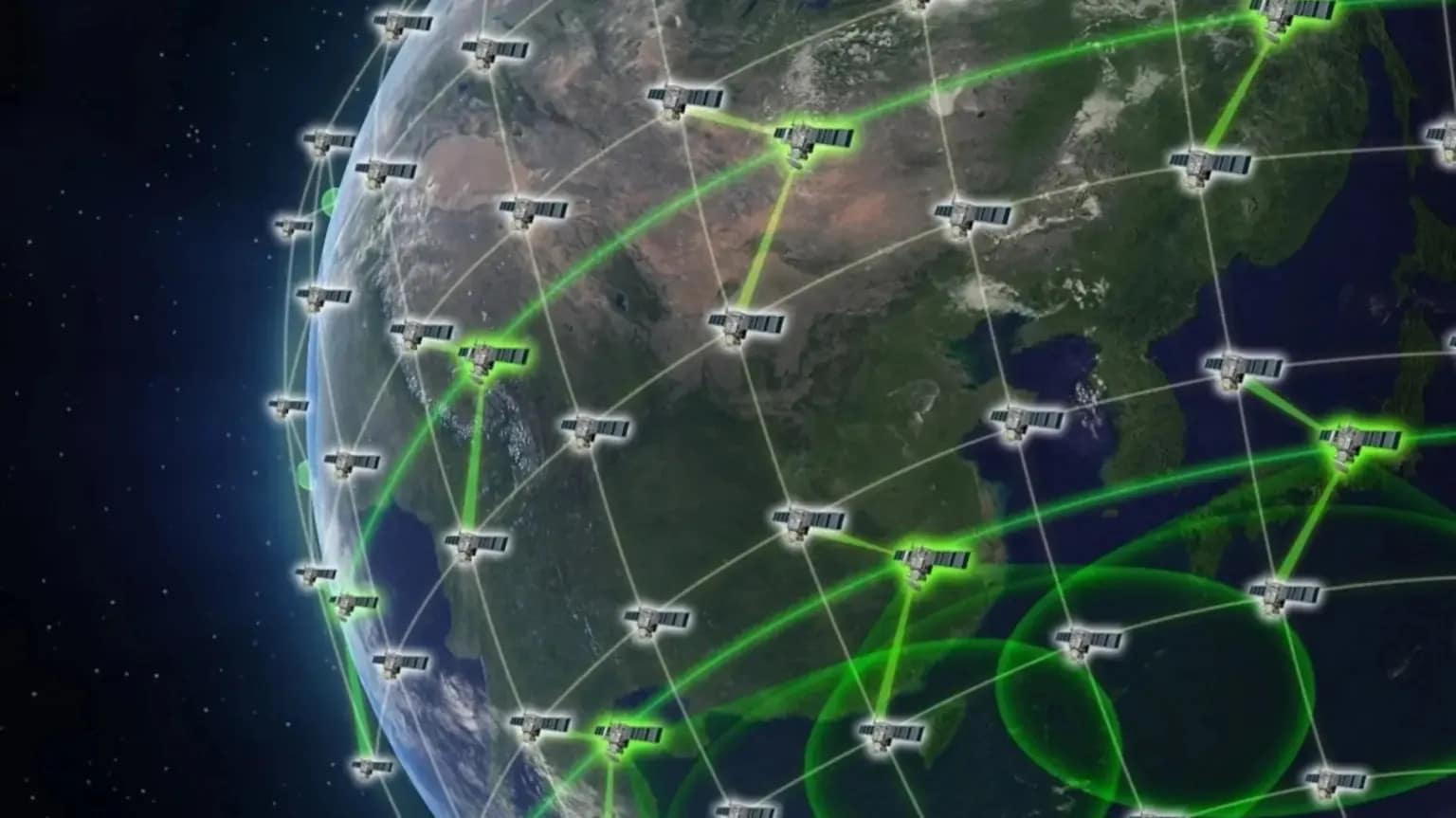
The Pentagon just paid SpaceX $4.16 billion to start putting the AWACS out of a job. On May 29, the U.S. Space Force handed Elon Musk’s company the first major award under its Space-Based Airborne Moving Target Indicator programme — SB-AMTI — a satellite network designed to do from orbit what radar planes have done since the 1970s: find, identify and track aircraft moving anywhere in the sky.
And the timeline is the real shock. Officials used to talk about space-based air tracking as a 2030s problem. The Space Force now says it wants an “early capability” in orbit by 2028. That’s two years away.
If it works, the implications cascade through everything: how fighters find targets, how missiles get their mid-course updates, and whether billion-dollar radar jets like the E-3 Sentry and E-7 Wedgetail still make sense in a world where the radar never lands.
Quick Facts
- Deal: $4.16 billion Other Transaction Authority agreement with SpaceX
- Programme: SB-AMTI — Space-Based Airborne Moving Target Indicator
- Goal: a satellite constellation that tracks aircraft globally from orbit
- Timeline: early operational capability targeted for 2028
- Awarded by: Space Force Portfolio Acquisition Executive for Space-Based Sensing & Targeting
- What’s next: $7+ billion requested in FY2027 to expand the system; more vendors to follow
AWACS From Orbit
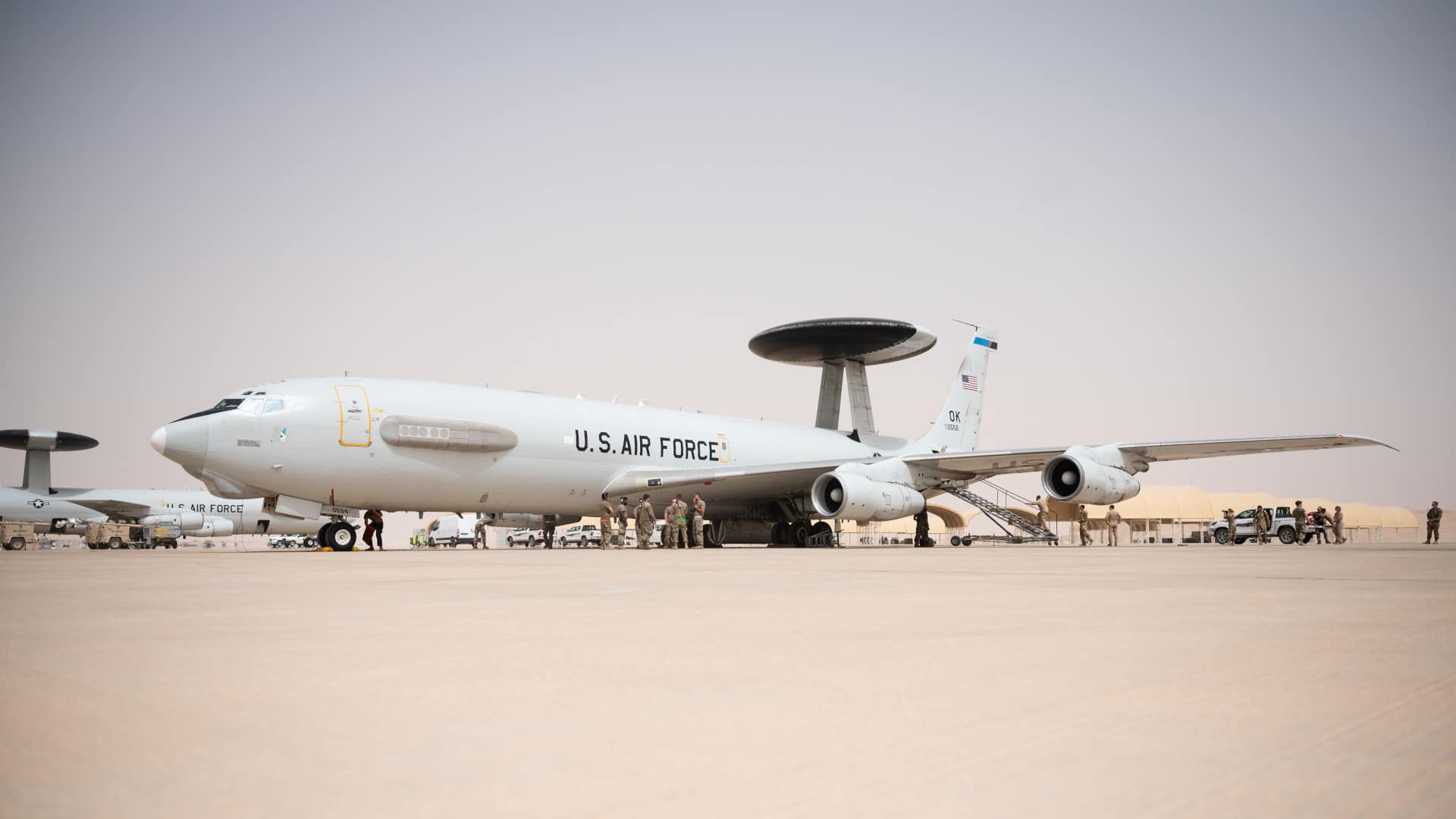
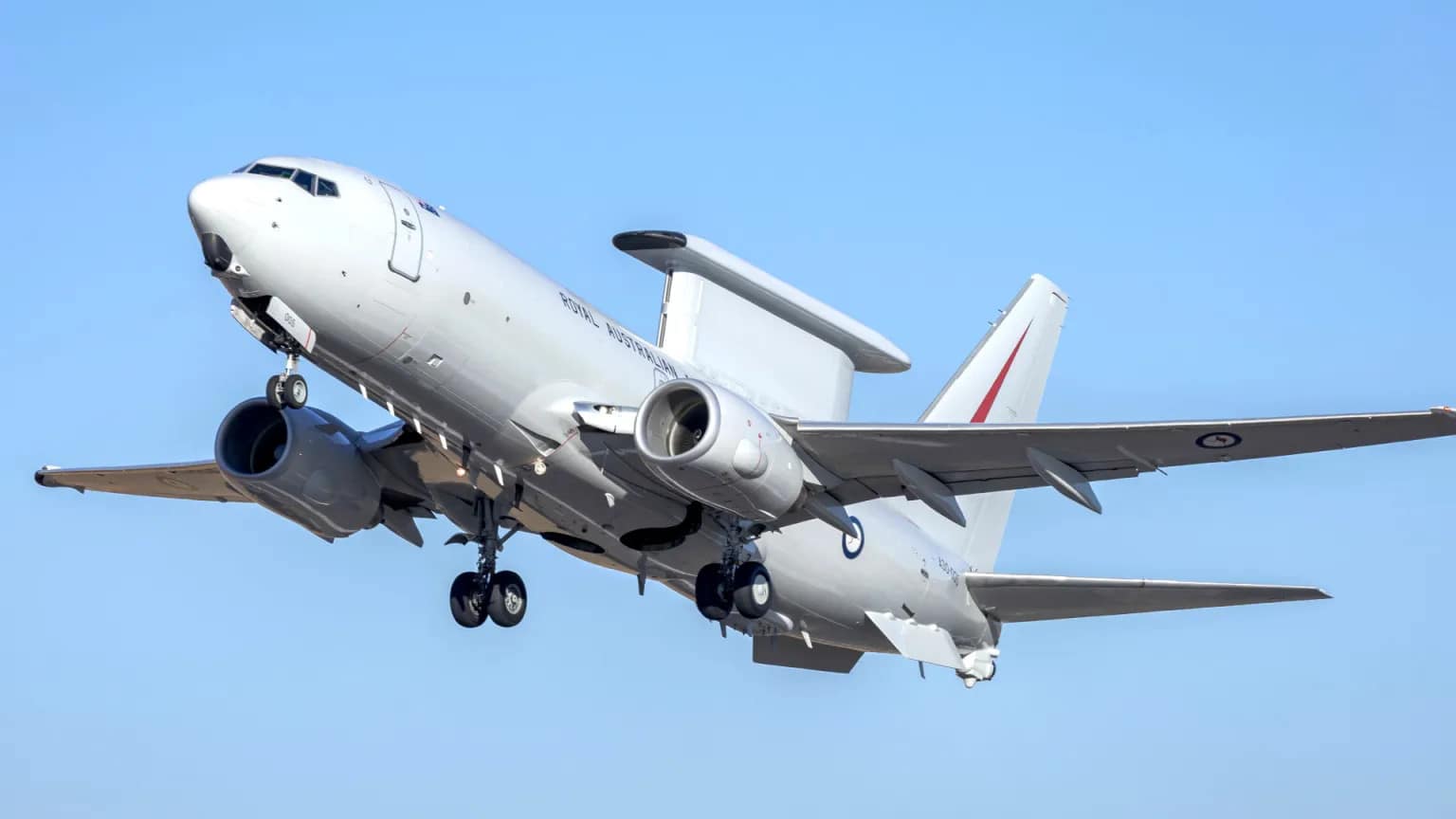
For half a century, the answer to “what’s flying out there?” has been a big jet with a bigger radar. The E-3 Sentry and its rotating dome. The E-7 Wedgetail and its surfboard antenna. These aircraft are flying command posts — and increasingly, flying targets. Modern anti-access weapons, particularly China’s very-long-range air-to-air missiles, are built specifically to push such aircraft so far back that their radars go blind where it matters.
The Space Force said the quiet part out loud in its award announcement: airborne platforms tracking moving targets face “continued challenges as adversaries develop increasingly sophisticated anti-access/area-denial systems.” The answer, per the service, is “a persistent, global capability to sense and track airborne targets from space.”
A constellation doesn’t have crew fatigue, doesn’t need tanker support, and can’t be chased out of the fight. Shoot down one satellite in a mesh of hundreds and the network shrugs. That resilience — plus genuinely global, persistent coverage — is what no aircraft can offer.
Why Tracking Aircraft From Space Is Brutally Hard
The Space Force already has a programme pushing ground moving-target indication (GMTI) into orbit. Air targets are a different beast entirely — they move at hundreds of knots in three dimensions, demanding far higher track fidelity from sensors hundreds of kilometres away.
Classified on-orbit prototype testing has reportedly been running for at least a year, with the National Reconnaissance Office deeply involved alongside the Air Force and Space Force. SpaceX is no stranger to this world either: its Starshield arm already builds classified satellites for the U.S. government, and its Starlink production line gives it a manufacturing cadence no defence prime can match.
The E-7 Survives — For Now
Here’s the political subtext. The push for space-based AMTI was directly tied to last year’s attempt to kill the E-7 Wedgetail purchase, the planned successor to the geriatric E-3 fleet. Congress balked, the Pentagon backed down, and the E-7 is moving ahead again. But nobody in the building hides the end state: most, if not all, of the air-tracking mission eventually migrates to orbit.
The Space Force is careful to stress SpaceX won’t own this programme alone. Nine companies were cleared to compete for SB-AMTI work, and more awards are expected next year.
Still, the realities favour Musk. No other company can currently launch at SpaceX’s cadence or price, and the company’s dual role — building the sensors and flying them to orbit — gives it a gravitational pull on every follow-on contract. The Space Force has already asked for more than $7 billion in additional SB-AMTI funding in its Fiscal Year 2027 request, and the architecture is expected to feed directly into the Golden Dome missile defence initiative.
What It Means for the Cockpit
Think through the kill chain. If a satellite mesh can hold weapons-grade tracks on every aircraft over a theatre, a fighter no longer needs to light up its own radar to shoot — it can receive targeting from above and stay electronically silent. Missiles can be guided onto tracks the launching aircraft never saw. Even the sensors future fighters carry could change, because the most powerful radar in the fight will be 500 kilometres straight up.
That world isn’t here yet, and 2028 is an “early capability,” not a finished one. But $4.16 billion is not a science project. The Pentagon just put real money on a simple proposition: the AWACS of the 2030s won’t have wings.
The video below shows how SpaceX deploys satellites in batches — the production-line approach to orbit that made a constellation like SB-AMTI thinkable in the first place.
Sources: U.S. Space Force, Reuters, Breaking Defense, Military Times, The War Zone


 English
0 Comments