
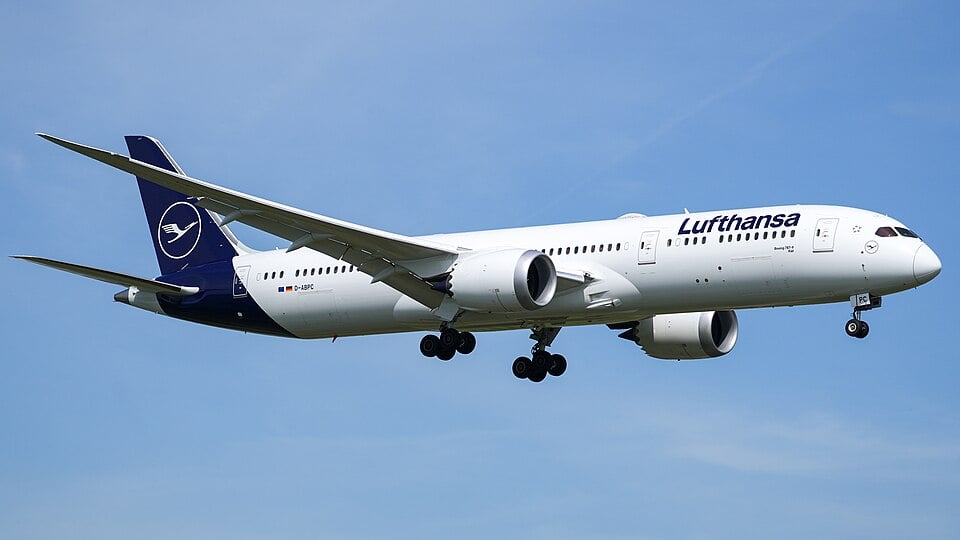
Quick Facts
- Aircraft: Lufthansa Boeing 787-9 (D-ABPQ, named "Herne")
- Delivered: January 2026 — under 4 months old at time of incident
- Location: Gate position, Frankfurt Airport (FRA)
- Date: 4 June 2026, approximately 12:45 local time
- Injuries: two cabin crew and several ground staff; no passengers aboard
- Investigating: BFU (German Federal Bureau of Aircraft Accident Investigation)
- Boeing involvement: Providing monitoring system data, hydraulic and sensor readings
What the BFU Is Looking At
The investigation covers four main areas. First, maintenance records: was the nose gear properly serviced since delivery, and were all post-delivery inspection requirements met? Second, structural integrity: is there a manufacturing defect in the nose gear assembly or its attachment points? Third, hydraulic and sensor data from Boeing's onboard monitoring systems: did the gear's hydraulic locks disengage unexpectedly, and if so, why? Fourth, ground procedures: was anything happening to the aircraft at the time — pushback, towing, loading — that could have placed unusual stress on the nose gear?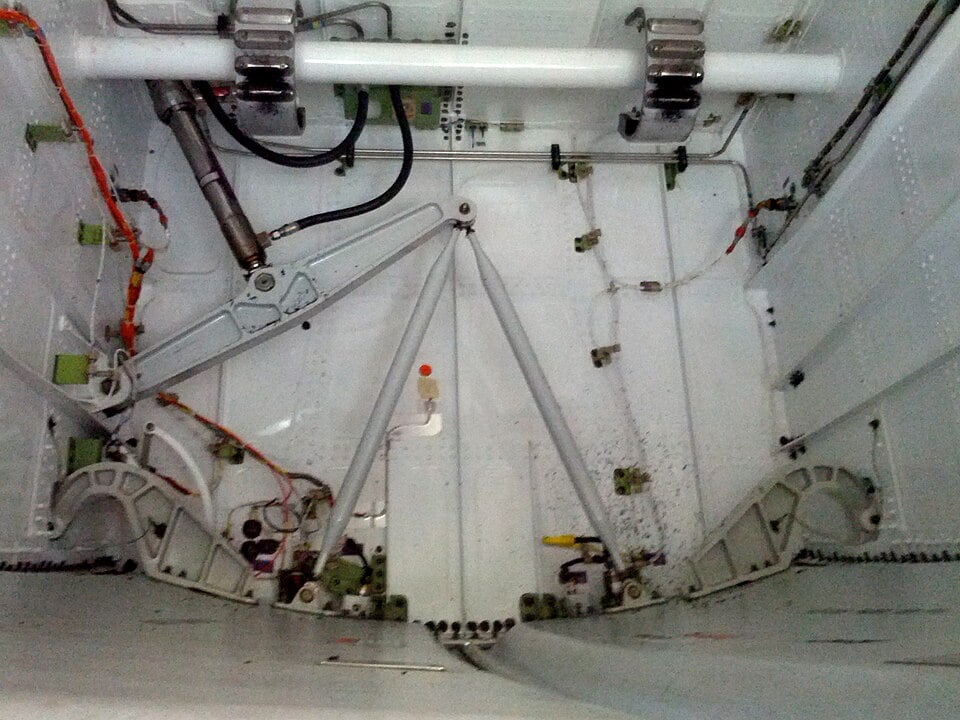
Wider Boeing Scrutiny
The incident adds to a difficult period for Boeing. The manufacturer has faced intense scrutiny over quality control since the Alaska Airlines 737 MAX 9 door plug blowout in January 2024 and subsequent production issues. While the 787 programme has been separate from the MAX's troubles, any structural failure on a near-new widebody inevitably raises questions about manufacturing standards across Boeing's product line.What Happens Next
The BFU investigation will take months. Preliminary findings may emerge sooner if a clear mechanical cause is identified — a failed hydraulic actuator, a defective locking pin, a sensor malfunction. If the cause points to a manufacturing or design issue, Boeing could face an airworthiness directive requiring inspections across the global 787 fleet. If it proves to be an isolated incident or maintenance-related, the fallout will be contained. Either way, the image of a brand-new Dreamliner on its nose at Frankfurt is not one Boeing or Lufthansa will forget soon. The investigation will determine whether it was a freak event or a warning sign. Sources: ABC News, Aviation A2Z, Aviation24.be, Travel and Tour WorldRelated Questions
What happened to the Lufthansa Boeing 787 at Frankfurt?
On 4 June 2026, a nearly new Lufthansa Boeing 787-9 Dreamliner named Herne suffered a nose landing-gear collapse while parked at a gate at Frankfurt Airport, tipping forward onto its nose at about 12:45 local time. No passengers were aboard; two cabin crew and several ground staff were injured.
How old was the Lufthansa 787 that collapsed?
The aircraft, registration D-ABPQ, was delivered to Lufthansa in January 2026 and entered long-haul service in February with the carrier's flagship Allegris cabin. It had been flying for under four months when its nose gear failed — unusually early for such a serious structural problem.
Who is investigating the Lufthansa 787 nose gear collapse?
Germany's Federal Bureau of Aircraft Accident Investigation (BFU) launched a formal probe. Boeing is providing data from the aircraft's onboard monitoring systems, including hydraulic and sensor readings. Formal investigations like this resemble the structured process used by bodies such as the US NTSB.
What is the BFU investigation looking at?
The BFU is examining four main areas: maintenance records and whether the nose gear was properly serviced since delivery; structural integrity and any manufacturing defect in the gear or its attachment points; hydraulic and sensor data from Boeing's monitoring systems; and ground-crew procedures at the time of the collapse.
What is the Boeing 787 Dreamliner?
The Boeing 787 Dreamliner is a modern, fuel-efficient long-haul widebody built largely from composite materials. Lufthansa flies it with its new Allegris premium cabin. Like other current airliners, it shares a broadly similar shape with rivals — part of why modern jets look so alike.
Related Posts
Brand-New Lufthansa 787 Drops on Its Nose
what an unfortunate event for Boeing and Lufthansa. I pray that all crew and personnel injured in this unfortunate event make a full recovery and can work again soon.