
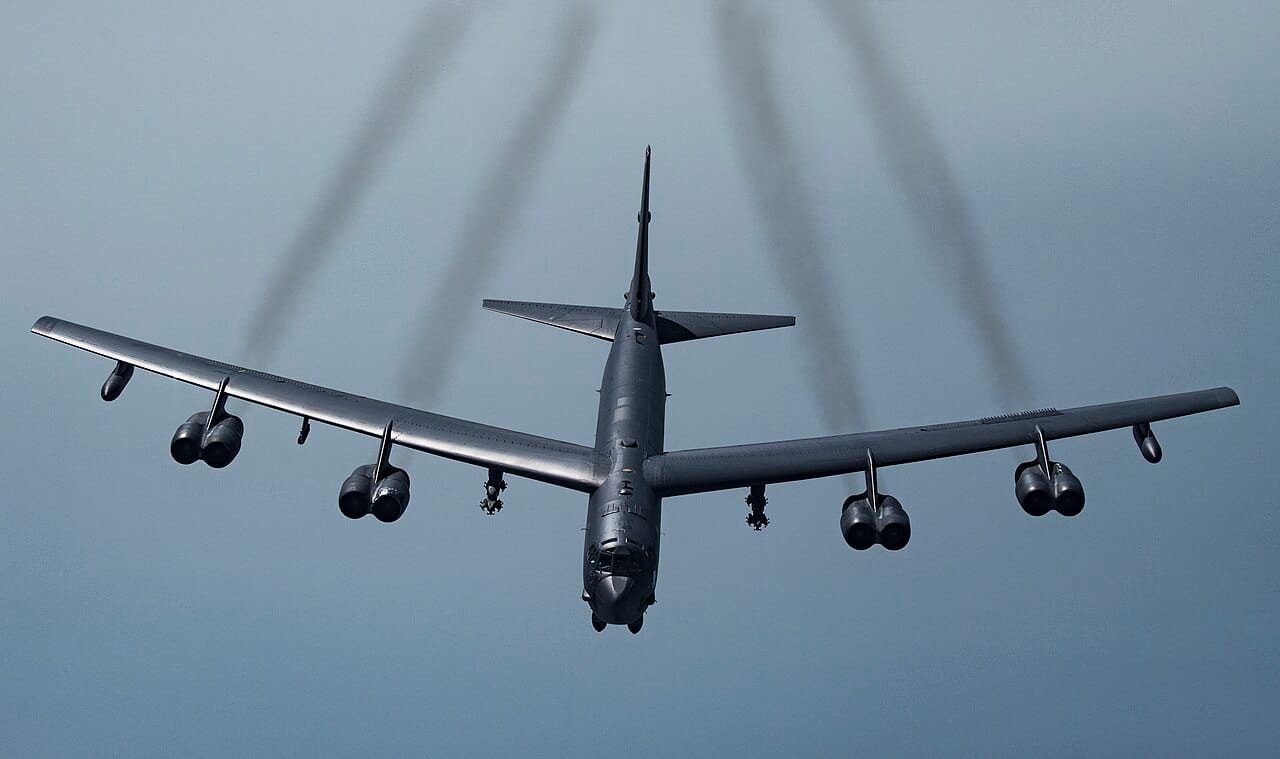
On the afternoon of 24 June 1994, a 250-ton bomber wheeled around the control tower at Fairchild Air Force Base in a bank no B-52 was ever meant to hold. The left wing kept dropping — past 60 degrees, past 90 — until the giant simply stopped flying. It stalled, rolled, clipped the power lines and hit the ground in a fireball. Four experienced officers died in seconds.
What makes Czar 52 one of the most-studied crashes in aviation is that almost nobody who knew the pilot was surprised. The disaster had been building for three years, in plain sight, and every chance to stop it was missed.
Quick Facts
- Aircraft: Boeing B-52H Stratofortress, tail 61-0026, callsign “Czar 52”
- Date: 24 June 1994, Fairchild AFB, Washington
- Flight: practice for an air-show demonstration
- Pilot: Lt Col Arthur “Bud” Holland — chief of Standardization & Evaluation
- Crew lost: Holland, Lt Col Mark McGeehan, Col Robert Wolff, Lt Col Ken Huston
- Cause: a 360° turn around the tower at ~250 ft; bank exceeded 90°, stalled and crashed
- Legacy: the textbook case study in flight discipline and failed leadership
The best stick on the base
Lt Col Arthur “Bud” Holland was, by common account, a superb stick-and-rudder pilot with thousands of hours on the B-52. He was also the chief of the 92nd Bomb Wing’s Standardization and Evaluation branch — the very officer responsible for enforcing the rules everyone else flew by. And from 1991 onward he broke them, spectacularly and repeatedly: bank angles and pitch attitudes far beyond limits, passes far below minimum altitude, manoeuvres a heavy bomber has no business performing.
Every warning ignored
Investigators later catalogued incident after incident: prohibited wingovers at a change-of-command flypast, filming bomb runs from the bomb bay, a low pass over a hillside that left crews genuinely frightened. Junior aircrew stopped speaking up, because they watched senior leaders witness the violations and do nothing more than mutter a verbal reprimand.
By 1994 the fear was open. On one mission Holland flew so far below minimum altitude that a co-pilot grabbed the controls; afterwards crew members flatly refused to fly with him again. Lt Col Mark McGeehan, who commanded the 325th Bomb Squadron, went further: he forbade his men from flying with Holland unless he, McGeehan, was aboard to watch him. That decision is why McGeehan was in the co-pilot’s seat on the last flight.
The last turn
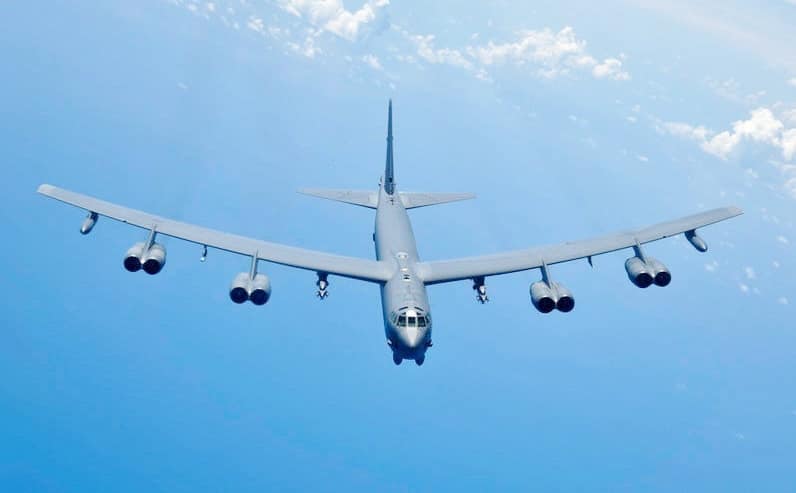
The 24 June practice was for an air show that weekend. Also aboard was Col Robert Wolff, the vice wing commander, flying as a safety observer on what was meant to be his ceremonial final flight before retirement, with his family waiting on the ramp. When a tanker on the runway forced a go-around, Holland asked for a tight 360-degree turn around the tower at around 250 feet.
Three-quarters through the turn he rolled the bomber past 90 degrees of bank. At that altitude and airspeed there was no recovery. The B-52 stalled, dropped a wing, and struck the ground. McGeehan managed to trigger his ejection seat, but far too late. All four men were killed instantly.
The lesson written in fire
Because a private videotape captured the final seconds, Czar 52 became one of the most analysed accidents in military aviation. Maj. Tony Kern turned it into “Darker Shades of Blue,” a case study now taught to pilots and managers worldwide — not as a story about one reckless aviator, but about a chain of leaders who saw the danger for three years and never grounded him. The wing’s director of operations was later court-martialled for dereliction of duty.
The uncomfortable core of the story is that the crash was not really an accident. It was the predictable end of a system that admired a gifted pilot too much to stop him — and it cost three innocent crewmen their lives alongside his.
Sources: USAF Aircraft Accident Investigation Board; “Darker Shades of Blue: A Case Study of Failed Leadership” by Maj. Tony Kern, USAF; HistoryLink.org; Wikipedia.
Related Posts

0 Comments