
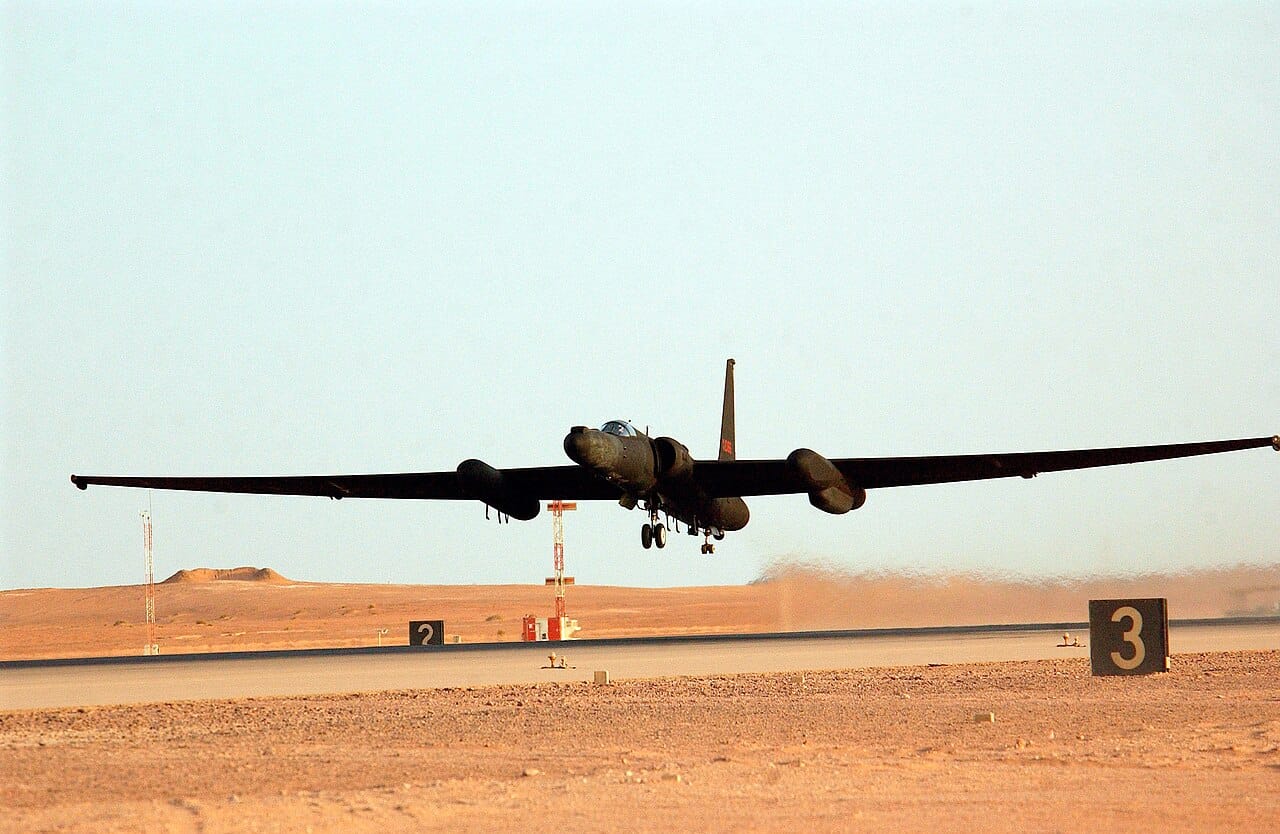
There is a place in the sky where flying too slow will kill you and flying too fast will kill you — and the gap between the two can be narrower than the length of a bus. Pilots call it the coffin corner, and it is one of the strangest, most unforgiving pieces of physics in all of aviation.
The name is dramatic, but the mechanism is pure aerodynamics. Climb high enough and an aircraft’s slowest safe speed and its fastest safe speed march toward each other until they very nearly touch. Step outside that shrinking window in either direction and the aeroplane stops flying — or starts coming apart.
| Also known as | The Q corner / aerodynamic ceiling |
| What it is | Altitude where stall speed meets critical Mach number |
| Too slow | Low-speed stall buffet |
| Too fast | Mach buffet, then Mach tuck |
| Extreme example | U-2: as little as 5–6 knots of margin |
| Why "Q" | Q is the symbol for dynamic pressure |
Two walls closing in
Every aircraft has a low-speed limit and a high-speed limit. Down low, they are miles apart; a small piston aircraft near the ground could not reach its high-speed limit in level flight if it tried. In a jet at altitude, the two limits start hunting each other down.
The low-speed wall is the stall. As you climb, the air thins, and the wing needs more true airspeed to generate the same lift — so your true stall speed rises with altitude. The high-speed wall is the critical Mach number: the speed at which air flowing over the top of the wing first goes supersonic, forming shock waves, wave drag and a nasty vibration called Mach buffet. Because the speed of sound falls as the air gets colder, the true airspeed at which you hit that Mach limit drops as you climb. One wall rising, the other falling. Eventually they meet.
That blunt summary comes from someone who has taught it for a living, and it captures the trap perfectly: there is a stall on one side and, on the other, something called Mach tuck — where the shockwave shifts the wing’s lift rearward, pitches the nose down, and can leave a conventional tail with too little authority to pull it back up. As Boldmethod puts it, at that point you are no longer flying an aeroplane. You are flying a missile.
The U-2: living in the corner on purpose
Most airliners never get near the coffin corner — they cruise with a healthy cushion and simply cannot climb high enough to run out of margin. The great exception, the aircraft that made the term famous, is the Lockheed U-2 Dragon Lady. At around 70,000 feet the U-2’s margin between stall and Mach buffet can shrink to just five or six knots. Five knots. On a highway that is the difference between two cars barely keeping pace.
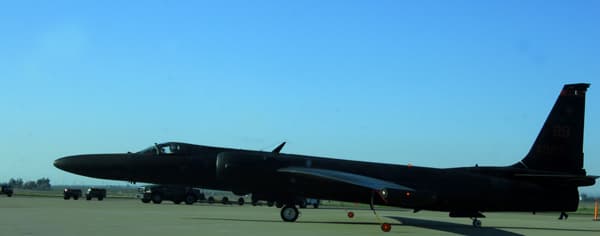
That is why U-2 pilots fly with an autopilot as a near-necessity and watch their airspeed like hawks. A gust of turbulence, a steep turn, even a slightly-too-eager climb can eat the entire margin in an instant, because any g-loading pushes the stall speed up and squeezes the window from the bottom.
Why it matters for ordinary flights too
You might think this is purely a spy-plane problem, but the coffin corner sets the ceiling for every jet. It is the reason a heavy airliner cannot simply climb above bad weather early in a long flight: fully loaded, its margin at high altitude is too thin, and it must burn off fuel and get lighter before it can safely go higher. It is also why high-altitude upsets — where a crew inadvertently slows down or mishandles an aircraft near its ceiling — are among the situations pilots train hardest to avoid.
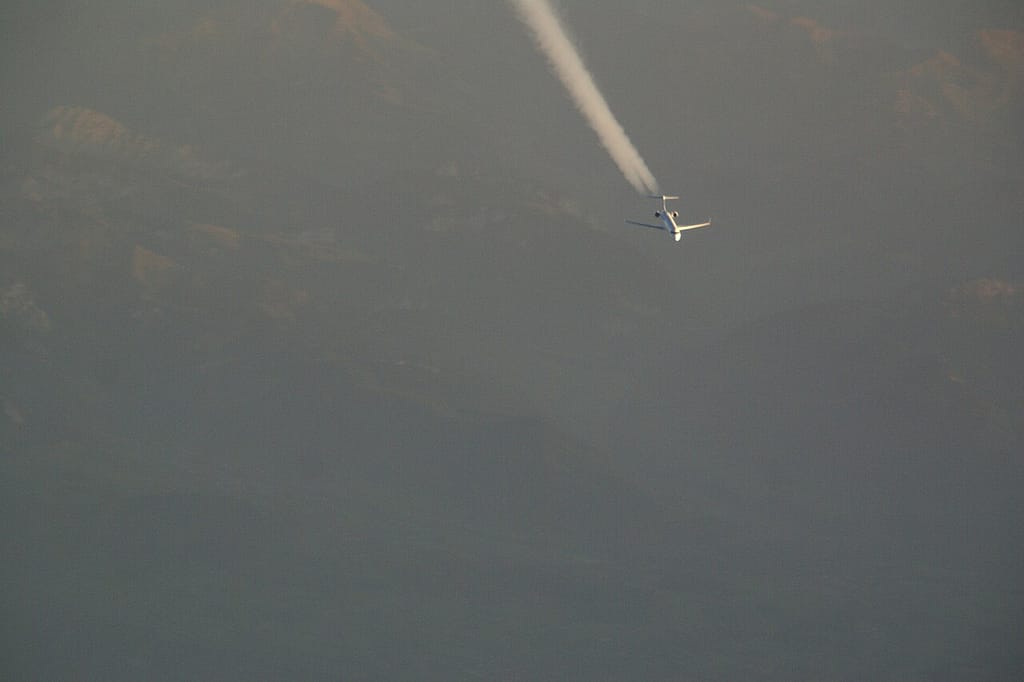
The physics is humbling. We tend to imagine that higher is always safer, more room, more air beneath you. The coffin corner is the reverse: the higher you go, the smaller your margin for error, until at the very top the sky itself becomes a tightrope.
Engineers design most aircraft to keep that tightrope comfortably out of reach. But the corner is always there, waiting at the top of the climb — a quiet reminder that even in the thin, calm air of the stratosphere, flight is a balance held between two kinds of falling.
Sources: Boldmethod (Aleks Udris); SKYbrary Aviation Safety; Wikipedia; Smithsonian Air & Space; pilot interviews via Sam Eckholm.

0 Comments