
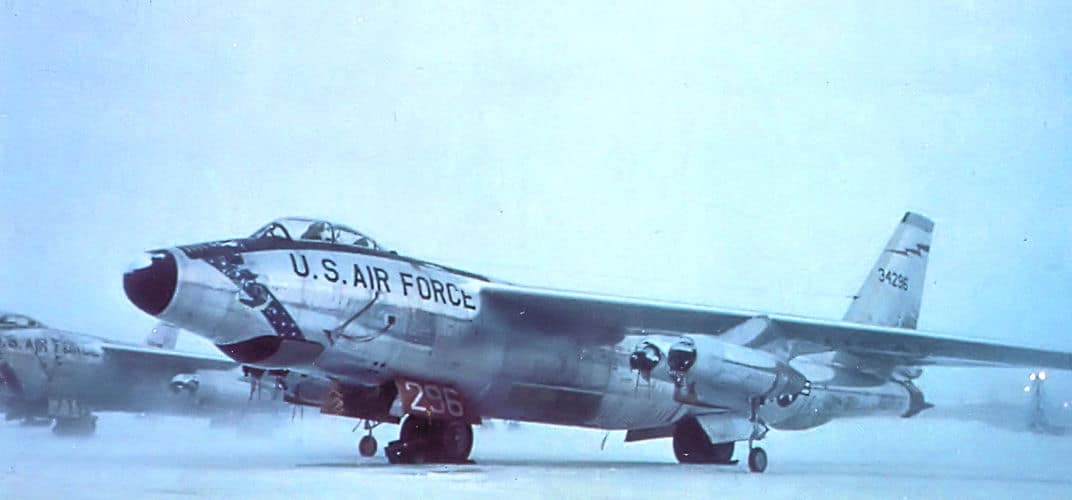
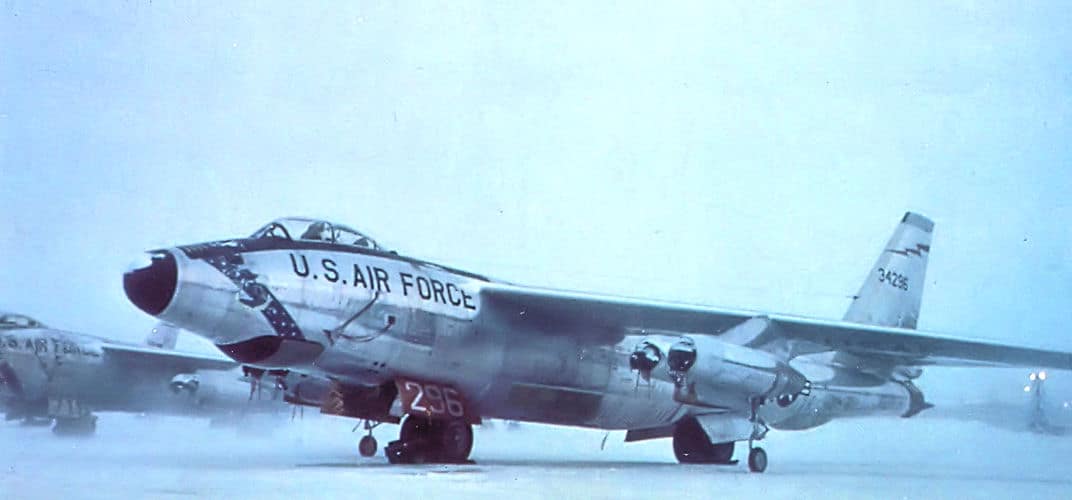
Their families were told they died in accidents, or simply that they were gone. For decades, the truth stayed locked in classified files: dozens of American airmen were shot out of the sky on secret reconnaissance flights along the edges of the Soviet Union and China — and the country they died for could not admit it.
These were the hidden casualties of the Cold War. Crews flew converted bombers and patrol planes packed with cameras and listening gear right up to hostile borders, probing radar and air defences. When they were caught, the consequences were lethal, and the silence that followed was almost as cruel as the loss.
Quick Facts
- Who: U.S. reconnaissance aircrews (RB-47, RB-50, EC-121, C-130 and others)
- When: from the late 1940s through the Cold War
- Mission: secret electronic and photo reconnaissance near Soviet/Chinese borders
- Toll: dozens of aircraft lost; well over 100 airmen killed or missing
- Secrecy: many families were never told the real circumstances
- Reckoning: a joint U.S.–Russia commission began resolving cases in the 1990s
Flying Into the Silence
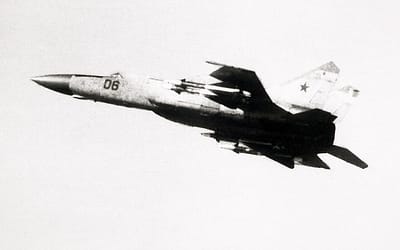
The “ferret” flights were among the most dangerous missions of the era. A reconnaissance crew might deliberately nudge toward Soviet airspace to switch on enemy radar so its emissions could be recorded — a calculated provocation flown by men who knew interceptors might be waiting. Some were shot down over international waters; others vanished without a trace. Because the missions officially didn’t exist, neither could the deaths.
The Long Wait for the Truth
For the families left behind, grief came without answers. Wives and children spent decades not knowing whether a husband or father had died instantly, been captured, or survived in a Soviet prison. Only after the Cold War ended did a joint U.S.–Russia commission begin opening files and tracing fates, and even then more than a hundred airmen remained unaccounted for.
They flew unarmed or lightly armed, deep into danger, for intelligence that helped keep a fragile peace — and they did it knowing their own country might never be able to say what happened to them. They deserve to be remembered now that it can.
Sources: Smithsonian Magazine, “Secret Casualties of the Cold War”; U.S.–Russia Joint Commission records; National Security Archive.
 English
0 Comments