

Quick Facts
Aircraft: General Atomics YFQ-42A "Dark Merlin" — autonomous combat drone prototype for the USAF Collaborative Combat Aircraft (CCA) programme
Incident: Crashed shortly after takeoff from Gray Butte Airport, Palmdale, California — April 6, 2026, ~1 PM PT
Injuries: None (unmanned aircraft)
Programme Status: All YFQ-42A test flights temporarily suspended; investigation ongoing
Competition: Anduril YFQ-44A "Fury" and Northrop Grumman YFQ-48A also competing for CCA Increment 1 production contract
Decision Timeline: Production contract expected summer 2026
What Went Down at Gray Butte
Gray Butte Airport is a company-owned strip in the high desert north of Palmdale — General Atomics' private flight test facility, far from prying eyes and populated areas. The YFQ-42A had been flying regularly from this location since its maiden flight in August 2025, when it became the first CCA prototype to take to the air and handed the Air Force one of its most celebrated milestones in a decade. On April 6, something went wrong during or immediately after takeoff. General Atomics has released almost no technical detail. Company spokesman C. Mark Brinkley stated only that established safety procedures worked as intended and that flight testing would resume when deemed appropriate.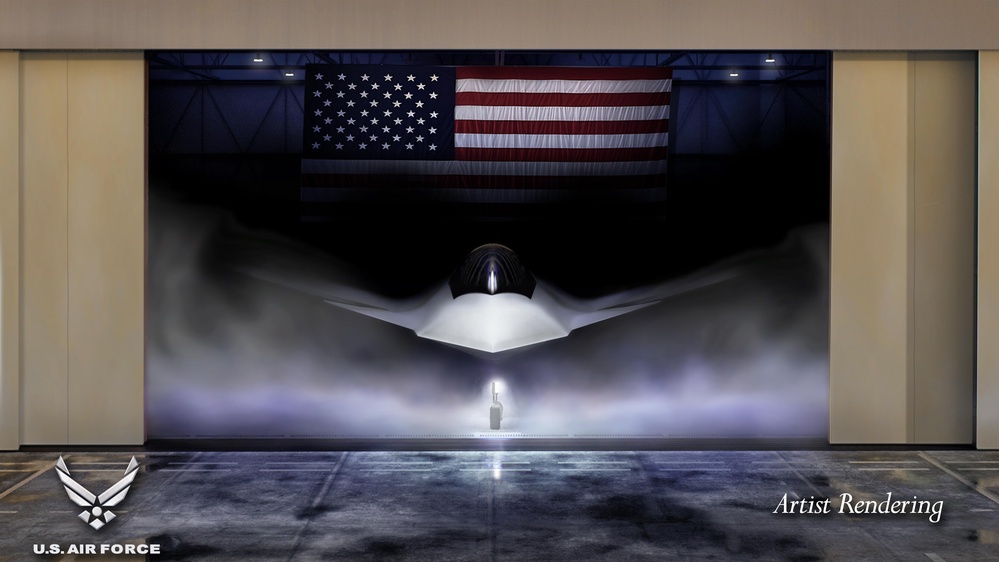
The Stakes Could Not Be Higher
The Collaborative Combat Aircraft programme is not a research curiosity. It is the centrepiece of the Air Force's plan to maintain air superiority against China. The concept is deceptively simple: build large numbers of relatively cheap, autonomous drones that fly alongside crewed fighters like the F-47. Some carry weapons. Some carry sensors. Some carry electronic warfare payloads. Together, they overwhelm an adversary's defences through sheer numbers and coordinated autonomy.
Anduril's Quiet Advantage
While General Atomics investigates, Anduril's Fury keeps flying. Palmer Luckey's defence start-up — born from the ashes of a VR headset fortune and a controversial political career — has been building its CCA prototype on a radically different corporate model: software-first, Silicon Valley speed, minimal bureaucracy.
The F-47 Connection
The CCA programme does not exist in isolation. It is designed to work hand-in-glove with the F-47, Boeing's sixth-generation stealth fighter that won the NGAD contract in March 2025. The F-47 is the brain; the CCAs are the fists, the eyes, and the shields.
What Happens Next
General Atomics will investigate, rebuild, and eventually resume flying. The company has decades of drone expertise — it built the Predator and Reaper lines that revolutionised modern warfare — and a single test crash is unlikely to end its CCA candidacy. But time is the one resource money cannot buy. Every week the Dark Merlin sits grounded is a week Anduril's Fury accumulates flight hours, weapons data, and confidence. The Air Force has said it will make a production decision by the end of fiscal year 2026 — September 30. The drone wingman era is coming. The only question the Dark Merlin crash has raised is who will build it. Sources: Breaking Defense, Air & Space Forces Magazine, The War Zone, DVIDSRelated Questions
What is the YFQ-42A 'Dark Merlin'?
The YFQ-42A 'Dark Merlin' is General Atomics' autonomous combat-drone prototype for the U.S. Air Force's Collaborative Combat Aircraft program. Jet-powered and designed to fly as a wingman to the sixth-generation F-47 fighter, it first flew in August 2025.
What is the Collaborative Combat Aircraft (CCA) program?
The Collaborative Combat Aircraft program is the Pentagon's effort to field swarms of AI-driven drones that fight, jam and scout alongside crewed fighters, multiplying combat power at a fraction of the cost. The Collaborative Combat Aircraft program is now nearing a production decision.
Which companies are competing for the CCA contract?
Three prototypes are competing for the CCA Increment 1 production contract: General Atomics' YFQ-42A 'Dark Merlin,' Anduril's YFQ-44A 'Fury,' and Northrop Grumman's YFQ-48A. The winner is expected to be chosen in summer 2026.
When will the Air Force pick a CCA production winner?
The Air Force is expected to award the Collaborative Combat Aircraft Increment 1 production contract in summer 2026. The Dark Merlin crash arrived just months before that decision, raising the stakes for General Atomics against rivals Anduril and Northrop Grumman.
What happened to the Dark Merlin drone?
The YFQ-42A 'Dark Merlin' crashed shortly after takeoff from Gray Butte Airport near Palmdale, California, around 1 PM Pacific Time on April 6, 2026. No one was injured because the aircraft is unmanned, but all YFQ-42A test flights were temporarily suspended pending investigation.
What is a drone wingman?
A drone wingman is an uncrewed aircraft that flies alongside manned fighters, taking on risky tasks such as scouting, jamming or striking. The U.S. CCA effort and Europe's own autonomous drone wingmen both aim to pair these autonomous aircraft with crewed jets to multiply firepower cheaply.
0 Comments