
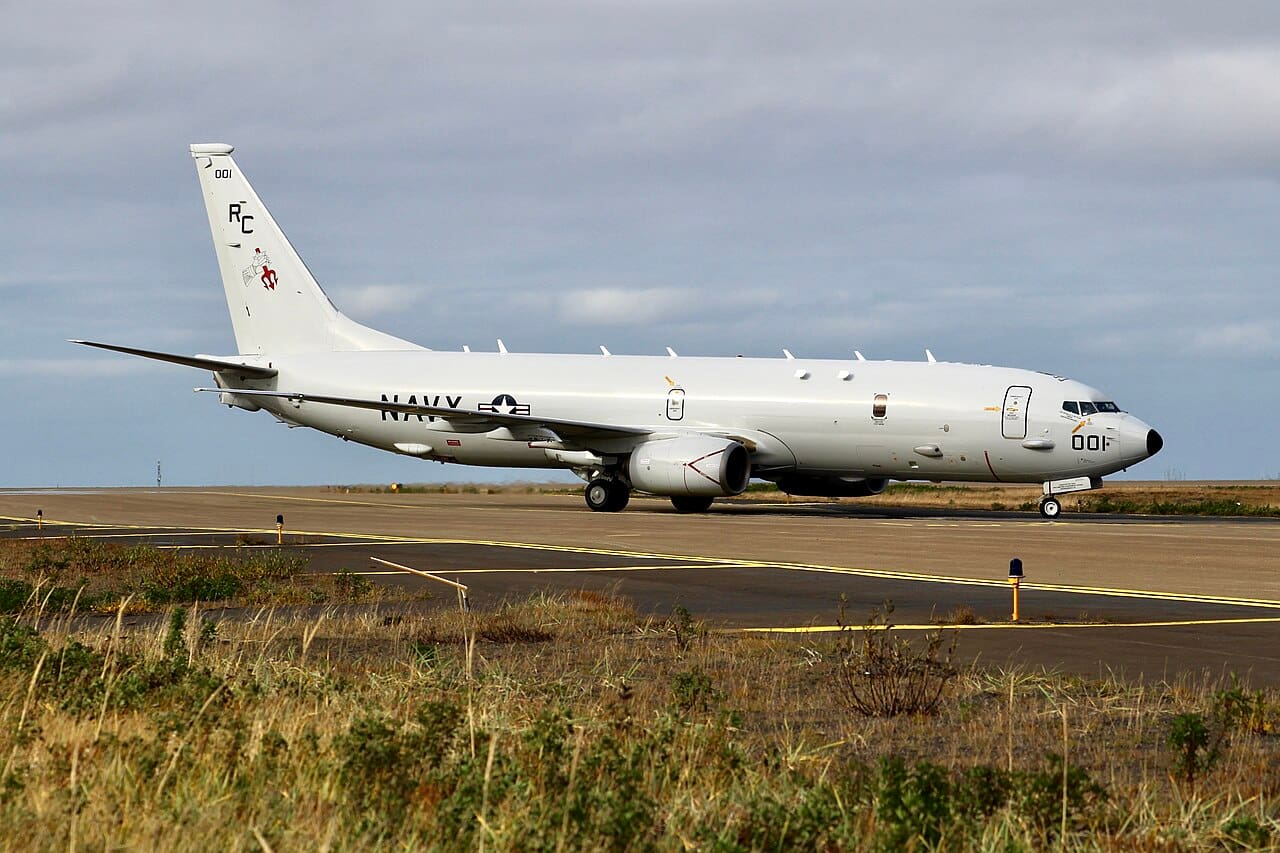
Denmark has decided how it will watch the top of the world. On Jul. 7, 2026, the Danish Ministry of Defence confirmed a provisional decision to buy two Boeing P-8A Poseidon maritime patrol aircraft — long-range sub-hunters built to prowl the North Atlantic and the Arctic.
On paper it is a modest order: two airframes. In context it is anything but. The announcement lands in the middle of a renewed dispute with Washington over the future of Greenland, and Copenhagen’s message is unmistakable: we will defend our own Arctic, thank you.
• Aircraft: 2 Boeing P-8A Poseidon maritime patrol aircraft
• Announced: 7 July 2026, by the Danish Ministry of Defence
• Mission area: North Atlantic and Arctic, including Greenland
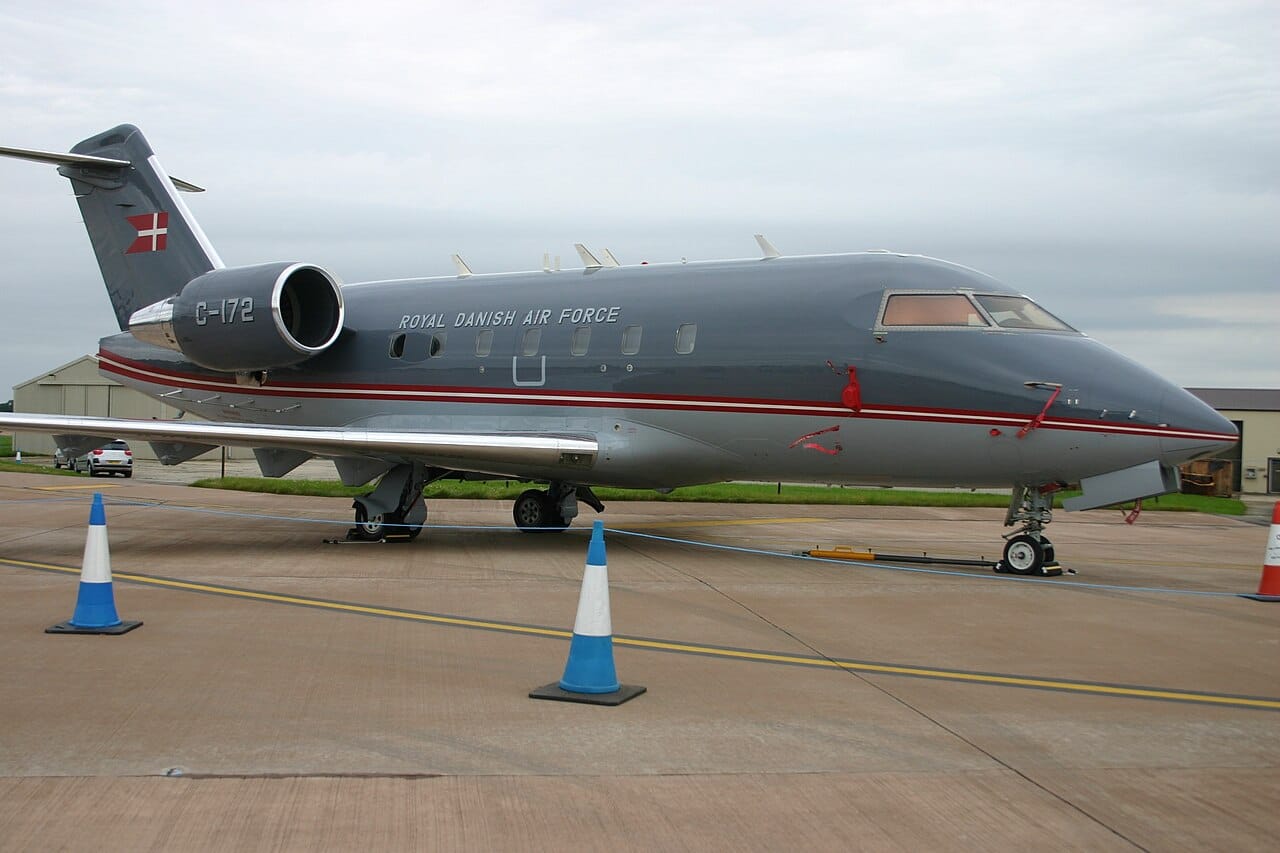
• Replaces capability of: modified Challenger 604 business jets (no ASW, no sonobuoys)
• Context: US had cleared Denmark for up to three P-8s in late 2025
• Teaming: paired with a joint Nordic MQ-4C Triton drone buy
From business jet to submarine hunter
Denmark’s maritime patrol has until now rested on a handful of modified Bombardier Challenger 604 business jets. They are versatile and long-legged, and their crews know Greenland’s waters better than almost anyone. But they were never built for the hardest job in the maritime game: hunting submarines.
The Challengers cannot launch sonobuoys, have no weapons bay, and cannot independently engage a target or drop life-saving equipment in a rescue. The P-8 changes all of that. Built on a 737 airframe and bristling with sensors, it can lay sonobuoy fields, carry torpedoes, and stay on station far out over the ocean — exactly the anti-submarine capability NATO has been pressing its members to provide as Russian submarine activity around Europe’s undersea cables grows.
A Nordic web over the high north
The Poseidon does not arrive alone. Denmark’s decision came alongside news that it will join Finland, Norway and Germany in a joint acquisition of Northrop Grumman MQ-4C Triton drones — part of the same NATO push into the high north we covered when the alliance ordered GlobalEyes and Tritons at the Ankara summit.
That pairing is deliberate. The P-8 and the high-flying, ultra-endurance Triton are designed to work as a team: the drone scans vast stretches of ocean and passes contacts to the crewed Poseidon, which moves in to prosecute. With fellow P-8 operators Norway and Germany next door, and Danish firm Terma already lined up to provide sovereign maintenance for the type, Denmark is buying into a ready-made regional ecosystem rather than a lonely pair of jets.
The Greenland subtext
It is impossible to read this purchase without Greenland in the frame. As NATO leaders gathered in Ankara, U.S. President Donald Trump again revived demands over the vast Arctic island, arguing it matters more to American security than to Denmark. Danish Prime Minister Mette Frederiksen answered flatly that “Greenland is, of course, not for sale,” adding that Denmark is “ready to defend every inch of NATO, including our own territory.”
The P-8 is part of that answer written in aluminium and sensors. For more than a year Denmark and its allies have steadily increased military deployments to Greenland to make a simple point: the island is already defended, and sovereignty need not change hands for its security to be assured. Two long-range sub-hunters, able to patrol from the Faroes to the Greenland Sea, reinforce the argument better than any statement.
Nothing about the order is finalised — it remains a provisional decision, with numbers that could yet grow toward the three aircraft Washington has already cleared for sale. But the direction is set. Denmark is buying the tools to see, and to act, across the coldest and most contested waters on its map.
Sources: Danish Ministry of Defence (Forsvarsministeriet); The Aviationist; Boeing; Euronews; Politico Europe.
Related Questions
Why is Denmark buying P-8 Poseidon aircraft?
On July 7, 2026, Denmark's Ministry of Defence confirmed a provisional decision to buy two Boeing P-8A Poseidon maritime patrol aircraft. The long-range sub-hunters will watch the North Atlantic and Arctic, including around Greenland. The move fills a real anti-submarine gap and signals resolve amid a renewed dispute with Washington over Greenland's future.
What is the Boeing P-8 Poseidon?
The P-8A Poseidon is a long-range maritime patrol aircraft based on the Boeing 737 airframe, built to hunt submarines and patrol vast ocean areas. It carries sonobuoys and anti-submarine weapons and can stay on station far out to sea, exactly the capability NATO has pressed members to provide as Russian submarine activity near Europe's undersea cables grows.
What did Denmark use for maritime patrol before the P-8?
Denmark's maritime surveillance had relied on modified Challenger 604 business jets, which are adaptable but carry no anti-submarine capability: no sonobuoys, no torpedoes. The two new P-8A Poseidons give the Royal Danish Air Force a true submarine-hunting aircraft able to operate at very long distances across the North Atlantic and Arctic.
How is NATO strengthening surveillance in the Arctic?
Alongside the P-8 decision, Denmark said it will join Finland, Norway and Germany in a joint purchase of Northrop Grumman MQ-4C Triton drones, part of a broader NATO push into the high north that we covered in the GlobalEye and Triton shared-airlift deal. Crewed patrol aircraft and high-altitude drones together weave a surveillance web over the region.
What is anti-submarine warfare and why does it matter now?
Anti-submarine warfare (ASW) is the detection and tracking of enemy submarines using sensors such as sonobuoys, radar and magnetic detectors. It matters again because Russian submarine activity around Europe's undersea cables and Arctic waters has grown. Nations are investing in both crewed aircraft and drones, such as a submarine-hunting Eurodrone built for Japan, to close the gap.

0 Comments