
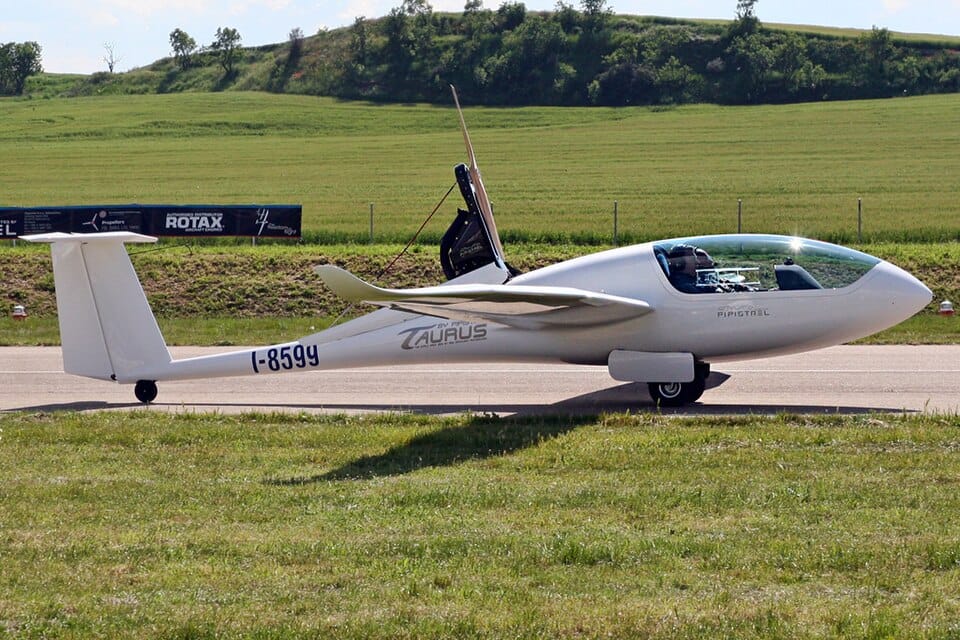
On a muggy Florida morning in early June, a modified motorized glider rolled onto the runway at Zephyrhills Municipal Airport and changed the trajectory of electric aviation. At the controls was Miguel Iturmendi — test pilot, company founder, and the kind of person who looks at a Pipistrel Taurus and thinks, "This needs solid-state batteries." On June 5, he proved the doubters spectacularly wrong.
The Helios Horizon completed the first-ever crewed, fixed-wing flight powered entirely by solid-state batteries. It wasn't a publicity stunt designed for viral clips. It was a methodical series of short test flights to validate weight, balance, and battery performance after the new cells had been installed. What those cells delivered, however, was anything but routine: 410 watt-hours per kilogram — a 60 percent leap beyond the lithium-ion batteries the aircraft had carried before.
For an industry that has spent years measuring progress in single-digit percentage gains, that number lands like a thunderclap. And if Iturmendi's projections hold, the battery's energy density will grow another 40 percent within two years, pushing toward the kind of performance that could make electric regional aviation commercially viable.
Quick Facts
- Date: June 5, 2026 — first crewed solid-state battery flight
- Pilot: Miguel Iturmendi, founder and chief test pilot of Helios Horizon
- Battery: 410 Wh/kg — 60% more energy density than lithium-ion (260 Wh/kg)
- Aircraft: Modified Pipistrel Taurus motorized glider
- Location: Zephyrhills Municipal Airport, Florida
- Fast charge: 80% capacity in under 15 minutes via standard AC outlet
- Altitude target: 40,000+ feet — above most commercial airliners
Why Solid-State Changes Everything
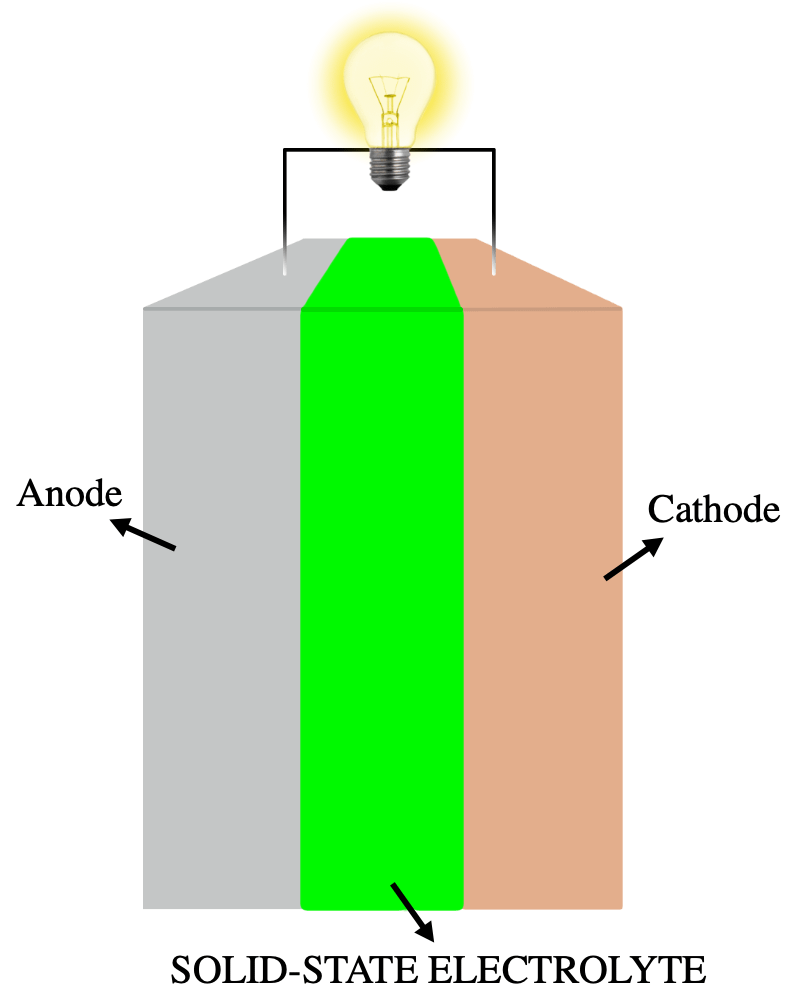
Solid-state batteries replace the liquid electrolyte found in conventional lithium-ion cells with a solid material. The result is a battery that packs more energy into less weight, charges faster, runs cooler, and is far less likely to catch fire. For electric aircraft — where every gram matters and thermal runaway is an existential concern — the technology is transformative.
The Helios Horizon's previous lithium-ion pack delivered 260 Wh/kg. The new solid-state cells nearly doubled that to 410 Wh/kg. That improvement doesn't just mean longer flights; it means the aircraft can carry meaningful payload or reach altitudes that were previously the domain of jet-powered craft.
The aircraft also recovers energy in flight through wing-mounted solar panels and a regenerative system that spins the propeller as a wind turbine during glides and descents. Combined with the new battery chemistry, Iturmendi says stratospheric flights — above 40,000 feet — are now realistic on a single charge. Previous flights had already reached 24,000 feet on the older lithium-ion pack.
From Sarasota Garage to Aviation History
Helios Horizon is not Boeing or Airbus. It is a small team based in Sarasota, Florida, that has spent years methodically refining the aircraft's propulsion and battery management systems. Iturmendi, an experienced pilot and engineer, started with the Pipistrel Taurus platform — a proven motorized glider known for its aerodynamic efficiency — and rebuilt it around an entirely custom electric powertrain.
The charging infrastructure tells a story about accessibility. The battery pack can be topped up from any standard AC outlet. No specialized ground equipment, no dedicated charging stations. Fast charging pushes the cells to 80 percent capacity in under 15 minutes. For a technology that critics have long dismissed as impractical, those numbers are difficult to ignore.
The Road to 40,000 Feet
The June 5 flight was the beginning of a test campaign, not the end. Helios Horizon plans to progressively increase altitude, duration, and speed over the coming months. The 40,000-foot target would place the aircraft above most commercial airline traffic — a feat that would have been unthinkable for an electric aircraft just two years ago.
The broader industry is watching closely. Toyota, Samsung SDI, and QuantumScape have all announced solid-state battery programs aimed at automotive applications, but aviation presents a fundamentally harder challenge: the batteries must perform under extreme temperature variations, altitude-related pressure changes, and vibration loads that cars never encounter. By proving the technology works in flight, Helios Horizon has established the benchmark that every competitor will now be measured against.
Whether this moment becomes the Wright Flyer of electric aviation or a footnote depends on what comes next. But 410 Wh/kg at Zephyrhills Municipal Airport already tells us something the industry has waited decades to hear: solid-state works in the air.
Sources: New Atlas, AIN Online, FlightGlobal, Sarasota Magazine, CleanTechnica, Runway Girl Network
Related Questions
What was the first solid-state battery aircraft flight?
On June 5, 2026, an aircraft called the Helios Horizon completed the first-ever crewed, fixed-wing flight powered entirely by solid-state batteries. Flown by test pilot and company founder Miguel Iturmendi from Zephyrhills Municipal Airport in Florida, it used a modified Pipistrel Taurus glider to validate the new battery cells.
What is a solid-state battery?
A solid-state battery replaces the liquid electrolyte of a conventional lithium-ion cell with a solid material. This can allow more energy to be stored for the same weight, faster charging and better safety, qualities that make solid-state cells especially promising for electric aircraft, where weight is critical.
How much energy can a solid-state battery store?
The cells flown in the 2026 Helios Horizon test delivered 410 watt-hours per kilogram, about 60% more than the roughly 260 Wh/kg of the lithium-ion batteries used before. Higher energy density means more range or payload for the same weight, the central challenge holding back electric aviation.
Why do solid-state batteries matter for electric aviation?
Electric flight has long been limited by how much energy a battery can carry for its weight. By packing far more energy per kilogram and charging quickly, solid-state cells could make electric regional flights and electric air taxis commercially practical, a field where progress had previously been measured in small single-digit gains.
What is the Pipistrel Taurus?
The Pipistrel Taurus is a light, two-seat motorised glider built by the Slovenian manufacturer Pipistrel. Its efficient airframe makes it a popular testbed for new propulsion ideas, which is why a modified Taurus was chosen for the 2026 solid-state battery flight.
Related Posts
The Boeing 787 Keeps Breaking: A Timeline of the Dreamliner's Quality Crisis
0 Comments