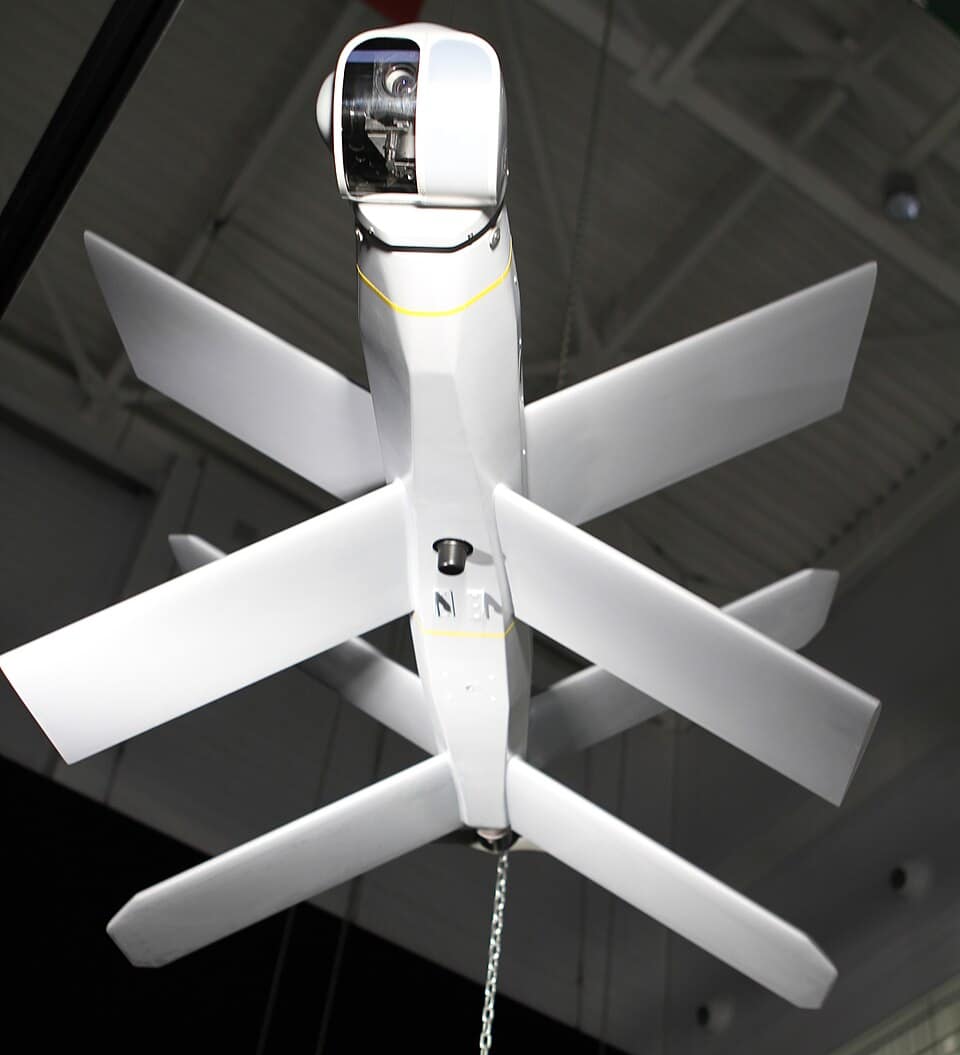
The Pentagon’s vision of autonomous drone swarms just got real software. Shield AI — the San Diego company that built Hivemind, the only AI pilot to fly full-sized aircraft without GPS, communications, or a human operator — has been selected to integrate its autonomous brain into the LUCAS one-way attack drone. The result: swarms of cheap suicide drones that think for themselves and hunt as a pack.
LUCAS — Low-cost Unmanned Combat Attack System — is the Pentagon’s answer to a question that Operation Epic Fury made urgent: how do you saturate an enemy’s air defences without losing billion-dollar jets? The answer is volume. Hundreds of small, expendable drones, each carrying a warhead, launched in coordinated waves. But volume without coordination is just noise. Hivemind turns noise into a formation.
Shield AI announced the integration on 19 May 2026, and the implications are significant.
Quick Facts
- Drone: LUCAS (Low-cost Unmanned Combat Attack System) — one-way attack drone
- AI software: Shield AI Hivemind — autonomous flight without GPS or comms
- Capability: Coordinated swarming, autonomous target identification, pack tactics
- Programme: Part of Pentagon’s Drone Dominance initiative (200,000+ drones by 2027)
- Shield AI HQ: San Diego, California
- Key distinction: Hivemind has already flown full-sized aircraft (V-BAT, F-16) autonomously
What Hivemind Actually Does
Most military drone software still depends on GPS signals and continuous data links — both of which an adversary like China or Russia can jam. Hivemind is different. It was designed from the ground up to operate in GPS-denied, communications-denied environments. The software builds its own understanding of the world using onboard sensors, makes decisions locally, and coordinates with other Hivemind-equipped drones through peer-to-peer links.
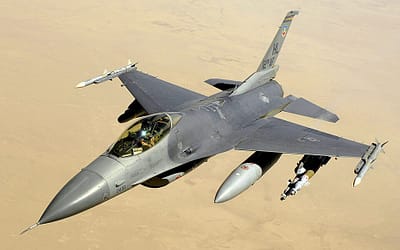
Shield AI has already demonstrated this on real aircraft. Hivemind flew the V-BAT vertical-takeoff drone through complex missions without any human input. More recently, it was tested on the X-62A VISTA — a modified F-16 — for autonomous air combat manoeuvres. Bolting Hivemind onto LUCAS means the same AI that can dogfight in an F-16 will guide a swarm of expendable attack drones.
“LUCAS is about delivering affordable mass, but mass without coordination is limited in value. Hivemind is the AI pilot that makes that mass intelligent.”Brandon Tseng — Co-founder & President, Shield AI
The Drone Dominance Numbers
LUCAS with Hivemind is one piece of a much larger Pentagon programme. The Drone Dominance initiative — funded at $1 billion over two years — aims to put over 200,000 lethal drones into the U.S. inventory by 2027. Northrop Grumman is one of five preferred payload providers. The concept is industrial-scale warfare: cheap, autonomous, and expendable.
The logic was validated over Iran. MQ-9 Reapers — at $30 million apiece — proved devastatingly effective but also devastatingly expensive to lose. The fleet shrank from over 200 to 135 aircraft. LUCAS drones, by contrast, cost a fraction of a Reaper and are designed to be lost. The warhead is the airframe.
Pack Hunters, Not Lone Wolves
The critical upgrade Hivemind brings is coordination. Without it, a swarm of LUCAS drones is just a cloud of individual kamikazes, each making independent decisions. With Hivemind, they become a pack — sharing sensor data, dividing targets, approaching from multiple vectors simultaneously, and adapting in real time if one drone is shot down or jammed.
For an adversary’s air defence system, this is a nightmare. Tracking one incoming drone is manageable. Tracking fifty, arriving from different directions at different altitudes, each making independent evasive decisions, while knowing that destroying one doesn’t affect the coordination of the others — that overwhelms human operators and most automated defences.
The age of the drone swarm just got its operating system.
Sources: Shield AI, The Aviationist, Defense News, Army Recognition


 English
0 Comments