
Wars have a way of writing defence budgets. Israel’s most recent confrontation with Iran was barely over before its government reached for the chequebook — and the order it placed says exactly where it believes its security now rests: in the air, and in stealth.
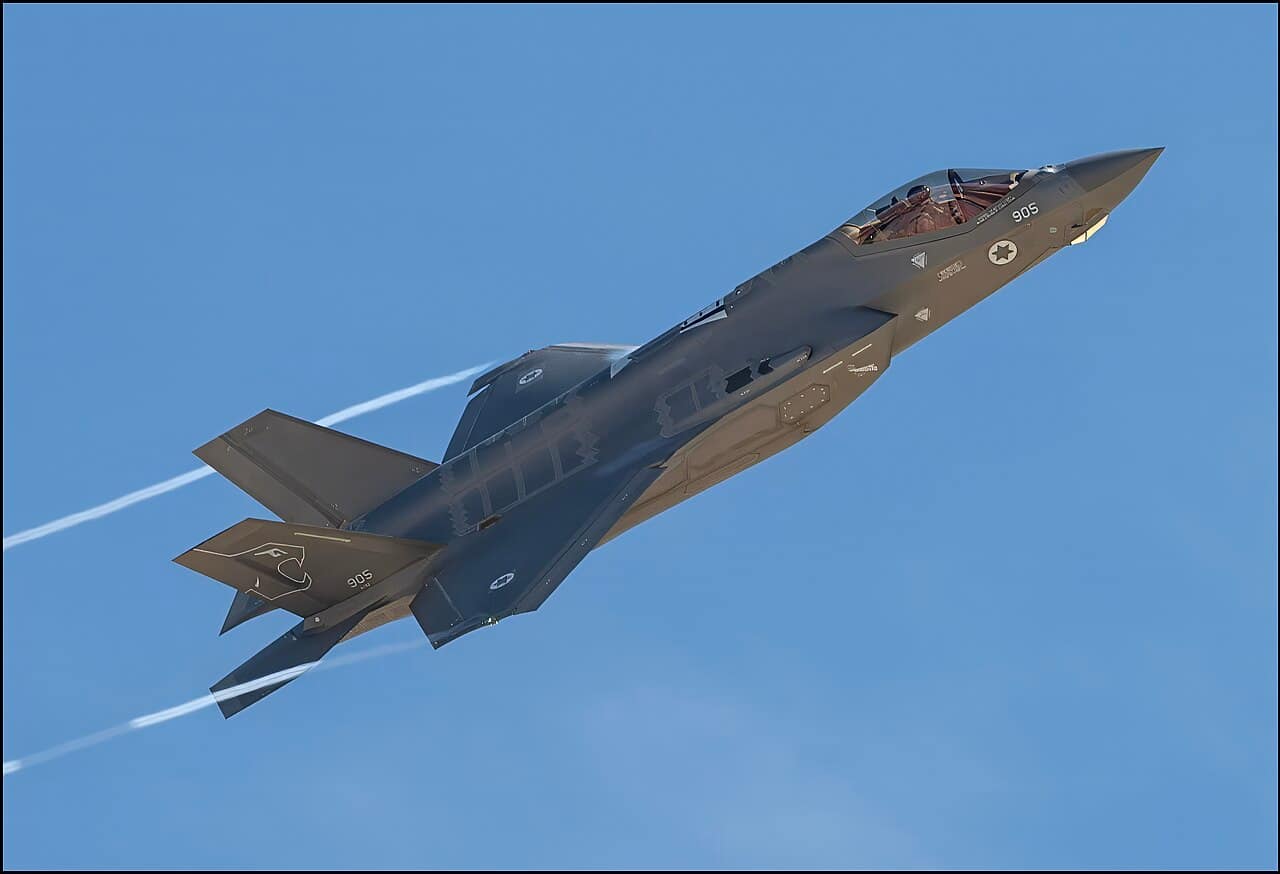
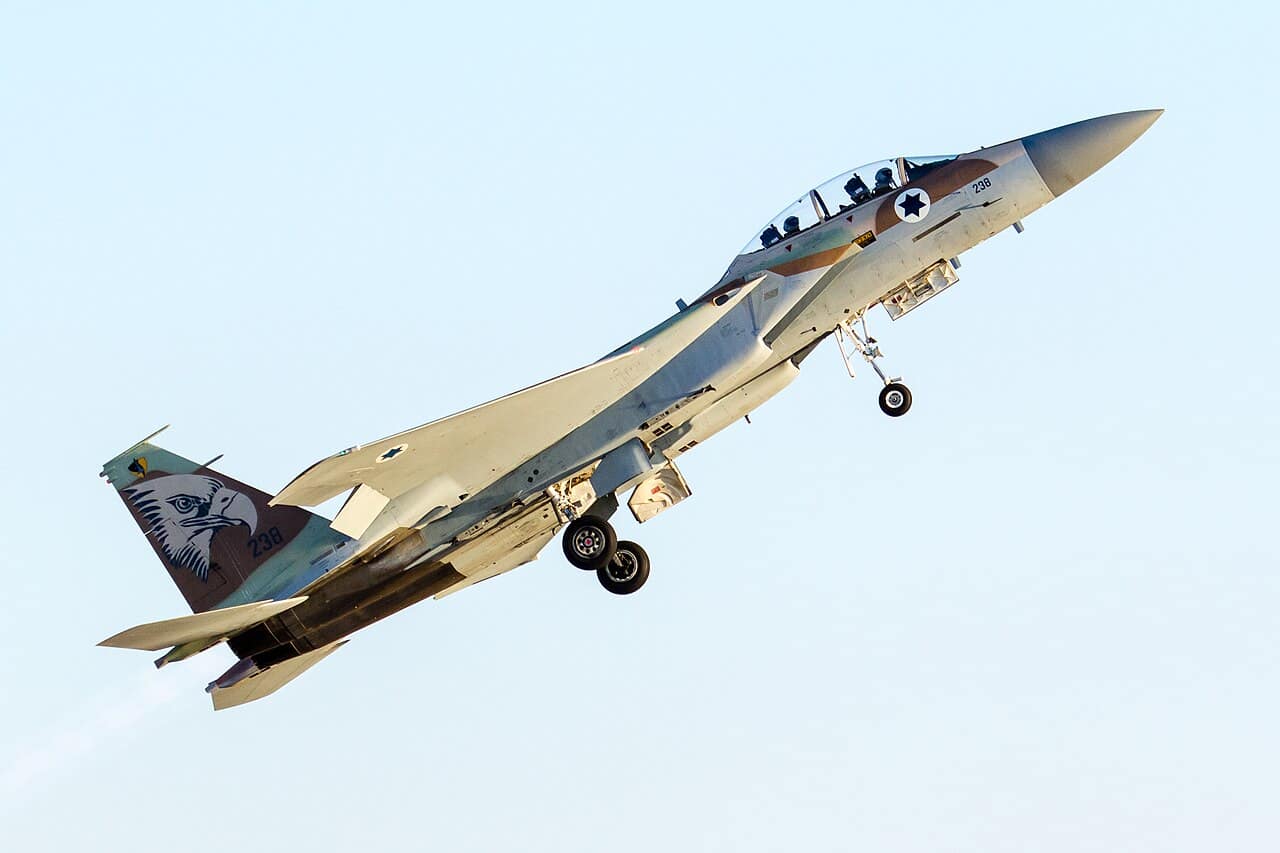
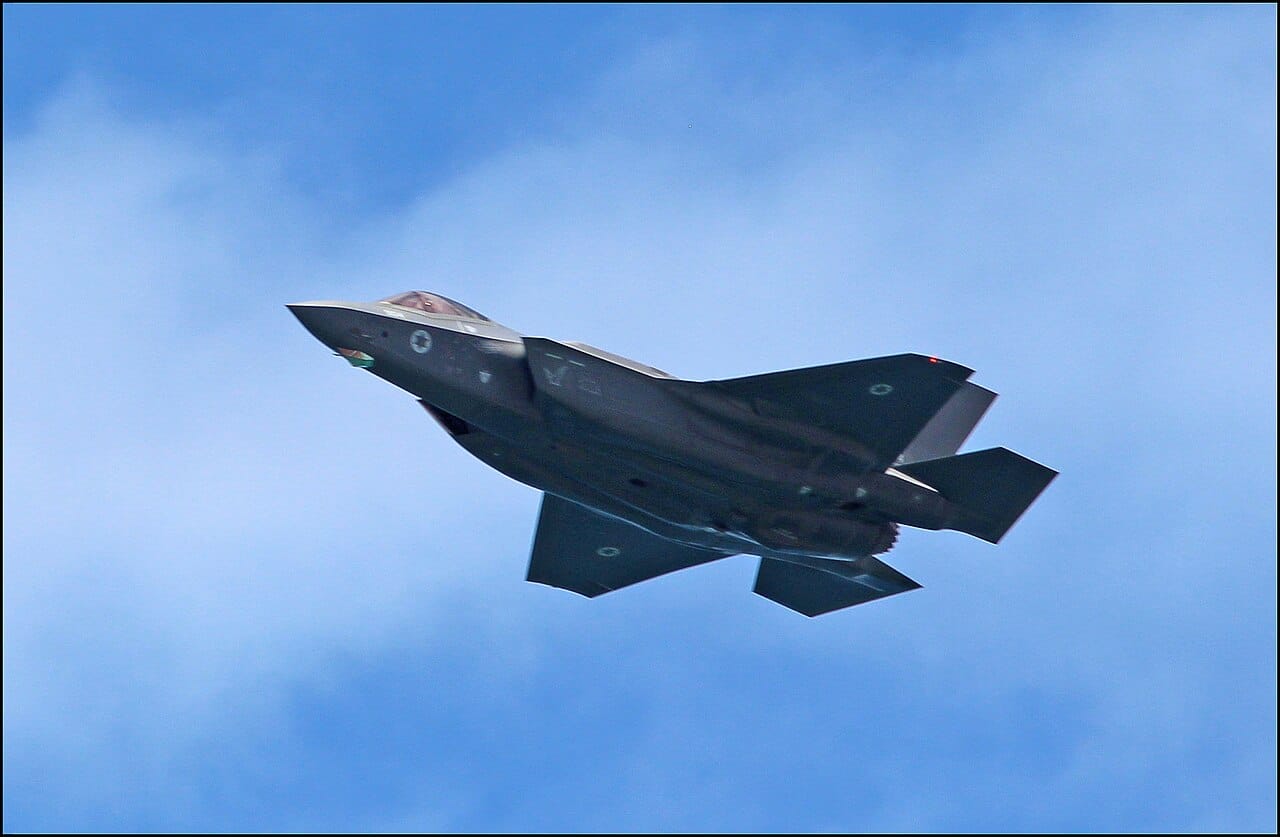
Israel has approved a plan to buy two more squadrons of advanced fighters from the United States: a fourth squadron of Lockheed Martin F-35I “Adir” stealth jets, and a second squadron of Boeing’s new F-15IA. It is one of the largest fighter expansions in the Israeli Air Force’s history, and it is explicitly a response to the lessons of the Iran war.
QUICK FACTS
Buyer: Israeli Air Force
Approved: Israel’s Ministerial Committee on Procurement (May 2026)
Aircraft: 4th F-35I “Adir” squadron + 2nd F-15IA squadron
From: Lockheed Martin (F-35I) and Boeing (F-15IA)
Wider plan: ~350 billion shekel (~$119B) multi-year military buildup
Driver: Lessons of the 2026 Iran war
What was approved
A committee of senior ministers signed off on a Defense Ministry plan to acquire a fourth F-35I squadron from Lockheed Martin and a second F-15IA squadron from Boeing. It is the opening move in a multi-year buildup reported to be worth around 350 billion shekels — roughly $119 billion — intended, in the government’s words, to ready the country for a demanding decade.
Israel is already taking deliveries toward its third F-35I squadron, with aircraft expected from around 2028. The new approval would eventually bring the force to four F-35I squadrons and two F-15IA squadrons — a fleet built around stealth penetration on one hand and heavy, long-range strike on the other.
Why stealth, and why now
The F-35I is the only fighter in the region that can routinely operate inside dense, modern air defences — the kind Iran has spent years building. The F-15IA, by contrast, is the muscle: enormous payload, long legs, the ability to haul the heaviest standoff weapons in the inventory. Together they are the two halves of the way Israel fights — get in unseen, or hit hard from far away.
That framing is the whole point. The Israeli Air Force did the heavy lifting in the Iran campaign, and the government has concluded that more of the same — more stealth, more reach, more sorties — is the safest bet for the years ahead.
A decade-long bet
Big fighter buys are slow. Squadrons take years to stand up, pilots take years to train, and $119 billion does not turn into airpower overnight. But the direction is unmistakable. Israel is doubling down on the platform that defined its most recent war, and tying its security for the next decade to American stealth and American strike power.
For Lockheed Martin and Boeing, it is a marquee order. For the region, it is a signal: the air war over the Middle East is being re-armed for the long haul.
Sources: The Times of Israel; CNBC; Reuters; Army Recognition
 English
0 Comments