
A wing is the most consequential geometry in nature. Whether it is the rachis-and-vane of a feather, the chitin-and-membrane of an insect, or the aluminium-and-composite of an aircraft, the same equation has to balance the same forces: lift against weight, thrust against drag, manoeuvrability against stability, structural strength against minimum mass. The history of life on Earth and the history of human technology converge on this one shape. The best wings — by which we mean the most beautifully resolved — are objects of admiration in any discipline you choose.
This is a top-ten celebration of the wings that have most captured the imagination of the people who study them. Six are from nature. Four are from human engineering. None could have been designed by anyone who did not love the problem.
1. Supermarine Spitfire — The Elliptical Wing

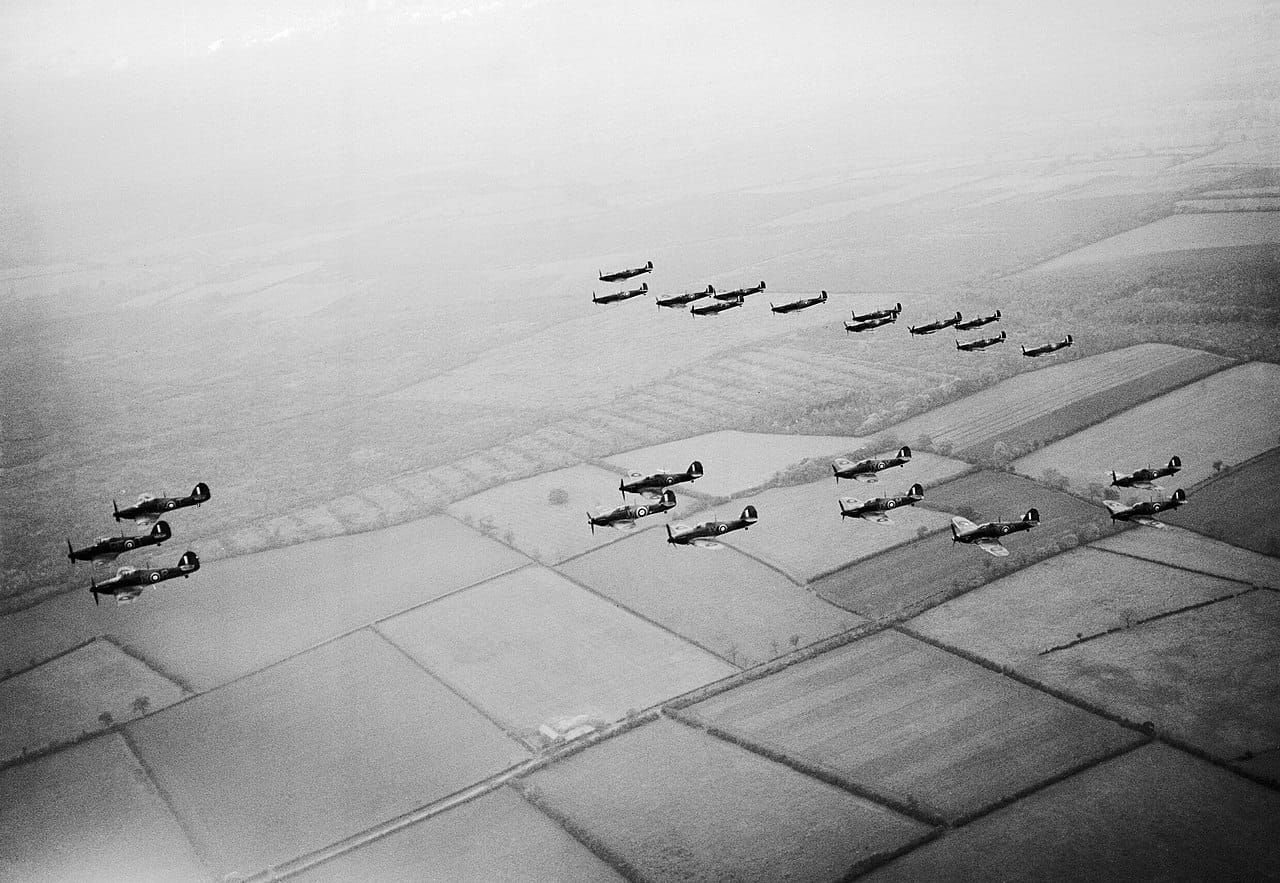
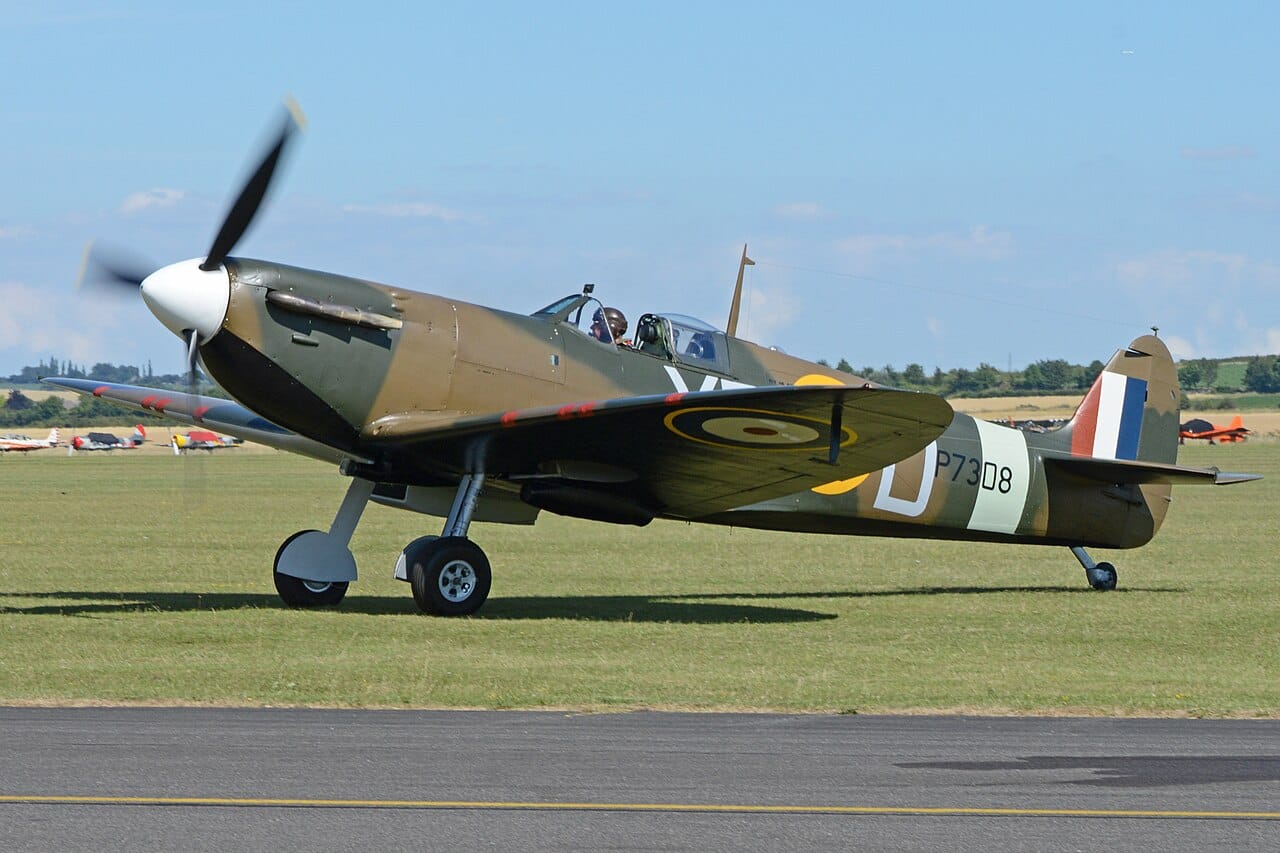
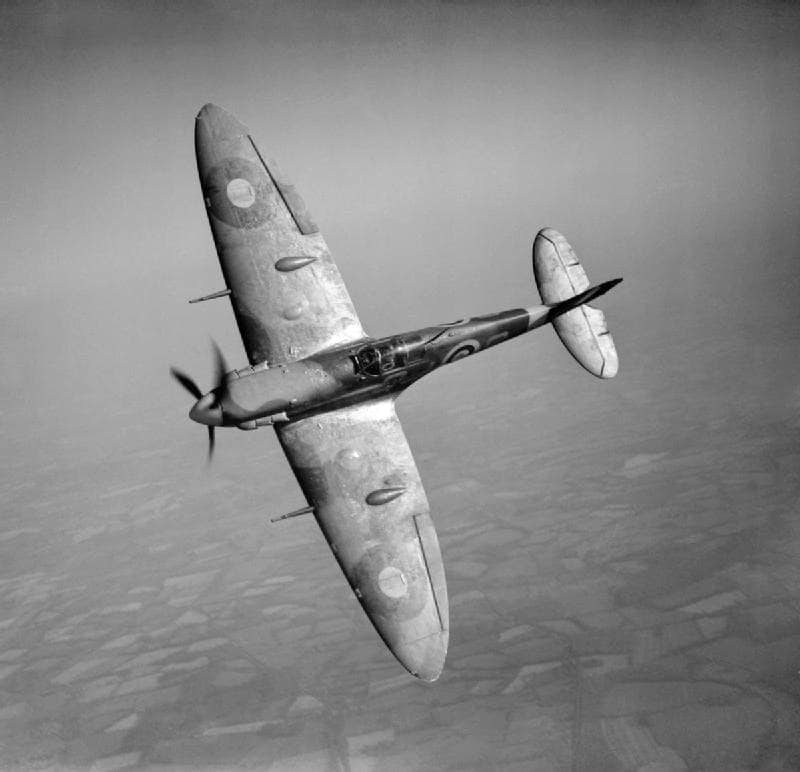
The Spitfire's elliptical wing is the most recognisable wing planform in aviation. R.J. Mitchell's 1934 design used the ellipse because it provided the lowest induced drag of any wing shape for a given lift requirement — a property predicted by Ludwig Prandtl's 1918 lifting-line theory and confirmed by Beverley Shenstone, the young Canadian aerodynamicist Mitchell brought to Supermarine specifically to refine the wing.
The wing was also thin: just 13% thickness-to-chord ratio at the root, dropping to 6% at the tip. That made it fast at altitude, where the Bf 109's thicker wing produced more drag. It was beautiful by the standards of engineering and by the standards of vision. Pilots flew the Spitfire because the aircraft handled like a sports car. Curators preserve the Spitfire because the wing — in its sweep, its taper, its elegant compound curve — is one of the great pieces of British twentieth-century design, full stop.
2. Concorde — The Ogival Delta
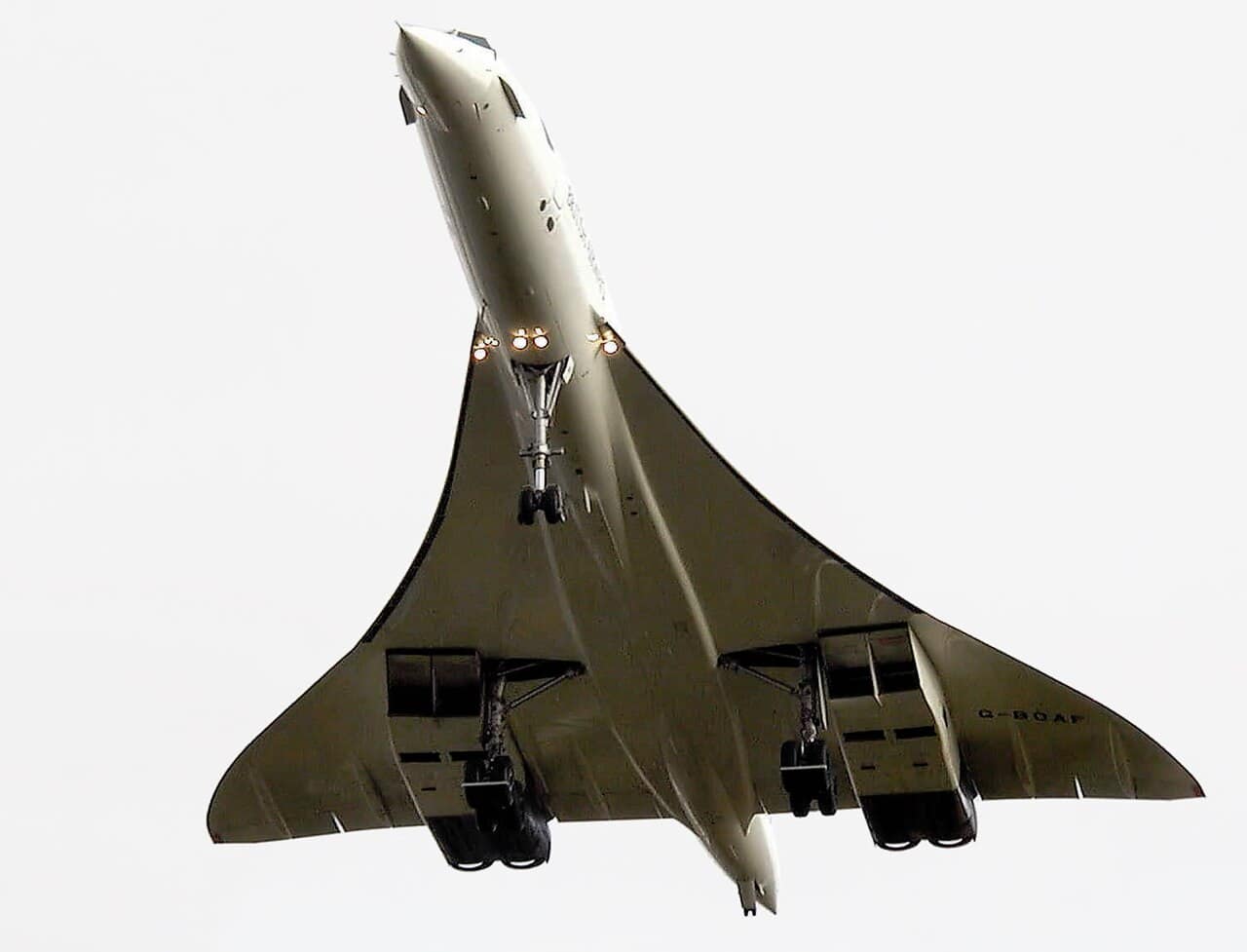
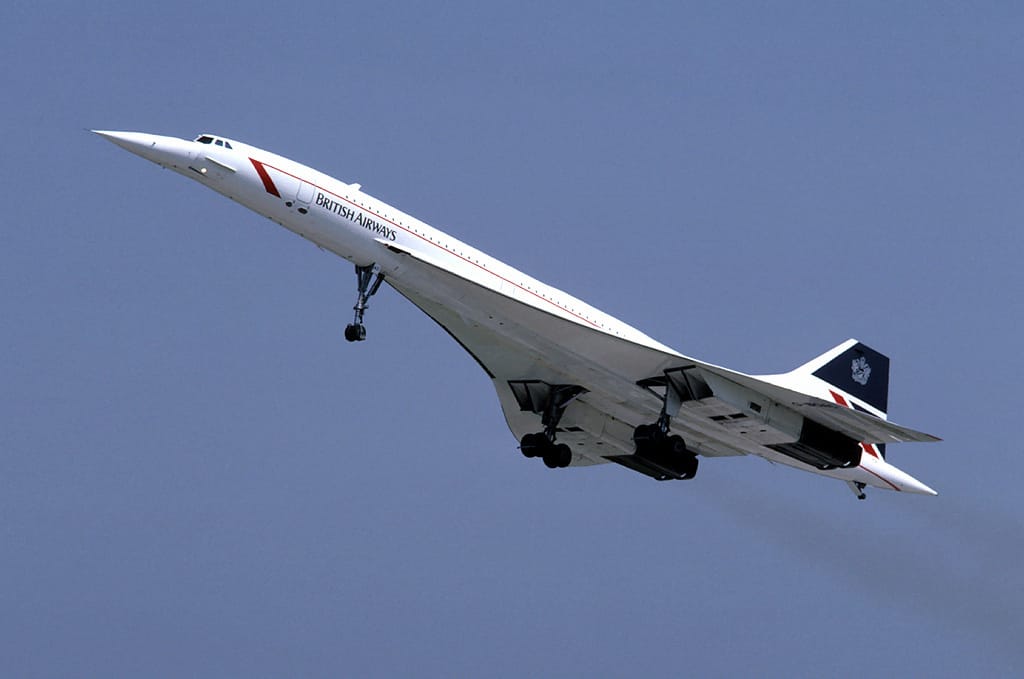
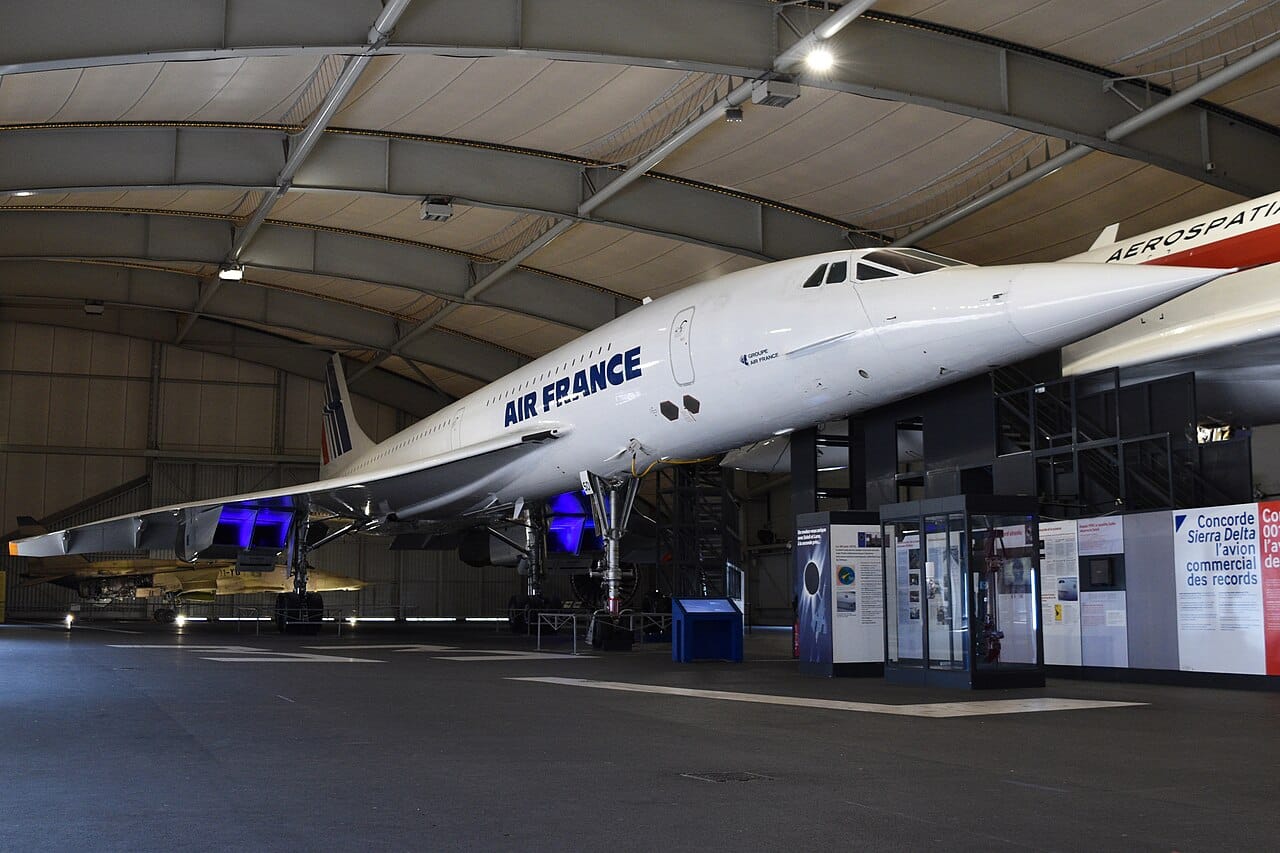
The Concorde wing is mathematically a single, continuous curve from root to tip — an ogive shape, named after the architectural term for a pointed arch. The leading edge sweeps back at progressively steeper angles as it moves outboard, then transitions to a near-parallel section at the wingtip. The geometry was a co-development between the British Aircraft Corporation and Aérospatiale, refined over more than two thousand wind-tunnel hours.
The reason the Concorde wing looks the way it looks is that it is doing two jobs at once. At Mach 2.04 cruise, the steep leading-edge sweep keeps the airflow attached and minimises wave drag. At low speed approach, the wing's lift comes not from conventional airflow but from controlled leading-edge vortices — vortex lift, the same mechanism used by the Saab Draken and the F-16. The aircraft's landing speed of 195 mph is high; the geometry that makes it landable at all is the ogival delta. Beautiful because every curve has a purpose.
3. Airbus A350 XWB — The Raked Wingtip

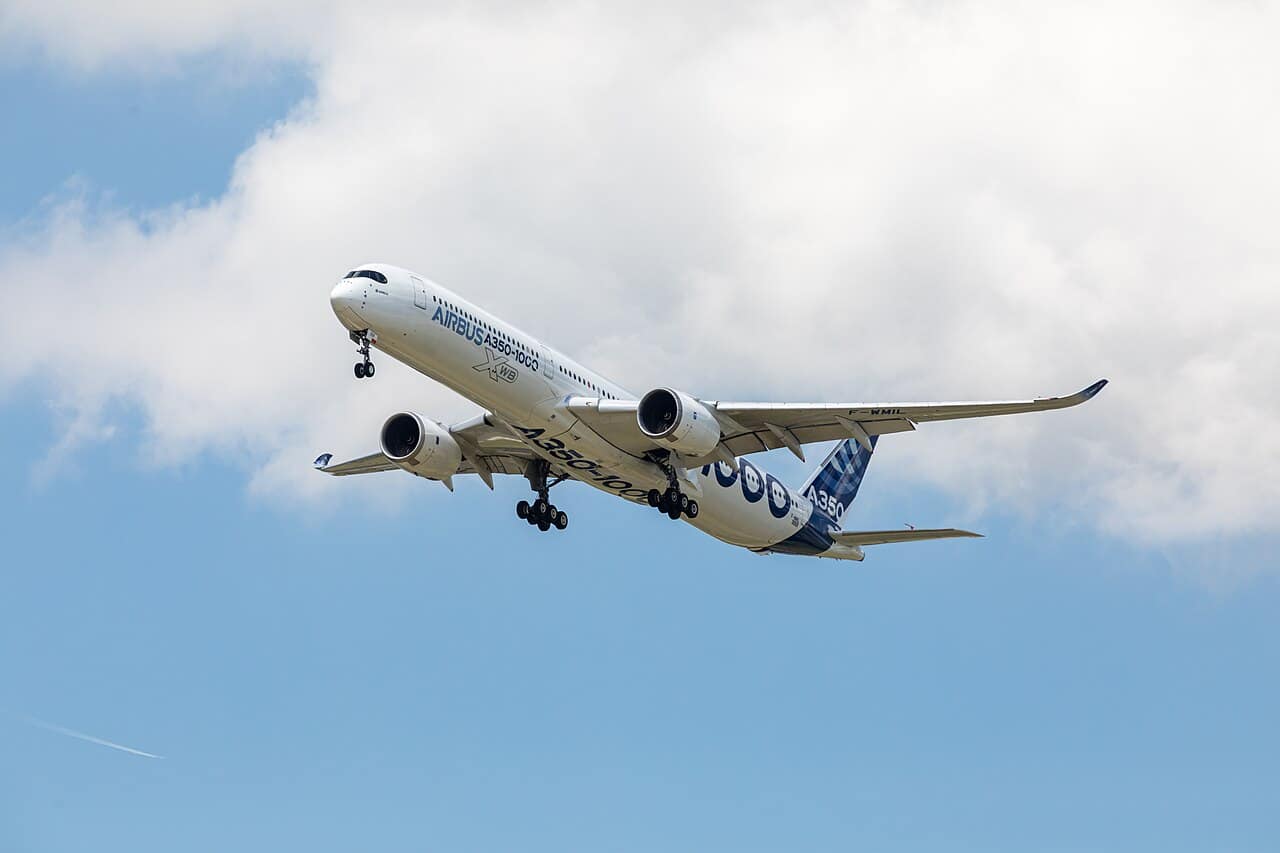
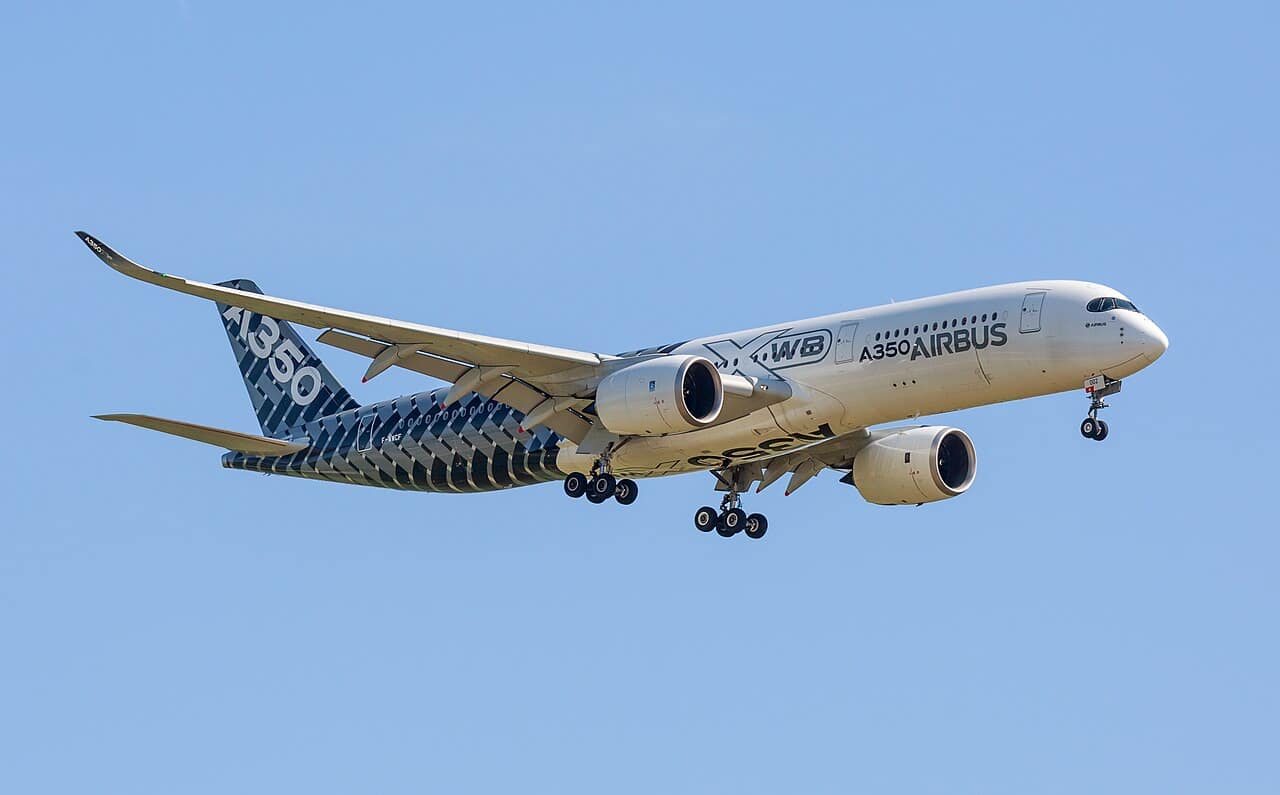
The A350 XWB's wing is the most sophisticated piece of commercial transport aerodynamics in current production. It is built almost entirely from carbon fibre composite — a material the Airbus consortium spent fifteen years learning to mass-produce — and is shaped to minimise drag at exactly the cruise conditions the A350 spends its life in: Mach 0.85 at 41,000 feet.
The curve at the wingtip is the signature feature. It is not a winglet bolted on as an aftermarket addition. It is a raked wingtip, integral to the wing structure, sweeping smoothly back and upward. The shape was settled by computational fluid dynamics models that ran for tens of millions of CPU-hours before metal was cut. The end result is an aircraft that burns 25% less fuel than the Boeing 777 it competes against — and looks, head-on, like a heron extending its wings to land.
4. Northrop Grumman B-2 Spirit — The Flying Wing
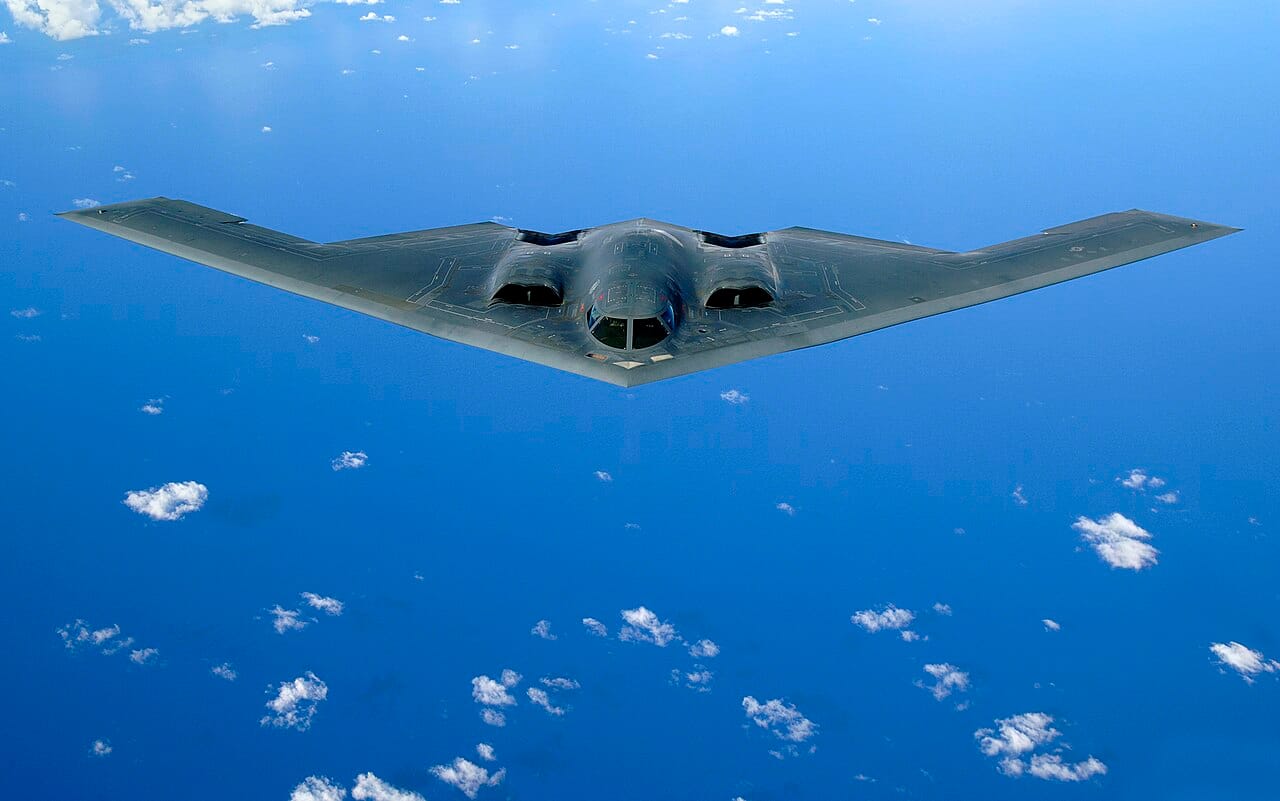
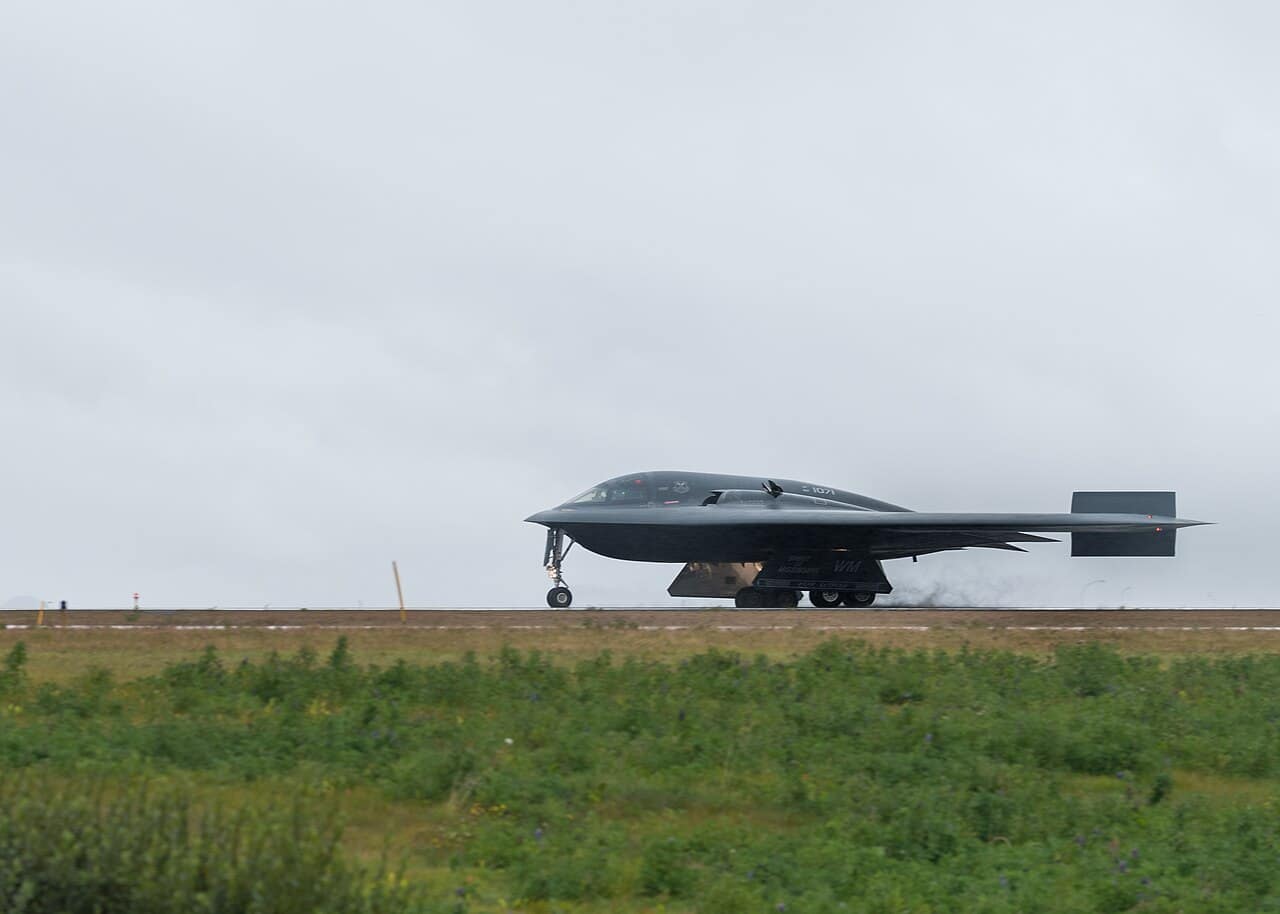
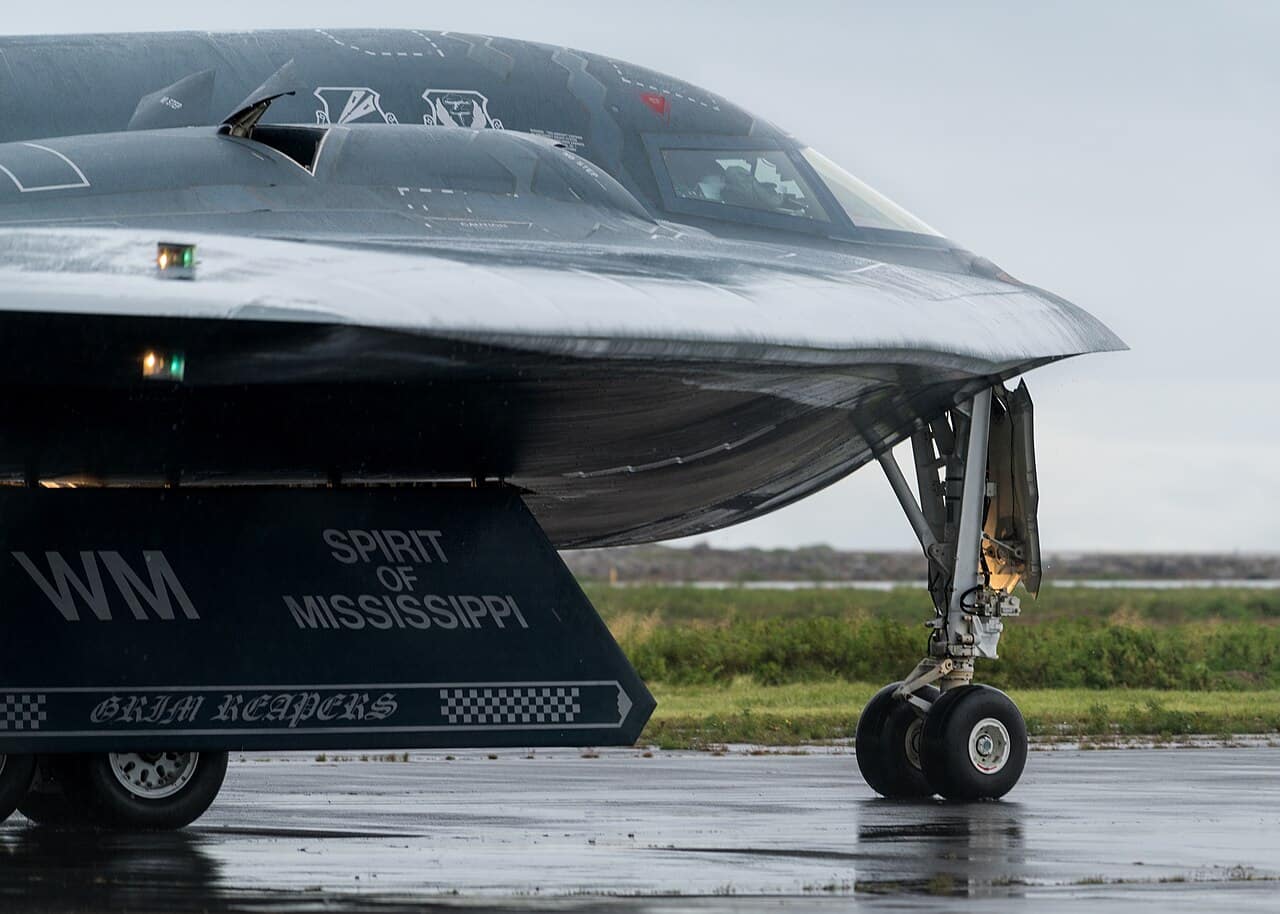
The B-2 Spirit is a wing. There is no fuselage in the conventional sense, no separate tail surfaces, no defined leading edge between body and wing. The bomber is, in pure geometric terms, a single tapered triangle with a small bulge along the centreline that contains the cockpit and the bomb bay. Jack Northrop conceived the flying-wing form in the 1930s and finally saw it flown at scale on the YB-49 in 1947 — but it was the B-2 in 1989 that proved the configuration could be made operational.
The aesthetic power of the B-2 comes from the absence of detail. Most aircraft are visually busy: tail fin, separate engines, distinct cockpit, distinct cabin, distinct wings. The B-2 has none of these. It is one shape, monochrome grey, with the exhaust nozzles tucked above the wing surface so they are invisible from below. It is the closest any human-engineered object has come to being a piece of sculpture that also flies.
5. Common Swift / Barn Swallow — The Sickle Wing
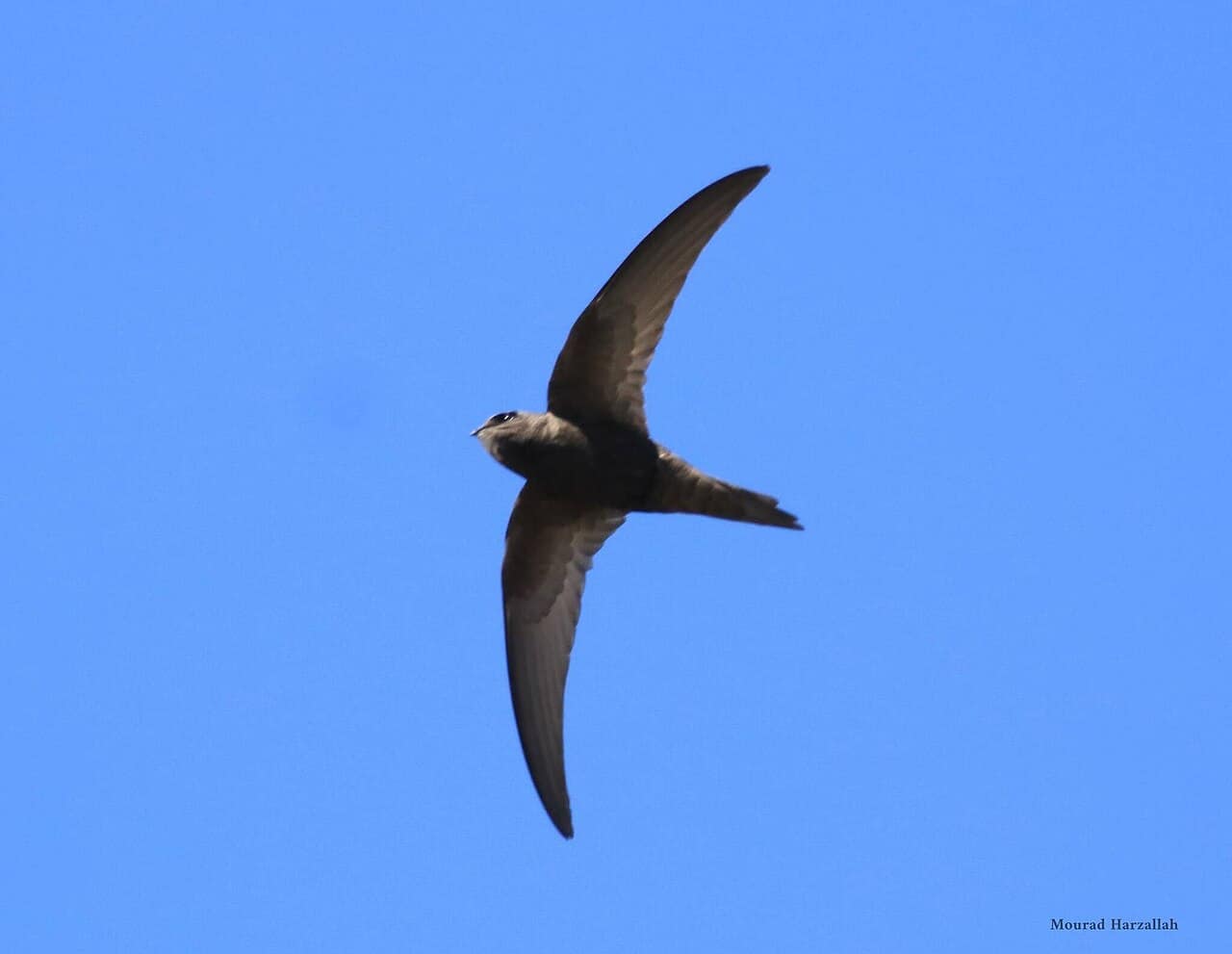
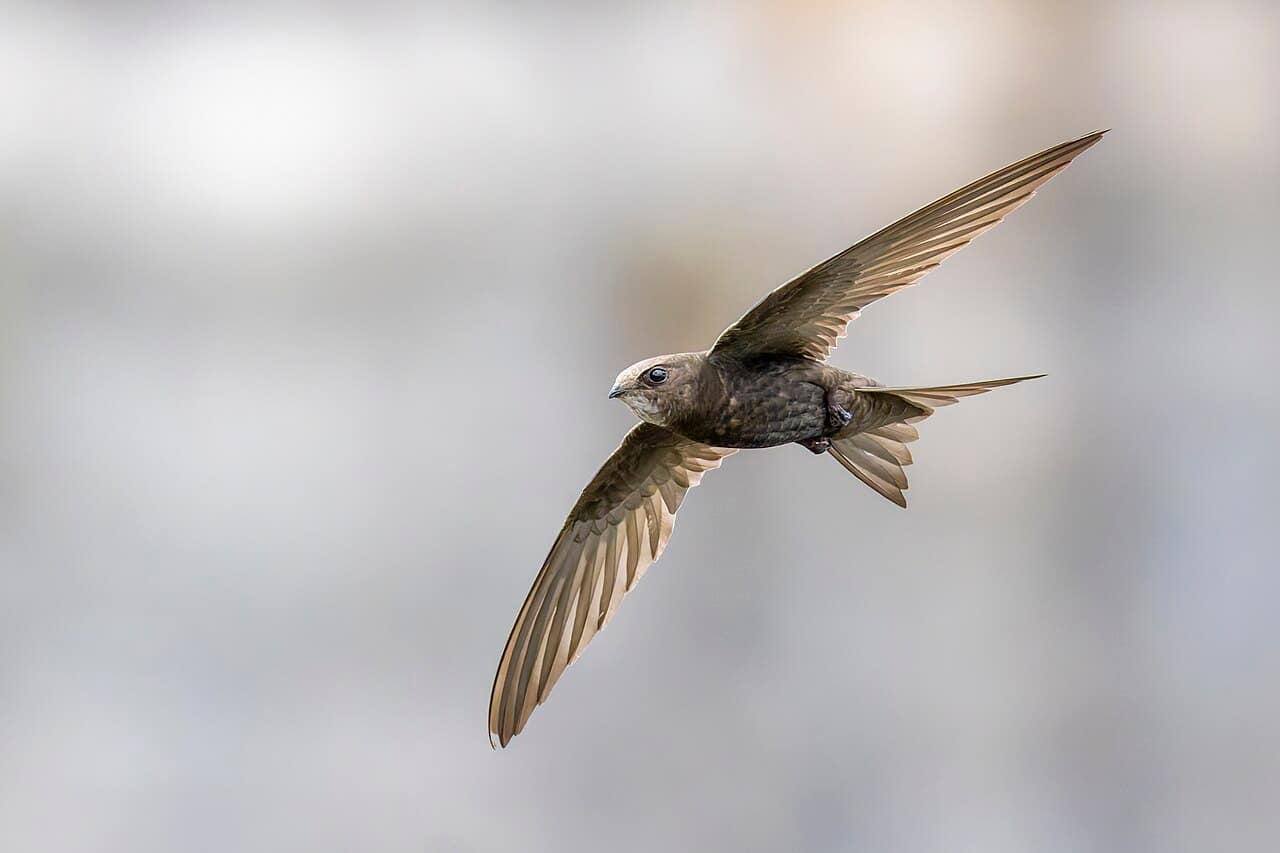
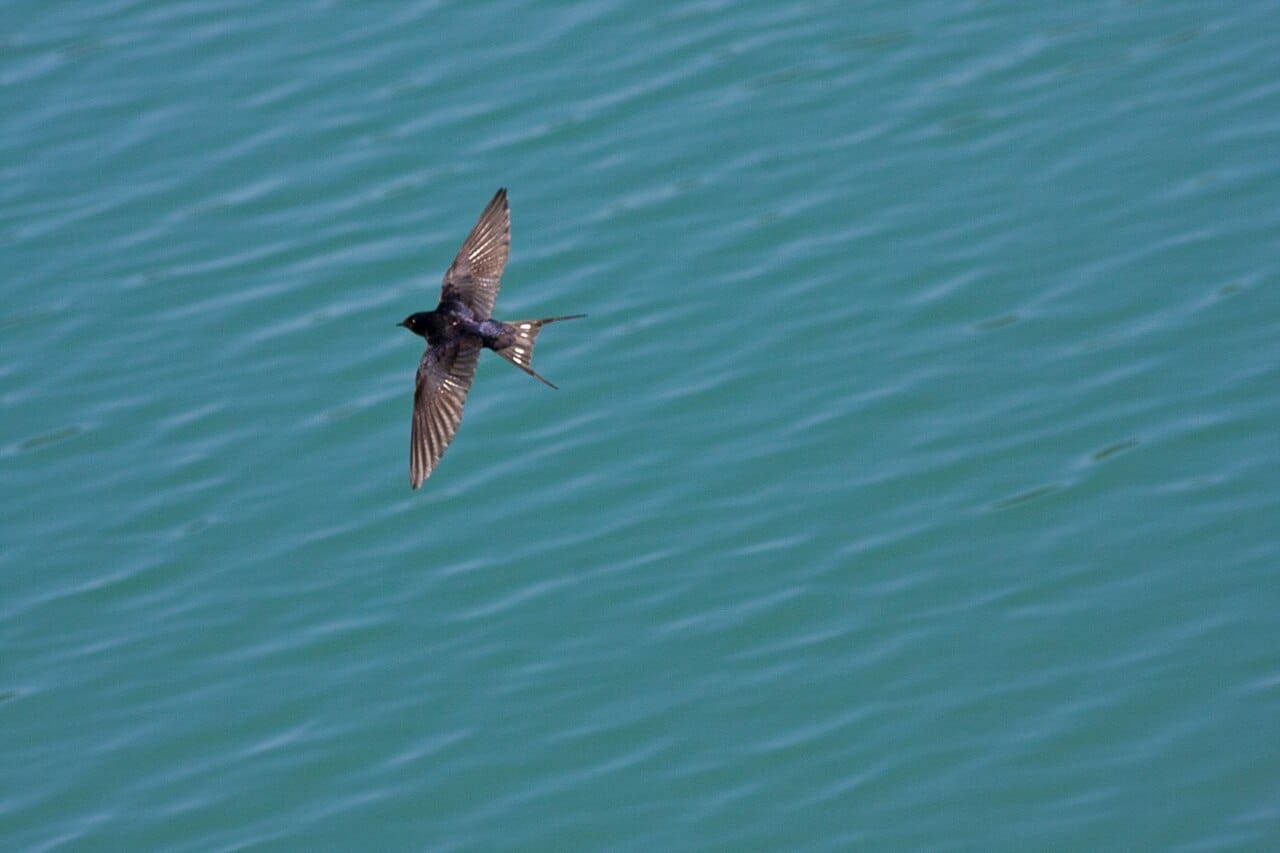
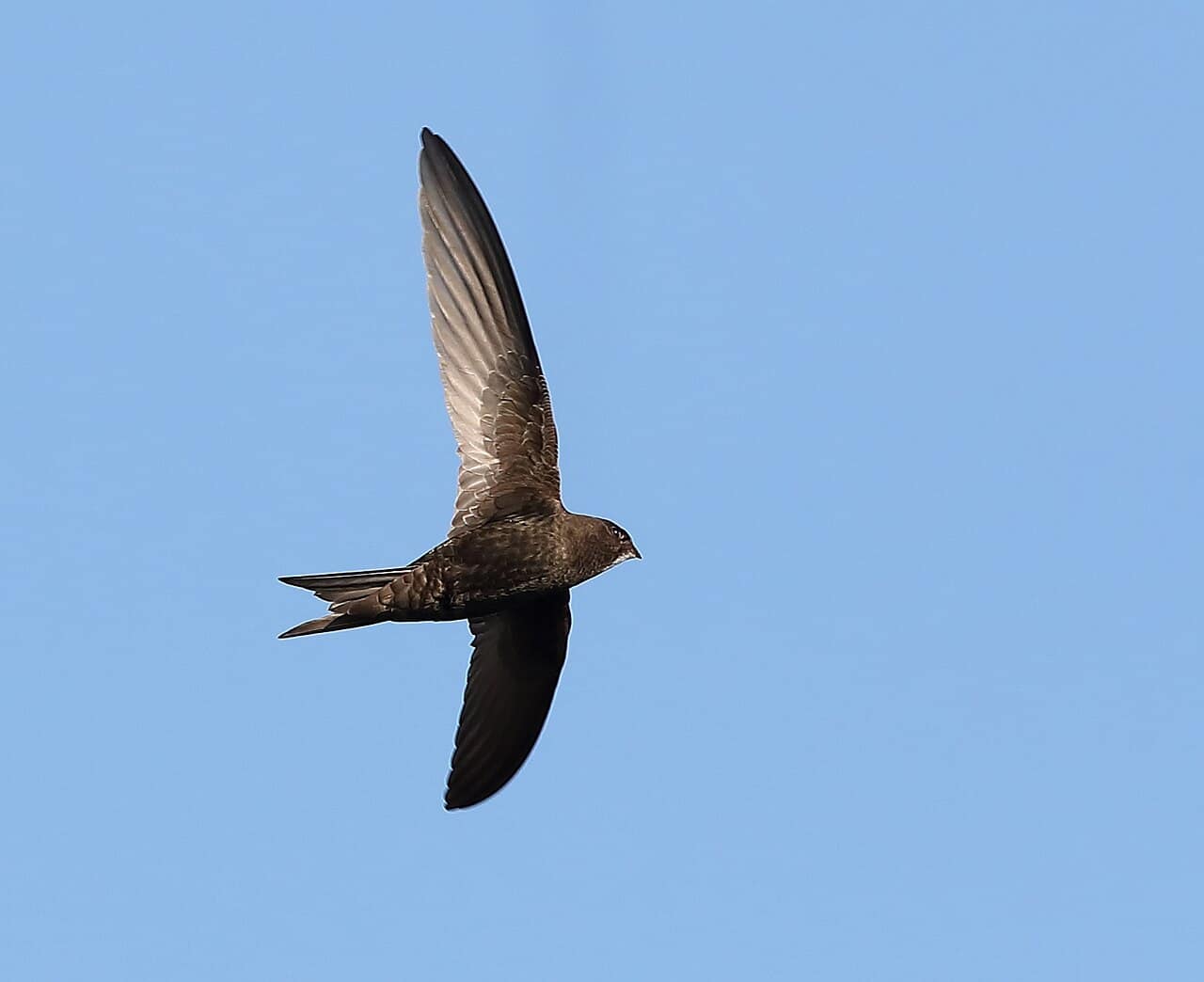
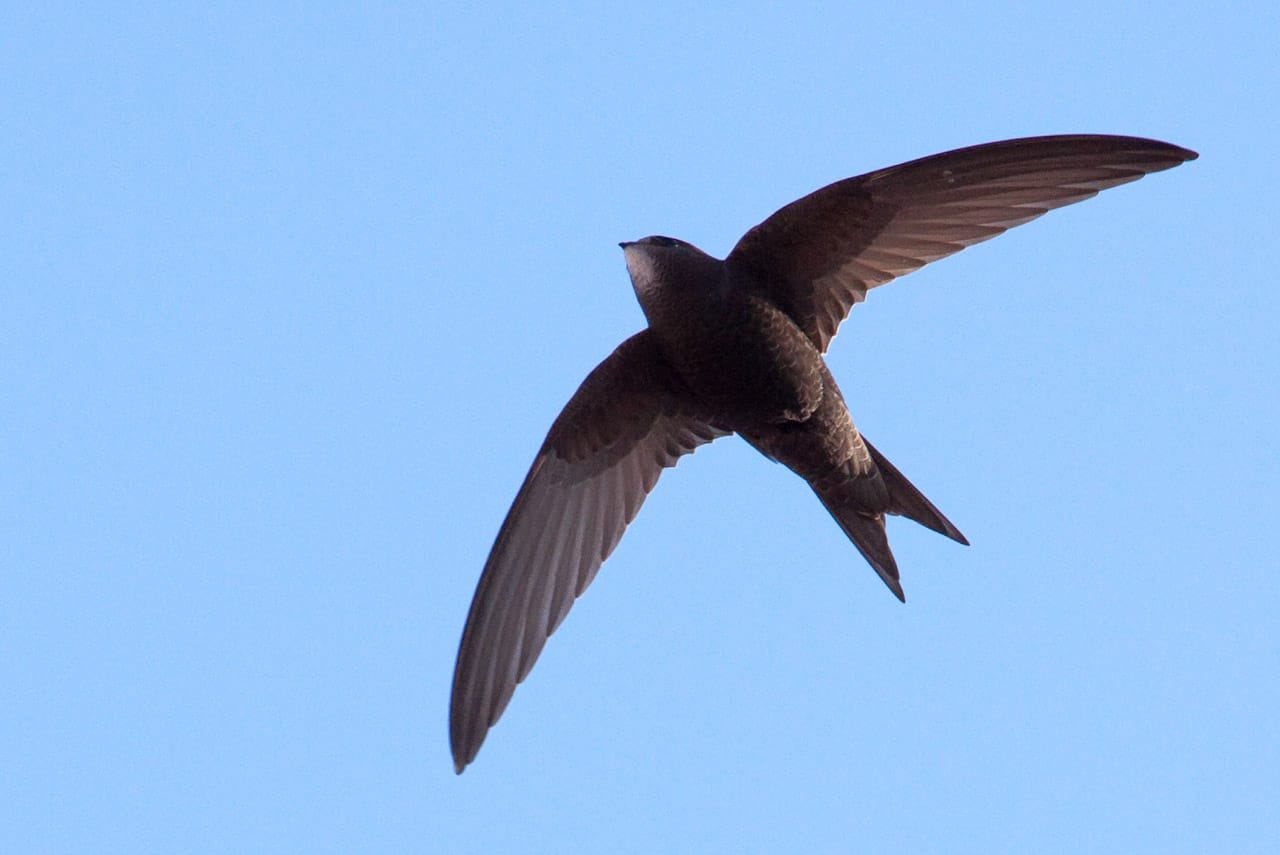
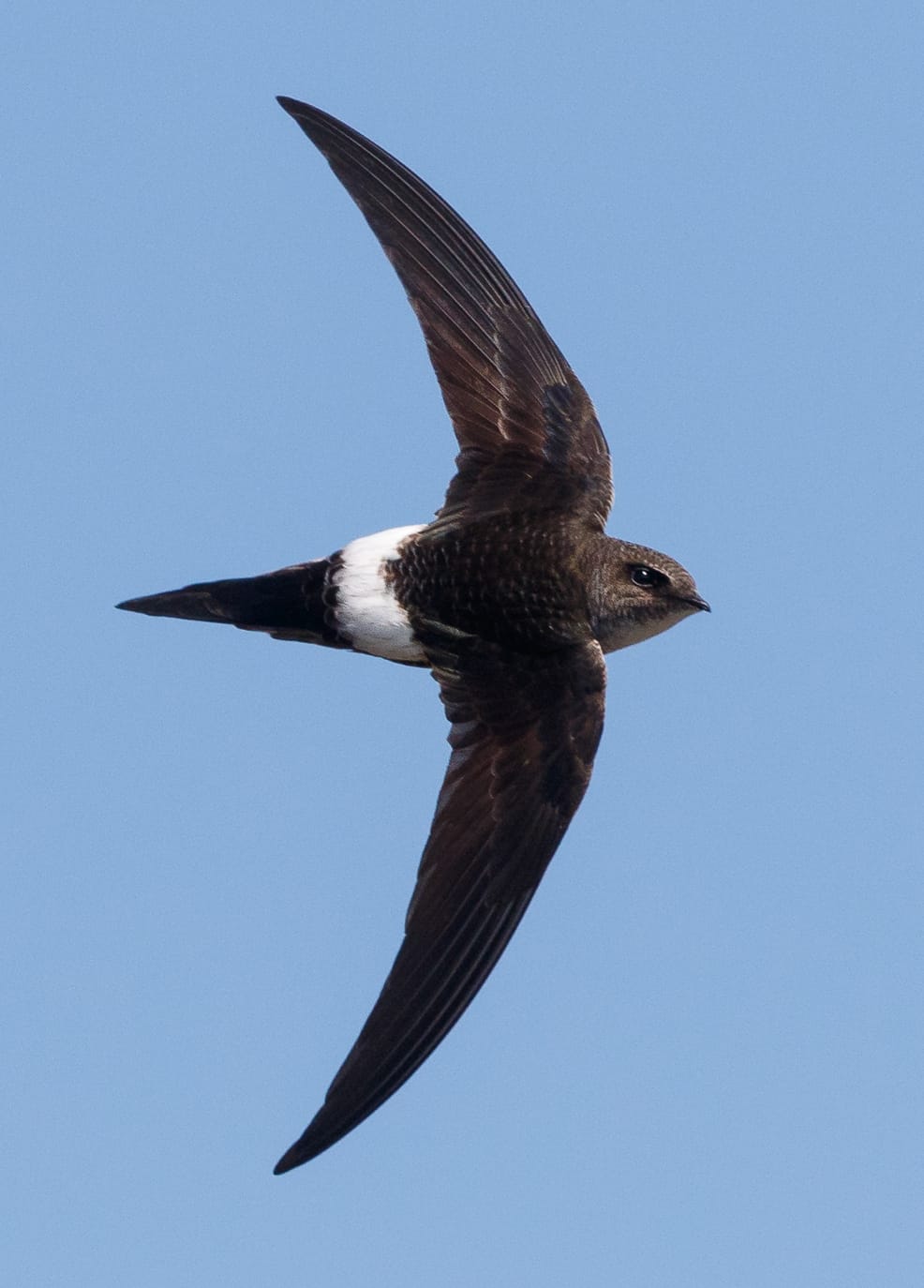
The Common Swift is the most aerial bird on Earth. A single individual will fly continuously for up to ten months without landing — eating, drinking, mating, and sleeping on the wing. The geometry that makes this possible is the deeply backswept sickle-shaped wing: a narrow, long, pointed planform with a very high aspect ratio (15:1, close to a sailplane) and a wing-loading so low the bird can soar at minimum energy cost.
The wing's deeply curved leading edge — the "sickle" — is functionally similar to the swept wing of a high-altitude jet. It delays the onset of stall, lets the bird turn very tight at high speed, and provides exceptional manoeuvrability in the precise corner of the flight envelope where insects fly. Closely related Barn Swallows share the form. The Pacific Swift (Apus pacificus) — known in French as the Martinet de Sibérie, the Siberian Swift — is the Far-Eastern cousin, with the same sickle wings plus a distinctive white rump. Engineering has spent a hundred years catching up to what evolution settled on in the Eocene.
6. Wandering Albatross — Dynamic Soaring Champion
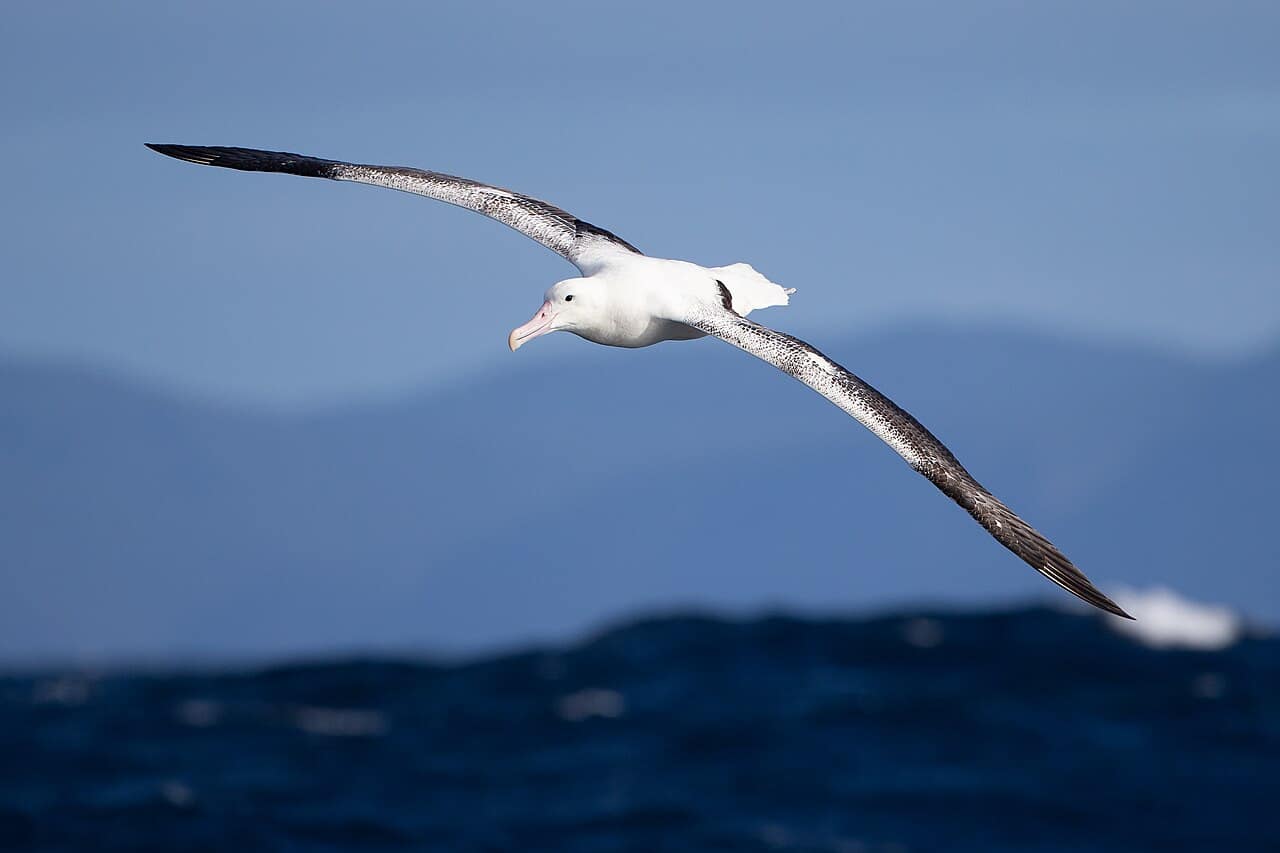
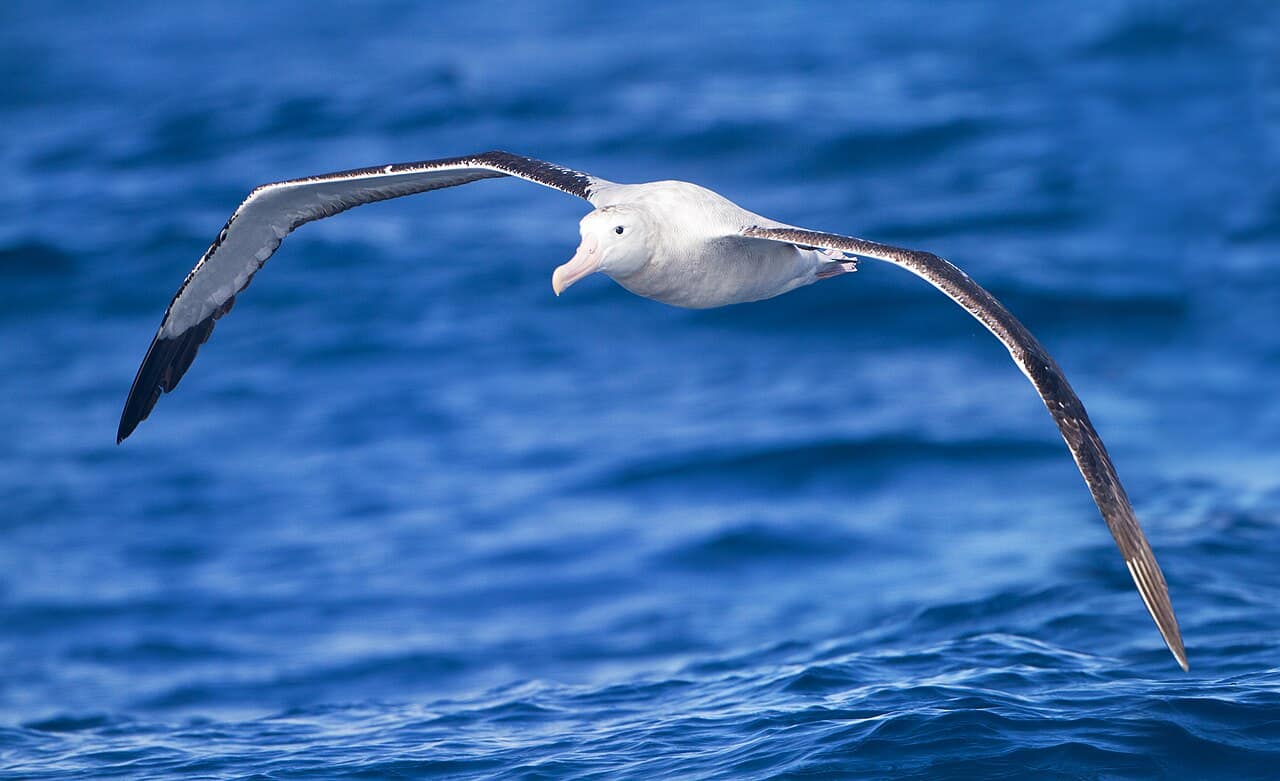
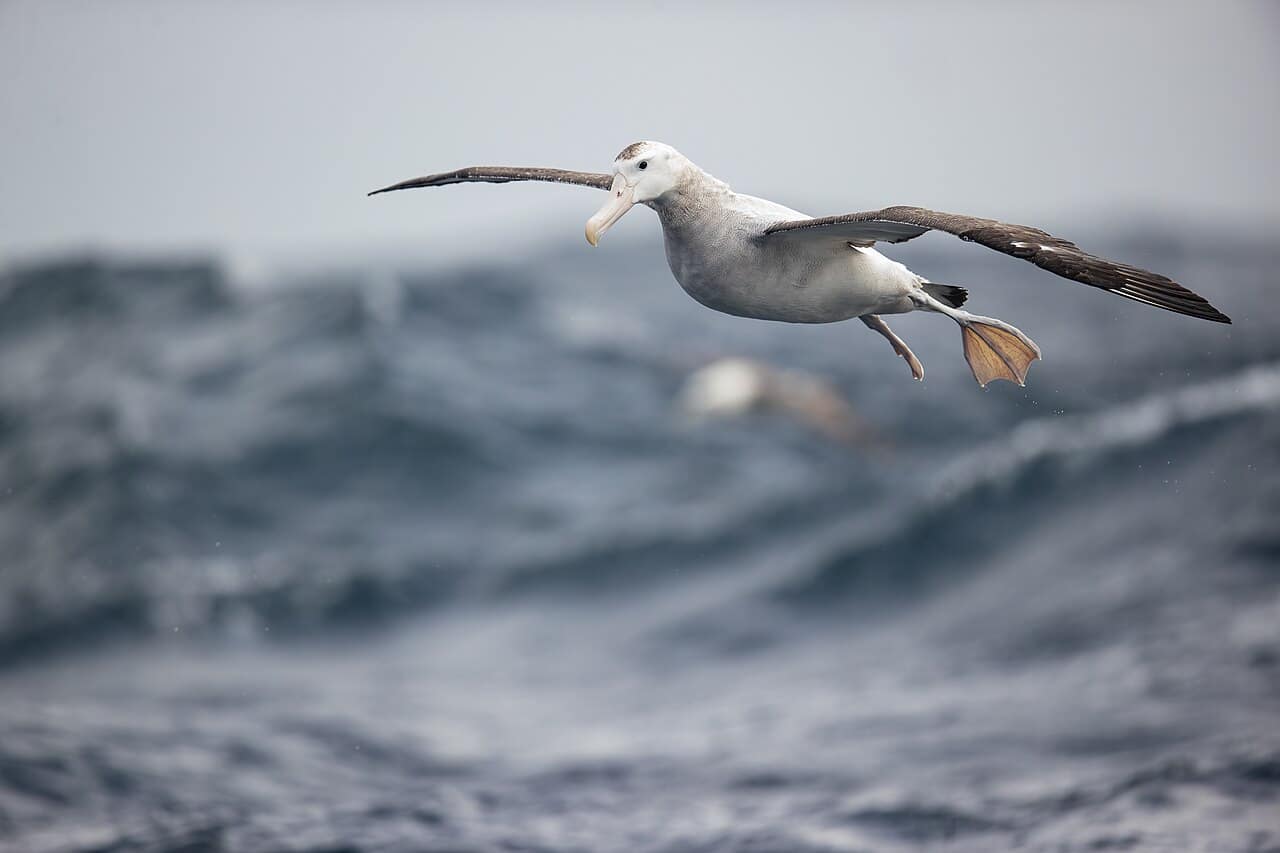
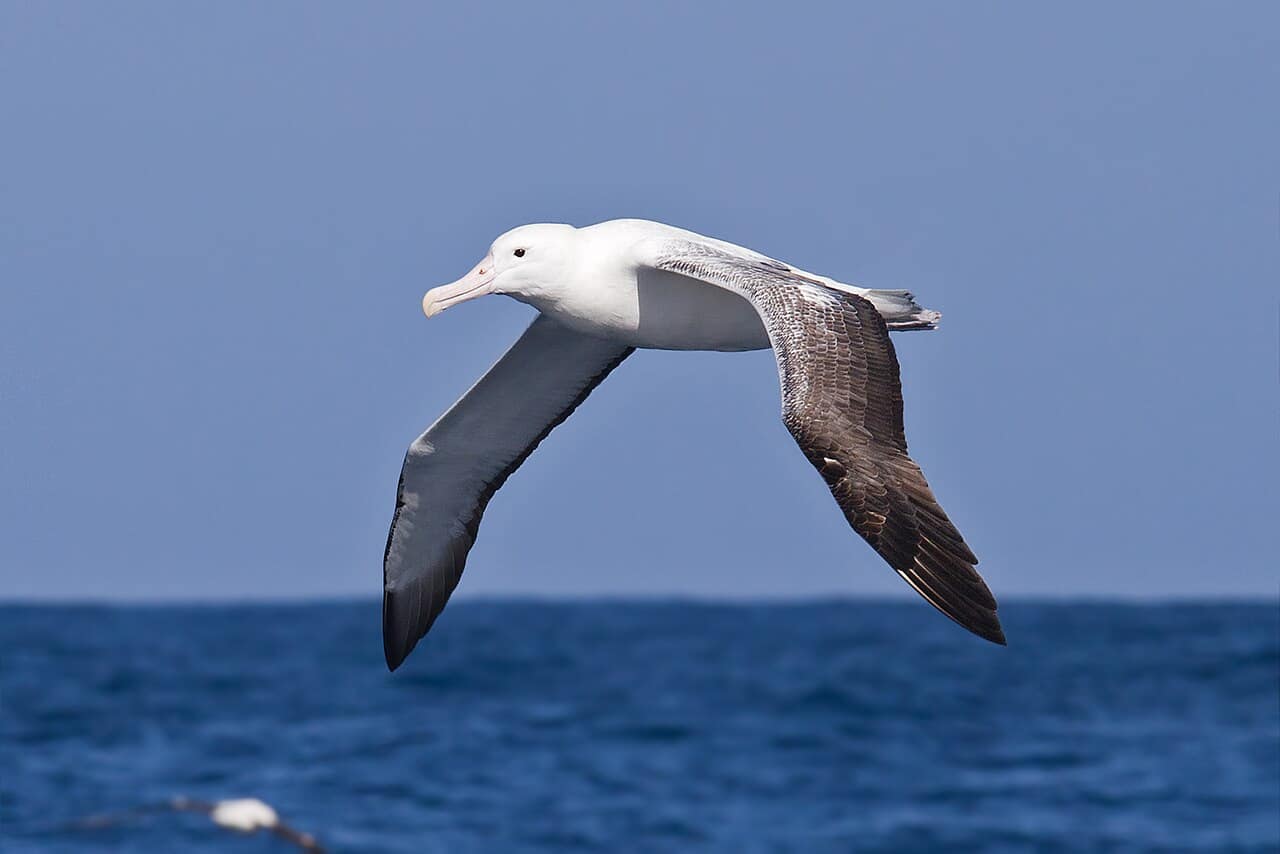
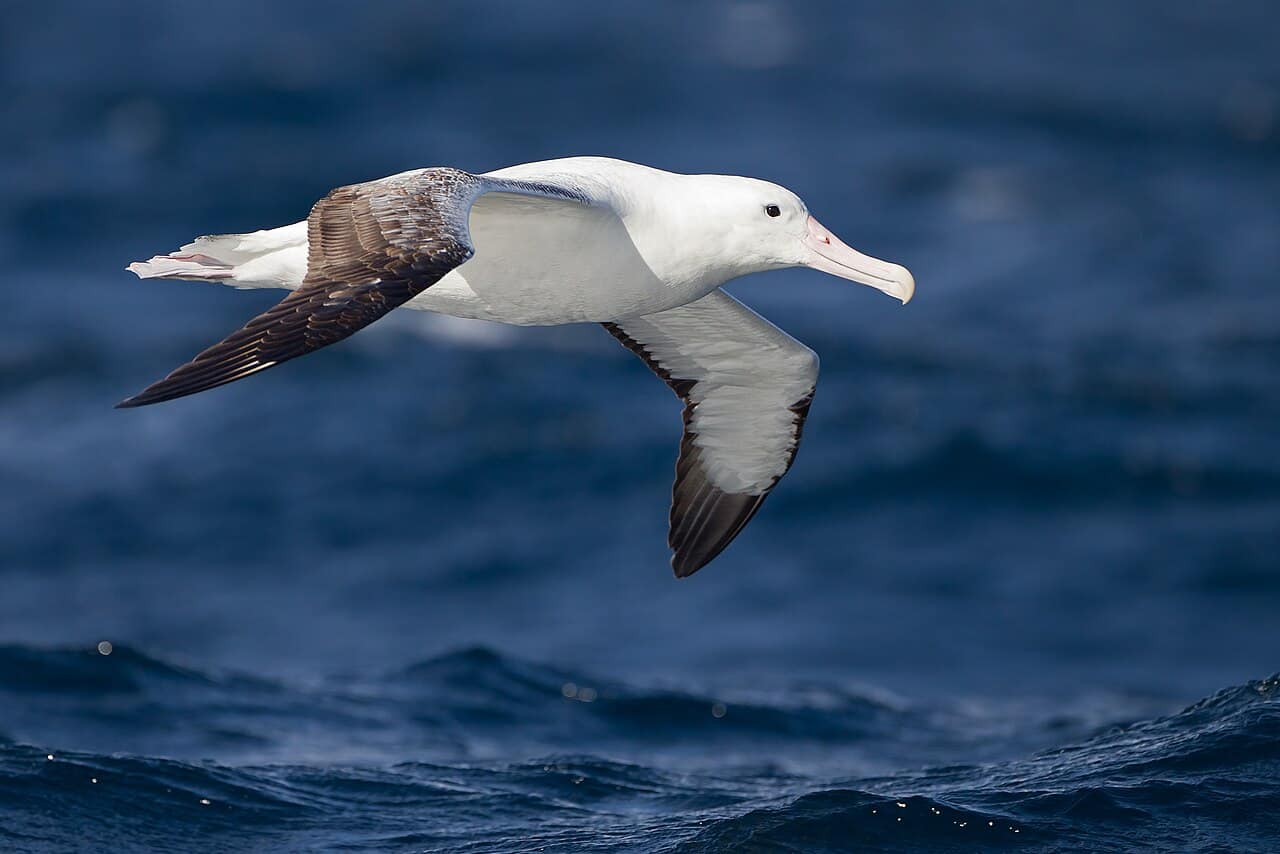
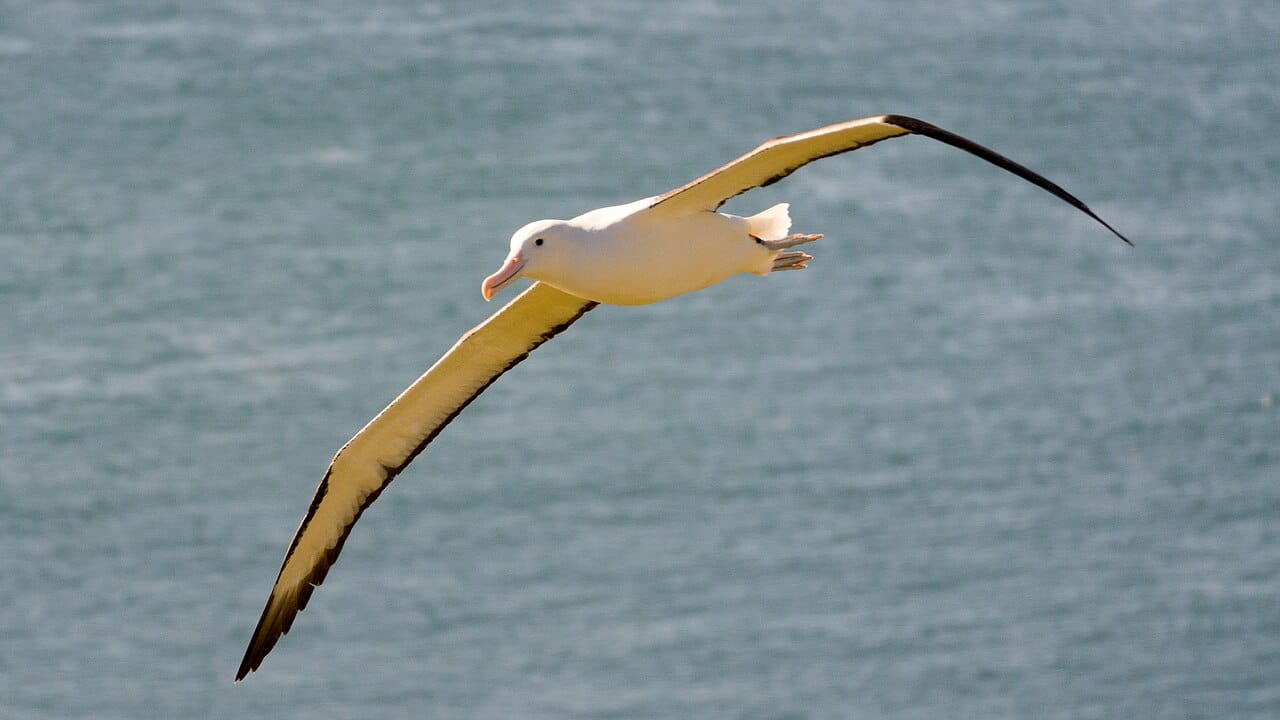
The Wandering Albatross has the longest wingspan of any living bird — verified specimens have reached 3.65 metres, and unverified reports speak of 4 metres. The aspect ratio is 12-13:1, comparable to a Schleicher ASW-27 competition sailplane. Each wing has a locked-elbow joint that allows the bird to hold its wings rigidly extended without muscular effort for hours at a time.
What makes the Albatross beautiful is not the size but the technique. The bird flies a manoeuvre called dynamic soaring: it dives into the wind gradient just above the ocean surface, picking up speed in descending wind, turns through the bottom of the cycle, and climbs back into the slower upper airflow to repeat the process. A single Albatross has been radio-tagged covering 6,000 kilometres in twelve days without a single wingbeat. The wing is a perpetual-motion machine built out of feathers.
7. Blue Morpho Butterfly — Structural Colour
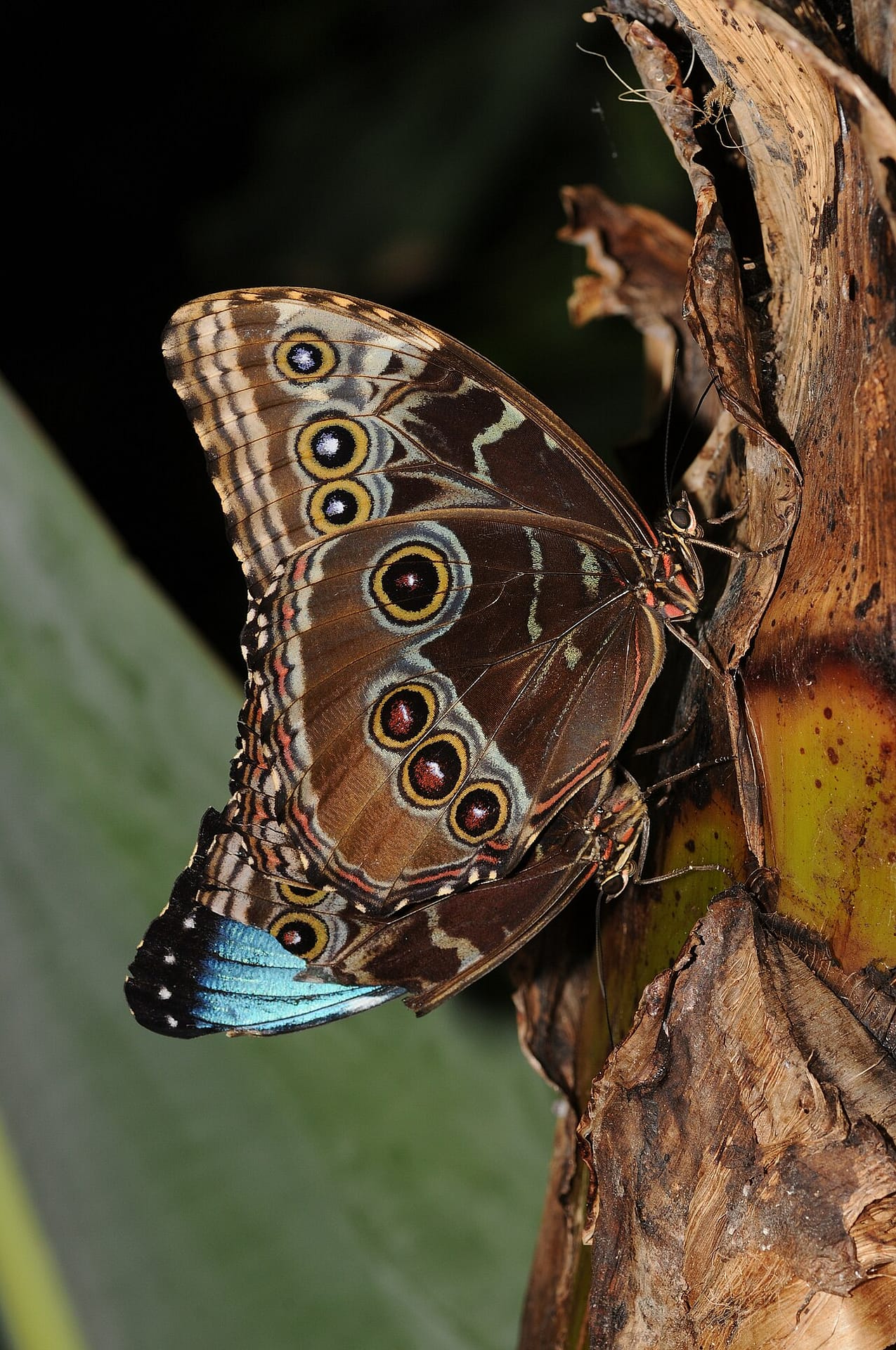
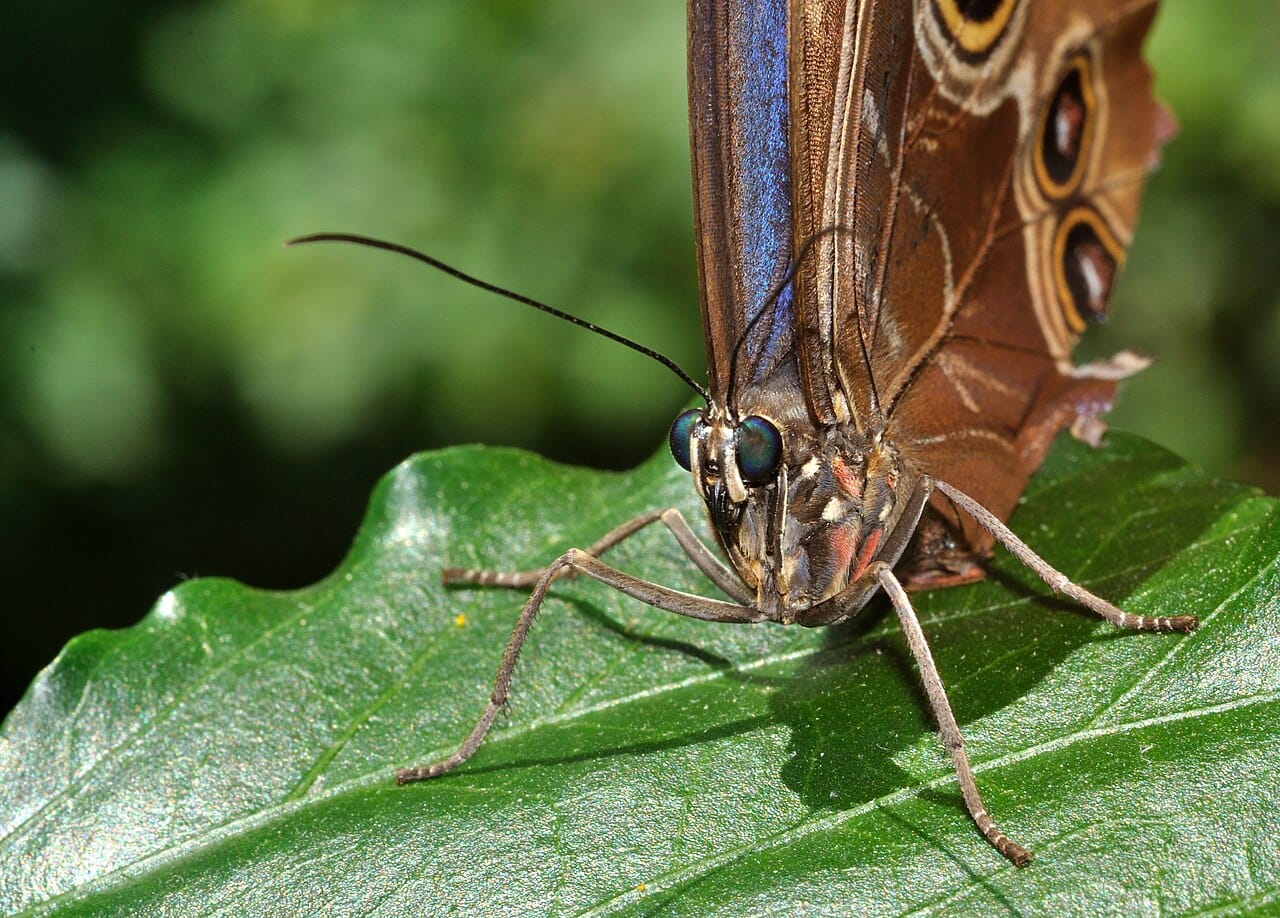
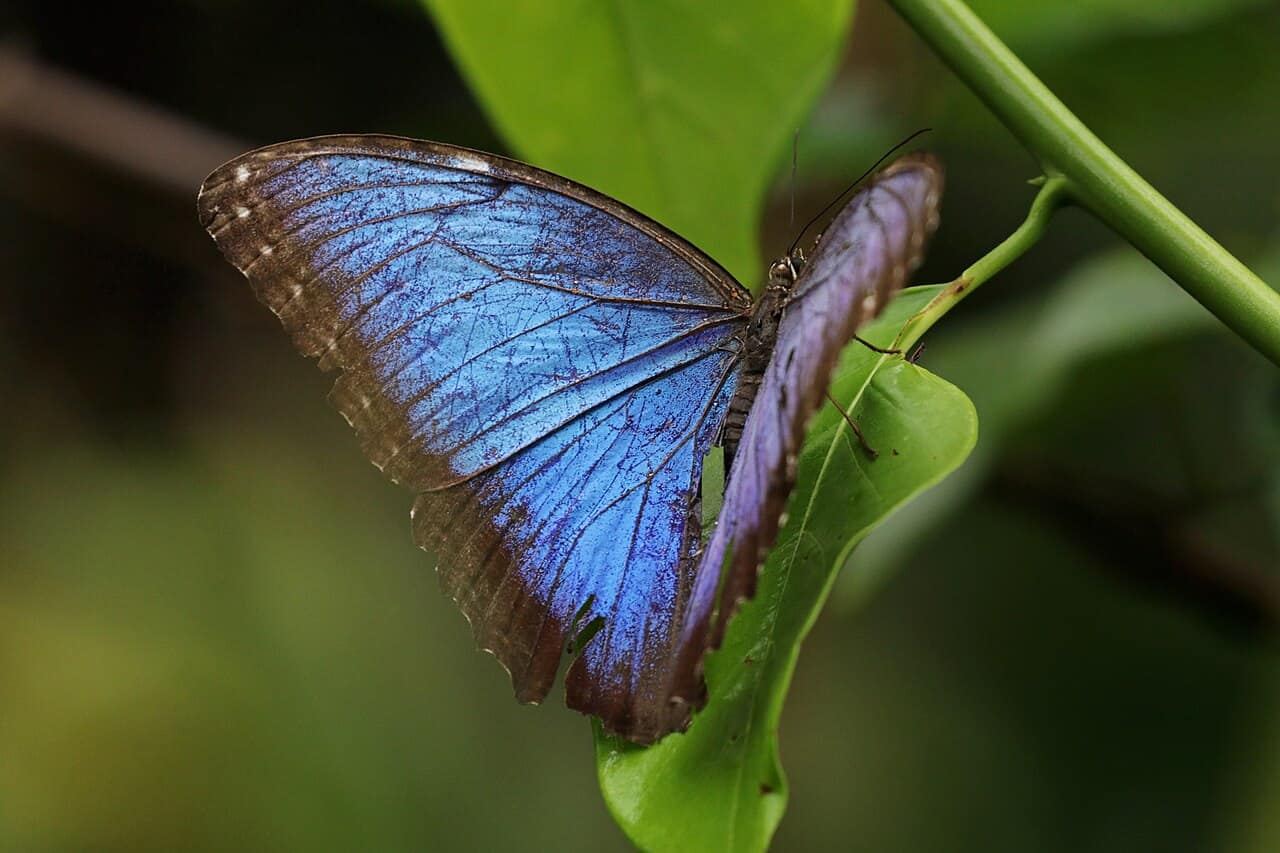
The Blue Morpho is the most-photographed butterfly on Earth, and for the right reason: the brilliant metallic blue of its dorsal wing surface is not produced by pigment. The wing scales contain no blue dye. The blue is a function of nanostructure — microscopic ribs etched into the chitin of each scale at intervals of roughly 200 nanometres, the wavelength of blue light, which interfere with each other to scatter only that colour back to the viewer.
The same trick is used by peacocks, by certain beetles, by a handful of birds-of-paradise. The Morpho perfected it. Look at the underside of the same butterfly and you see a drab brown — the wing is coloured to be invisible at rest and dazzling in flight. The aerodynamics are unremarkable for a tropical butterfly. The wings are beautiful because of how they manipulate physics, not because of how they fly.
8. Indian Peacock — Iridescent Coverts
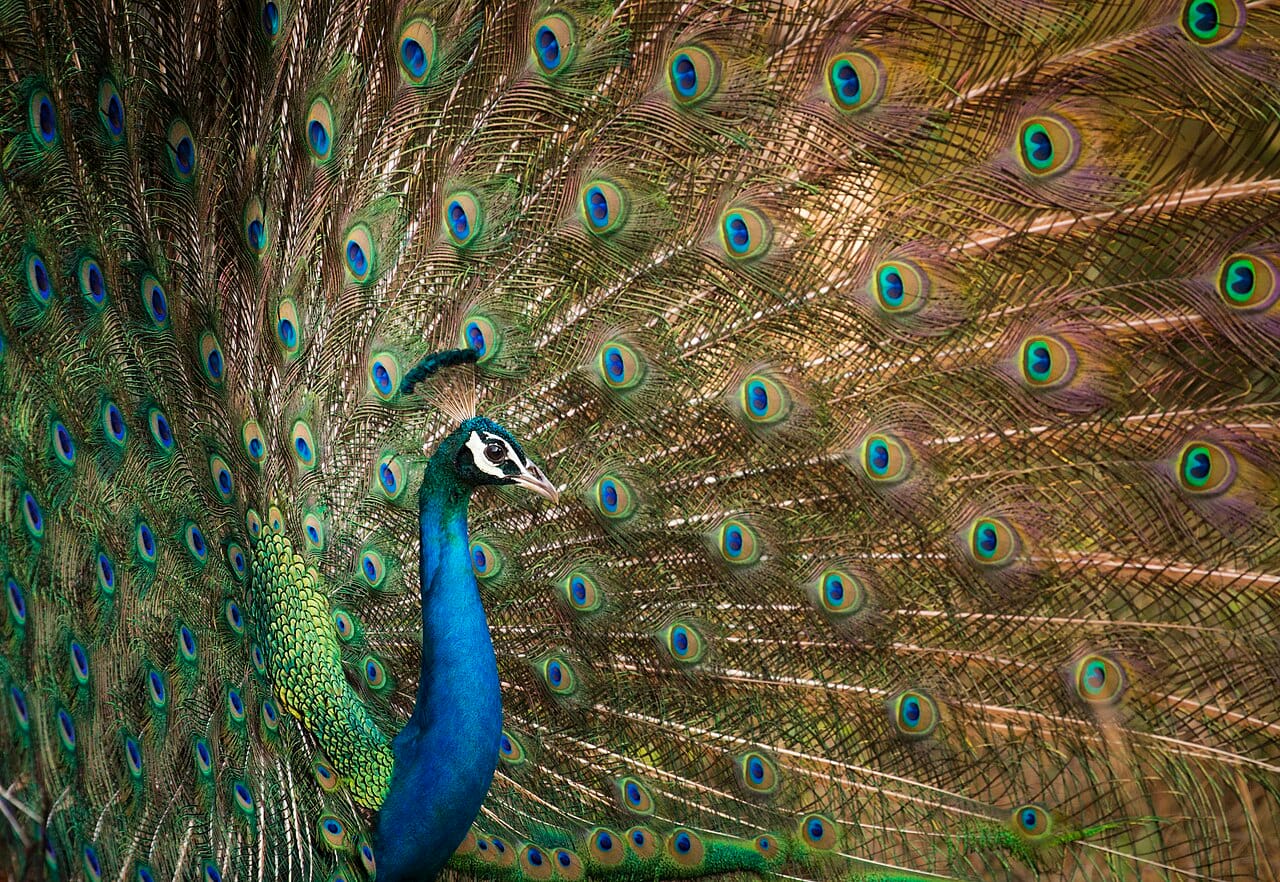
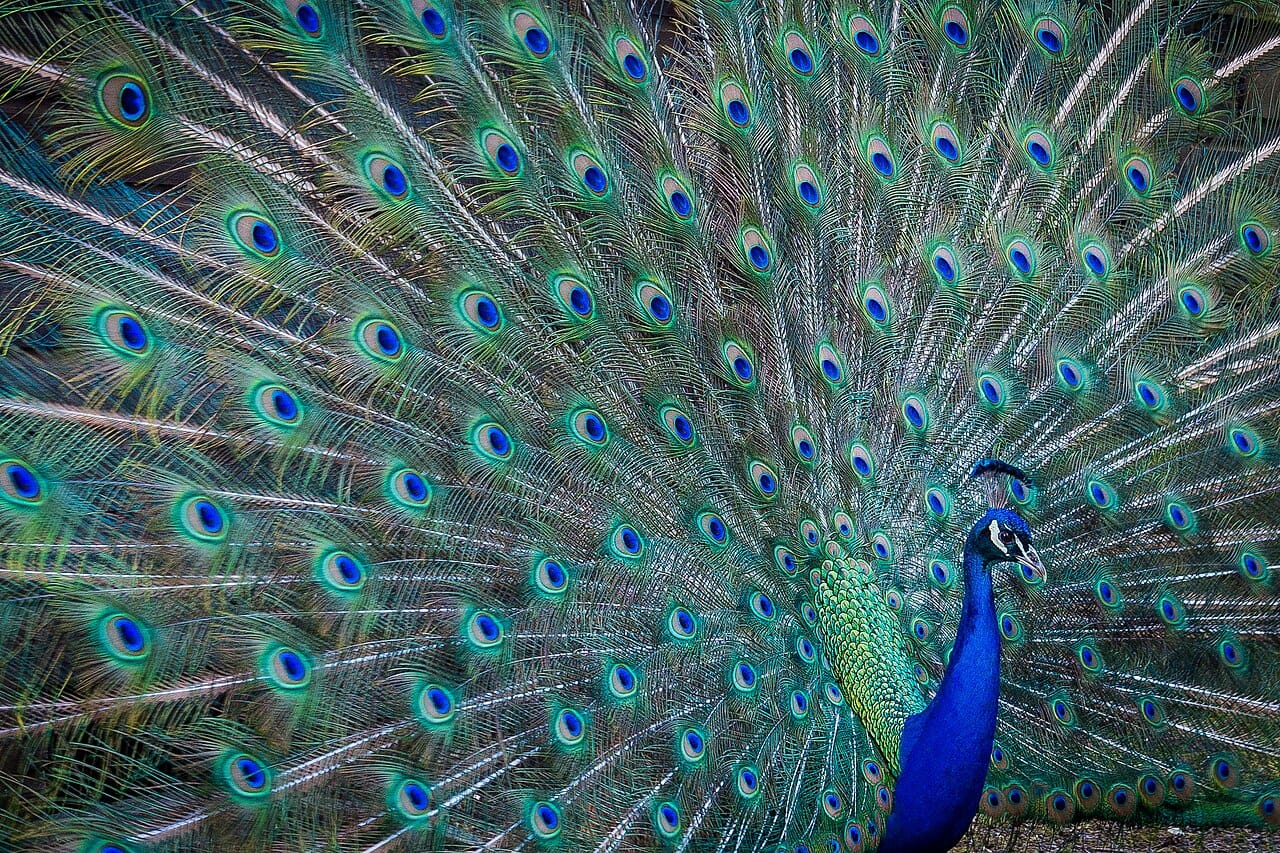
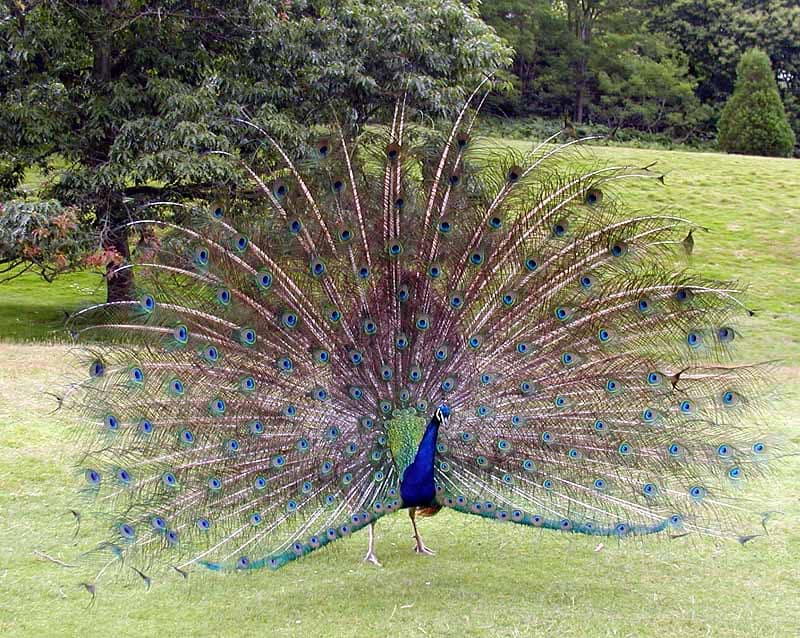
The Indian Peacock is famous for its tail — but the tail is technically not a tail. It is a fan of elongated upper tail coverts that erupt from the back during display, and the wing feathers underneath share the same structural-iridescent pigmentation: metallic bronze on the primary coverts, vivid green on the secondaries, royal-blue accents at the lesser coverts. The whole bird is one large signalling device.
The aerodynamic cost is real. Peacocks are heavy, slow flyers, capable only of short bursts of low-altitude flight. The wing form is evolutionarily compromised in favour of visual extravagance — sexual selection has overridden flight performance. It is the most extravagant trade-off in the entire bird family. And the wings, when held outstretched in the courtship display, are among the most beautiful objects in the natural world.
9. Glasswing Butterfly (Greta oto) — Transparent Wings
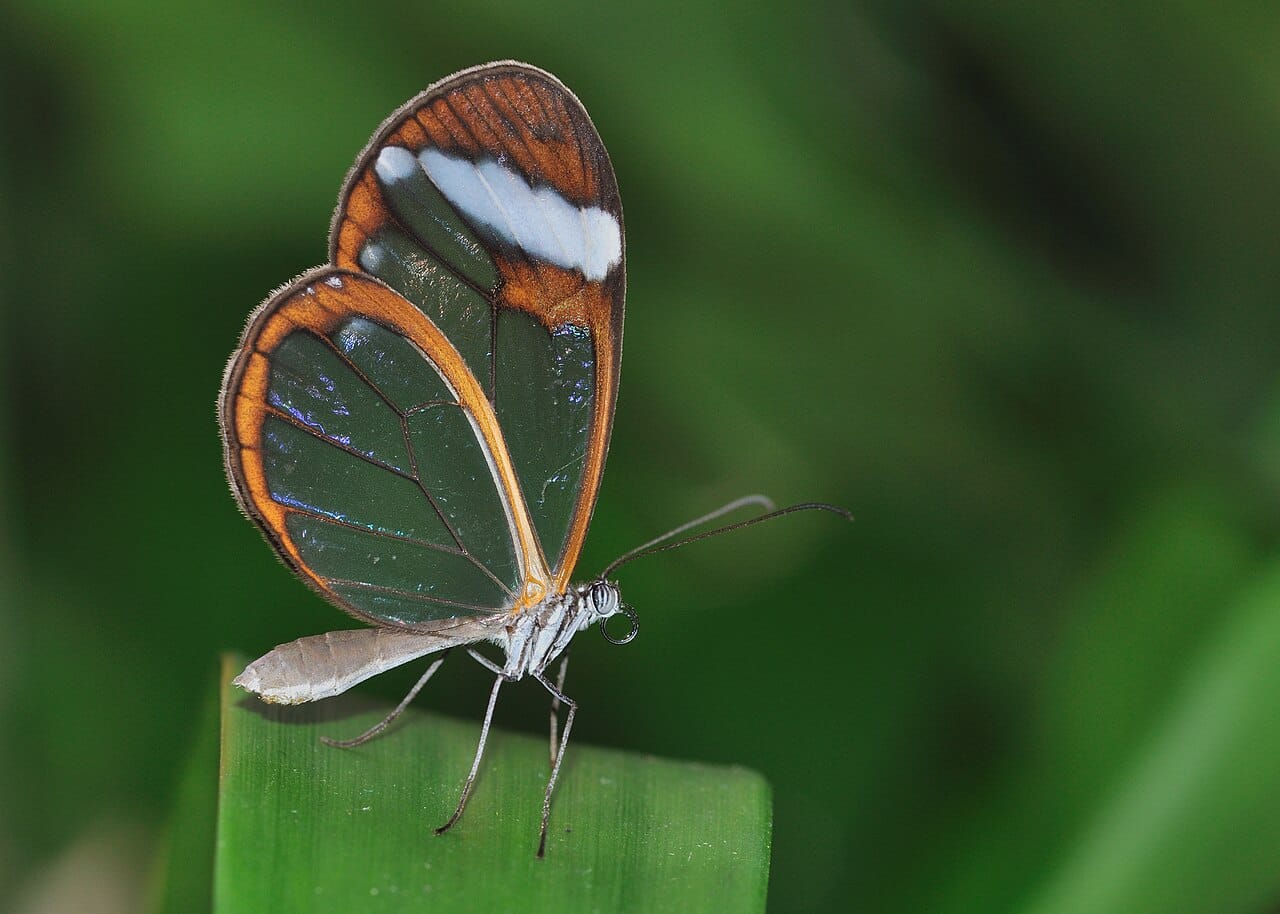

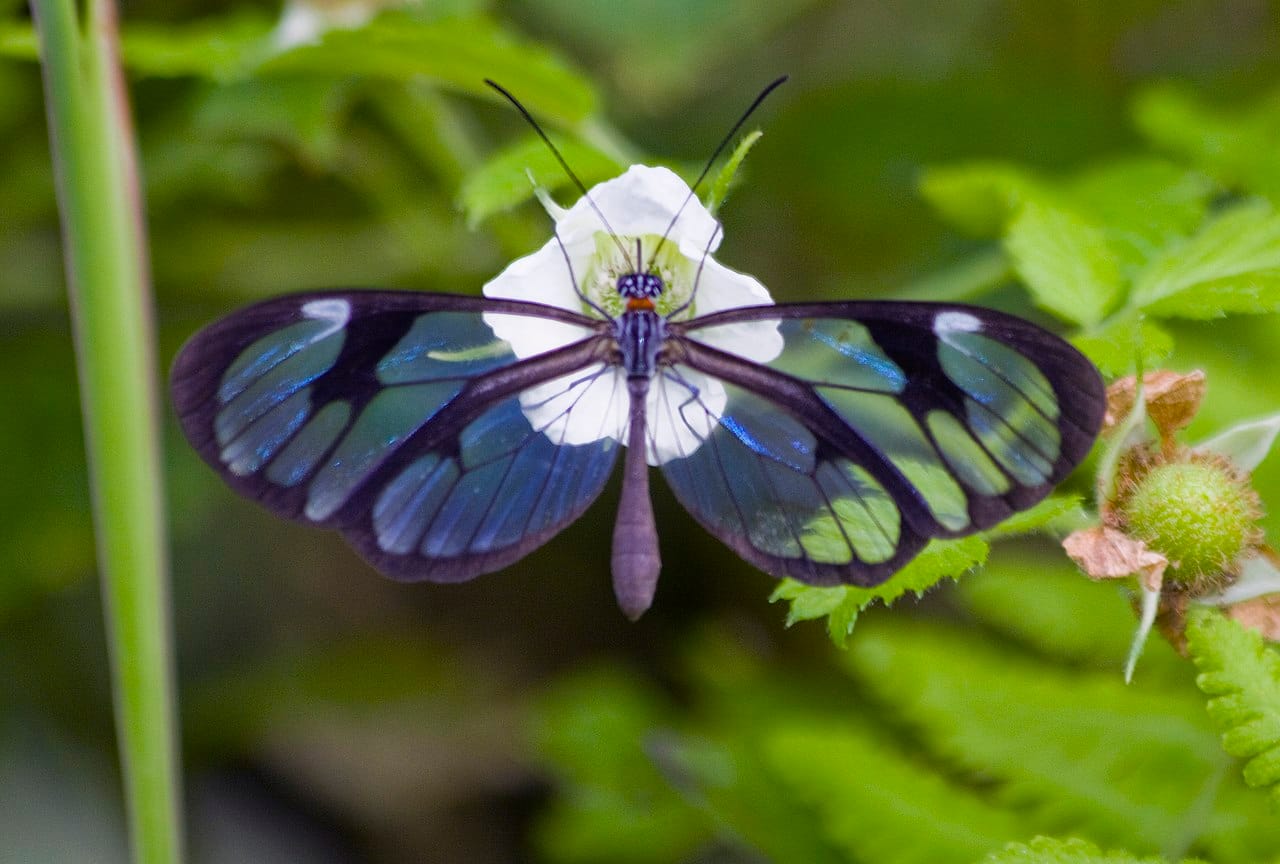
The Glasswing butterfly is the only large flying creature on Earth whose wings are genuinely transparent. The wing membrane is not white, not coloured — light passes through it almost completely unobstructed. Nature's normal trick of using pigments to absorb wavelengths is absent. Instead the chitin matrix in the wing is structured to have an effective refractive index almost identical to air, so reflection at the surface is minimised across the entire visible spectrum.
The functional purpose is camouflage. A Glasswing at rest on tropical foliage is essentially invisible to predators looking for solid wing shapes. The dark brown and orange wing borders are the only opaque parts of the structure — they exist to outline the wing for navigation by other Glasswings, in the way that an aircraft's position lights serve the same role for traffic separation. Nature got to nano-engineered anti-reflective coatings about 50 million years before humans did.
10. Hummingbird — The Flying Jewel
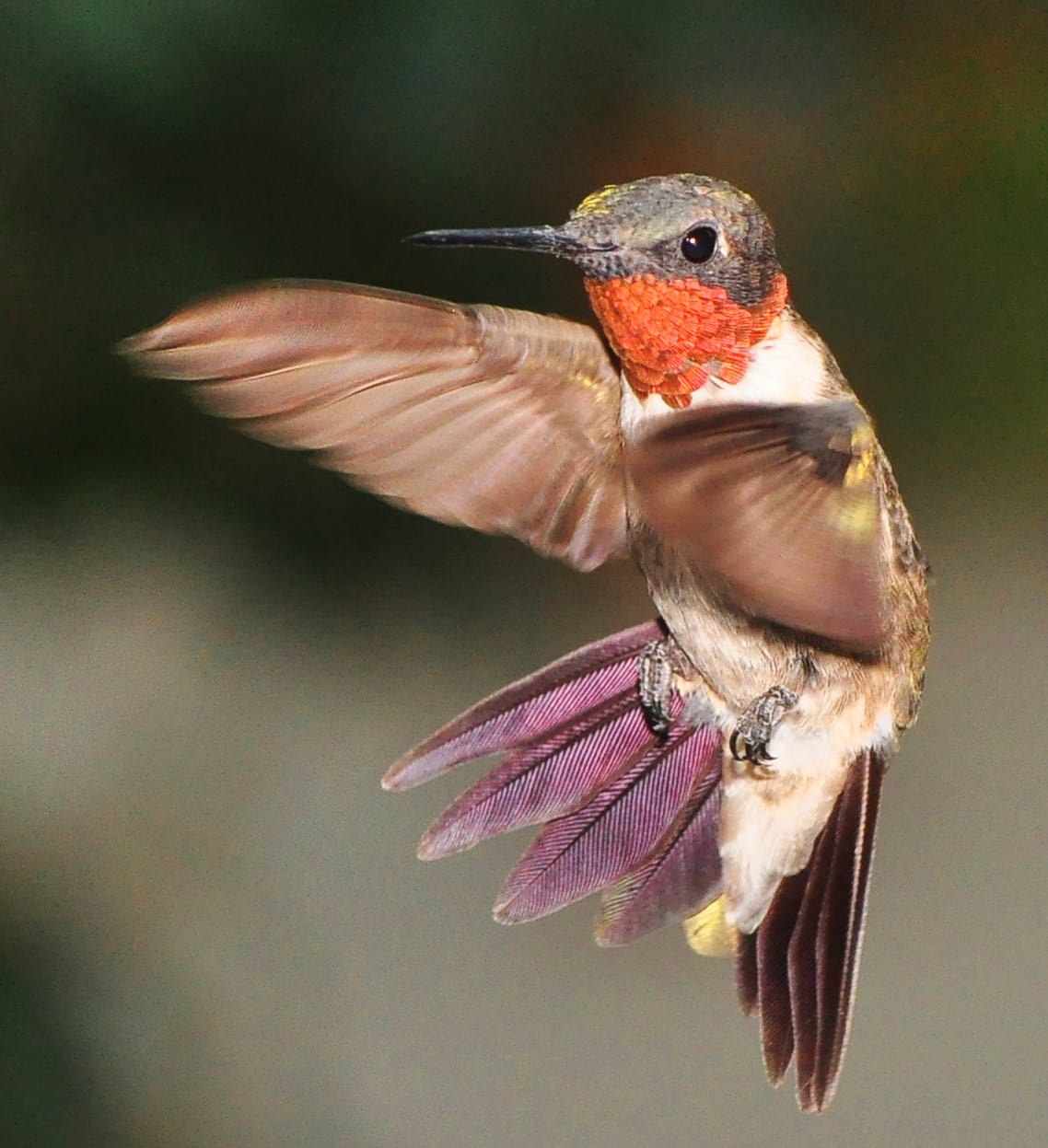

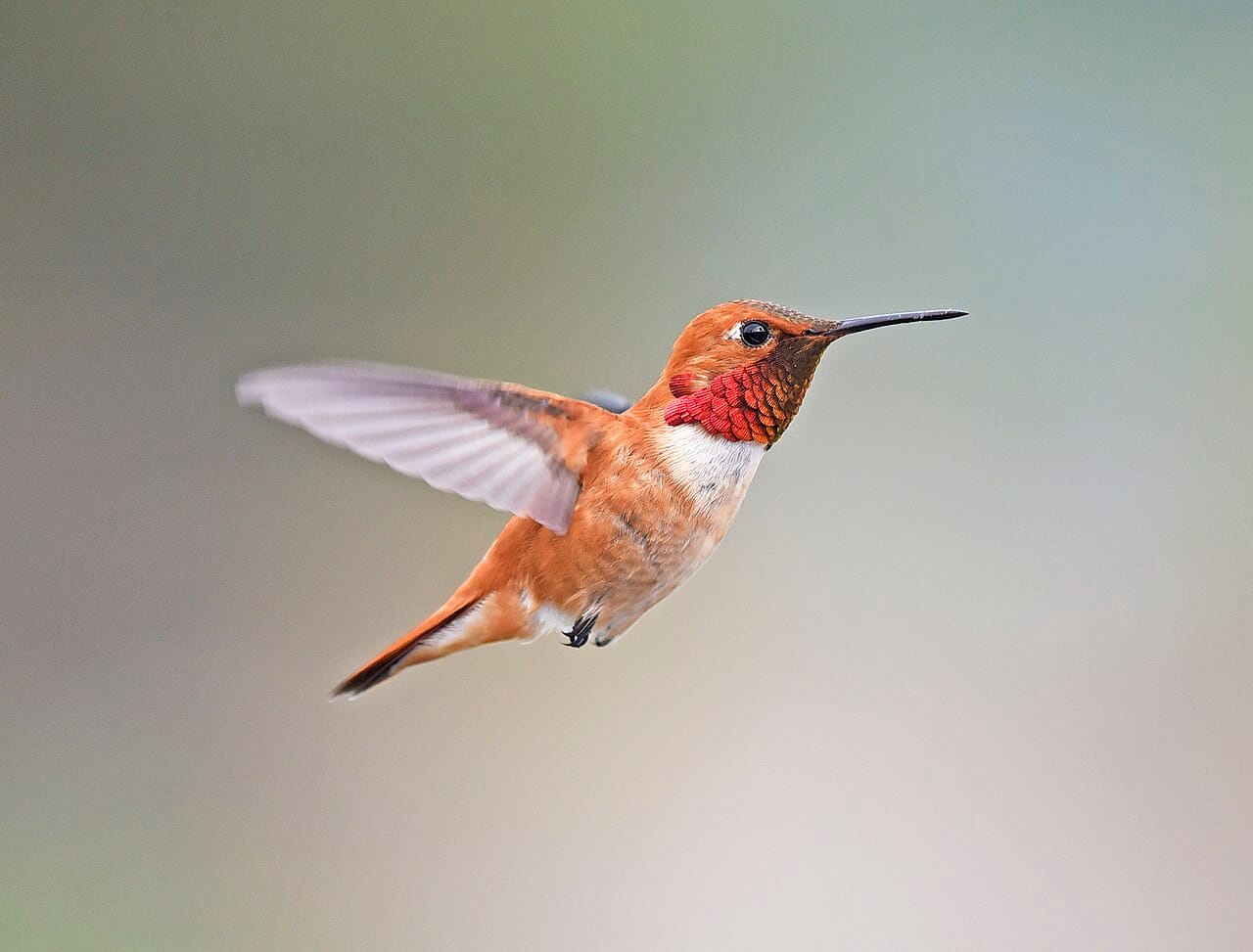
The hummingbird wing is the most remarkable piece of vertebrate biomechanics on the planet. Unlike every other bird, the hummingbird does not generate lift only on the downstroke; the upstroke produces lift too, made possible by a fully rotatable shoulder joint that lets the wing turn 180 degrees between strokes. The wing essentially traces a figure-eight pattern in the air, the same shape produced by an insect wing.
The beat frequency is between 50 and 80 cycles per second depending on species — fast enough to make the wings genuinely invisible to a human observer. The combined effect is true hovering: the bird can hold a stable position in still air, fly directly backwards, and accelerate from a hover to 45 mph in about two seconds. No fixed-wing or helicopter design has ever fully matched the manoeuvrability that hummingbirds achieve as a routine evolutionary inheritance. They are, as ornithologists have called them since the eighteenth century, flying jewels — and the wings are the reason.
What makes a wing beautiful?
The wings on this list span 500 million years of evolution and 120 years of human engineering, but they share a single property: every aspect of each wing's shape is doing work. Nothing is decorative. Nothing is added for show. The Spitfire's ellipse minimises induced drag. The Albatross's aspect ratio extracts energy from wind gradients. The Glasswing's transparency is a camouflage adaptation. The B-2's flying-wing geometry makes radar reflection geometrically impossible from most angles. Every line is functional.
That is what makes a wing beautiful. The forces that act on it — air pressure, surface tension, the laws of fluid dynamics, the demands of natural selection or military requirement — leave no room for ornament. What survives is essential. And what is essential, in this particular geometry, is what we recognise across discipline boundaries as beauty.
Cast your vote
We want to know which wing you would put at the top of the list. Over the next two weeks MiGFlug will run a vote on Instagram and Facebook with one post for each of the ten contenders above. Vote with your reactions. The wing with the most votes will get its own dedicated deep-dive feature on the MiGFlug blog. Follow us on social media and watch for the vote going up.
Sources: Wikipedia; Royal Aeronautical Society; Aerospaceweb.org; Cornell Lab of Ornithology; Smithsonian Air & Space Museum; National Geographic; Beverley Shenstone archives (RAeS).
Related Questions
What are considered the most beautiful wings in the world?
A MiGFlug feature names ten — six from nature and four from human engineering — judged the most beautifully resolved solutions to the problem of flight. The engineered standouts include the Supermarine Spitfire's elliptical wing, Concorde's slender ogival delta and the Airbus A350's graceful raked wingtips.
Why is the Spitfire’s wing elliptical?
The Supermarine Spitfire used an elliptical wing because that planform offers the lowest induced drag for a given wing area — a key efficiency advantage. R.J. Mitchell's 1934 design made it the most recognisable wing shape in aviation, central to the fighter's role in the Battle of Britain.
What kind of wing did Concorde have?
Concorde used a slender ogival delta wing, a curved triangular shape optimised for supersonic cruise that still generated enough lift at low speed for landing. Its elegant form remains iconic — and was famously mirrored by the Soviet Tupolev Tu-144 "Konkordski".
What makes a wing aerodynamically efficient?
An efficient wing balances lift against weight and structural strength against minimum mass, while minimising drag. Shapes like the Spitfire's ellipse reduce induced drag, which is why both nature and engineers converge on similar solutions — a theme echoed across aviation's most beautiful aircraft.
Are the most beautiful wings natural or man-made?
Both. In MiGFlug's ranking of the ten most beautiful wings, six come from nature and four from human engineering, including the Spitfire, Concorde and Airbus A350. The article argues the same physics shapes feathers and aluminium alike.
0 Comments