

Quick Facts
Flight: Pan Am Flight 73, Karachi to Frankfurt to New York
Date: September 5, 1986
Hijackers: 4 members of the Abu Nidal Organisation (Palestinian militants)
Hostages: 380 passengers and crew
Outcome: 22 passengers killed, 150+ injured, 359 survived
Neerja Bhanot: Senior Flight Purser, age 22 — killed shielding children
Awards: Ashoka Chakra (India’s highest peacetime gallantry award), Tamgha-e-Insaniat (Pakistan), Special Courage Award (U.S.)
The First Minutes
Pan Am 73 was on the ground at Karachi, a scheduled stop on the Mumbai–Karachi–Frankfurt–New York route. Most passengers were still seated after the Mumbai leg. The Boeing 747’s doors were open for boarding when four men in airport security uniforms rushed up the mobile stairs and stormed the cabin.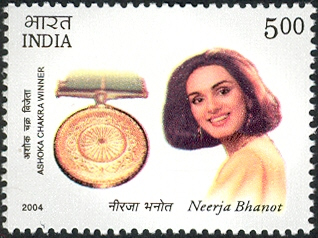
Seventeen Hours of Terror
What followed was a nightmarish standoff. The gunmen demanded the aircraft be refuelled and a new cockpit crew be provided. Pakistani authorities stalled. The hijackers grew increasingly agitated, beating passengers and threatening executions. Bhanot moved through the cabin with extraordinary composure. She collected the passports of American passengers and hid them — some under seat cushions, some in rubbish bags, some in her own clothing. The hijackers were specifically hunting Americans and would have executed them first. Without passports to identify nationalities, they could not easily sort their hostages. She also comforted terrified passengers, relayed demands between the hijackers and ground negotiators, and prepared emergency exits for a potential evacuation — a decision that would prove crucial.The Final Act
After seventeen hours, the aircraft’s auxiliary power unit ran out of fuel. The cabin went dark. The hijackers, believing a rescue assault was imminent, opened fire and began throwing grenades. Bhanot reacted instantly. She opened the emergency exits and began evacuating passengers down the inflatable slides. In the darkness, chaos, and gunfire, she could have been among the first to escape. She was at the door. The slide was deployed. Freedom was ten seconds away. Instead, she turned back. Three children — unaccompanied minors — were still in the cabin. Bhanot found them, shielded them with her body, and pushed them toward the exit. A hijacker’s bullet struck her. She fell at the door, covering the children. Twenty-two passengers were killed in the massacre. One hundred and fifty were injured. Three hundred and fifty-nine survived — many of them because a 22-year-old who had been a flight attendant for less than two years decided that other people’s lives mattered more than her own.Legacy
Neerja Bhanot was posthumously awarded India’s Ashoka Chakra — the nation’s highest peacetime gallantry honour. She remains the youngest recipient in the award’s history. Pakistan awarded her the Tamgha-e-Insaniat. The United States gave her a Special Courage Award. A 2016 Bollywood film, simply titled “Neerja,” brought her story to a new generation. Her family established the Neerja Bhanot Pan Am Trust, which gives annual awards to women who face social injustice with courage. She was twenty-two years old. She had been flying for less than two years. And in seventeen hours, she demonstrated more courage than most people are asked to summon in a lifetime.Sources: Pan Am Historical Foundation, Ashoka Chakra citation, “Neerja” by Saiwyn Quadras


 English
0 Comments