
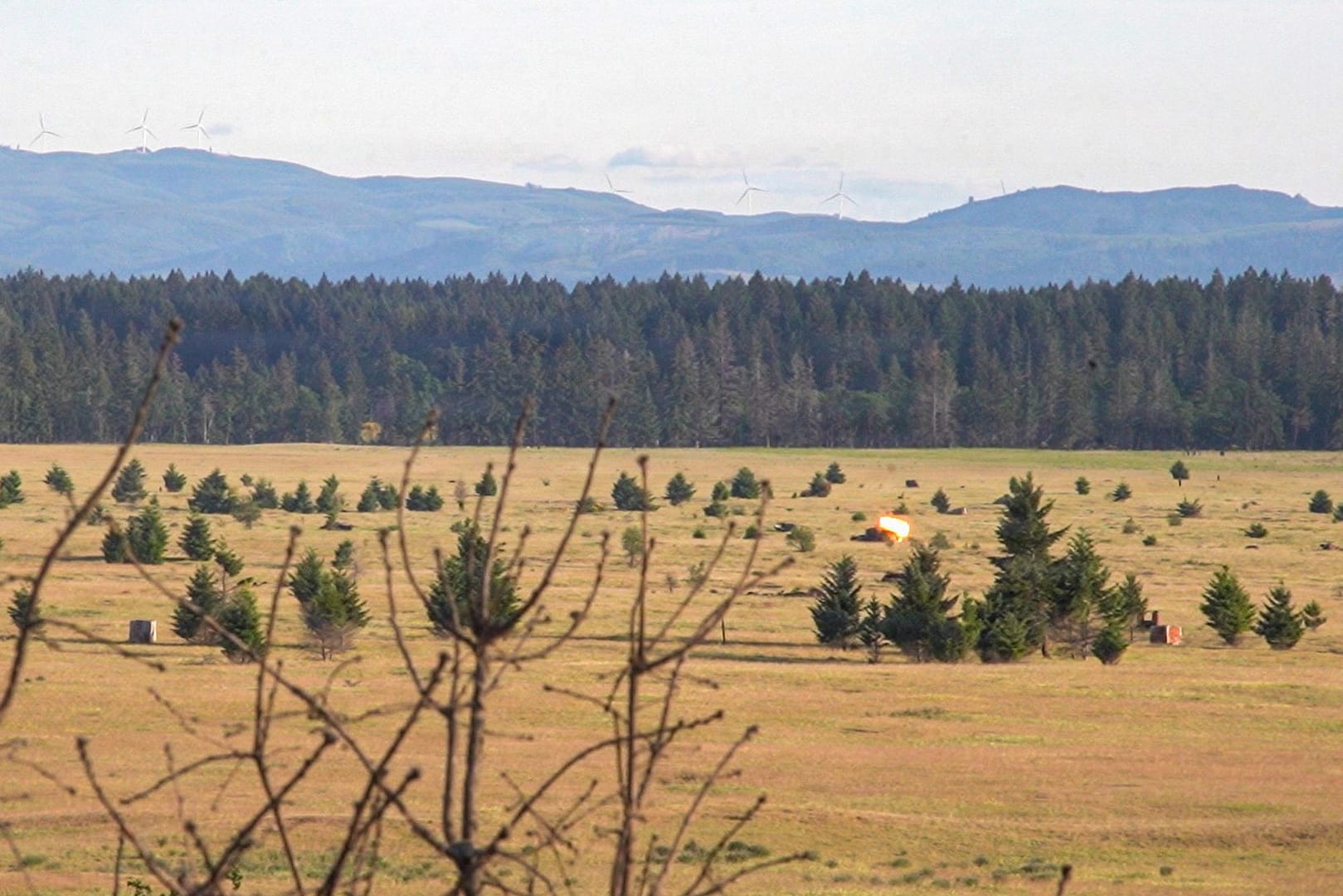
Three years ago, Neros was two former teenage drone racers in a workshop. This week the U.S. Army handed the startup a contract worth up to $500 million to build first-person-view attack drones — the cheap, expendable weapons that have rewritten the rules of war in Ukraine.
The deal is one of the clearest signs yet that America has decided the future of ground combat runs through the FPV drone — a $2,000 quadcopter with a warhead strapped to it — and that it wants those drones built at home, at enormous scale, and fast.
QUICK FACTS
| Company | Neros Technologies (founded 2023, Southern California) |
| Contract | Up to $500 million, U.S. Army |
| Product | Archer FPV strike drone |
| Cost | ~$2,000 per drone; ~$5,000 fully armed |
| Range | ~20 km |
| Output | ~1,200 drones/week now; goal 1 million/year by 2028 |
| Key feature | Built with no Chinese components |
From drone racing to warheads on foreheads
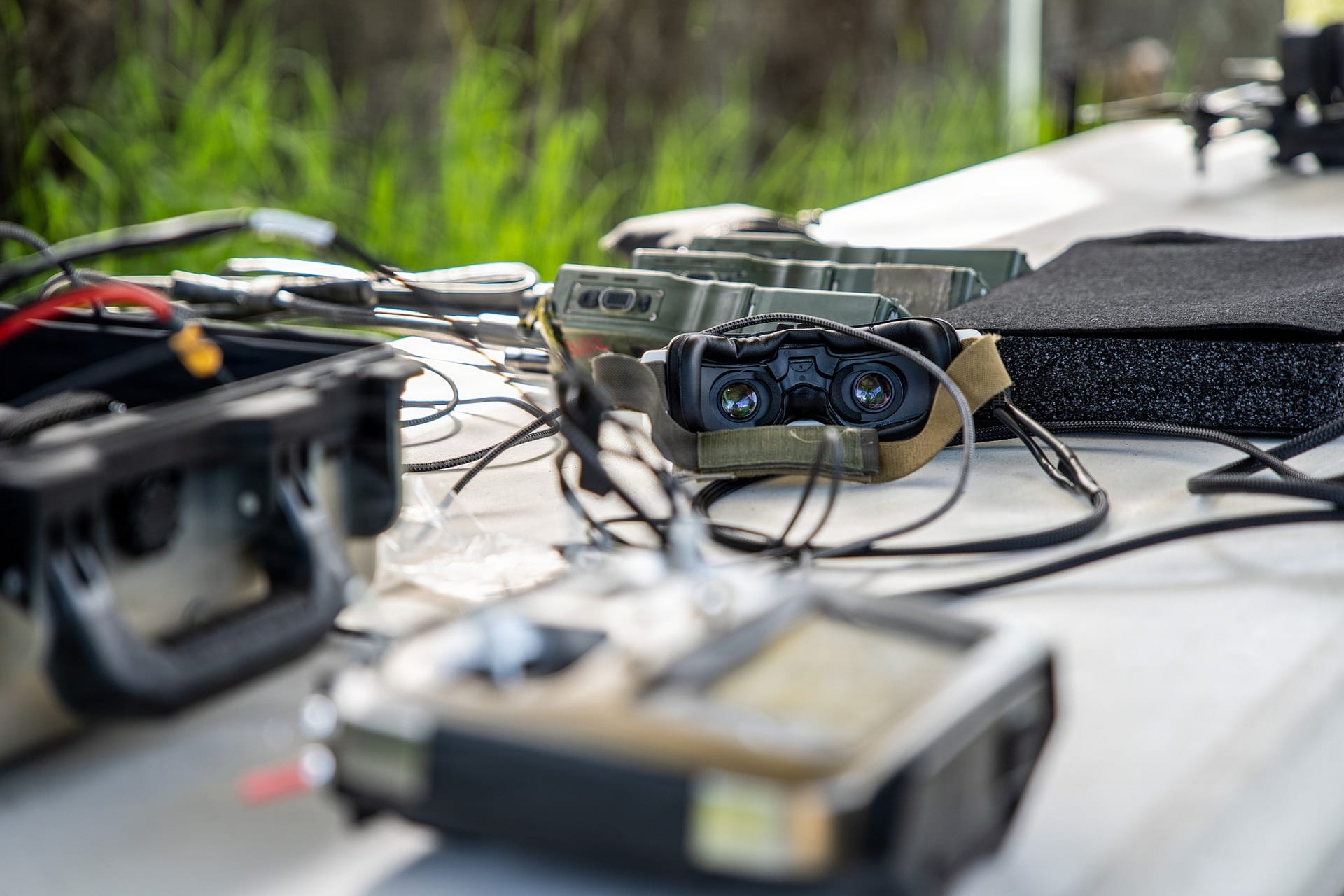
Neros was founded in 2023 by Olaf Hichwa and Soren Monroe-Anderson, who came out of the competitive drone-racing world — the sport where pilots fly tiny quadcopters through gates at 150 km/h wearing video goggles. That skill set turns out to be exactly what a modern attack drone needs. Their Archer is an FPV strike quadcopter with a modular warhead, a roughly 20-kilometre reach, and a price tag around $2,000.
Crucially, it is built without Chinese parts — down to the chips. That "made-in-America" pitch is the whole point: the Pentagon has watched the Ukraine war consume FPV drones by the hundreds of thousands and realised it cannot depend on a supply chain that runs through China.
An army that wants a million drones
The contract feeds a much bigger ambition. The Army wants to lift its annual drone buy from roughly 50,000 units to more than a million over the next few years, and Neros is one of a small group of firms chosen under the Purpose-Built Attritable Systems program to make it happen. Neros says it is already turning out around 1,200 Archers a week and has a roadmap to a million a year by 2028.
The award is structured to give the Army an escape hatch — it can spend far less than the $500 million ceiling if the drones disappoint. But the direction of travel is unmistakable. The cheap, disposable drone that a Ukrainian infantryman flies into a tank has become a mainstream American weapon, and a company that did not exist four years ago is now building them by the thousand.
Sources: Defense News; citybiz; Army Technology; defence-blog; DVIDS.
0 Comments