
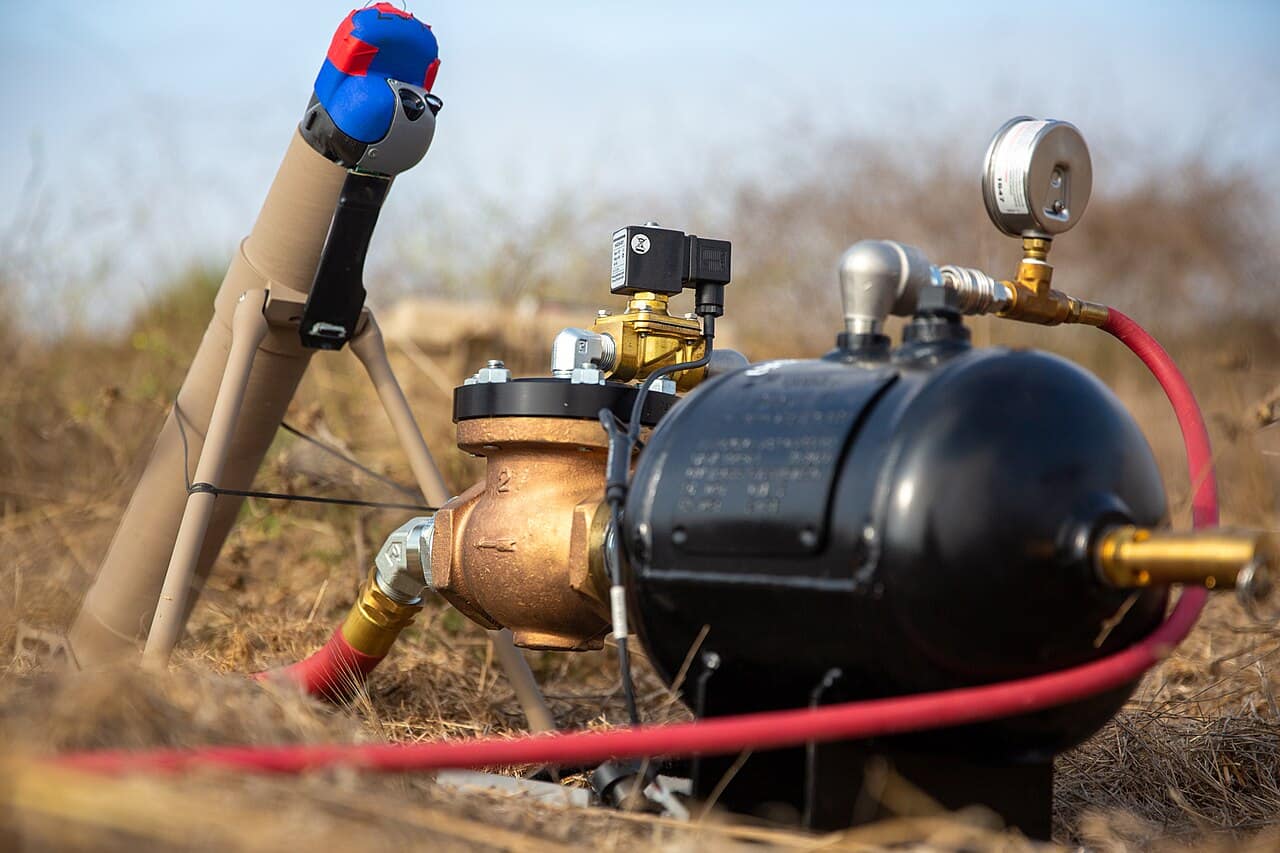
Three years ago, “Group 1 unmanned aircraft” was Pentagon jargon for the little quadcopters you could buy at Best Buy. Today it is the most contested rung of the kill chain on Earth, and on May 18 the Department of War announced that Northrop Grumman — the company that builds the B-21 Raider — has just been picked to arm 200,000 of them.
It is the most consequential drone procurement decision the Pentagon has made all year. And it tells you exactly where the Department of War thinks the next decade of warfare is headed.
Quick Facts
Programme: Drone Dominance (“The Gauntlet”)
Total value: $1.0–$1.1 billion across four phases
Northrop’s role: Common UAS Payload — standard kit that turns Group 1 drones into one-way attack weapons
Target volume: 200,000+ FPV drones armed by 2027
Five payload providers selected: Northrop Grumman + four others
Source: Department of War announcement, 18 May 2026
What the Pentagon Actually Bought
The eye-grabbing number is 200,000 drones. The Pentagon is not buying 200,000 drones from Northrop. It is buying the warhead and effect module that bolts to whatever cheap consumable drone the Gauntlet competition selects — and Northrop’s module is what will arm somewhere around 200,000 of those airframes by 2027.
This is the bit that turns a $500 commercial quadcopter into a weapon. Standardised. Mass-produced. Stockpilable. Interchangeable across multiple drone airframes, because the Pentagon refuses to lock itself into a single vendor for the platform.
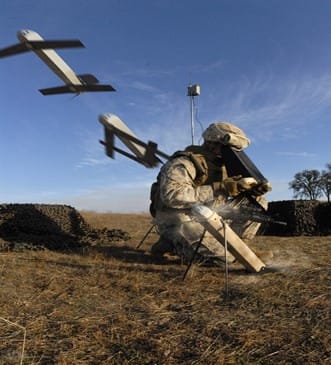
The Drone Dominance “Gauntlet” is structured as four competitive phases. Phase I — 25 vendors invited, $150 million on the table — was announced in February. The total programme value is around $1.0–1.1 billion. The Pentagon’s goal is to compress procurement timelines for cheap, consumable attack drones from the typical 5–7 year defence procurement cycle down to something measured in months.
The Ukraine Lesson, Banked
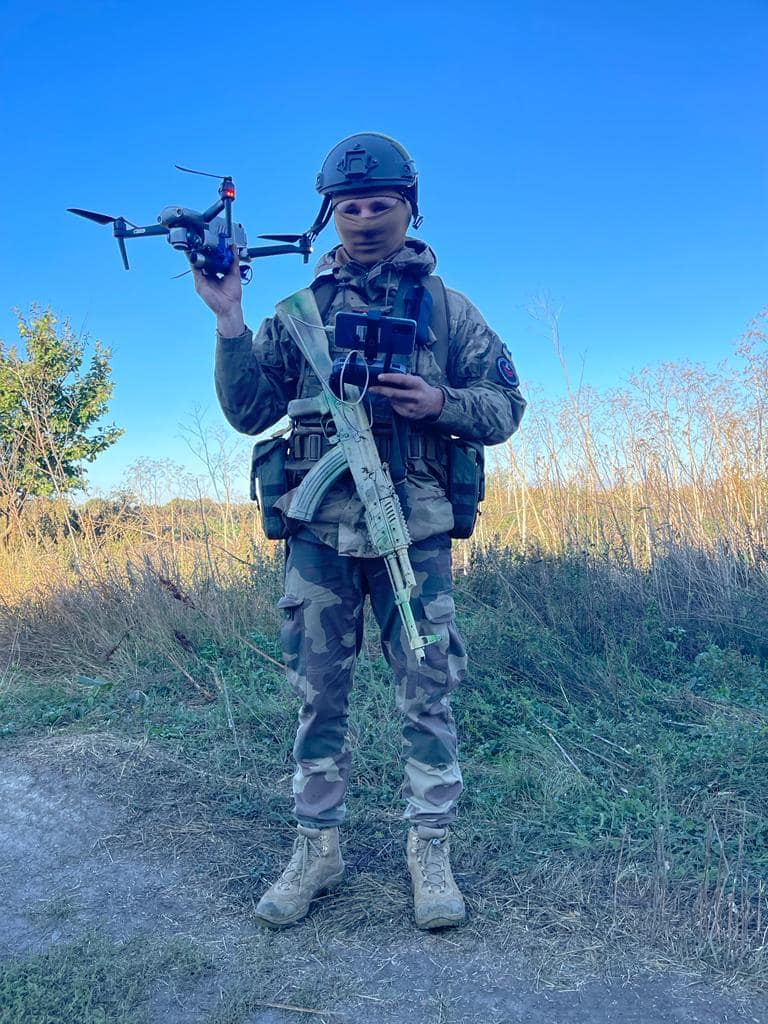
The thinking comes straight out of Ukraine. The Russian-Ukrainian war is, by some measures, the largest live-fire drone-warfare experiment in history. Both sides field tens of thousands of FPV quadcopters every month, modify them with small explosive charges, fly them through cockpit-style goggles, and use them to kill armoured vehicles, infantry positions, ammunition dumps and individual soldiers at ranges out to about 20 kilometres.
The cost per kill is around $400 — sometimes less. The Russians plan to produce more than seven million FPV drones in 2026. The implications for any future high-intensity Western conflict have been impossible to ignore.

Why Northrop, Specifically
Northrop Grumman is famous for the B-2 and B-21 — exquisite stealth bombers; the B-2 cost about $2 billion apiece. The same company being picked to deliver a standardised warhead for $500 drones is the cleanest signal possible that the Pentagon is serious about a two-tier force: a small number of irreplaceable stealth assets for high-end missions, and a vastly larger number of cheap, attritable systems for the kind of fight Ukraine has been running.
Northrop’s edge is that it has been quietly investing in standardised effects modules for several years — the same payload class it builds for Special Operations Command’s mission-specific drones. The company has the manufacturing depth to actually deliver at the scale the Gauntlet contemplates: hundreds of thousands of units, ramping fast, with the kind of supply-chain visibility that lets the Pentagon plan against authoritative numbers rather than slide decks.
What Happens Next
Phase II of the Gauntlet narrows the field. Phase III prototypes get fielded with US units. Phase IV scales to high-rate production. If the Pentagon’s timeline holds — and that is a big if — by mid-2027 American light infantry units will deploy with the same kind of FPV-quadcopter mass that the Ukrainians have been pioneering, but with standardised warheads, standardised sights, and an industrial base that can replace losses inside a normal training rotation.
For Northrop, the prize is becoming the default warhead vendor for an entire generation of US small-drone systems. For everyone else watching from Beijing, Moscow and Tehran, the prize is one more reason to accelerate their own counter-drone programmes. May 18 was a procurement announcement. It will read in retrospect as the day the Pentagon committed to industrial-scale drone warfare.
Sources: Department of War press release; Army Recognition; Defense Scoop; The Motley Fool.
 English
0 Comments