

Quick Facts
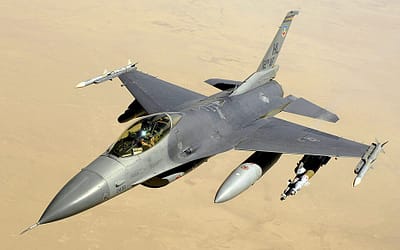
Aircraft: Lockheed Martin F-16C/D Block 70 Viper
Deal value: Approximately $3.5 billion
Quantity: 24 aircraft
Competitors beaten: Saab JAS 39E/F Gripen, Dassault Rafale F4
Selection date: April 14, 2026
Resignations: Defence Minister Carlos Diaz, Foreign Minister Hugo de Zela (April 22)
A Deal Signed, Then Frozen
Peru launched its fighter jet competition in 2024, pitting the F-16 Block 70 against Europe’s best. By April 14, Lockheed Martin had won on technical and cost grounds. The National Defence Council approved the purchase. Contracts were signed on April 21. Then President Balcazar announced the deal would be deferred until July — without explanation. For Diaz, the line was crossed. In his resignation letter, he wrote that a strategic decision had been taken in the area of national security with which he had a fundamental disagreement. The purchase, he insisted, was not political but was for the security and defence of the nation. De Zela followed hours later, leaving Peru’s foreign policy apparatus headless at a moment when relations with Washington were already under strain.Washington Fires Back
The Trump administration wasted no time. The U.S. ambassador to Peru publicly confirmed the F-16 selection and warned Lima against pulling out, framing the postponement as a breach of good-faith negotiation. In diplomatic terms, this is the equivalent of a slap. The pressure has context. The Block 70 is Lockheed Martin’s latest F-16 variant — new-build aircraft with an AESA radar, conformal fuel tanks, and an advanced electronic warfare suite. It is the same configuration being built for Bahrain, Slovakia, Bulgaria, and Taiwan. Peru would join a growing club of Block 70 operators, giving it interoperability with U.S. and allied forces across the hemisphere.Why Peru’s Military Wants the Viper
Peru’s air force currently operates aging Mirage 2000s and MiG-29s — both approaching obsolescence with dwindling spare parts. The F-16 Block 70 represents a generational leap: a proven airframe with a modern sensor suite, backed by a global logistics chain that the Gripen and Rafale simply cannot match in South America. The Gripen offered a lower per-unit cost but lacked the political weight of a U.S. deal. The Rafale, while technically formidable, came with a price tag that exceeded Peru’s budget ceiling and carried no offset package. The F-16 threaded the needle — affordable enough to buy in quantity, advanced enough to dominate the region, and American enough to cement Lima’s defence ties with Washington.What Happens Next
As of April 24, the contracts remain signed but unexecuted. Balcazar has not publicly explained the delay, and his office has deflected questions about whether the deal will proceed in July as promised. Peru’s military establishment is furious. The opposition smells blood. And Lockheed Martin’s Bethesda headquarters is watching a $3.5 billion order wobble. The deeper question is whether this is a genuine policy dispute or a political gambit by a president who may not survive the fallout. Two ministers are already gone. If the jets don’t arrive, Peru’s air force will be flying 1980s-era airframes into the 2030s. That is not a political problem. That is a national security crisis. Sources: Al Jazeera, Defence Blog, UPI, Aviation Week, Army RecognitionRelated Posts

 English
0 Comments