
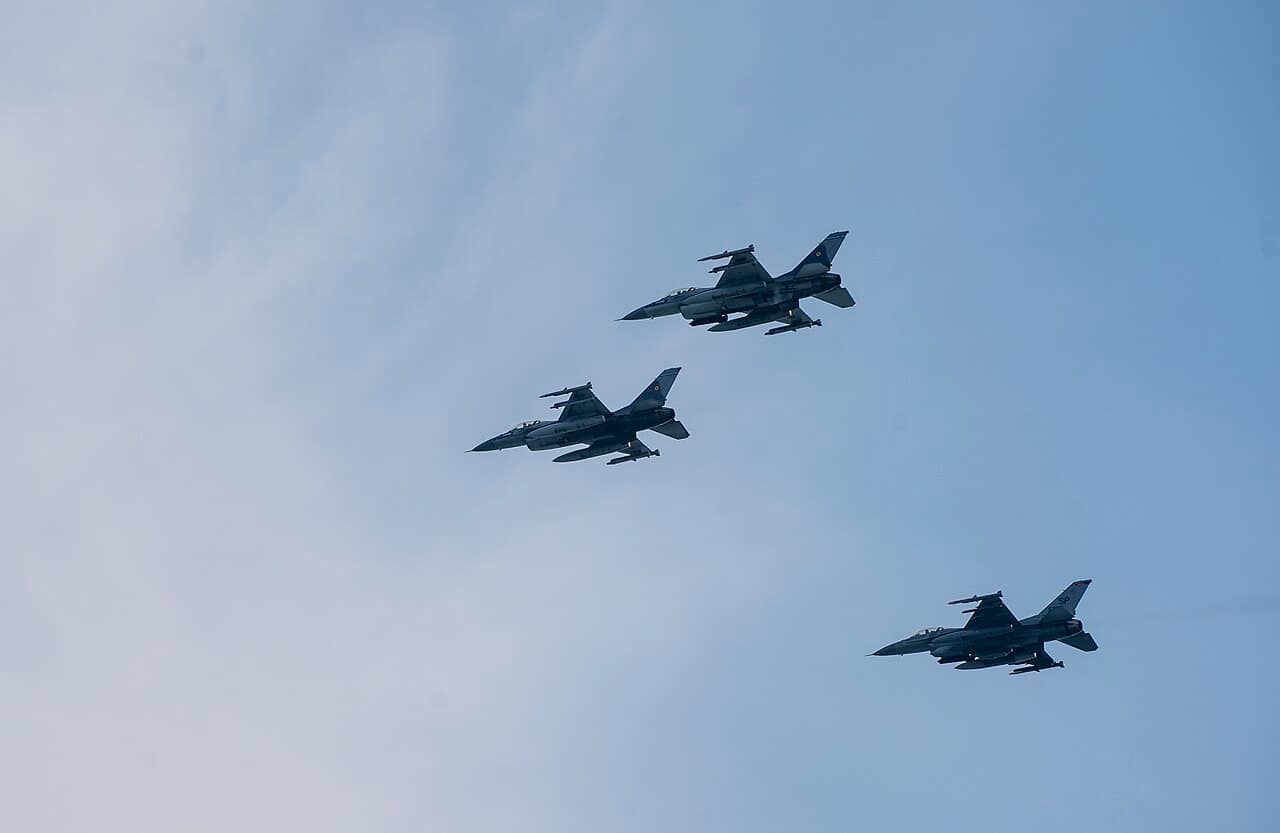
At 12:00 local time on May 19, an unidentified aircraft crossed into Estonian airspace from Russia. Fourteen minutes later it was a smoking crater south of the town of Põltsamaa.
In between, two Romanian F-16s from Šiauliai Air Base in Lithuania — already airborne on a routine training sortie — were retasked, intercepted the drone, identified it visually, and fired a single air-to-air missile. The unmanned intruder went down at 12:14.
It is the first time an Allied fighter has shot down an aircraft over Estonian airspace — though not a first in NATO’s history: Dutch F-35s and Polish F-16s downed Russian drones over Poland in September 2025. And the most uncomfortable detail of the whole episode is the question of whose drone it was.
Why the Romanians, and Why Now
The Romanian Air Force was the right detachment in the right place for one specific reason: they are the most experienced operators of legacy F-16 airframes in NATO Europe, with years of intercepting Russian Black Sea probes. Their F-16AM aircraft — Mid-Life Updated Block 15s — are wired for missile shots against small, low-RCS targets in ways that newer-block Vipers are not optimised for.
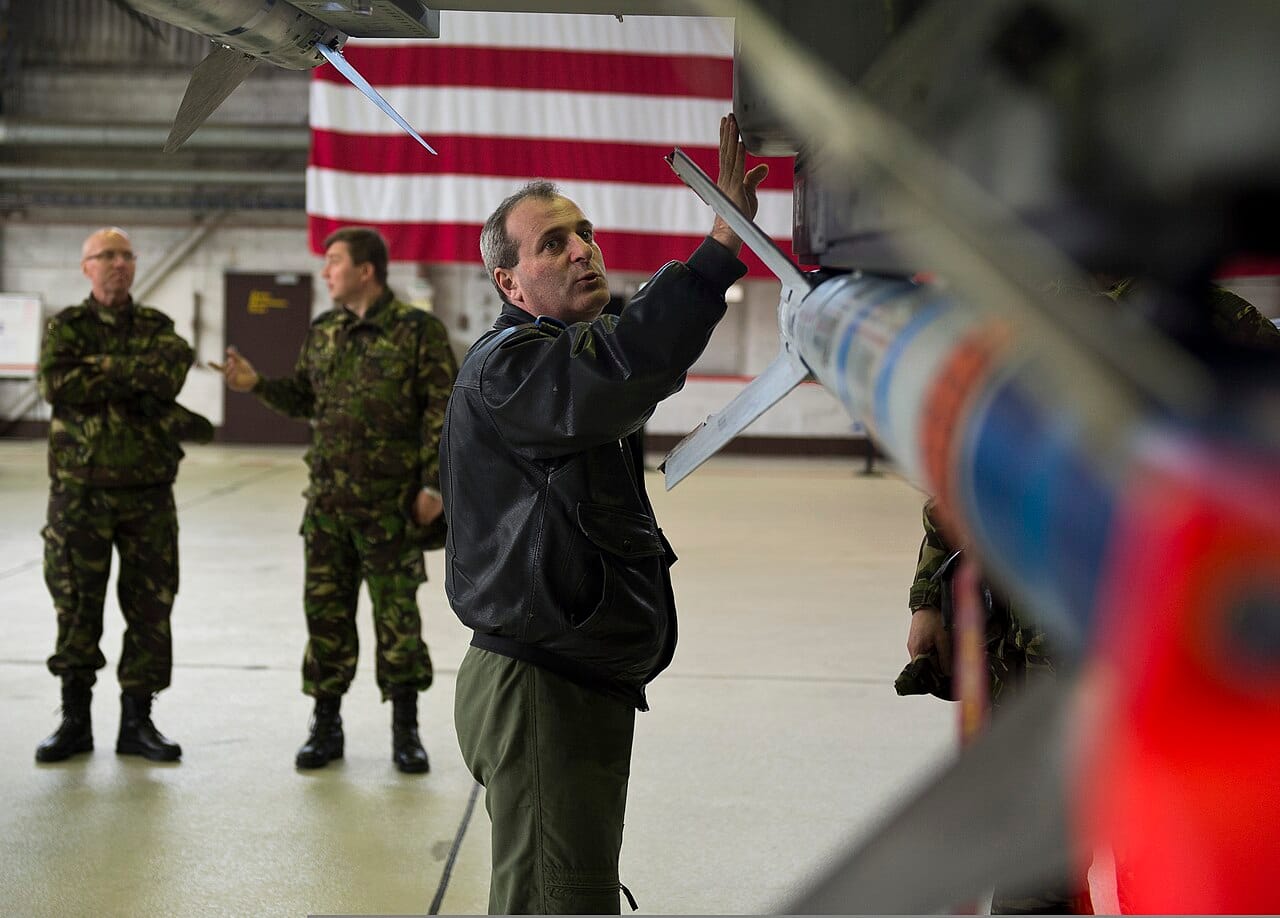
That is also why the engagement didn’t fall to the Portuguese F-16s standing alert at Ämari in Estonia — they took over from Italy’s Eurofighters in early April — or to the French Rafales sharing the ramp at Šiauliai. The Romanian detachment was already airborne, the fastest to respond, and well-equipped for the engagement geometry. NATO’s air-policing rotations are starting to look more like a deliberate competence match than a peacetime symbolic deployment.
Russia’s Threat Was the Easiest Part
Within hours of the shootdown, Russia’s Foreign Intelligence Service issued a statement claiming — without evidence — that Ukraine is now staging drone attacks against Russian targets from the territory of NATO Baltic states. The statement warned that NATO membership would not protect Latvia from “just retribution.” It is the standard Russian text for any moment when NATO actively defends its own airspace.
What this engagement actually proves is the opposite of the Russian framing: the Alliance can detect, identify and shoot down an intruder over a member state’s territory in fourteen minutes, with a Romanian jet operating from a Lithuanian base policing Estonian skies. That is the kind of integration that took three decades to build. The drone war on Russia’s western frontier has just given the Alliance one of its largest live tests of that machine — and the machine performed.
Sources: The Aviationist; Defense News; Estonian Defence Forces statement; Reuters; Romania Insider.
 English
0 Comments