
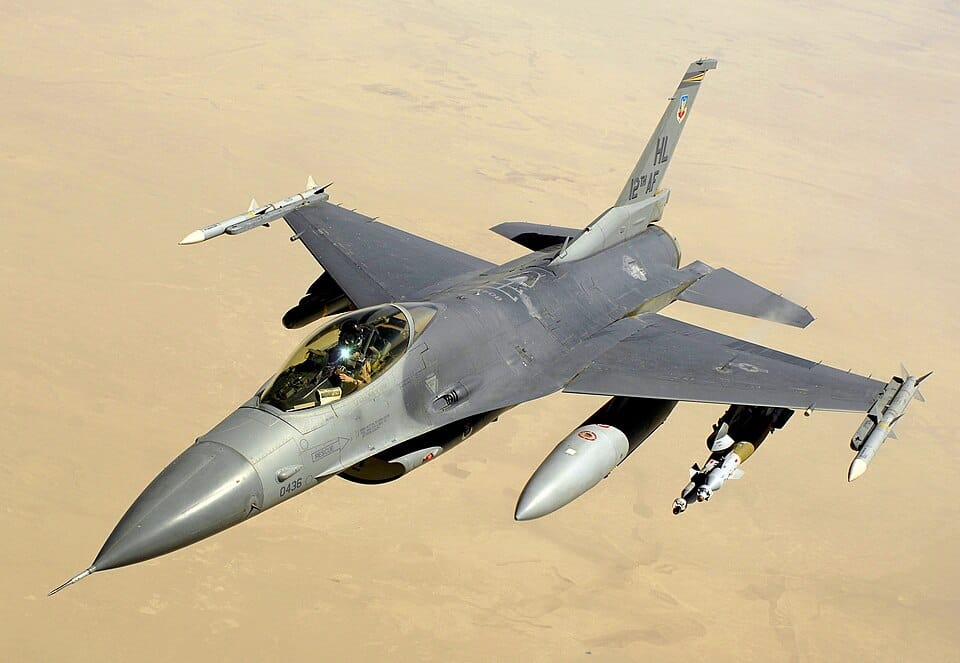
The numbers arrived in Brussels like a cold shower. US fighter jets allocated to NATO: cut from 150 to 100. KC-46 aerial refuelling tankers: all eight withdrawn. Maritime patrol aircraft: slashed from 26 to 15. One carrier strike group, one cruise-missile submarine, one bomber task force — gone. And 5,000 American troops are packing up in Germany. Defence Secretary Pete Hegseth delivered the plan to stunned NATO officials on June 18, three weeks before the alliance summit in Ankara. If Europe wanted a wake-up call, this is the alarm that shattered the snooze button.
The reductions are not a negotiating tactic. They are a fait accompli presented with detailed timelines and implementation schedules. The message from Washington is blunt: the era of American security guarantees underwriting European defence on autopilot is over. What replaces it is unclear, but the hardware is already being reassigned.
For NATO allies who have spent decades calibrating their defence budgets against the assumption that American airpower would always be there, the recalculation starts now.
Quick Facts
- Fighter jets: F-16 and F-15E squadrons cut from 150 to 100 aircraft
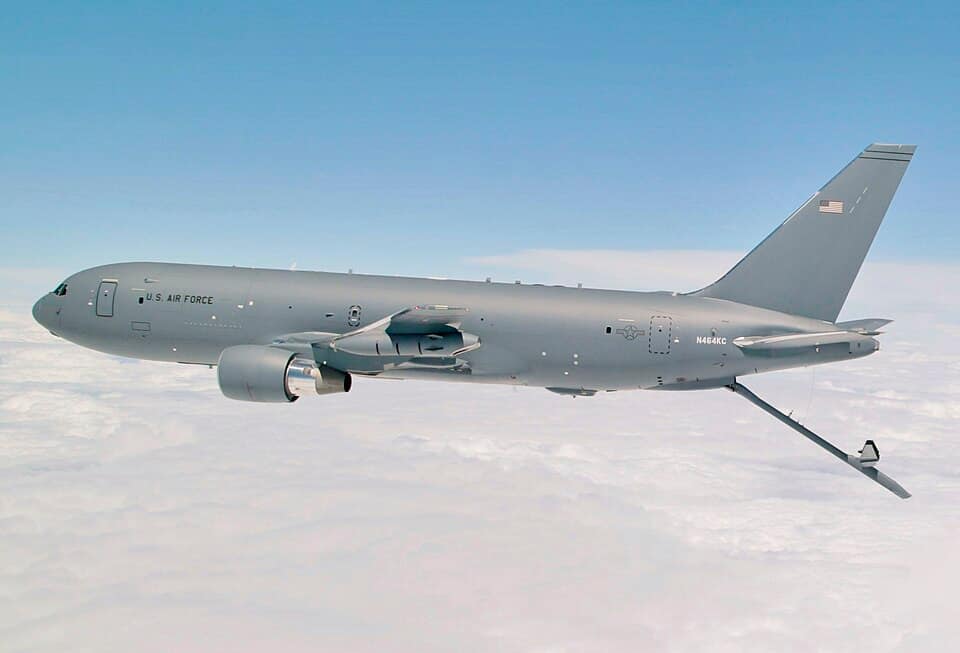
- Tankers: All 8 KC-46 Pegasus aerial refuellers withdrawn entirely
- Maritime patrol: Surveillance aircraft reduced from 26 to 15
- Naval assets: One carrier strike group, one cruise-missile submarine reassigned
- Troops: ~5,000 US personnel leaving Germany
- Bombers: Strategic bomber task force removed from NATO rapid response
- Timeline: Hegseth at Brussels NATO ministers June 18; Ankara summit July 7–8
What Is Actually Leaving
Start with the fighters. The US currently contributes approximately 150 F-16 Fighting Falcons and F-15E Strike Eagles to NATO operations across Europe. Under the new plan, that number drops to 100 — a one-third reduction that eliminates entire squadron rotations. These are not reserve aircraft gathering dust at Ramstein. They are the jets that fly Baltic Air Policing missions, conduct training exercises with allied air forces, and provide the credible deterrent that keeps NATO’s eastern flank from becoming an invitation.
The tanker withdrawal is arguably more consequential. All eight KC-46 Pegasus aircraft allocated to NATO are being pulled. Without aerial refuelling, European fighters have dramatically reduced range and endurance. A Eurofighter Typhoon that can loiter over the Baltics for hours with tanker support becomes a short-range interceptor without it. The tankers are force multipliers; removing them doesn’t subtract capability linearly — it divides it.
Analysts warn the tanker withdrawal may matter more than the fighter cuts: fewer jets can be partly offset by more capable ones, but the loss of air-to-air refuelling is harder to replace, and Europe lacks the tanker fleet to fill the gap.
A concern echoed by former NATO commanders, including ret. Gen. Philip Breedlove
Former Supreme Allied Commander Europe
The naval cuts complete the picture. One carrier strike group — typically comprising an aircraft carrier, its air wing, cruisers, destroyers, and support vessels — is being reassigned away from NATO. A cruise-missile submarine capable of launching Tomahawk strikes is going with it. Maritime reconnaissance aircraft drop from 26 to 15, reducing the alliance’s ability to track Russian submarine activity in the North Atlantic and Norwegian Sea.
Berlin, Ankara, and the Burden-Sharing Reckoning
The timing is loaded. Hegseth’s briefing comes exactly three weeks before NATO’s annual summit in Ankara, Turkey, scheduled for July 7-8. The cuts are designed to dominate that agenda. Washington’s position: European allies must compensate for every asset removed, and quickly. The presentation reportedly included specific capability gaps that allies would need to fill, along with timelines for doing so.
For Germany, the withdrawal of 5,000 American troops is the most visceral element. US bases in Germany — Ramstein, Spangdahlem, Grafenwoehr — have been fixtures of the transatlantic security architecture since 1945. Reducing that presence signals a fundamental reordering of American strategic priorities, one that treats Europe as a secondary theatre rather than the central front.
“This is not burden-sharing rhetoric anymore. This is burden-shifting reality. The hardware is moving. European defence ministries have about eighteen months to figure out what replaces it, or nothing does.”
Claudia Major
Head of International Security, German Institute for International and Security Affairs (SWP)
What Europe Does Next
The European response so far has been a mixture of alarm, acceleration, and grudging acknowledgment. Defence spending is rising across the continent — Germany, Poland, and the Nordic states are all tracking toward or beyond three percent of GDP. The EU’s defence industrial strategy is being fast-tracked. Joint procurement initiatives for ammunition, air defence, and drones are moving from white papers to contracts.
But filling the specific gaps left by American withdrawals will take years, not months. Europe has no equivalent to the KC-46 tanker fleet. Its carrier capabilities are limited to France’s single carrier, the Charles de Gaulle. Maritime patrol aircraft production lines cannot scale overnight. And the 50 fighter jets being removed from NATO rotations represent combat power that no single European nation can replace alone.
The Ankara summit on July 7-8 will be the first full test of whether the alliance can absorb this shock and emerge with a coherent plan. Until then, the arithmetic is simple and unforgiving: fewer American planes, fewer American ships, fewer American troops — and a continent that must decide, fast, how much of its own security it is willing to pay for.
Sources: AirMag.aero, Washington Post, Al Jazeera, WION News, World Socialist Web Site, Wikipedia (Ankara NATO Summit), European Policy Centre


 English
0 Comments