

Aviation is undergoing a quiet revolution, and one of its most promising frontiers involves replacing fossil fuels with clean energy. ZeroAvia, a British-American aerospace company, is leading this charge with hydrogen-electric powertrains designed specifically for regional aircraft. Their ambitious ZA600 engine is advancing through FAA certification, and if approved, it could transform short-haul aviation within the next few years.
The regional aviation market represents a significant opportunity for decarbonization. While long-haul jets will continue burning conventional fuel for years to come, regional aircraft operating routes under 1,000 kilometers are ideal candidates for zero-emission propulsion. With ZeroAvia’s technology, flights for 9-19 seat aircraft could become emissions-free, opening a new era of sustainable aviation.
But what does this technology actually involve, and what challenges lie ahead? Let’s dive into ZeroAvia’s hydrogen revolution and what it means for the future of regional flying.
Quick Facts: ZeroAvia’s ZA600 Engine
| Company | ZeroAvia (UK-US) |
| Technology | Hydrogen-electric powertrain |
| Target Aircraft | 9-19 seat regional aircraft |
| ZA600 Status | FAA certification in progress |
| Expected Timeline | Certification within 2-4 years |
| Zero-Emission Range | Up to 800+ km (500+ miles) |
| Key Advantage | No CO2 emissions, water vapor only |
How Hydrogen-Electric Propulsion Works
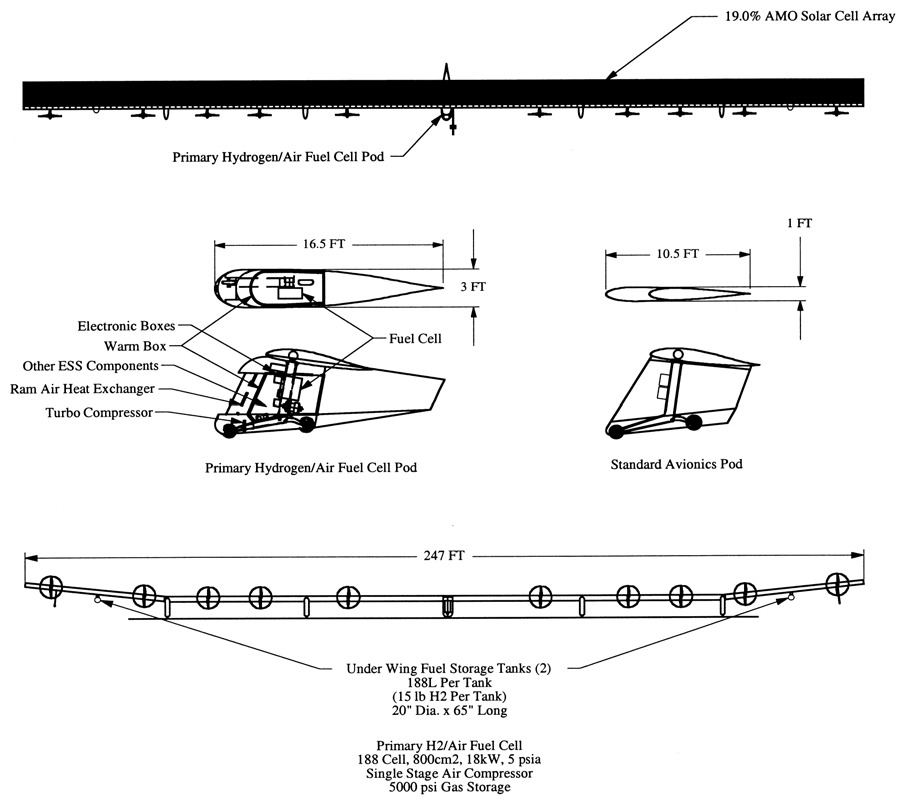
At its core, ZeroAvia’s system uses hydrogen fuel cells to generate electricity, which then powers electric motors. This is fundamentally different from conventional aircraft engines that burn kerosene. Here’s how it works:
- Hydrogen Storage: Liquid hydrogen is stored in specialized tanks, keeping it extremely cold at -253°C (-423°F).
- Fuel Cell Stack: Hydrogen gas enters a fuel cell stack where it reacts with oxygen from the air, creating electricity through a chemical reaction.
- Electric Motors: The electricity powers electric motors that drive the propeller, just like a battery-powered electric car.
- Zero Emissions: The only byproduct is water vapor and heat, making it genuinely zero-emission.
Unlike battery-electric aircraft that store energy chemically, hydrogen fuel cells offer the advantage of continuous energy generation from fuel. This means greater range and shorter “refueling” times compared to charging massive battery packs.
The ZA600: Scaling Regional Aviation

ZeroAvia’s ZA600 powertrain is specifically designed for the regional aviation sweet spot. With a target of 600 kW of power, it can propel aircraft in the 9-19 passenger range — the workhorses of commuter routes across Europe, North America, and beyond.
The company has been testing its technology progressively. Earlier flight tests demonstrated the viability of hydrogen-electric propulsion, and the FAA certification process validates that the system meets rigorous safety and performance standards. Once certified, airlines can begin operations with confidence that the technology has been thoroughly vetted.
Why This Matters for Regional Aviation
Regional routes are a perfect proving ground for hydrogen technology for several reasons:
- Short Distances: Regional flights are typically 200-800 kilometers, well within hydrogen’s proven range.
- Frequency: These routes see multiple daily flights, making them high-impact targets for emissions reduction.
- Existing Infrastructure: Many regional hubs can be equipped with hydrogen refueling facilities without massive capital investment.
- Environmental Impact: Eliminating emissions from thousands of daily regional flights would represent a significant step toward decarbonizing aviation.
Regional aviation accounts for a substantial portion of total flight operations, so even a partial transition to zero-emission propulsion would meaningfully reduce aviation’s carbon footprint.
Challenges Ahead
Despite the promise, ZeroAvia faces real obstacles on the path to widespread adoption:
- Hydrogen Infrastructure: Unlike jet fuel, hydrogen production and distribution networks are still being developed. Airports will need specialized refueling equipment.
- Production Cost: Green hydrogen (produced from renewable electricity) is still more expensive than conventional kerosene. Pricing will need to improve for commercial viability.
- Storage Challenges: Liquid hydrogen requires cryogenic tanks, adding weight and complexity compared to traditional fuel tanks.
- Certification Timeline: FAA approval typically takes several years, delaying market entry.
- Aircraft Modification: Airlines will need to retrofit or replace existing regional aircraft to accommodate hydrogen powertrains.
Looking Forward
If ZeroAvia succeeds in gaining FAA certification for the ZA600 within the next few years, it will mark a watershed moment for aviation. The first commercial flights powered by hydrogen fuel cells would demonstrate that zero-emission regional aviation isn’t a distant dream — it’s an imminent reality.
Other companies are watching closely. If ZeroAvia proves the business case, competitors will follow, spurring investment in hydrogen infrastructure and accelerating the transition. Within 5-10 years, it’s conceivable that dozens of regional airlines will operate hydrogen-powered aircraft on hundreds of routes worldwide.
Sources: ZeroAvia official announcements, FAA certification updates, aviation industry publications.
Related Questions
What is ZeroAvia?
ZeroAvia is a British-American aerospace company developing hydrogen-electric powertrains for regional aircraft. Its flagship ZA600 engine, aimed at 9–19 seat aircraft, is going through FAA certification. If approved, it could enable zero-emission short-haul flights that produce only water vapour instead of CO2.
How does a hydrogen-electric aircraft engine work?
A hydrogen-electric powertrain uses hydrogen fuel cells to generate electricity, which powers electric motors that turn the propellers — fundamentally different from burning kerosene. Hydrogen reacts with oxygen from the air in a fuel-cell stack, producing electricity and water vapour as the only emission.
What is the ZeroAvia ZA600 engine?
The ZA600 is ZeroAvia's hydrogen-electric engine designed for 9–19 seat regional aircraft. It is in FAA certification, expected within two to four years, and targets a zero-emission range of more than 800 km (500+ miles), emitting only water vapour rather than carbon dioxide.
Is hydrogen-powered flight better for the environment?
Hydrogen-electric propulsion produces no CO2 in flight — only water vapour — making it one of aviation's most promising routes to cutting emissions. It is part of a wider clean-aviation push that also includes battery-electric aircraft and emerging electric air taxis.
How is hydrogen stored on an aircraft?
ZeroAvia stores hydrogen as a liquid in specialized tanks kept extremely cold, around -253°C (-423°F). The liquid hydrogen is then fed as gas into a fuel-cell stack, where it reacts with oxygen to generate the electricity that drives the aircraft's electric motors.
When will hydrogen planes enter service?
ZeroAvia expects FAA certification of its ZA600 engine within two to four years from 2026, which would clear the way for hydrogen-electric regional flights soon after. Early use targets short-haul routes with 9–19 seat aircraft before scaling up to larger types.


0 Comments