
Lockheed Ventura
The “Flying Pig” that failed as a daylight bomber and then found its calling hunting submarines — Lockheed’s twin-engine patrol bomber, from the RAF to the US Navy’s PV-1 and PV-2 Harpoon.
Hikaye
The Lockheed Ventura: the bomber that failed, and the submarine-hunter that succeeded
The Lockheed Ventura is a study in how an aircraft can fail at the job it was built for and still end up a success. Ordered as a bomber, it proved dangerously vulnerable in that role and was mocked by its own crews as the “Flying Pig”. Yet within a couple of years the same aircraft, re-tasked as a maritime patrol and anti-submarine machine, was flying long, vital ocean patrols for half a dozen air forces across three oceans — and in its final US Navy form, the PV-2 Harpoon, it became one of the more capable patrol bombers of the war. It is the story of an aircraft that found itself only after being sent back to the drawing board of doctrine.
Its roots lay in a family of Lockheed twins. The company’s Model 14 Super Electra airliner had already spawned the Hudson, a maritime reconnaissance and light bomber bought in quantity by Britain before and during the early war. When the RAF wanted a bigger, more capable follow-on, Lockheed developed the Ventura from the larger Model 18 Lodestar, building it through its Vega subsidiary specifically to a British order placed in 1940. The Ventura first flew in 1941: a bigger, heavier, more powerful aircraft than the Hudson, with two mighty Pratt & Whitney R-2800 Double Wasp radials that made it genuinely fast for its class.
“A failure as a bomber and a success as a submarine-hunter — the Ventura’s whole career is the gap between what it was ordered to do and what it turned out to be good at.”— the essence of the Ventura story
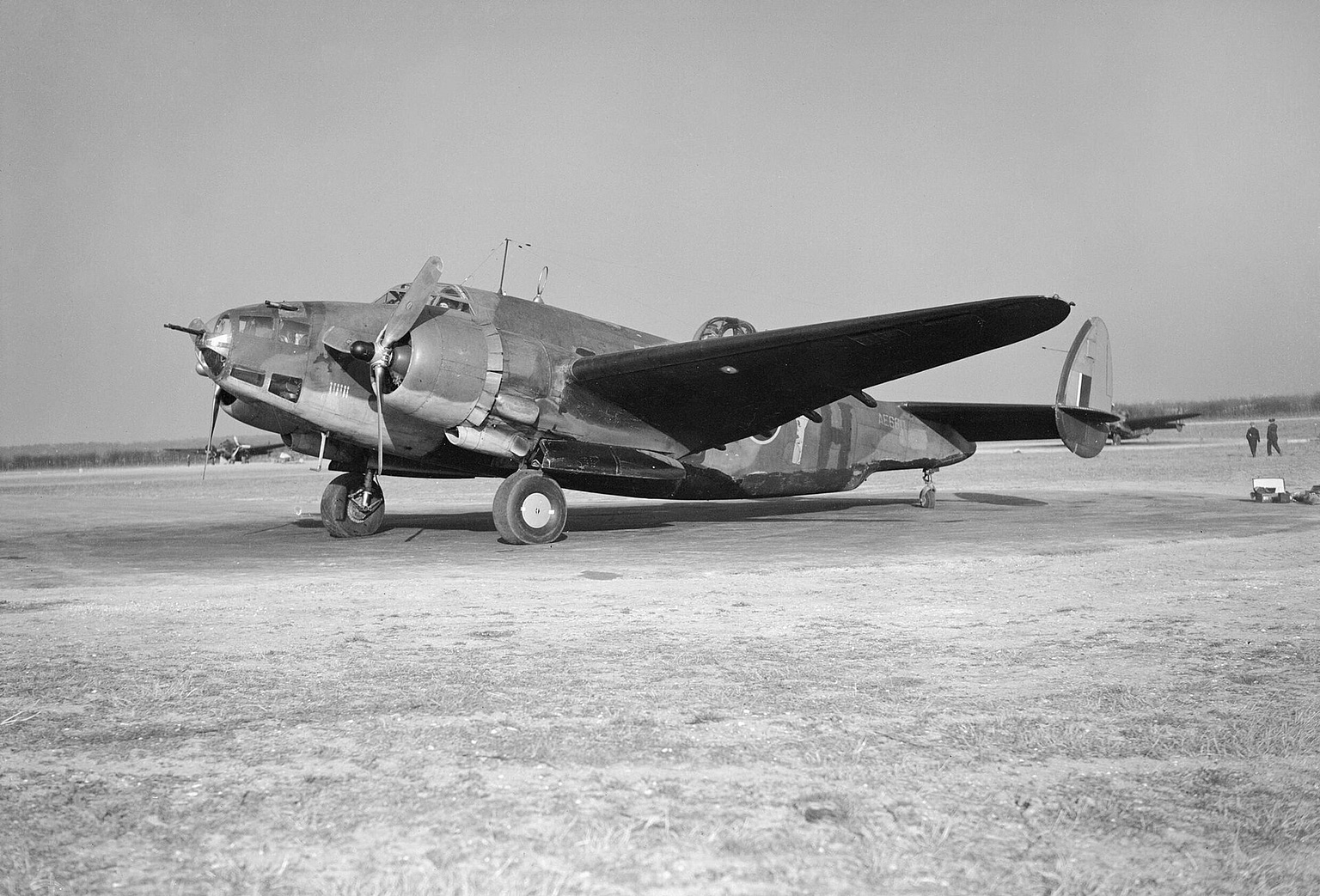
The RAF put it into Bomber Command service in late 1942, flying daylight raids against targets in occupied Europe. It did not go well. The Ventura was fast for a patrol aircraft but not fast enough to escape modern fighters, and on daylight raids over the heavily defended coast of the Low Countries it suffered badly. Crews, unimpressed by its bulk and vulnerability, nicknamed it the “Flying Pig”. The type’s reputation as a bomber was sealed by one catastrophic operation.
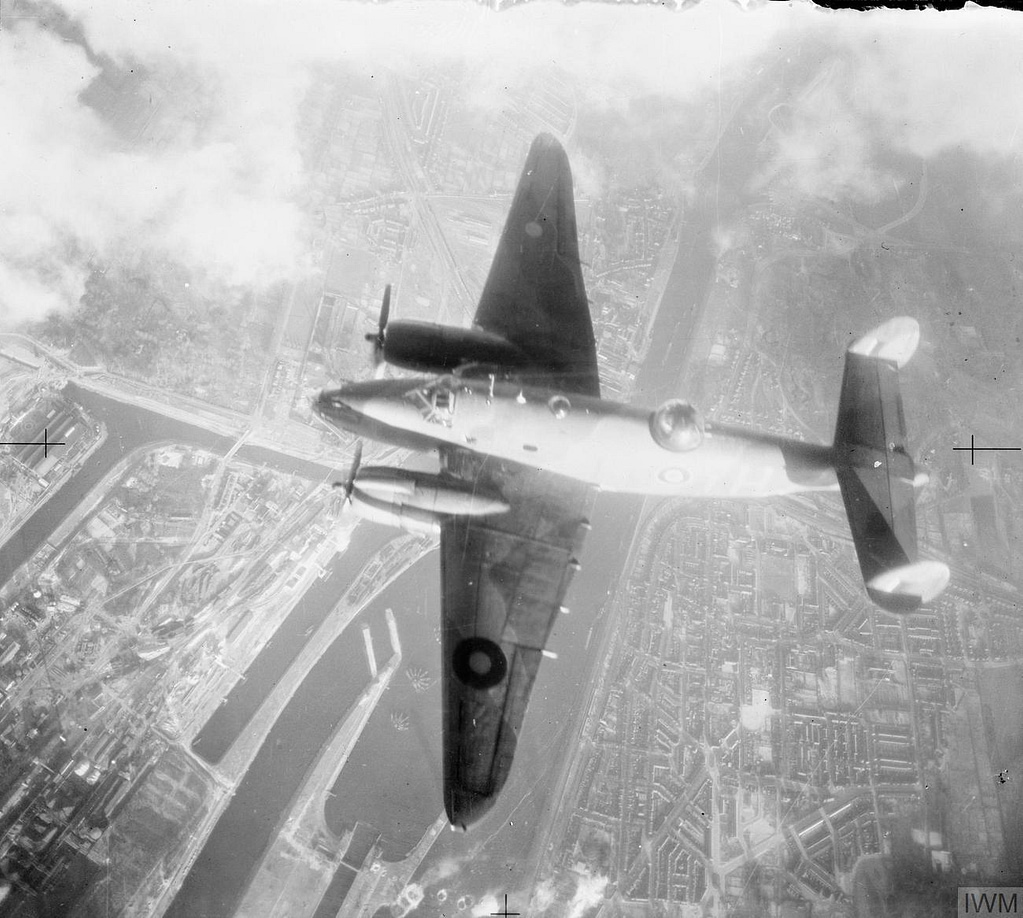
On 3 May 1943, twelve Venturas of No. 487 Squadron RNZAF set out to bomb a power station in Amsterdam in daylight. The formation ran into overwhelming German fighter opposition, and eleven of the twelve aircraft were shot down; only one turned back with damage. The formation leader, Squadron Leader Leonard Trent, pressed home the attack against hopeless odds and was himself shot down and captured. His courage was recognised only after the war, when surviving witnesses came home from prison camp: Trent was awarded the Victoria Cross, one of the last of the war to be confirmed. The Amsterdam raid stands as a grim monument both to the bravery of the crews and to the folly of using the Ventura as a daylight bomber.
The lesson was learned, and the Ventura was quietly moved to the role in which it excelled. As a maritime patrol and anti-submarine aircraft it was excellent: it had long range, a heavy load of bombs, depth charges and forward-firing guns, good endurance, and the speed to reach a patrol area quickly. RAF Coastal Command and the air forces of the Commonwealth took it up for the long, patient work of watching the sea lanes and hunting U-boats. Far from the daylight-bomber disaster, in this role the Ventura was a dependable, valued workhorse.
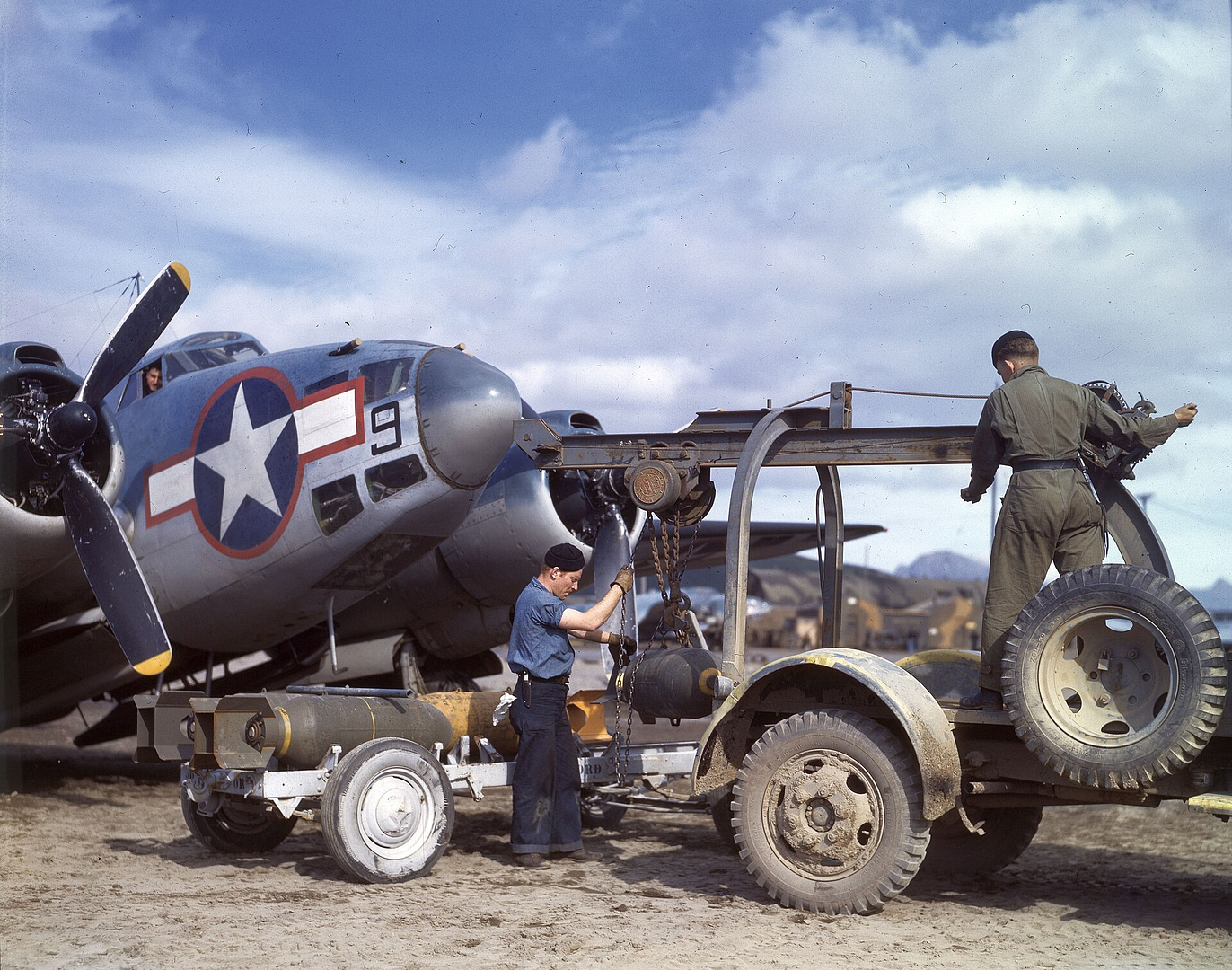
It was the United States Navy that developed the type furthest. The Navy operated the Ventura as the PV-1, a dedicated patrol bomber, and flew it hard in the Pacific and the bleak, dangerous skies of the Aleutians, from where PV-1s bombed Japanese positions in the Kuril Islands. Lockheed then produced a substantially improved version, the PV-2 Harpoon, with a larger wing, more fuel, greater range and heavier armament — a purpose-built long-range patrol bomber that entered service late in the war and served on into the post-war years.
The Ventura was very much a coalition aircraft. Beyond the US Navy and the RAF, it was flown by the Royal Canadian, Australian, New Zealand and South African air forces, and by Brazil, whose aircraft patrolled the South Atlantic against U-boats. New Zealand in particular made the Ventura its principal bomber and patrol aircraft in the Pacific. After the war the type lingered in service for decades in some air forces — Portugal flew PV-2 Harpoons on maritime patrol into the 1970s. Around three thousand or more were built across all variants. The Ventura never became famous or beloved, and its bomber career was a byword for vulnerability; but as the patient eyes over the convoy lanes, and as the direct ancestor of the long line of Lockheed patrol aircraft that followed, it more than earned its place.
01The Lockheed Ventura’s origins: from Hudson to Ventura+
The Ventura was the third in a line of military twins that Lockheed derived from its civil airliners. The Model 14 Super Electra gave rise to the Hudson, a maritime reconnaissance and light bomber that Britain bought in large numbers from 1938. As the war deepened, the RAF wanted a bigger, more capable successor with more power, more range and a heavier load.
Lockheed answered by developing a new military aircraft from its larger Model 18 Lodestar airliner. The result, the Ventura, was clearly of the same family as the Hudson but substantially bigger and more powerful. In effect the Ventura was the Hudson’s big brother — a natural evolution of a proven concept, scaled up for a more demanding war.
02Built to a British order by Vega+
Like the Hudson before it, the Ventura began as a British order rather than an American requirement. Britain, buying American aircraft to supplement its own industry, placed the order in 1940, and Lockheed built the aircraft through its Vega subsidiary. The early Venturas went to the RAF, which named and operated them as bombers.
This British-order origin shaped the aircraft’s whole early career. It was designed to a bomber specification and delivered as a bomber, which is why it was first used in a role that turned out not to suit it. Only later, when the United States entered the war and the US Navy took an interest, was the type developed in the maritime-patrol direction where its real strengths lay.
03The RAF daylight-bomber failure: the “Flying Pig”+
The RAF introduced the Ventura to Bomber Command in late 1942 and used it for daylight raids on targets in occupied Europe. It was not suited to the task. Though fast for a patrol aircraft, it was still a large, relatively unmanoeuvrable twin, and over the well-defended coast of the Low Countries it was highly vulnerable to modern German fighters and flak.
Crews were unimpressed, and the aircraft acquired the unflattering nickname the “Flying Pig”. Losses on daylight operations were heavy relative to the results achieved, and it quickly became clear that sending the Ventura against defended land targets in daylight was a costly mistake. The daylight-bomber experiment was a genuine failure — but it was not the end of the story.
04The Amsterdam raid and Leonard Trent’s Victoria Cross+
The nadir of the Ventura’s bomber career came on 3 May 1943. Twelve Venturas of No. 487 Squadron RNZAF were sent to attack a power station in Amsterdam in daylight. The raid met overwhelming fighter opposition, and eleven of the twelve aircraft were shot down — only one, damaged, turned back. It was one of the most one-sided losses suffered by any RAF squadron in a single operation.
Leading the attack was Squadron Leader Leonard Trent, who pressed on against hopeless odds until his own aircraft was destroyed and he was taken prisoner. The full story emerged only after the war, from survivors returning from captivity, and Trent was awarded the Victoria Cross — recognition of extraordinary determination in the face of certain destruction. The Amsterdam raid is remembered both for that valour and as the clearest possible proof that the Ventura had no future as a daylight bomber.
05The pivot to maritime patrol and anti-submarine warfare+
Withdrawn from the daylight-bomber role, the Ventura was redirected to the work it was genuinely good at: maritime patrol and anti-submarine warfare. Here its qualities came into their own. It had the range and endurance to patrol far out over the sea, the load-carrying ability to haul a useful mix of bombs, depth charges and guns, and enough speed to reach a contact quickly and press an attack.
RAF Coastal Command and Commonwealth air forces used it to watch the ocean approaches and hunt U-boats, flying the long, monotonous, occasionally deadly patrols on which the Battle of the Atlantic and the war against enemy shipping depended. In this role the “Flying Pig” became a respected and effective aircraft — a reminder that an aircraft’s worth depends entirely on matching it to the right job.
06The US Navy PV-1 Ventura+
It was the United States Navy that made the most of the design. The Navy adopted the Ventura as the PV-1, a dedicated patrol bomber, and operated it widely. PV-1s flew anti-submarine and patrol missions in the Atlantic and, above all, ranged across the Pacific, where their speed, range and firepower suited the vast distances of the theatre.
Among the PV-1’s hardest postings was the Aleutian Islands, the cold, fogbound chain stretching toward Japan. From Aleutian bases, PV-1s flew bombing and patrol missions against Japanese positions in the Kuril Islands — some of the few land attacks on the Japanese home islands’ approaches — in appalling weather that was often as dangerous as the enemy. The PV-1 was the version in which the Ventura truly proved its value.
07The PV-2 Harpoon: longer legs, heavier punch+
Building on PV-1 experience, Lockheed developed a substantially improved version for the US Navy: the PV-2 Harpoon. It introduced a larger wing with greater fuel capacity for longer range and endurance, a strengthened structure and heavier armament, turning the Ventura into a purpose-designed long-range patrol bomber rather than an adapted one.
The Harpoon entered service in the later part of the war and continued in use afterwards. Its extra range and load made it a genuinely capable ocean-patrol aircraft, and it is the version in which the Ventura line reached maturity. Several PV-2s survive today, some airworthy, making the Harpoon the best-remembered member of the family.
08The Pratt & Whitney R-2800 and the Ventura’s performance+
Much of the Ventura’s capability came from its engines. It was powered by two Pratt & Whitney R-2800 Double Wasp eighteen-cylinder radials — the same superb, powerful engine family that powered the F4U Corsair, P-47 Thunderbolt and many other first-rank American aircraft — each producing on the order of 2,000 horsepower.
That was a great deal of power for a patrol aircraft, and it gave the Ventura a high top speed for its class, good load-carrying ability and the performance to reach and attack contacts quickly. The R-2800 was also famously rugged and reliable, exactly what was wanted for long over-water patrols far from help. If the airframe was ordered for the wrong role, the engines were never in doubt: they were among the best in the world.
09The Ventura in the Pacific and the Aleutians+
The Pacific was where the Ventura and Harpoon did much of their most important work. US Navy PV-1s and PV-2s flew patrol, anti-shipping and bombing missions across the theatre’s enormous distances, and the Royal New Zealand Air Force made the Ventura its principal bomber and patrol type in the South and South-West Pacific, operating it intensively against Japanese-held islands.
The Aleutian campaign was a theatre of its own. From bases in the fogbound, storm-lashed Aleutian chain, PV-1s carried out long, gruelling missions against Japanese positions in the Kurils, in some of the worst flying weather anywhere in the war. It was cold, isolated, dangerous work, and the Ventura’s range, ruggedness and twin-engine reliability were exactly what such conditions demanded.
Design & Engineering
How the Ventura was built: an airliner’s frame, a warplane’s engines
The Ventura married a proven Lockheed airliner airframe to two of the most powerful radial engines of the war — fast and strong, but too big and vulnerable to survive as a daylight bomber.
A Lodestar grown for war
An all-metal twin developed from the Model 18 Lodestar airliner, via the Hudson lineage. Roomy and strong, with a capacious fuselage for bombs, depth charges, fuel and a crew of four or five.
Two Double Wasps
Two Pratt & Whitney R-2800 Double Wasp radials of around 2,000 hp each — the same engines as the Corsair and Thunderbolt. Powerful, fast and famously reliable over long ocean patrols.
Guns, bombs and depth charges
Nose machine guns, a powered dorsal turret and ventral guns, plus an internal bay and racks for bombs, depth charges or a torpedo. The PV-2 Harpoon added a bigger wing, more fuel and heavier armament.
Teknik Özellikler
Lockheed Ventura (PV-1) specifications: dimensions, performance and cost
| Türü | Twin-engine patrol bomber / medium bomber |
| Mürettebat | 4–5 |
| Uzunluk | ~15.8 m (51 ft 9 in) — PV-1 |
| Kanat açıklığı | ~20.0 m (65 ft 6 in) — PV-1 |
| Yükseklik | ~3.6 m (11 ft 11 in) — approx. |
| Boş ağırlık | ~9,160 kg (~20,200 lb) — approx. |
| Max takeoff weight | ~14,100 kg (~31,000 lb) — approx. |
| Engines | 2 × Pratt & Whitney R-2800 Double Wasp radial |
| Power | ~2,000 hp (~1,490 kW) each |
| Silahlanma | Nose & dorsal-turret .50 in MG, ventral guns; up to ~1,360 kg bombs / depth charges / torpedo |
| Max speed | ~518 km/h (~322 mph) — est., PV-1 |
| Servis tavanı | ~8,000 m (~26,300 ft) — est. |
| Menzil | ~2,600 km (~1,600 mi) PV-1; PV-2 greater |
| First flight | 1941 |
| Introduced | 1942 (RAF); US Navy PV-1 1942–43 |
| Last service | post-war into the 1960s–70s (some operators) |
| Number built | ~3,000+ across variants (figures vary) |
| Main variants | Ventura I/II (RAF), B-34/B-37 (USAAF), PV-1 Ventura & PV-2 Harpoon (USN) |
| Unit cost | not reliably recorded (wartime Lend-Lease) |
| Cost per flight hour | not reliably recorded (wartime) |
| Programme cost | not reliably recorded (wartime) |
| Fleet flight hours | not reliably recorded (wartime) |
10The Ventura’s variants: from B-34 to PV-2 Harpoon+
The Ventura family carried a confusing array of designations reflecting its many customers. The RAF flew the Ventura Mk I and Mk II as bombers. The US Army Air Forces took a number as the B-34 Lexington and the reconnaissance B-37, though it made relatively little use of them. The really important military versions were the US Navy’s: the PV-1 Ventura patrol bomber, and the improved PV-2 Harpoon.
The PV-2 Harpoon was the most developed member of the family, with a larger wing, greater fuel capacity and range, a strengthened airframe and heavier armament. Where the earlier aircraft were adaptations of a bomber ordered for another role, the Harpoon was in effect a purpose-built long-range patrol bomber — the version in which the design reached its full potential, and the one from which most survivors come.
11The Ventura’s operating costs: what the records show+
As with most American wartime aircraft supplied through Lend-Lease and wartime procurement, the Ventura has no clean, reliable public figure for unit cost, cost per flight hour or total programme cost. It was bought and transferred through complex government arrangements rather than sold at a transparent list price, and consistent figures across its many variants and operators are not available. Any single dollar figure quoted for it should be treated with caution.
In general terms, the Ventura was a substantial, twin-Double-Wasp aircraft — more expensive to build and operate than a small single-engined type, but a conventional mass-produced machine using well-established engines and structures. Built in the low thousands and operated by many air forces, it was economical enough to field widely. We list its cost fields as “not reliably recorded” rather than invent numbers.
12The Ventura’s many operators: Commonwealth, Brazil and beyond+
Few patrol aircraft of the war served under so many flags. Besides the US Navy and USAAF, the Ventura was flown by the RAF and by the Royal Canadian, Australian, New Zealand and South African air forces, each using it for bombing or, more successfully, for maritime patrol and anti-submarine work. New Zealand in particular relied on it heavily in the Pacific.
Brazil operated PV-1s and PV-2s on anti-submarine patrol in the South Atlantic, an important and often overlooked theatre of the U-boat war, and kept them in service afterwards. Other nations, including the Netherlands, France and Portugal, flew the type as well; Portugal’s PV-2 Harpoons served on maritime patrol into the 1970s. This breadth of service is a large part of the Ventura’s significance: it was one of the workhorse patrol aircraft of the entire Allied war at sea.
13Survivors and long post-war service+
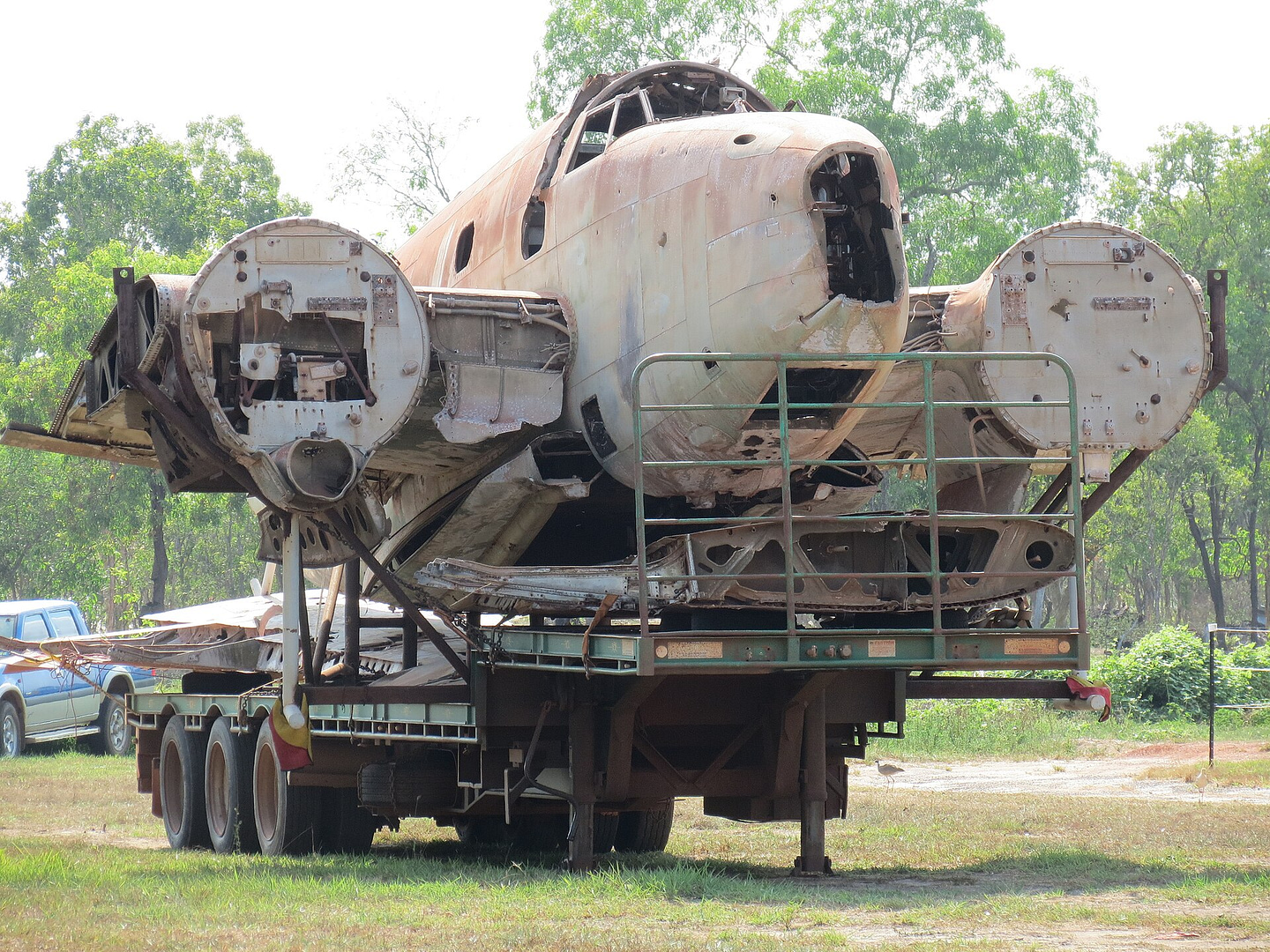
Unlike some wartime types, the Ventura and especially the PV-2 Harpoon left a reasonable number of survivors, helped by long post-war service and by civilian use after the war (some Harpoons flew for years as fire-bombers and executive transports). Several PV-2s survive in museums today, and a small number remain airworthy — making the Harpoon one of the more accessible surviving members of the family, though genuine flying examples are rare and precious.
The type’s post-war career stretched surprisingly long in some air forces: Brazil, Portugal and others kept Venturas and Harpoons on maritime patrol into the 1950s, 1960s and, in Portugal’s case, the 1970s. For an aircraft that began as a British bomber order in 1940, a working life stretching over three decades was a remarkable second act — and a fitting one for a design that only truly succeeded once it found the right role.
Timeline
The Lockheed Ventura through the years
Lockheed’s Hudson, derived from the Model 14 airliner, enters British service as a maritime patrol and light bomber — the Ventura’s direct predecessor.
Britain orders a larger, more capable follow-on. Lockheed develops the Ventura from the Model 18 Lodestar, built by its Vega subsidiary.
The Ventura makes its maiden flight, a bigger and far more powerful aircraft than the Hudson, with two Pratt & Whitney R-2800 radials.
The Ventura enters RAF Bomber Command service on daylight raids over occupied Europe, where it proves vulnerable and earns the nickname “Flying Pig”.
Eleven of twelve No. 487 Squadron RNZAF Venturas are shot down attacking Amsterdam; Squadron Leader Leonard Trent later receives the Victoria Cross.
The Ventura is switched to maritime patrol and anti-submarine work, and the US Navy fields it in numbers as the PV-1 patrol bomber.
PV-1s range across the Pacific and fly gruelling missions from the Aleutians against Japanese positions in the Kuril Islands.
Lockheed introduces the improved long-range PV-2 Harpoon, with a bigger wing, more fuel and heavier armament, maturing the design.
By the end of the war the Ventura and Harpoon have served across the Atlantic, Pacific and Mediterranean with many Allied air forces.
Brazil, Portugal and others keep Venturas and Harpoons on maritime patrol for decades; some Harpoons fly on as civilian fire-bombers and transports.
Stories & Eyewitnesses
The Lockheed Ventura in stories: the moments that defined it
A Hudson grown for war, a daylight-bomber disaster, a Victoria Cross over Amsterdam, a second life hunting submarines, and a long post-war tail — the Ventura’s history told through the moments that stuck.
Hudson’s Big Brother
A family of Lockheed twins
The Ventura grew out of the Hudson, itself grown from a Lockheed airliner.
Lockheed built a whole family of military twins from its airliners. The Model 14 gave the Hudson; the larger Model 18 Lodestar gave the Ventura. Each step scaled the concept up for a more demanding war.
The Ventura was recognisably a Hudson’s big brother — bigger, heavier, far more powerful — and the lineage would continue, in spirit, into Lockheed’s long line of post-war patrol aircraft.
British Order
American plane, British spec
Like the Hudson, the Ventura began as a British order, not an American one.
Britain ordered the Ventura in 1940 to supplement its own aircraft industry, and Lockheed built it through Vega. It was designed and delivered as a bomber to a British specification.
That origin explains its troubled start: it was committed to the daylight-bomber role before anyone had discovered where its real strengths lay.
The Flying Pig
A cruel nickname, honestly earned
RAF crews dubbed the vulnerable daylight bomber the “Flying Pig”.
On daylight raids over occupied Europe the Ventura proved too big, too unmanoeuvrable and too slow to survive against modern fighters, and losses mounted. Unimpressed crews nicknamed it the “Flying Pig”.
The name stuck, and it captured a real failure — the Ventura was simply the wrong aircraft for that job.
Amsterdam, 3 May 1943
Eleven of twelve lost
An RNZAF Ventura squadron was almost annihilated over Amsterdam.
Twelve No. 487 Squadron RNZAF Venturas set out to bomb an Amsterdam power station in daylight and ran into overwhelming fighter opposition. Eleven were shot down; only one, badly damaged, turned back.
It was one of the most one-sided single-operation losses of any RAF squadron in the war, and the definitive proof that the Ventura had no future as a daylight bomber.
Trent’s VC
Valour revealed after the war
Squadron Leader Leonard Trent won the Victoria Cross leading the Amsterdam raid.
Trent pressed home the hopeless attack until his aircraft was destroyed and he was captured. His courage could only be recognised after the war, when fellow survivors returned from prison camp to testify.
He was awarded the Victoria Cross — one of the last confirmed of the war — a lasting tribute to the bravery of crews sent out in an aircraft outmatched by its task.
Finding Its Niche
Sent to hunt submarines
Re-tasked as a maritime patrol aircraft, the Ventura came into its own.
Pulled from daylight bombing, the Ventura was switched to maritime patrol and anti-submarine work, where its range, endurance, load and speed all counted for it rather than against it.
In this role the “Flying Pig” became a respected workhorse — proof that the fault had been the mission, not the machine.
The PV-1
The Navy’s patrol bomber
The US Navy fielded the Ventura as the PV-1 and flew it hard.
The US Navy adopted the Ventura as the PV-1 patrol bomber and used it widely in the Atlantic and across the Pacific, where its speed, range and firepower suited the vast theatre.
It was as the PV-1, in American hands, that the Ventura first truly proved its worth as a combat aircraft.
The Harpoon
The design matured
The PV-2 Harpoon added a bigger wing, more range and heavier guns.
Lockheed developed the PV-2 Harpoon for the US Navy with a larger wing, more fuel and heavier armament — a purpose-built long-range patrol bomber rather than an adapted one.
The Harpoon was the family’s high point, and it is the version from which most of today’s survivors come.
Double Wasp Power
Two of the best engines going
The Ventura’s Pratt & Whitney R-2800s were world-class.
Whatever the airframe’s early misuse, its engines were never in doubt: two Pratt & Whitney R-2800 Double Wasps of around 2,000 hp each, the same superb engines as the Corsair and Thunderbolt.
They gave the Ventura real speed and load, and the rugged reliability essential for long patrols far out over the ocean.
Aleutian Bombers
War in the fog
PV-1s flew brutal missions from the Aleutians against the Kurils.
From bases in the storm-lashed Aleutian chain, US Navy PV-1s flew long, dangerous missions against Japanese positions in the Kuril Islands, in some of the worst flying weather of the war.
The cold, fog and distance were often as deadly as the enemy, and the Ventura’s range and twin-engine reliability were exactly what such conditions demanded.
New Zealand’s Bomber
The RNZAF’s Pacific mainstay
The Ventura was New Zealand’s principal bomber and patrol aircraft in the Pacific.
The Royal New Zealand Air Force relied heavily on the Ventura in the South and South-West Pacific, using it as its main bomber and patrol type against Japanese-held islands.
For a small air force fighting across a huge ocean, the Ventura’s range and load made it an indispensable workhorse.
Brazil’s Atlantic
Hunting U-boats off South America
Brazil flew Venturas and Harpoons on South Atlantic anti-submarine patrol.
Brazil operated PV-1s and PV-2s against U-boats in the South Atlantic, an important and often forgotten theatre of the war at sea, and kept the type in service long afterwards.
It is a reminder that the Ventura’s war was a genuinely global one, fought over every ocean by a coalition of air forces.
The Long Goodbye
Decades of post-war service
Some operators flew Venturas and Harpoons into the 1970s.
The Ventura family had a remarkably long tail. Brazil, Portugal and others kept the type on maritime patrol for decades after the war — Portugal’s Harpoons into the 1970s — and surplus aircraft flew on as civilian fire-bombers and transports.
For an aircraft ordered as a bomber in 1940, a working life stretching over thirty years was a striking second act.
Photo Gallery
The Lockheed Ventura in photographs
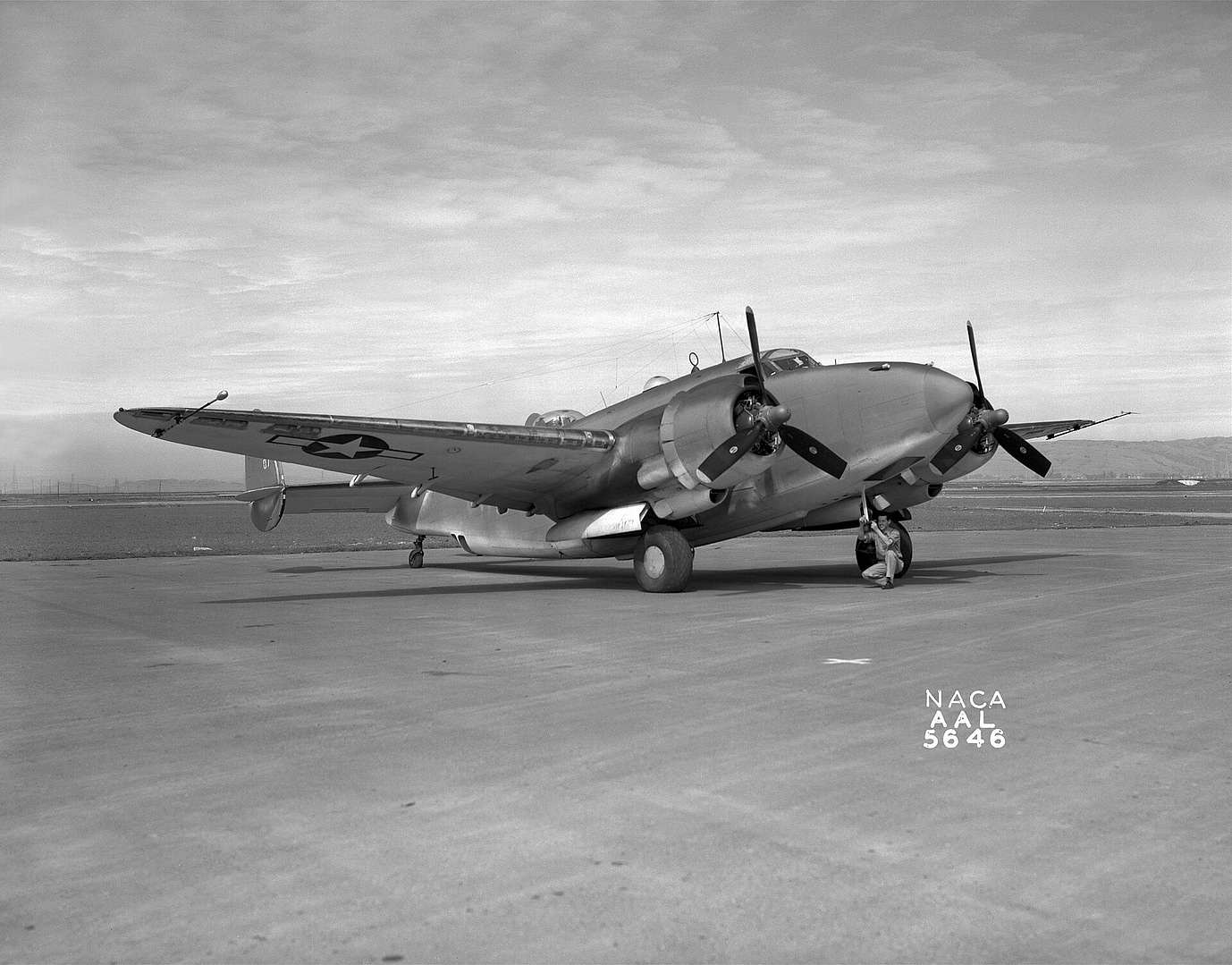
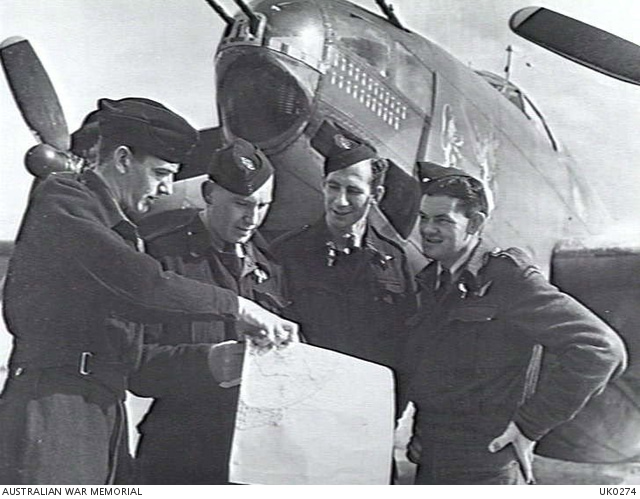
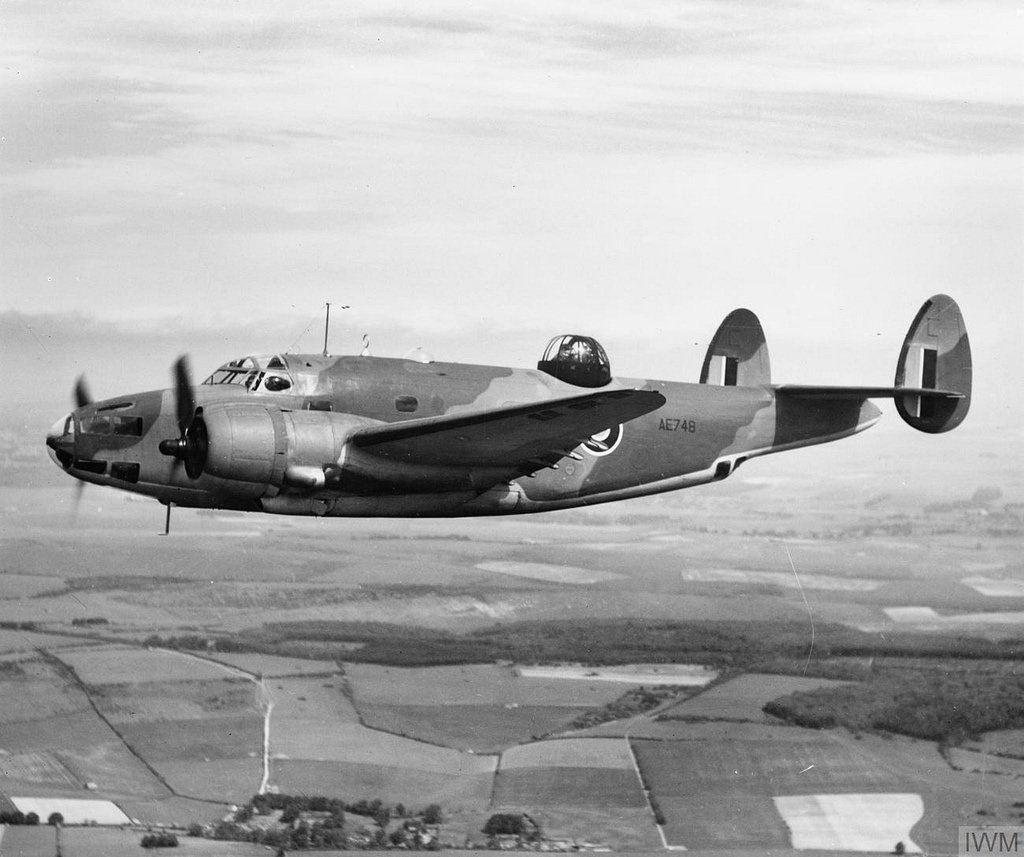
Wartime and museum photographs of the Ventura, PV-1 and PV-2 Harpoon, each credited to its source and licence. Click any photo to enlarge.
On Film
The Lockheed Ventura on video: a documentary history
A documentary on the Ventura and its PV-2 Harpoon development — the bomber that failed and the patrol plane that succeeded.
“Lockheed Ventura & Harpoon — the patrol plane” by The Grand Archive (approx. 38,000 views at time of writing; running time ~25 minutes). A dedicated documentary covering the Ventura and Harpoon variants.
Operations Overview
Where the Lockheed Ventura flew: an operator map
Built in the United States, flown by the RAF and the Commonwealth and by the US Navy across the Atlantic, the Pacific and the Aleutians, with post-war service in Brazil, Portugal and beyond. Toggle the categories; hover or tap a country for detail. Figures are approximate and hedged.
Categories: Design & Manufacture (United States) · RAF & Commonwealth Operators (UK, Canada, Australia, New Zealand, South Africa) · Other Allied Operators (Brazil, Portugal) · Surviving Airframe (several survive, including airworthy PV-2 Harpoons in the USA). Operator list is approximate and hedged.
Service Record
The Ventura’s record: from bomber failure to patrol success
The Ventura’s story is written in the contrast between its costly daylight-bomber career and its long, effective service as an ocean-patrol aircraft.
Questions & Answers
Lockheed Ventura: your questions answered
Can I fly in a Lockheed Ventura?
No — there is no bookable Ventura or PV-2 Harpoon flight experience, and MiGFlug does not offer one. A number of the type survive in museums, and a small handful of PV-2 Harpoons remain airworthy in private and warbird hands, but these are rare, precious aircraft, not ride platforms. If what you actually want is the real thing — strapping into a genuine military aircraft and flying it — you very much can do that today in other types. MiGFlug arranges flights in real fighter jets and warbirds around the world. Start here: migflug.com/flights-prices.
Why was the Ventura called the “Flying Pig”?
RAF crews gave it the nickname because of its poor showing as a daylight bomber. Big, heavy and not manoeuvrable enough to evade modern fighters, the Ventura suffered heavy losses on daylight raids over occupied Europe, and unimpressed aircrew dubbed it the “Flying Pig”. The name reflected a genuine failure in the bomber role — one the aircraft later escaped by switching to maritime patrol.
What happened on the Amsterdam raid of 3 May 1943?
Twelve Venturas of No. 487 Squadron RNZAF attacked a power station in Amsterdam in daylight and met overwhelming German fighter opposition. Eleven of the twelve were shot down; only one, damaged, returned. The formation leader, Squadron Leader Leonard Trent, pressed on against hopeless odds, was shot down and captured, and was awarded the Victoria Cross after the war once returning survivors could testify to his conduct. It is one of the most famous single-operation losses in RAF history.
What is the difference between the Ventura, the PV-1 and the PV-2 Harpoon?
They are stages of the same design. “Ventura” was the original RAF bomber (Marks I and II); the US Army briefly used versions as the B-34 and B-37. The PV-1 Ventura was the US Navy’s dedicated patrol-bomber version. The PV-2 Harpoon was a substantially improved US Navy development with a larger wing, more fuel and range, and heavier armament — the most capable and best-remembered member of the family.
What was the Ventura’s real success?
Maritime patrol and anti-submarine warfare. Once withdrawn from daylight bombing, the Ventura proved an excellent long-range ocean-patrol aircraft, with the range, endurance, load and speed the role demanded. RAF Coastal Command, the Commonwealth air forces, the US Navy and others used it to watch the sea lanes, hunt U-boats and patrol the Pacific and Aleutians — the work in which the type genuinely excelled.
Who operated the Lockheed Ventura?
Many Allied air forces. The US Navy (PV-1 and PV-2) and USAAF flew it, as did the RAF and the Royal Canadian, Australian, New Zealand and South African air forces. Brazil operated it on South Atlantic anti-submarine patrol, and other nations including the Netherlands, France and Portugal flew it too — Portugal’s Harpoons serving into the 1970s.
How many Venturas were built, and do any survive?
Around three thousand or more were built across all variants (figures vary between sources). A reasonable number survive, helped by long post-war and civilian use — several PV-2 Harpoons are preserved in museums and a small number remain airworthy, making the Harpoon one of the more accessible surviving members of the family.
Was the Lockheed Ventura a good aircraft?
It depends on the role. As a daylight bomber it was a failure — too vulnerable, as the “Flying Pig” nickname and the Amsterdam raid made brutally clear. As a maritime patrol and anti-submarine aircraft it was very good, and the PV-2 Harpoon was a genuinely capable long-range patrol bomber. The Ventura is the classic case of an aircraft that was only as good as the match between it and its mission.
Fly For Real
You can’t book a Lockheed Ventura — but these, you can
Only a few Venturas and Harpoons survive, and none is a bookable ride. The urge behind it — to strap into a real military aircraft and actually fly — is very much still bookable. MiGFlug puts you in genuine fighters and warbirds around the world.
Fighter Jet Flights
Take the controls of a real ex-military jet with an experienced pilot.
Warbird experiences
Fly in a genuine piston-engined warbird from the Ventura’s era.
All flights are operated by MiGFlug’s vetted partners with professional pilots. Browse every option and current pricing at migflug.com/flights-prices. MiGFlug does not operate Lockheed Ventura flights — no bookable example exists.
Related Aircraft
If the Lockheed Ventura interests you, explore these
Sources & Further Reading
Where this Lockheed Ventura history comes from
Note on figures: dimensions, performance and production numbers for the Ventura vary between sources and by variant, and are hedged here as approximate. Cost fields are listed as not reliably recorded because trustworthy wartime Lend-Lease cost data is not available. Several Venturas and PV-2 Harpoons survive in museums, and a small number of Harpoons remain airworthy.