
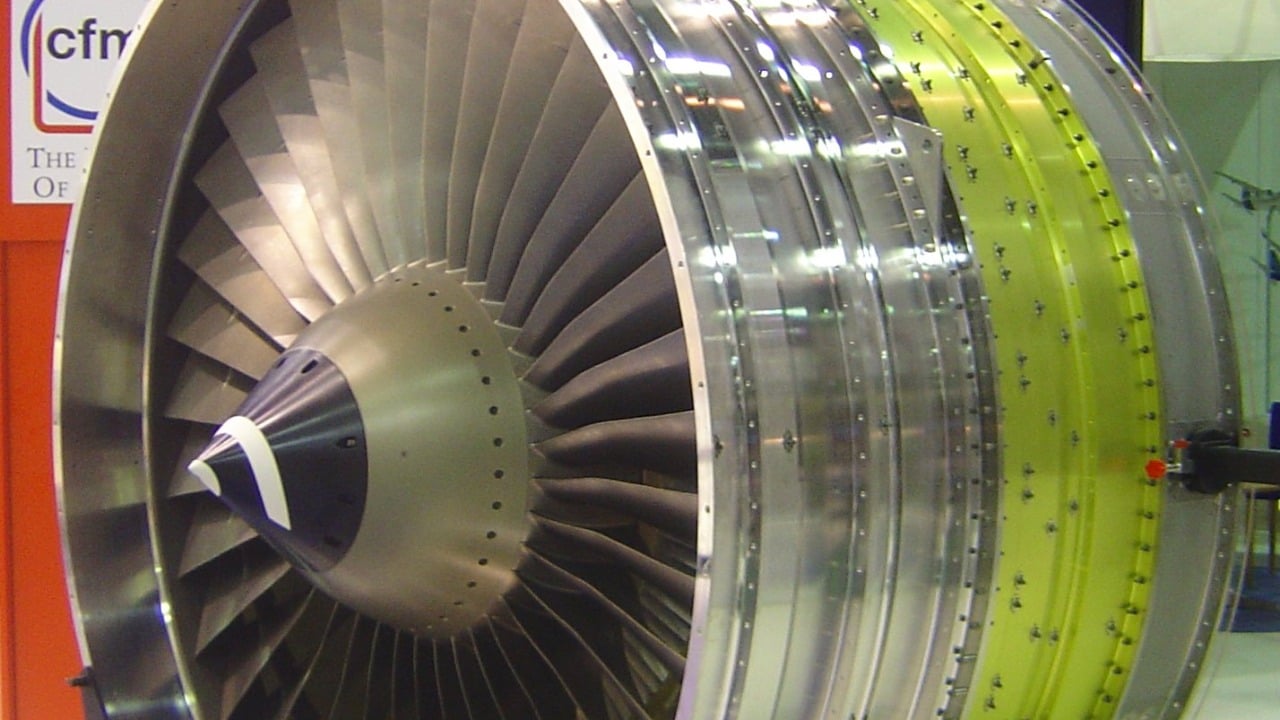
Ask a hundred passengers what a jet engine is designed to do when it swallows a large bird, and ninety-nine will say: keep running. It is a reasonable assumption. It is also wrong, and the regulation says so in plain English.
Under 14 CFR 33.76, the single-large-bird test does not require the engine to produce any useful thrust afterwards. It requires the engine not to do seven specific things, all of which involve the aeroplane being damaged by the engine itself. The fan can be wrecked. The engine can quit. What it may not do is throw metal through the cowling, catch fire, or part company with the wing.
Understanding that distinction is the key to the whole subject — including the most famous bird strike in aviation history, where the engines did precisely what they were certified to do, and the aeroplane still ended up in a river.
Quick Facts: 14 CFR 33.76 bird ingestion
Regla: 14 CFR 33.76, published 14 September 2000 (65 FR 55854), amended 2003, 2007 and 2023
Four separate tests: large single bird, small and medium flocking bird, large flocking bird, core flocking bird
Heaviest test bird: 3.65 kg (8.03 lb), and only for inlet throat areas of 3.90 square metres and above
Impact speed: 200 knots for the large bird and large flocking bird tests
Large single bird pass criterion: no hazardous engine effect. Continued thrust is not required
Flocking bird pass criterion: no more than a sustained 25 percent loss of power or thrust
Newest test: core flocking bird, added by Amendment 33-36, effective 5 June 2023
Average male Canada goose: 8.41 to 9.23 lb (NTSB)
The seven things an engine may not do
Section 33.76(b)(3) sets the bar for the large single bird test by pointing somewhere else: ingestion of a single large bird may not result in any condition described in § 33.75(g)(2). That paragraph is the list of what the FAA calls hazardous engine effects, and it is worth reading in full because it is short and because it is the whole argument.
Hazardous engine effects, 14 CFR 33.75(g)(2)
Non-containment of high-energy debris
Concentration of toxic products in the engine bleed air intended for the cabin sufficient to incapacitate crew or passengers
Significant thrust in the opposite direction to that commanded by the pilot
Uncontrolled fire
Failure of the engine mount system leading to inadvertent engine separation
Release of the propeller by the engine, if applicable
Complete inability to shut the engine down
Every item on that list is about protecting the aeroplane from the engine. None of them is about keeping the aeroplane flying. An engine that ingests a four-kilogram bird, destroys its own fan, loses all thrust and sits there quietly on the pylon has passed.
That is not negligence. It is an honest reading of physics. A 3.65-kilogram bird meeting a fan at 200 knots arrives with something close to 19 kilojoules of kinetic energy, concentrated on a blade a few centimetres wide, and an engine built to shrug that off every time would be so heavy that the aeroplane carrying it would burn extra fuel on every flight of its life. The regulation buys containment, not immunity, and it buys it on the explicit assumption that the other engine is still running.
A Rolls-Royce Trent 900 bird ingestion test. Watch what happens to the fan, and then watch the engine keep turning.
Four birds, four different tests
The section is usually described as "the bird test", singular. It is actually four, and they measure different things. The bird weights all scale with the engine’s inlet throat area, which is the projected capture area at the nacelle’s minimum inside diameter — bigger mouth, bigger bird.
| Test | Bird | Velocidad | The engine must |
|---|---|---|---|
| Large single bird, 33.76(b) | One bird, 1.85 to 3.65 kg (4.07 to 8.03 lb) by inlet area | 200 kt | Avoid every hazardous engine effect. Thrust not required |
| Small and medium flocking bird, 33.76(c) | Up to 16 birds of 85 g, or a volley of 0.35 to 1.15 kg birds | Most critical speed up to 1,500 ft | Lose no more than 25 percent of power or thrust, and run on for 20 minutes |
| Large flocking bird, 33.76(d) | One bird, 1.85 to 2.50 kg. Only for inlets of 2.50 m² and above | 200 kt | Hold at least 50 percent of maximum rated takeoff thrust |
| Core flocking bird, 33.76(e) | One bird, heaviest medium flocking weight for the inlet | 261 kt climb or 209 kt approach | Not fall below flight idle, and not be shut down |
Source: 14 CFR 33.76, current text.
Two details in that table do more work than the rest. The first is the 2.50 square metre threshold on the large flocking bird test. Below it, the test simply does not apply. The second is that the flocking bird tests, not the single bird test, are the ones that demand continued thrust — because a flock is what actually takes down an aeroplane.
What happened at 2,800 feet over the Bronx
Sullenberger’s four-pound figure was the standard his own engines had been certified against. The CFM56-5B4/P received its type certificate in June 1996, and the NTSB record shows its large-bird test used a single four-pound bird fired into a critical area of the fan. Today’s Table 1 would ask more of an engine that size — 2.75 kg, just over six pounds. It would still be asking for less than a goose.
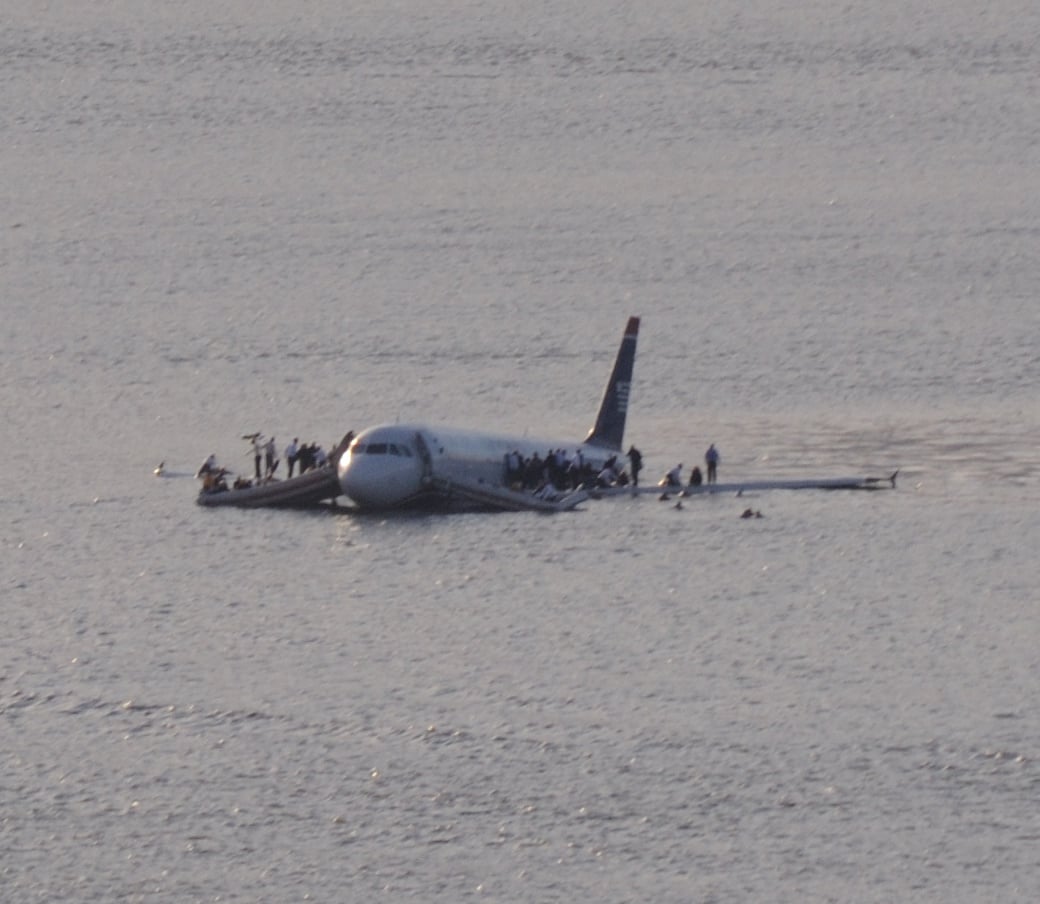
On 15 January 2009, climbing out of LaGuardia at about 2,800 feet and roughly 230 knots indicated, the Airbus A320 flew into a flock of migratory Canada geese. The FAA’s own later account is blunt: both of the airplane’s engines ingested at least two birds, and both engine cores suffered major damage and total thrust loss.
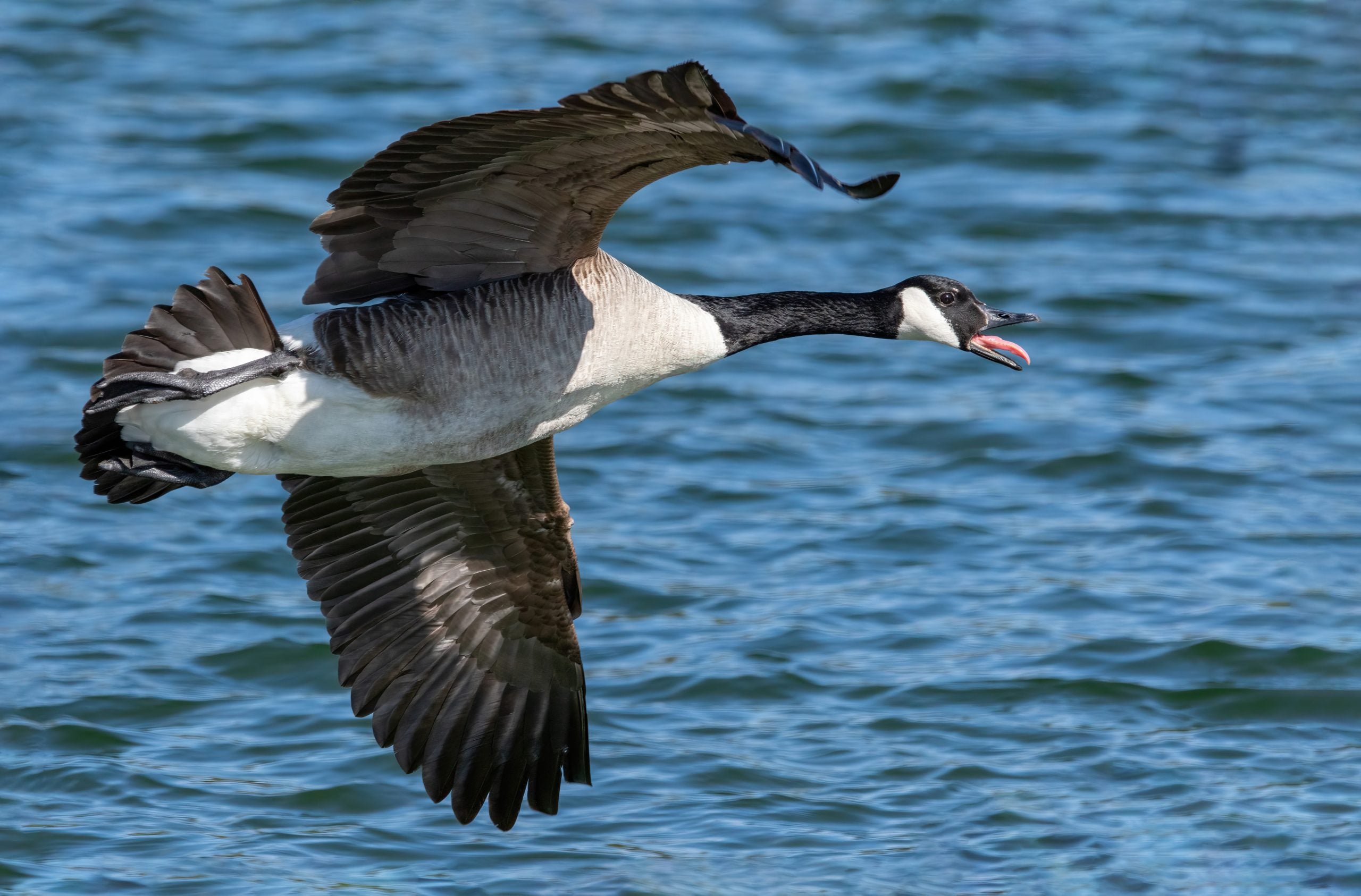
The NTSB took the comparison further than anyone had before. Each accident engine, it found, ingested one 8-pound Canada goose through to its core, much more than the weight used in the current certification tests. The flocking bird test for an engine of that size calls for one two-and-a-half-pound bird into the core and four one-and-a-half-pound birds elsewhere on the fan. The geese were three times heavier than the heaviest of them.
Then came the two findings that eventually rewrote the rule. The first was about size: the large flocking bird test is limited to engines with inlet areas greater than 3,875 square inches, and the CFM56-5B4/P has an inlet area of 3,077 square inches. The accident engines were exempt from the only test designed around a bird the size of a goose, and they missed the threshold by about a fifth.
The second was about fan speed, and it is the subtler of the two. Flight data showed the fan speed of both engines just before the bird ingestion was only about 80 percent — normal for that point in a climb, and well below the 100 percent the certification test requires. A fast-spinning fan flings bird material outwards, away from the core. A slower one does not. The test had been running at the setting least likely to reproduce the accident.
The NTSB’s formal conclusion was that the size and number of the birds ingested by the accident engines well exceeded the current bird-ingestion certification standards. The FAA, at the congressional hearing five weeks after the ditching, drew a different lesson from the same facts.
Both statements are true, which is the uncomfortable part. The engines met the standard. The standard did not save the aeroplane. What saved it was two pilots, a river and three and a half minutes.
How you actually fire a bird at an engine
The regulation’s verb is volley. Birds are loaded into a large-bore compressed-air cannon — the industry calls it a flight impact simulator, everyone else calls it the chicken gun — and fired into a running engine on a test stand. The birds are dead before they are loaded. Nobody fires a live animal into a turbofan, and the FAA has never required it.
Section 33.76(a)(5) goes further and allows substitutes: objects that are accepted by the Administrator may be used in place of birds, provided the substitute reproduces the mass, shape, density and impact behaviour of the real thing. In practice the carcass is still the benchmark that artificial birds are validated against.
The conditions around the shot are as prescriptive as the bird. Section 33.76(a)(1) requires the engine to be stabilised at no less than 100 percent takeoff power, and the demonstration must account for operation at sea level on the hottest day a minimum-specification engine can still reach maximum rated takeoff thrust. For the large bird the pilot is forbidden to touch the throttle for 15 seconds after impact — the moment when a crew’s instinct would be to do something.
A chicken gun firing at a Rolls-Royce Trent 500. The gun is a compressed-air cannon; the engine behind it is running at takeoff power.
What follows the impact is a timetable, not a judgement call. The flocking bird run-on schedule in 33.76(c)(7) specifies two minutes with the throttle untouched, then three minutes at 75 percent of the test condition, six at 60, six at 40, one at approach idle, two more at 75, and then a stabilised idle and shutdown. Twenty minutes of running on a damaged fan, with less than ten seconds allowed between each power change. An engine that survives the bang and then quietly gives up in minute fourteen has failed.
The rule changed, fourteen years later
The NTSB issued two recommendations off the back of 1549. Safety recommendation A-10-64 asked the FAA to modify the small and medium flocking bird test so that it is conducted using the lowest expected fan speed instead of 100 percent fan speed. A-10-65 asked whether the large flocking bird test should reach down to smaller engines and should include a core ingestion requirement.
An Aviation Rulemaking Advisory Committee working group spent until February 2015 on the question, and the answer it reached is physically elegant. A wider modern fan blade keeps the bird in contact for longer. A slower fan throws it outwards less hard. A faster aeroplane shortens the contact time. Combine a wide blade, a low fan speed and a high airspeed — which is to say, a climbing airliner — and the bird goes down the core rather than over the top of it.
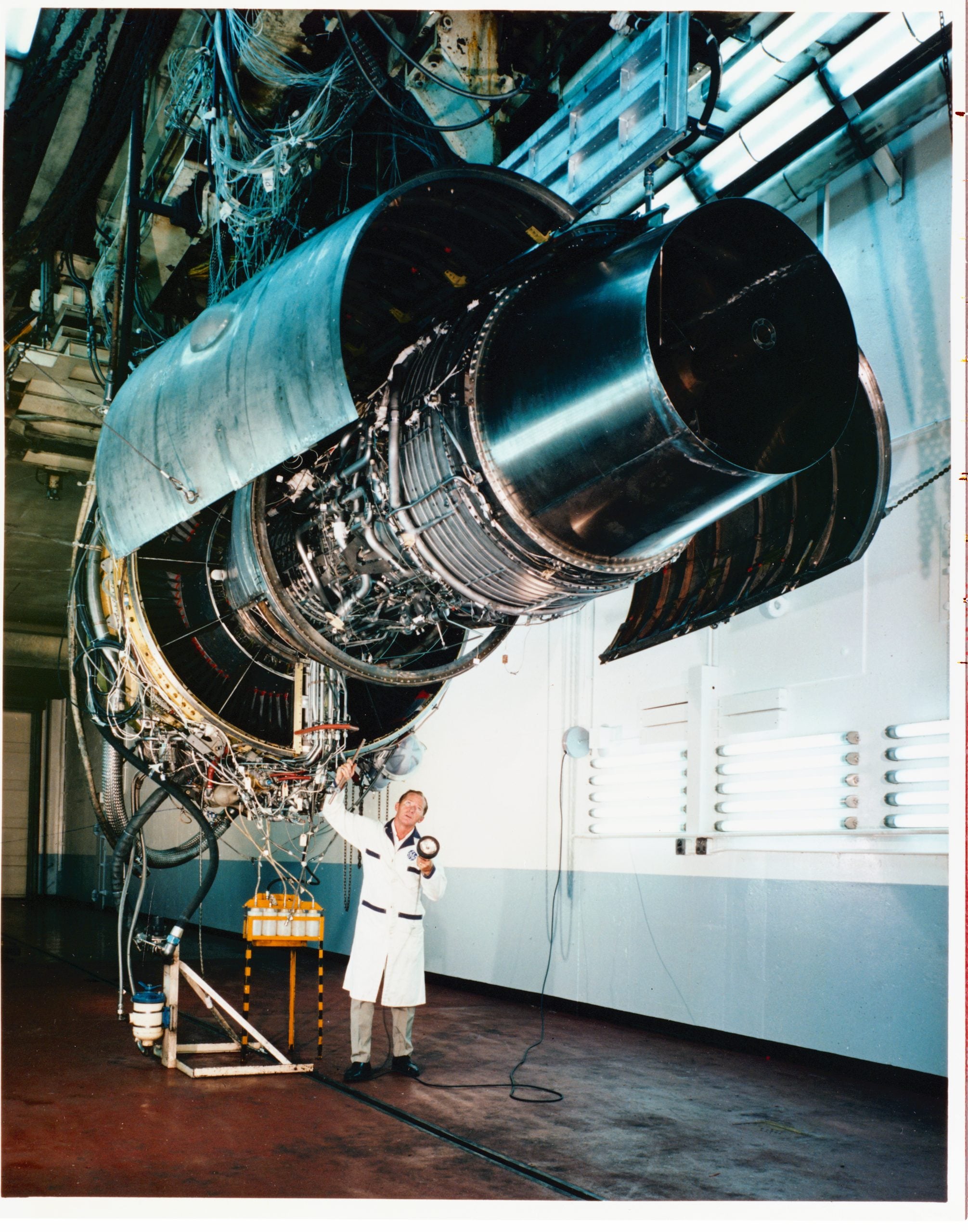
The result was Amendment 33-36, published on 4 April 2023 and effective on 5 June. It adds § 33.76(e), the core flocking bird test, and it is deliberately aimed at the flight phase 1549 was in. The climb version fires the heaviest medium flocking bird for that inlet at 261 knots true airspeed, which is 250 knots indicated at sea level, with the engine set to the lowest thrust expected in a climb through 3,000 feet. The approach version does the same thing at 209 knots with the engine at approach idle.
The engine then has to run on for a further 20 minutes without being shut down and without sagging below flight idle. For the first time, the certification standard tests the part of the engine that actually failed on both sides of an A320 over the Bronx.
Simple Flying reporting in December 2024 that the FAA had granted the PW1100G on the Airbus A321XLR a limited exemption from the bird ingestion rule. Exemptions are how a certification standard meets a specific airframe.
There is a catch, and it is the same catch that applies to almost every airworthiness rule. New standards bind new type certificates. The accident engines were never required to meet requirements written after their own certification, and neither is any engine flying today under a certificate issued before June 2023. The fleet changes when the fleet is replaced.
Which leaves the standard roughly where Sullenberger left it in 2009. It is not a promise that your engine will keep running. It is a promise that it will fail without taking the wing with it — and a calculated bet that both engines will not do it at once.
Sources: 14 CFR 33.76 and 14 CFR 33.75 (eCFR); Airworthiness Standards: Bird Ingestion, final rule, 65 FR 55848, 14 September 2000; Medium Flocking Bird Test at Climb Condition, final rule, Amendment 33-36, 88 FR 19801, 4 April 2023; NTSB Aircraft Accident Report AAR-10/03, Loss of Thrust in Both Engines After Encountering a Flock of Birds and Subsequent Ditching on the Hudson River; US Airways Flight 1549 Accident, hearing before the Subcommittee on Aviation, House Committee on Transportation and Infrastructure, 24 February 2009 (Serial 111-10); FAA Advisory Circular 33.76-1B.


0 Comments