

In the spring of 1942, Semyon Lavochkin was in trouble. His LaGG-3 fighter had a poor reputation at the front, it had cost him Stalin's favour, and the factories building it were being switched over to Yakovlev fighters. His design bureau was working out of a small hut next to an airfield. The way out turned out to be a single, bold change: bolt a big radial engine onto the nose.
El resultado fue el Lavochkin La-5. It first flew in March 1942, was in full production by July, and became one of the Soviet Air Force's best fighters of the war. Nearly 10,000 were built.
Datos rápidos
- Tipo: Single-seat, single-engine piston fighter
- Diseñador: Lavochkin bureau (Semyon Lavochkin, Vladimir Gorbunov)
- Primer vuelo: March 1942
- Motor: Shvetsov ASh-82 14-cylinder air-cooled radial (M-82FN on later aircraft, 1,960 hp)
- Velocidad máxima: 648 km/h (403 mph) at 6,250 m
- Armamento: Two 20 mm ShVAK cannon, up to two 100 kg bombs
- Construido: 9,920, including La-5UTI trainers
- Sucesor: Lavochkin La-7
From LaGG-3 to La-5
El LaGG-3 had a sound wooden airframe but not enough power. Its inline engine could not give it the performance it needed against the Luftwaffe, and lighter airframes and stronger engines did not fix the problem. By early 1942 the factories were turning to the Yak-1 and Yak-7.
Vladimir Gorbunov, one of the original LaGG partners, made the decisive swap. He fitted the LaGG-3 airframe with the Shvetsov ASh-82 radial, a 14-cylinder air-cooled engine, and borrowed the nose installation from the Sukhoi Su-2 bomber. The new fighter was briefly called the LaG-5, then the La-5 by July 1942, when it was ordered into full production.
Look in The Past: the history of the Lavochkin La-5 and La-7.
Why the Radial Made the Difference
A big air-cooled radial is heavy and draggy, which is why many designers of the time preferred slim, liquid-cooled inline engines. But it is also tough. It has no radiator or coolant lines for a single bullet to puncture, and it acts as armour in front of the pilot. For a fighter that spent much of its war at low and medium altitude over the Eastern Front, that toughness mattered.
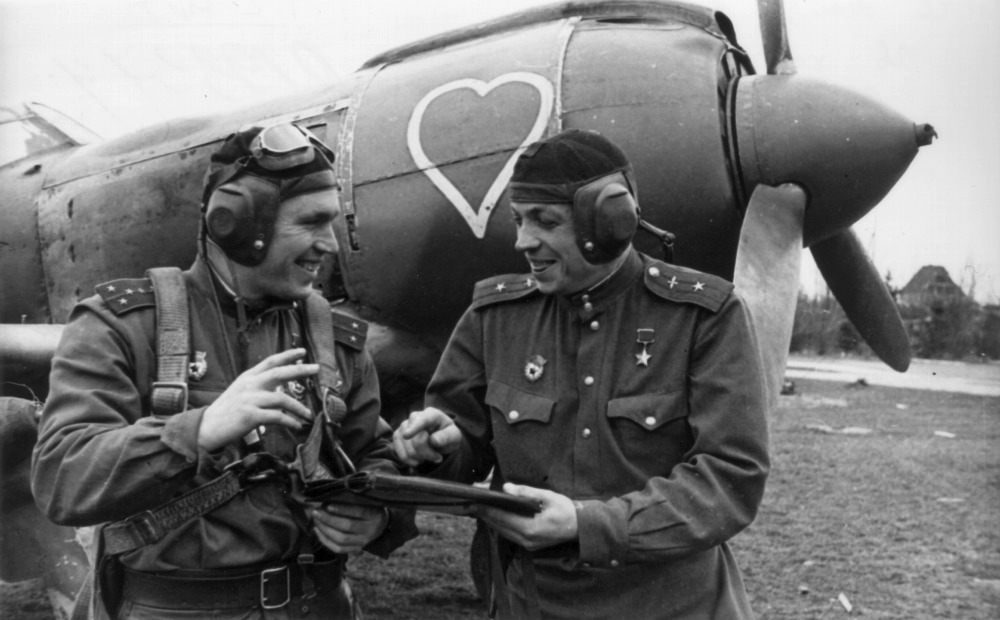
Pilots liked it. Soviet pilot Viktor Sinaisky remembered the type with real warmth.
La-5F and La-5FN
The La-5F reached the front in February 1943, with a cut-down rear fuselage that gave the pilot a much better view behind. Then came the La-5FN, with a fuel-injected engine, a different air intake and more weight taken out. Very late FNs swapped the two ShVAK cannon for two Berezin B-20s in the cowling.
Results followed. The 5th Guards Fighter Aviation Regiment flew 3,802 sorties on the type and claimed 128 aerial victories for 52 La-5s lost. The Soviet Union's top-scoring ace, Iván Kozhedub, scored his first victory in a La-5 on 6 July 1943, shooting down a Ju 87, and flew La-5s until August 1944.
What the Germans Thought
Not everything was perfect. Luftwaffe test pilot Hans-Werner Lerche flew a captured La-5FN and found it strong below 3,000 metres but short on range, and he criticised its separate engine-control levers, which the pilot had to juggle by hand. The canopy could not be opened above about 350 km/h, and cockpit ventilation was poor.
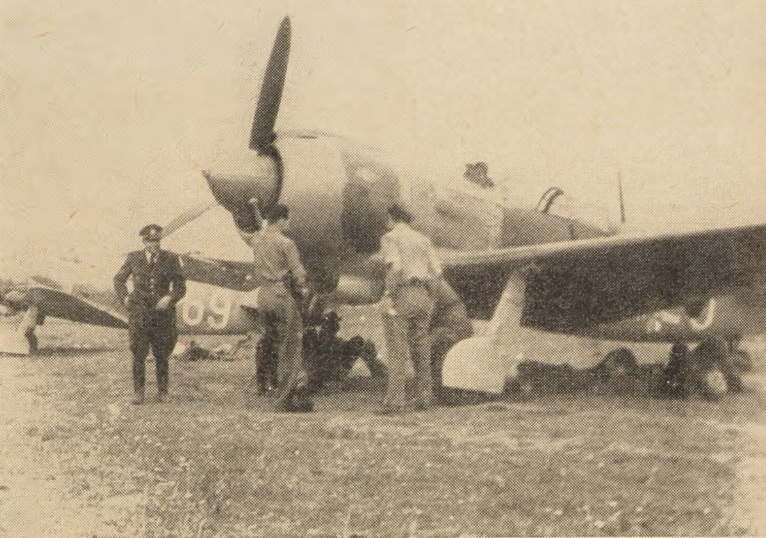
Even so, the La-5 did what Lavochkin needed it to do. It saved his bureau, gave Soviet pilots a fighter that could hold its own against the Fw 190 and Bf 109 at low level, and led straight to the even better La-7. Czechoslovakia kept La-5s in service after the war. Not bad for an airframe that had been written off a year earlier.
A wartime Soviet information film showing the La-5 in flight, with subtitles.
Sources: Wikipedia (Lavochkin La-5; Ivan Kozhedub), Look in The Past, Křídla vlasti


0 Comments