
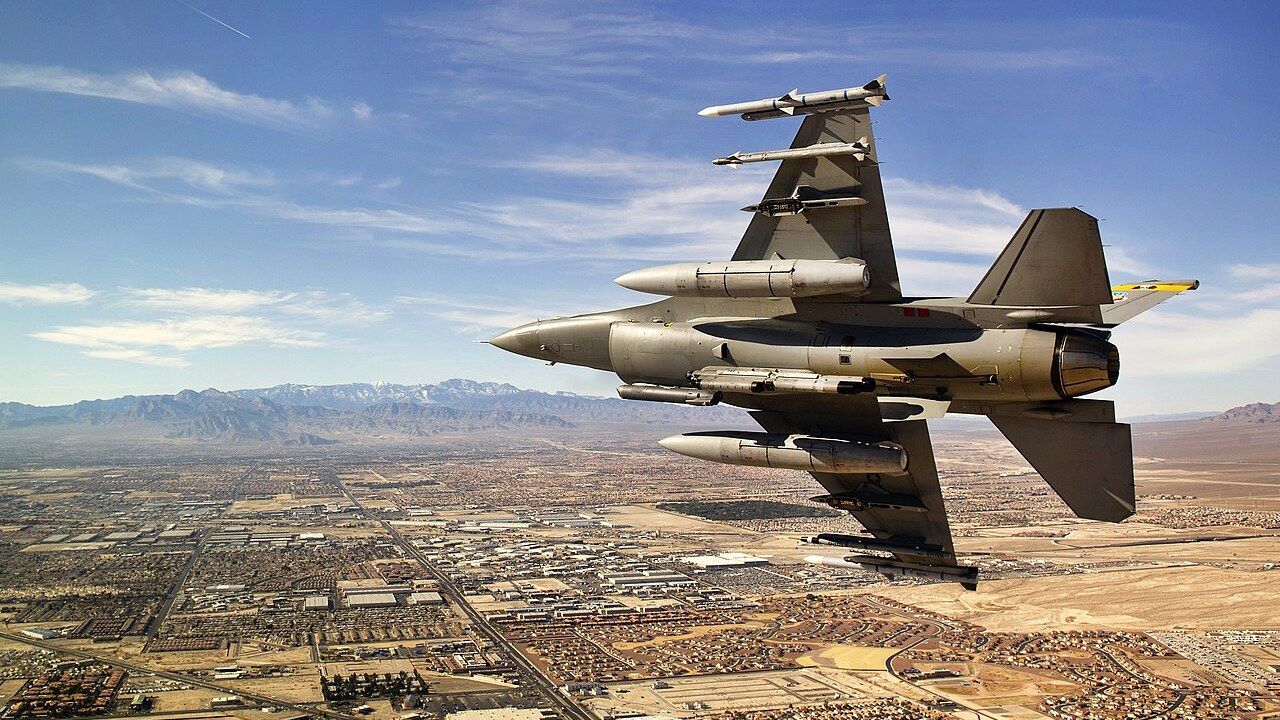
The United States has not bought an F-16 for itself in more than twenty years. That may be about to change, and the proposed designation tells you how far the idea has already travelled: F-16G.
Air & Space Forces Magazine reported on 16 September 2026, citing multiple people familiar with the matter, that the Air Force will consider buying new-build F-16s to plug capacity holes in an ageing fighter fleet. Aviation Week reported the same week that Lockheed Martin is pitching an upgraded G-model built on the Block 70 airframe.
The timing is not accidental. The Air Force is assembling its fiscal 2028 budget request and the five-year spending plan behind it, and the four-star Corona gathering this autumn is where ideas like this either get momentum or quietly die.
Informazioni rapide
The story: USAF is weighing new-build F-16s for the first time in over 20 years
Reported by: Air & Space Forces Magazine, 16 September 2026, citing multiple people familiar with the matter
Proposed designation: F-16G, built on the Block 70 airframe
Where they would be built: Lockheed Martin’s Greenville, South Carolina line, running since the 2019 move from Fort Worth
Current USAF F-16 fleet: 826 aircraft, 484 of them Active Duty
Average age: 34 years; the newest have been flying since 2005
Stato: No decision, no requirement defined, no money committed
Perché adesso?
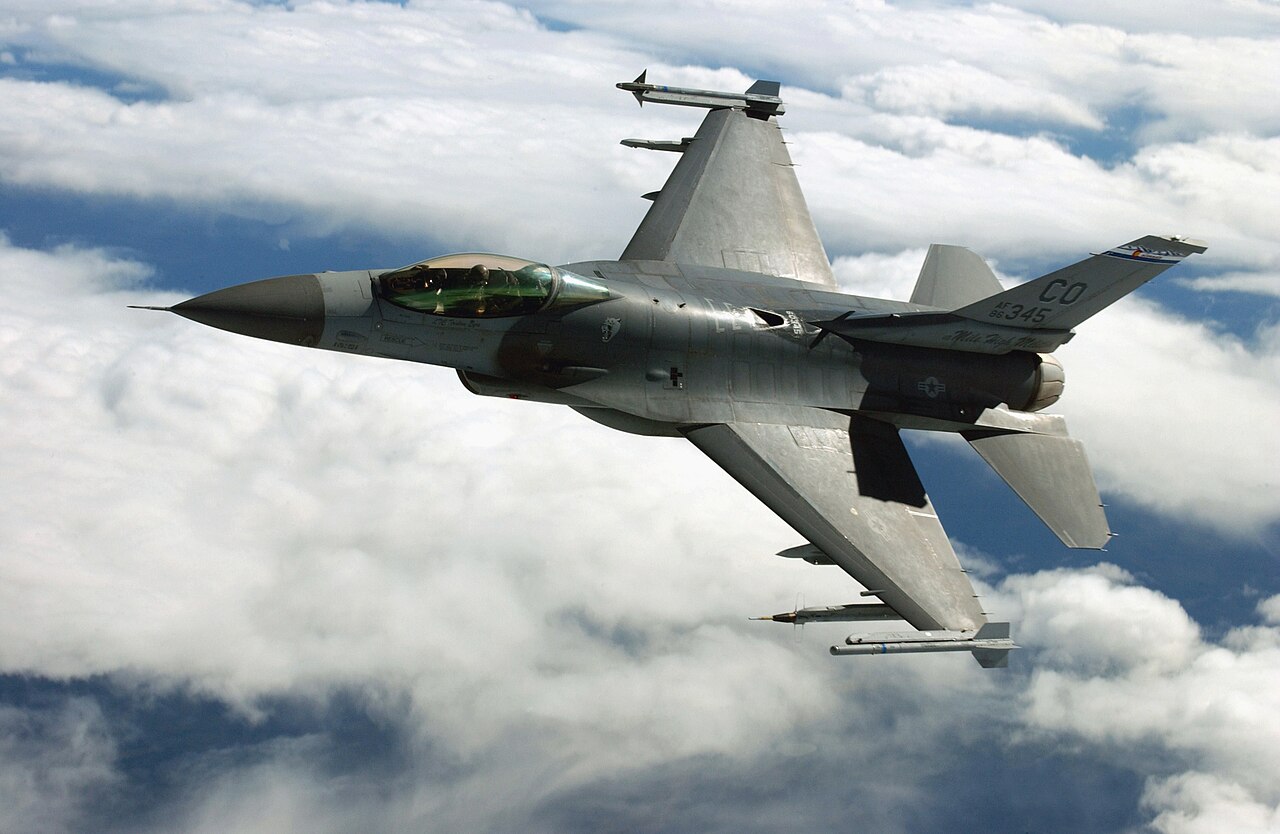
The arithmetic is unforgiving. The Air Force has 826 F-16s on the books. They average 34 years old. The youngest rolled off the line in 2005, which makes the newest Viper in American service old enough to have a driving licence.
Meanwhile the replacements are rationed. Lockheed and Boeing both face capacity constraints on how many F-35As and F-15EXs they can physically deliver in a year. You cannot buy your way out of a fighter shortfall from a production line that is already flat out.
So the Air Force is looking at the one modern fighter line in the United States that is non maxed out: Greenville, South Carolina, where Lockheed builds Block 70 jets for export customers.
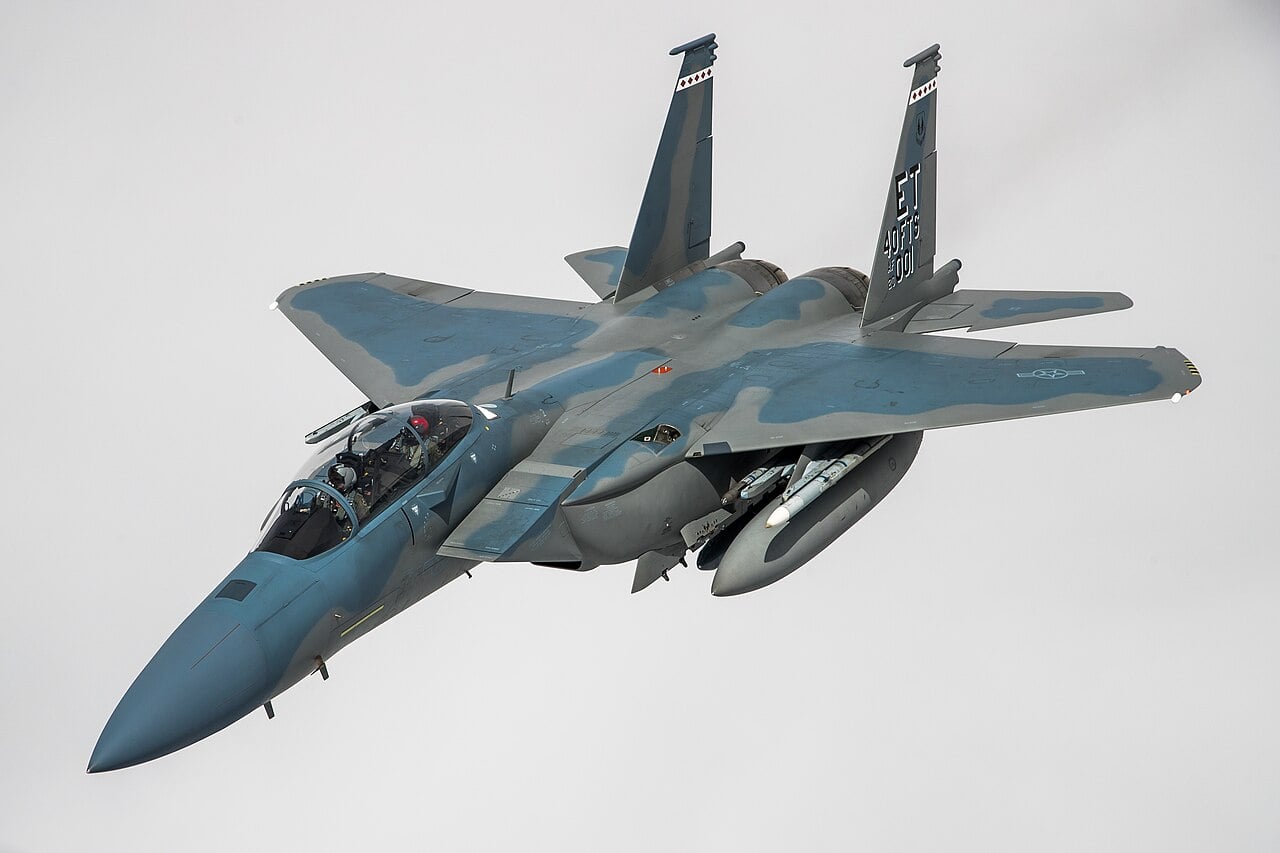
The precedent everybody is thinking of is the F-15EX. The Air Force stopped buying Eagles, left a gap of many years, then went back to Boeing and ordered a substantially new aeroplane wearing an old designation. The logic for the Viper is identical.
Not your grandfather’s F-16
A G-model would not be a reheated Block 50. Aviation Week reports the pitch adds conformal fuel tanks, 600-gallon wing tanks, an infrared search and track pod, a Sniper targeting pod and a drag chute — range and sensors, which is precisely what the Pacific asks of a single-engine fighter.
Northrop Grumman’s two big Viper upgrades would likely come with it: the Integrated Viper Electronic Warfare Suite, designated AN/ALQ-257, which handles radar warning, active jamming and threat geolocation, and the LITENING LA large-aperture targeting pod.
The same source made the structural argument, which is the one that actually decides these things. Airframes are not infinitely renewable.
Nobody is confirming anything
Both of the companies with skin in this were careful. Lockheed Martin pointed the question straight back at the government while making sure everyone remembered whose jets are in the inventory.
The Air Force was blunter, in the way that confirms a process is running without confirming an outcome.
The engine nobody was talking about
There is a quieter piece of this that landed the day before, and it matters more than it looks.
On 15 September, Pratt & Whitney announced a production licence agreement letting Hermeus — the hypersonics startup — manufacture F100-PW-229 engines. The F100 powers both the F-16 and the F-15, and has done for five decades and more than 32 million flight hours.
Pratt’s stated reason is a second qualified production source and a stronger industrial base. Read it alongside a possible F-16G order and it looks less like coincidence and more like somebody doing the sums on how many fighter engines America might suddenly need.
What would have to go right
Everything is still conditional. The Air Force says it has not defined a requirement. No money exists. The F-16G is a company pitch and a set of anonymous conversations, not a programme.
But the pressure is real and it is not going away. F-16 Wild Weasels have been doing the suppression-of-enemy-air-defences work in the operations against Iran, which is the mission that burns airframe hours fastest and forgives the least. Every month of that makes the fleet older in a way that no spreadsheet reversal can fix.
The Air Force has spent two decades assuming the F-16 was something it would retire. It is now seriously asking whether it should buy more. That is not a small reversal.
Sources: Air & Space Forces Magazine; Aviation Week; RTX / Pratt & Whitney; Lockheed Martin.

0 Comments