
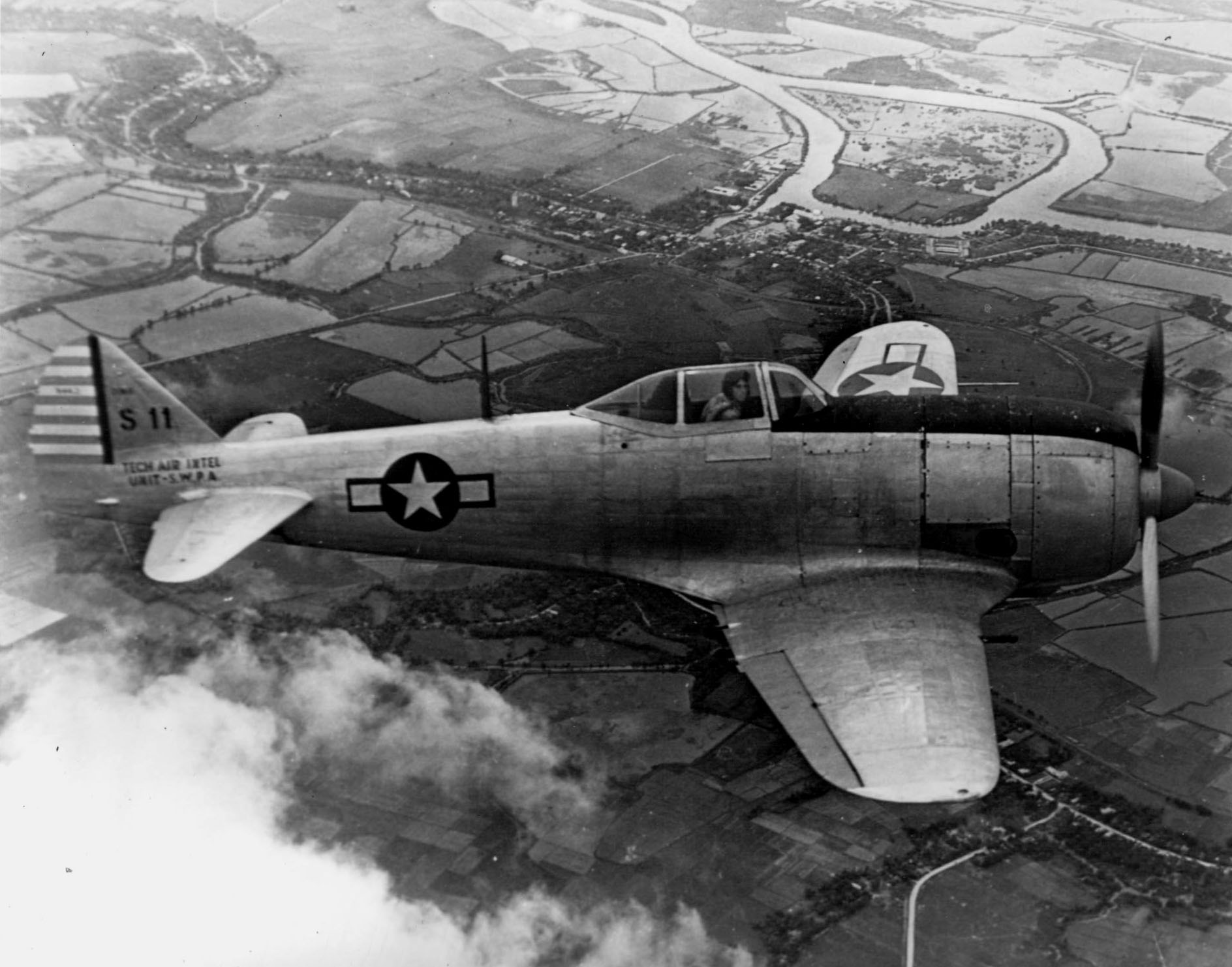
Nakajima Ki-44
“Shoki” · Tojo
Japan’s controversial fast interceptor — a heavily loaded, hard-climbing “demon” that traded the dogfight for speed, and became one of the last lines of defence over Tokyo against the B-29.
The Nakajima Ki-44 Shoki: a fighter that broke Japanese doctrine
Through the late 1930s the Imperial Japanese Army Air Force built its reputation on light, nimble fighters. The Ki-27 and the Ki-43 Hayabusa were designed to out-turn anything they met, and Japanese pilots prized the close-in dogfight above all. So when Nakajima was asked in 1938 for something almost heretical — a heavy, fast interceptor that would climb hard and dash fast, and accept that it could not turn with a lighter fighter — it was a genuine break with doctrine. The result, first flown in August 1940, was the Ki-44 Shoki, named for a demon-quelling deity of Chinese and Japanese legend.
To go fast, the Ki-44 broke every habit. It had a small wing and one of the highest wing loadings of any Japanese fighter of the war — roughly double that of the featherweight Ki-43. Around that wing Nakajima wrapped a large-diameter radial — the Ha-41, later the ~1,520 hp Ha-109 — giving the stubby aircraft a top speed near 605 km/h and a fierce rate of climb. Pilots raised on turning fights initially disliked it: it landed fast, was unforgiving, and refused to play the dogfight game. Many only warmed to it once they learned to fight in the vertical — diving, firing and climbing away rather than circling.
The Ki-44 found its true role at home. As American B-29 Superfortresses began raiding Japan in late 1944, the Shoki’s speed and climb made it one of the best interceptors the Army had — though even it struggled to reach the bombers’ altitude. Around Tokyo, the 47th Sentai formed a special unit whose pilots, stripped of guns and armour for height, were prepared to ram the B-29s. By the time production ended in 1944 — after roughly 1,225 aircraft — the Ki-44 was already being replaced by the Ki-84 Hayate, but it flew in defence of the Home Islands until the last days of the war. To Allied intelligence it was known simply as “Tojo”.
01The Nakajima Ki-44 Shoki’s design gamble: why Japan built a fighter that couldn’t dogfight
Every fighter is a compromise between speed, climb, firepower and manoeuvre. Japanese doctrine had long resolved that compromise in favour of the turn, producing exquisitely agile but lightly armed and lightly built machines. The Ki-44 deliberately chose the other path: a small, high-loaded wing and a big engine, accepting a wide turning circle in exchange for the ability to climb quickly, dash at high speed, and dive away safely — the classic boom-and-zoom interceptor recipe.
That gamble made the Shoki unpopular at first, and demanding to fly, but it was also prescient. The war in the Pacific increasingly turned on speed, altitude and heavy bombers rather than swirling dogfights, and by 1944–45 the qualities the Ki-44 embodied were exactly what Japan needed for home defence. The type pointed directly toward the later, more powerful Ki-84 Hayate.
What makes the Ki-44 Shoki special
A wing built for speed, not the turn
The Ki-44 carried one of the highest wing loadings of any wartime Japanese fighter — commonly put around 185–200 kg/m², roughly double the Ki-43. The small wing cut drag and allowed high speed and a hard climb, at the cost of a wide turning circle and a fast, unforgiving approach. It was a deliberate inversion of Japanese fighter tradition.
A bomber’s engine on a fighter
Power came from a large-diameter Nakajima radial — the Ha-41 (~1,250 hp) on the Ki-44-I, then the Ha-109 (commonly cited ~1,450–1,520 hp) on the definitive Ki-44-II. The engine was unusually broad for a fighter of the size, giving the Shoki its stubby, muscular silhouette and its energy performance.
The 40 mm demon-cannon
Some Ki-44-II Otsu carried two 40 mm Ho-301 cannon — a rare caseless weapon firing a self-contained round. It hit hard but at very low muzzle velocity (~245 m/s) and short range, forcing pilots dangerously close to a B-29’s defensive guns. It is widely judged to have been a near-failure.
02The Nakajima Ki-44 Shoki’s combat flaps: how Nakajima tamed a heavy fighter
A high wing loading is deadly in a turning fight, so Nakajima fitted the Shoki with so-called “butterfly” combat flaps — a Fowler-type flap that could be deployed at a shallow setting in combat to momentarily increase wing area and lift. Snapping the flaps out in a turn tightened the Ki-44’s circle and let a skilled pilot briefly hold his own against more agile opponents before using speed and climb to disengage. It was a partial answer to a problem the small wing created by design.
03The Ki-44 Shoki’s altitude problem: why it struggled to reach the B-29
On paper the Ki-44-II had a service ceiling around 11,000 m — enough, in theory, to meet the B-29. In practice, pilots of the 47th Sentai reported that engine oil pressure fell away above roughly 7,000 m until larger oil lines raised the usable height to about 9,500 m. The Superfortresses often cruised higher still, and the thin air robbed the Shoki of the climb and energy it needed for a firing pass. Even Japan’s best home-defence interceptor frequently could not get cleanly above its target — one reason some pilots turned to ramming.
Nakajima Ki-44 Shoki: full specifications
Airframe & Performance (Ki-44-II)
- طاقم
- 1
- طول
- 8.79 m (28 ft 9 in)
- طول الجناحين
- 9.45 m (31 ft 0 in)
- ارتفاع
- 3.25 m (10 ft 8 in)
- منطقة الجناح
- 15.0 m² (161 sq ft)
- الوزن الفارغ
- ~2,105 kg (~4,640 lb)
- Loaded weight
- ~2,995 kg (~6,600 lb)
- Wing loading
- ~185–200 kg/m² (approx.)
- Max speed
- ~605 km/h at 5,200 m (~376 mph)
- سقف الخدمة
- ~11,200 m (commonly cited)
- يتراوح
- ~1,300 km normal (~1,700 km max)
Propulsion, Armament & Programme
- محرك
- 1 × Nakajima Ha-109 14-cyl radial
- Power
- ~1,520 hp (1,450–1,520 hp cited)
- Armament (typical)
- 4 × 12.7 mm Ho-103
- Armament (Otsu)
- 2 × 12.7 mm + 2 × 40 mm Ho-301
- First flight
- August 1940
- Service
- 1942–1945
- Built
- ~1,225 (all variants; ~1,200–1,233 cited)
- Allied name
- “Tojo”
- Unit cost
- No reliable public figure
- Cost per flight hour
- No reliable figure (see note)
04The Nakajima Ki-44 Shoki’s cost: why no reliable price survives
The Ki-44 was a wartime product of Imperial Japan, built to state contracts and never sold on an open market, so no dependable flyaway unit price for it survives in the public record — and figures in wartime yen are not readily comparable to modern currency. Likewise, the Imperial Japanese Army did not track aircraft costs the way modern air forces do, so no credible cost-per-flight-hour figure exists for the type. Any precise dollar or yen amount attached to a Ki-44 today should be treated as, at best, a rough estimate rather than a sourced fact.
The Ki-44 Shoki: from doctrine-breaker to home defence
An unusual requirement
The IJAAF asks Nakajima for a fast-climbing interceptor — a deliberate break from the light, turning fighters Japan then favoured.
First flight
The Ki-44 prototype flies for the first time, revealing a stubby, high-loaded airframe built around a large radial engine.
Combat debut
Pre-production Shokis deploy with a trials unit to Malaya and Indochina as the Pacific War opens.
First victory
Capt. Yasuhiko Kuroe is credited with an early Ki-44 kill over the Malaya–Singapore front (reportedly 12 January).
The definitive Ki-44-II
The Ha-109-engined Ki-44-II enters production — the main service version, with heavier armament options.
Defending Tokyo
As B-29 raids on the Kanto region begin, the 47th Sentai flies the Shoki in home defence and forms a special ramming unit.
Palembang
Ki-44s of the 87th Sentai help defend the Palembang oil refineries against major British carrier strikes (Operation Meridian).
War’s end
Production had wound down in favour of the Ki-84, but surviving Shokis fly in defence of the Home Islands until the surrender.
From the cockpit: twelve Ki-44 stories
The fighter the Army had to ask for
Japan built its fighters to turn; the Ki-44 was ordered to do the opposite.
Read the full story
Why they called it the demon-queller
“Shoki” is a demon-quelling deity of Chinese and Japanese legend.
Read the full story
An early victory over Malaya
A pre-production Ki-44 is credited with one of the type’s first kills in January 1942.
Read the full story
The fighter its own pilots resented
Raised on the turning fight, many Japanese pilots disliked the Shoki at first.
Read the full story
A bomber engine on a fighter
The broad Ha-41/Ha-109 radial gave the Shoki its stubby, muscular shape.
Read the full story
The butterfly flaps that tightened the turn
A shallow Fowler-type flap setting let the Shoki briefly defy its reputation.
Read the full story
Defending the oil
Ki-44s helped guard the Palembang refineries against British carrier strikes.
Read the full story
Too low to catch the Superfortress
Even Japan’s best interceptor often could not climb high enough.
Read the full story
The Shinten ramming unit
A special 47th Sentai flight was prepared to ram B-29s over Tokyo.
Read the full story
The demon-cannon that rarely worked
The caseless Ho-301 hit hard but had to be fired almost point-blank.
Read the full story
Meet “Tojo”
Allied intelligence gave the Shoki the reporting name “Tojo.”
Read the full story
Replaced, but never beaten in its niche
The Ki-84 succeeded it; today no complete Ki-44 is known to survive.
Read the full story
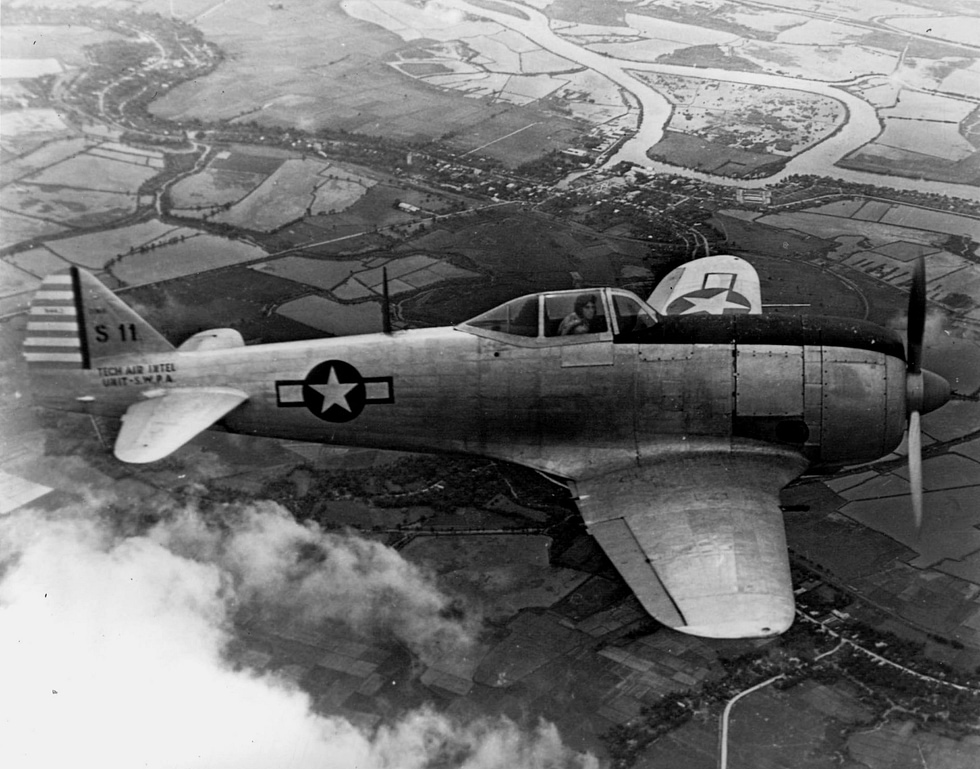
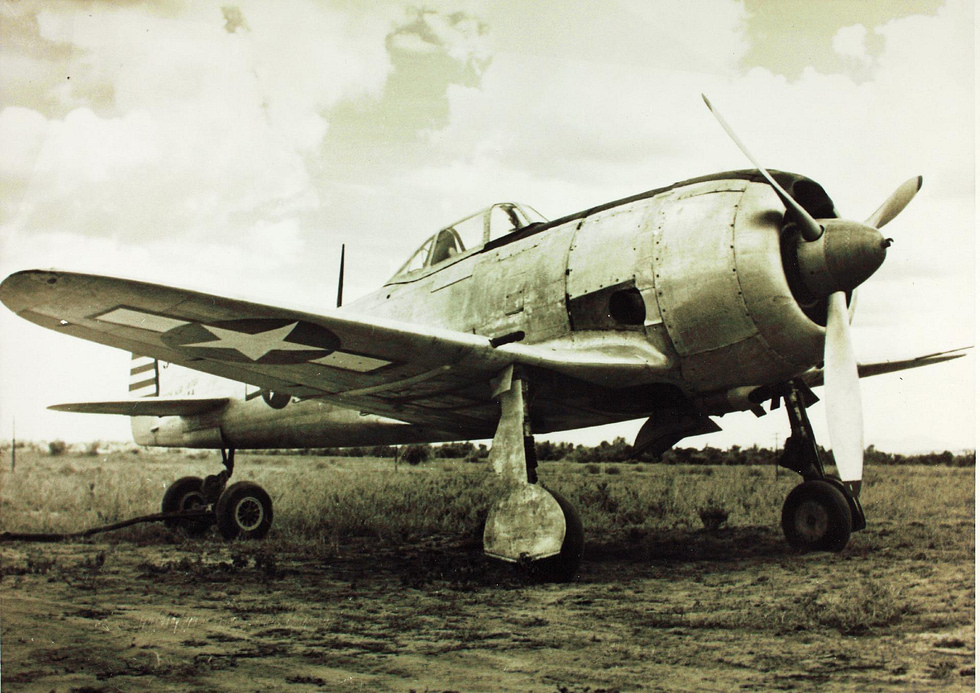
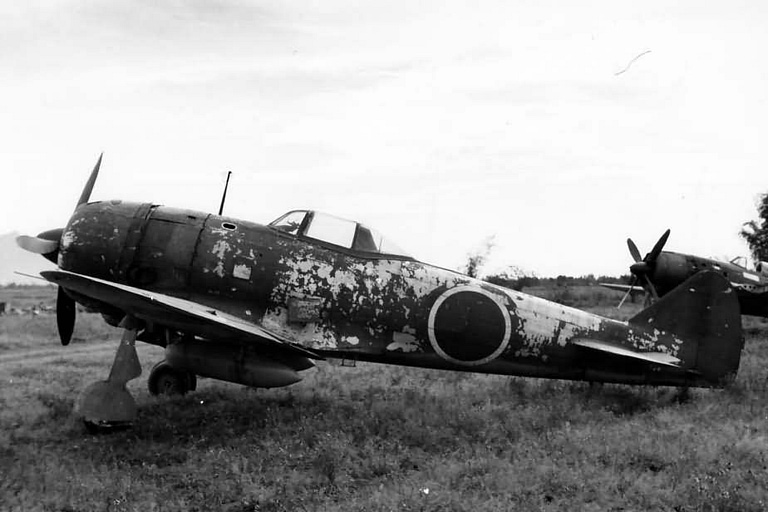
The Ki-44 Shoki in pictures
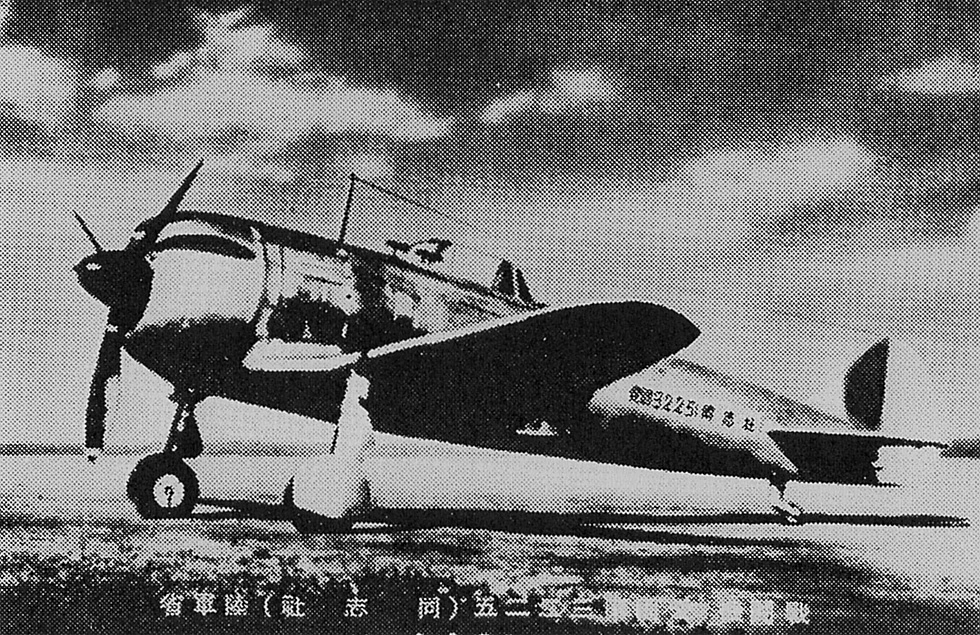
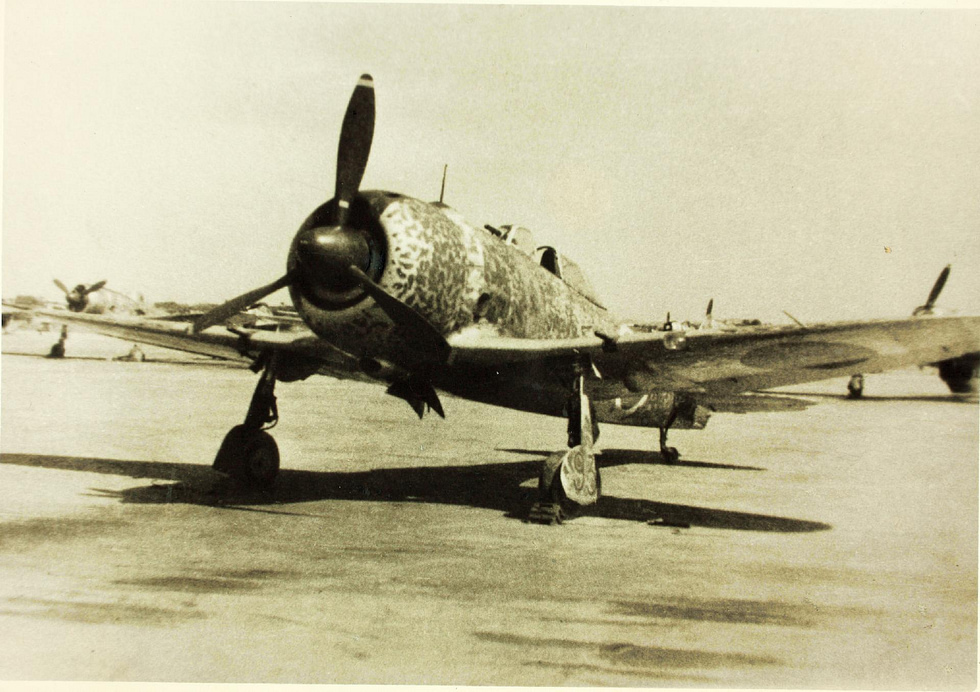
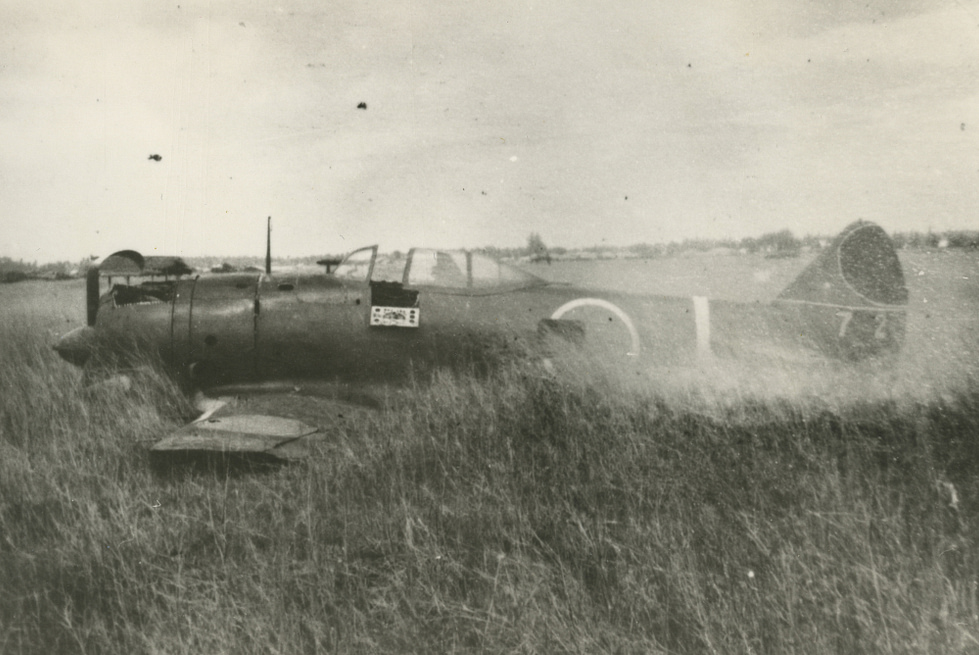
The Ki-44 Shoki in motion
IHYLS: The Japanese Interceptor Built To Destroy Demons — Nakajima Ki-44 Shoki. A concise, well-illustrated documentary on the Shoki’s unusual design philosophy, its engine and armament, and its home-defence career.
Where the Ki-44 Shoki flew
The Ki-44 Shoki’s combat record
The Ki-44 was never a dogfighter, and its record reflects that. It fought as a fast interceptor — over Malaya and Sumatra early in the war, and above all in the defence of Japan against the B-29. Its story is one of hard climbs, slashing passes, and, when altitude and armament failed, of pilots willing to ram the bombers they could not shoot down.
Compare the combat record of every military aircraft.
Everything people ask about the Ki-44 Shoki
Can I fly in a Nakajima Ki-44 Shoki?
What does “Shoki” mean, and why was it called “Tojo”?
How fast was the Ki-44 Shoki?
Why did Japanese pilots dislike it at first?
Did the Ki-44 really ram B-29s?
How many Ki-44s were built, and are any left?
What replaced the Ki-44 Shoki?
You can’t fly the Ki-44 Shoki.
These, you can.
Some legends only live in museums — others are fuelled and waiting. MiGFlug has put civilians in real military jet cockpits since 2004.
 Fly the L-39 AlbatrosThe world’s most-flown jet trainer — aerobatics included
 Fly the F-104 Starfighter“The missile with a man in it”
 Fly the MiG-21The Cold War’s most-produced jet
 حلّق بطائرة تي-33 شوتينغ ستارAmerica’s first jet trainer
 Fly the DH VampireA piece of early jet history
 Fly the S.211Agile Italian jet trainer
 Fly the MB-326The classic Aermacchi jet
 Fly the MiG-15The Soviet legend of the Korean War
Continue the tour
Every fact, checked
- Military Factory — Nakajima Ki-44 Shoki (Tojo)Specifications, variant armament, engine data and production totals.
- HistoryOfWar.org — Nakajima Ki-44 Shoki ‘Tojo’Development history, variants and the combat units that flew it.
- Pacific War Online Encyclopedia — Ki-44 “Tojo”Detailed dimensions, weights, performance and production breakdown.
- World War II Database — Ki-44 ShokiFirst-flight date, metric specifications and service dates.
- Pacific Eagles — Nakajima Ki-44 Type 2 Shoki “Tojo”Design philosophy, wing loading and the “Tojo” naming.
- j-aircraft.com — Famous Airplanes of the World: Ki-44 (translation)Japanese-source translation: units, first victories and the Shinten unit.
- Arawasi WildEagles — Nakajima Ki-44 Shoki, 47th SentaiPilot-memoir translations on ramming attacks and altitude problems.
- Tails Through Time — Nakajima’s Demon: the Ki-44 ShokiCombat flaps, pilot reception and survivor status.
- Naval Historical Society of Australia — Operation MeridianThe January 1945 British carrier strikes on the Palembang refineries.
- Nicholas Millman — Ki-44 ‘Tojo’ Aces of World War 2 (Osprey)The standard English-language monograph on the type and its pilots.