
Mitsubishi Ki-46
“Dinah”
The most elegant aircraft of the Pacific War — a twin-engine strategic reconnaissance machine so clean and so fast that, for much of the war, no fighter could catch it.
The Mitsubishi Ki-46: built to outrun interception
In December 1937 the Imperial Japanese Army issued a demanding requirement: a long-range command reconnaissance aircraft fast enough and high-flying enough to gather intelligence over hostile territory and simply outrun anything sent to stop it. Mitsubishi handed the project to a young engineer, Tomio Kubo, whose team — working with the Aeronautical Research Institute of the University of Tokyo on the drag of the engine cowlings — produced one of the cleanest airframes of its generation. The prototype first flew in November 1939, and the type entered service in July 1941 as the Army Type 100 Command Reconnaissance Plane.
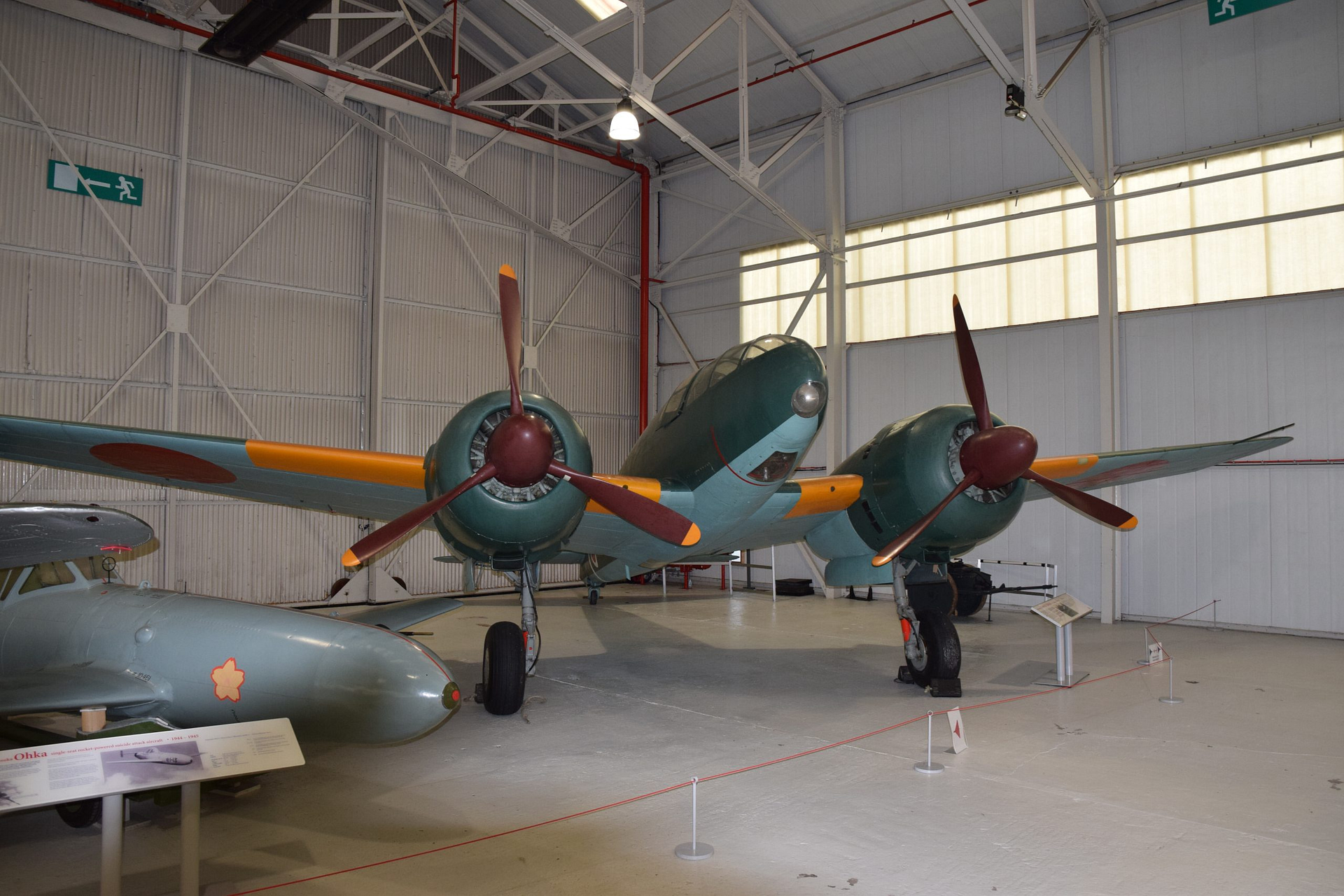
The result was a slender, twin-engine machine of exceptional beauty and even more exceptional performance. Its close-fitting cowlings, wasp-waisted fuselage and large wing tanks gave it a rare combination of high speed, high altitude and very long range. Over China, and later across South-East Asia, the Ki-46 roamed almost at will — and it was working over British Malaya on clandestine high-altitude runs weeks before the attack on Pearl Harbor. Allied crews, who code-named it “Dinah,” struggled to intercept it, and Western historians have since called it one of the most attractive aircraft of the entire war.
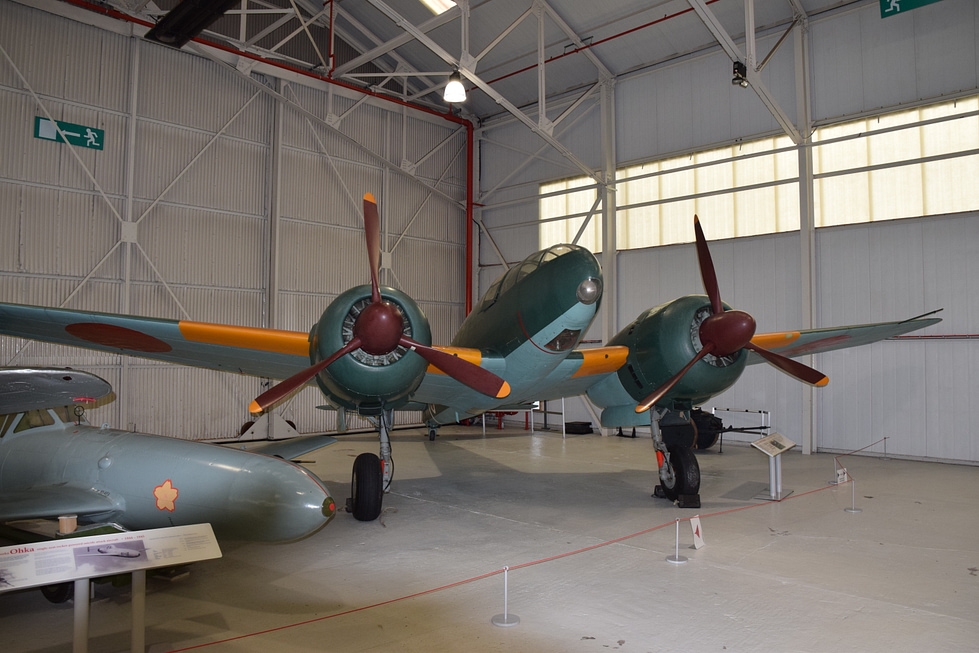
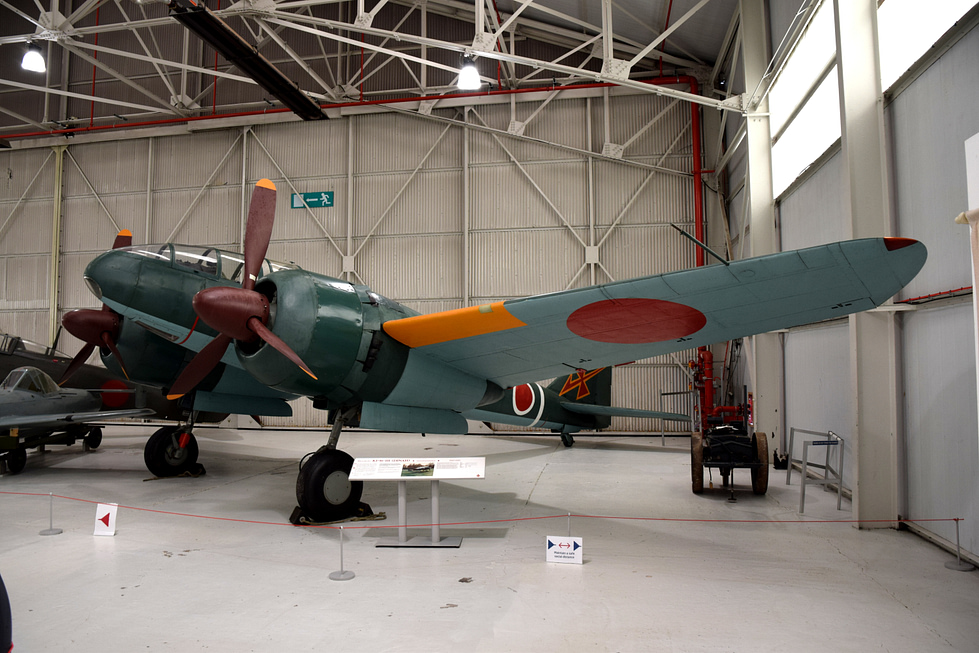
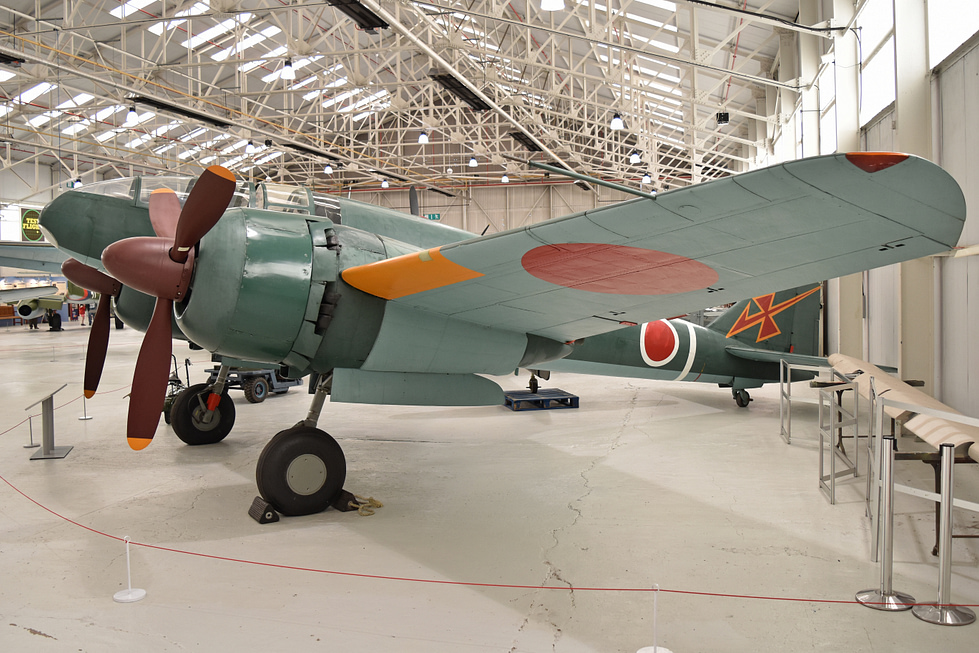
The definitive Ki-46-III of 1942–43 traded its single defensive machine gun for still more speed and fuel. But time caught up with the Dinah: as Spitfires reached northern Australia and American fighters improved, the once-untouchable spyplane began to be shot down. Late in the war a handful were rebuilt as the Ki-46-III-KAI high-altitude interceptor to hunt the B-29 — a role for which it was poorly suited. Today a single Ki-46 survives, preserved at the RAF Museum in Britain: the only Dinah left in the world.
01The Mitsubishi Ki-46 “Dinah”: the spyplane that flew over Malaya before Pearl Harbor
The Dinah went to war before the war officially began. In October 1941 — documented flights on the 20th and 22nd — Ki-46s made clandestine high-altitude reconnaissance runs over British Malaya, photographing airfields, ports and defences ahead of Japan’s planned December offensive. Flying high and fast, they were effectively immune to the fighters of the day, and they handed Japanese planners a detailed picture of the ground they were about to invade. It was exactly the mission the aircraft had been designed for: see everything, and leave before anyone can respond.
What makes the Ki-46 special
Aerodynamics ahead of their time
The Ki-46’s signature was its drag — or rather the lack of it. Working with the University of Tokyo, Kubo’s team wrapped the radial engines in unusually tight, low-drag cowlings and blended them into a slim, wasp-waisted fuselage. The clean lines gave the aircraft its famous good looks and, more importantly, let modest engines push it to remarkable speeds. It remains a textbook example of aerodynamic refinement in a late-1930s design.
Speed and altitude as armour
The Dinah carried almost no defensive armament — and on the Ki-46-III, none at all. The design philosophy was blunt: height and speed were the defence. Cruising near 10,500 m at up to ~630 km/h, it flew above and faster than most interceptors could manage, so a gun would only add weight it could not afford. For years the bet paid off.
Radial power and enormous reach
Early Dinahs used Mitsubishi Ha-26 and then Ha-102 radials; the definitive Ki-46-III switched to the ~1,500 hp Ha-112-II. Combined with large wing tanks, that gave the type a reconnaissance range approaching 4,000 km — enough to reach deep into enemy territory and return, the quality that made it such a valuable strategic asset.
02The Mitsubishi Ki-46’s clean airframe: engineering the drag away
Where many contemporaries bolted engines onto a fuselage, Mitsubishi treated the whole shape as one problem. The nacelles were faired so closely to the wing and the fuselage narrowed so smoothly behind the cockpit that the aircraft looked, in the words of more than one historian, like a piece of sculpture. That refinement was not vanity: reducing drag was what let two mid-power radials carry a two-man crew, cameras and a very large fuel load fast enough and high enough to be nearly uncatchable. The Dinah is routinely ranked among the most beautiful — and most aerodynamically honest — aircraft of the war.
03The Mitsubishi Ki-46-III-KAI: turning a spyplane into a B-29 hunter
As American B-29s began raiding Japan, the Army rebuilt some Ki-46-IIIs into the Ki-46-III-KAI air-defence fighter. It carried two forward-firing 20 mm cannon in the nose and a single 37 mm cannon mounted obliquely to fire upward into a bomber from below — the same idea as the German night-fighters’ Schräge Musik. In practice it was a poor interceptor: it could not climb fast enough to reach B-29 altitude in time, had no radar, no armour and no self-sealing tanks, and its light airframe was never built to absorb the recoil of a 37 mm gun. Results were correspondingly limited.
Full Ki-46 specifications
Airframe & Performance
- Multitud
- 2 (pilot & observer/radio operator)
- Longitud
- 11.00 m
- Envergadura
- 14.70 m
- Altura
- 3.88 m
- Área del ala
- ~32 m²
- Max takeoff weight
- ~6,500 kg (Ki-46-III)
- Max speed
- ~630 km/h (III) · ~604 km/h (II)
- Techo de servicio
- ~10,500 m
- Rango
- ~4,000 km (Ki-46-III)
- First flight
- November 1939
Propulsion & Systems
- Engines
- 2 × Mitsubishi Ha-112-II radial (III)
- Power (each)
- ~1,500 hp (some sources ~1,250)
- Armament (recon)
- None (III) · 1 × 7.7 mm (II)
- Armament (III-KAI)
- 2 × 20 mm + 1 × 37 mm oblique
- Allied reporting name
- “Dinah”
- Built
- ~1,742 (some sources ~1,875), 1939–44
- Unit cost
- No reliable public figure
- Cost per flight hour
- No reliable public figure exists
04The Mitsubishi Ki-46’s operating costs: why no reliable price exists
There is no credible unit cost or cost-per-flight-hour figure for the Ki-46 in the public record. It was a wartime Imperial Japanese Army procurement, and those costs were never published in a form that survives in verifiable Western references. Production totals themselves are debated — commonly given as around 1,742 aircraft, with some sources running higher — so any precise price attached to the Dinah should be treated as guesswork rather than a sourced number.
From untouchable spyplane to B-29 hunter
The requirement
The Imperial Japanese Army issues a specification for a fast, long-range command reconnaissance aircraft able to outrun interception.
First flight
Tomio Kubo’s clean twin-engine prototype flies in November, showing performance well ahead of expectations.
Into service — and over Malaya
The Ki-46-II enters service in July; in October, Dinahs fly clandestine recon over British Malaya before the war begins.
The definitive Dinah
The Ki-46-III appears with Ha-112-II engines, a redesigned nose and extra fuel — the defensive gun deleted for speed.
Losses over Australia
As Spitfires reach the Darwin front, the once-untouchable Dinah is shot down in numbers over northern Australia.
The B-29 interceptor
Some Ki-46-IIIs are rebuilt as the III-KAI with nose and oblique cannon to hunt the B-29; production ends in December.
The last missions
Dinahs fly some of Japan’s final long-range reconnaissance sorties before the surrender in August.
The sole survivor sails
A surrendered Ki-46-III, flown by its former Japanese pilot in RAF markings, is shipped to Britain — where it survives today.
From the archive: twelve Ki-46 Dinah stories
The plane no fighter could catch
For much of the early war the Dinah roamed enemy skies with near impunity.
Read the full story
Spying on Malaya before the war
Dinahs photographed British Malaya weeks before Pearl Harbor.
Read the full story
Beauty admired by its enemies
Allied and Western historians alike rank it among the war’s most beautiful aircraft.
Read the full story
Germany wanted it
Nazi Germany reportedly sought a licence to build the Dinah.
Read the full story
It outran its American captor
A captured Dinah reportedly outpaced its own P-38 chase plane.
Read the full story
A Japanese Schräge Musik
The B-29 interceptor fired a 37 mm cannon obliquely upward.
Read the full story
Why the B-29 hunter failed
The interceptor simply could not do the job asked of it.
Read the full story
Shot down over Australia
As Spitfires arrived, the Dinah’s luck over Darwin ran out.
Read the full story
The gun deleted for speed
On the Ki-46-III, designers removed the defensive gun entirely.
Read the full story
A 2,300 km dash in one morning
A turbocharged prototype flew Peking to Japan in about three hours.
Read the full story
The last eyes on the B-29 bases
Dinahs flew Japan’s final long-range recon over the Marianas.
Read the full story
The survivor that flew for the RAF
The world’s only Dinah was flown to Singapore wearing RAF roundels.
Read the full story
The Ki-46 Dinah in pictures
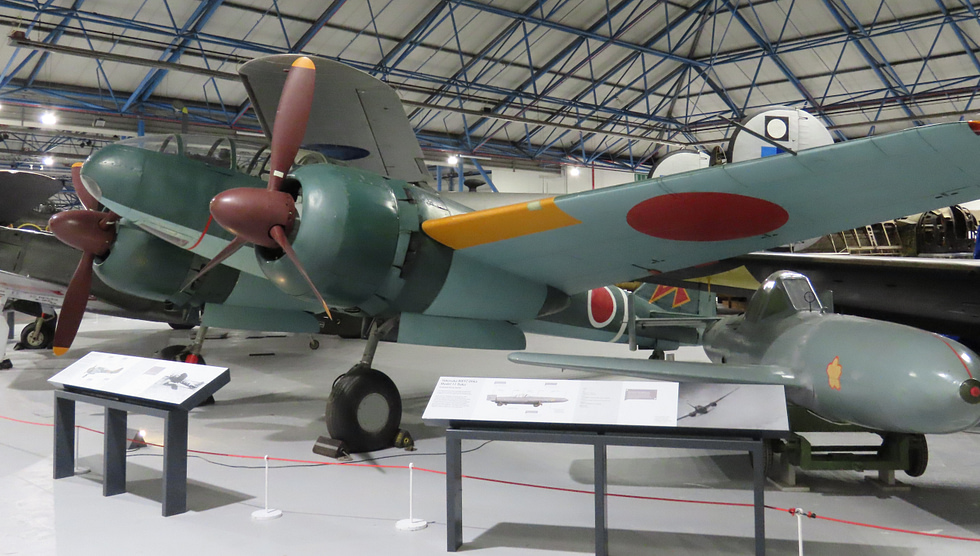
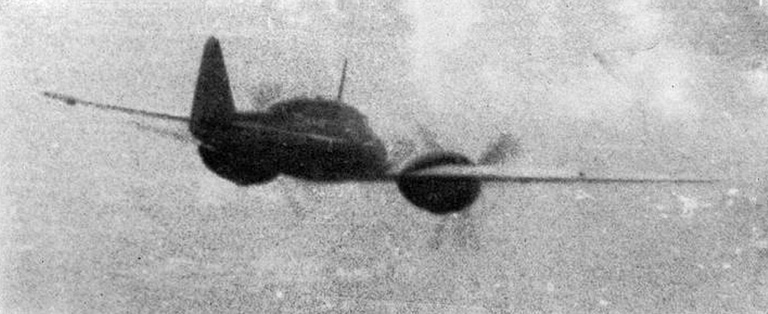
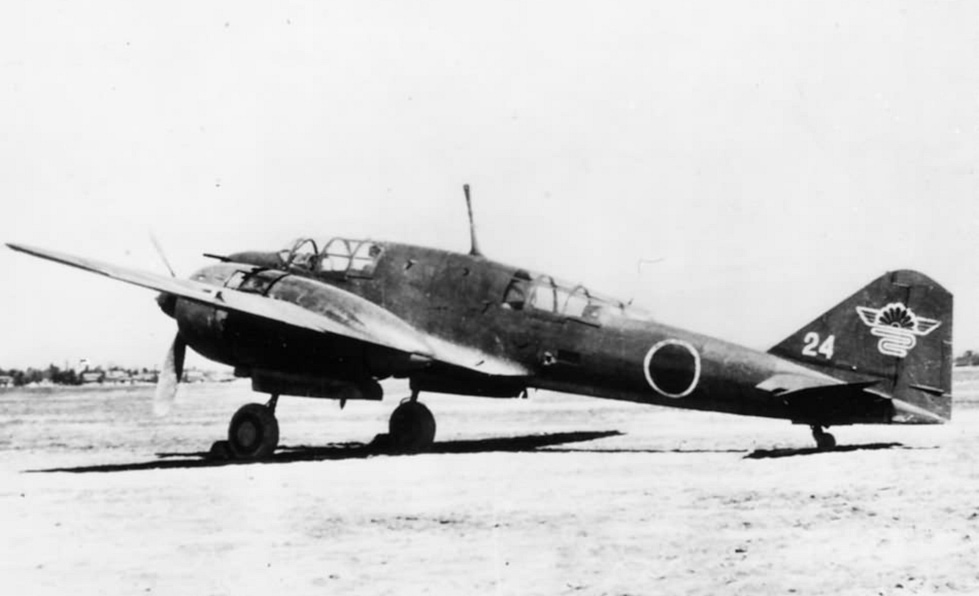
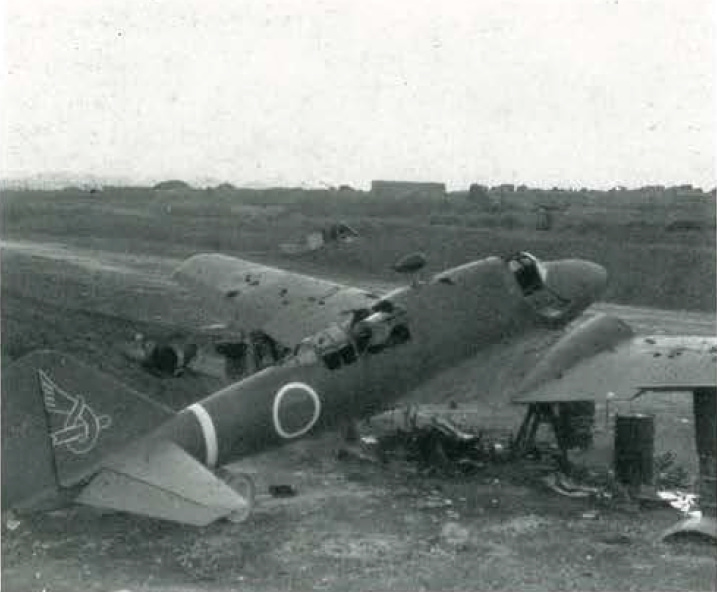
The Ki-46 Dinah in motion
Original wartime film of the Mitsubishi Ki-46 in flight and on the ground. No English documentary of note exists for this obscure type, so we have chosen authentic period footage over narrated reconstructions — the Dinah’s clean lines speak for themselves.
Where the Ki-46 Dinah flew
The record that defines the Ki-46
The Dinah was not a fighter, and its record is not written in kills. It is written in the missions it flew and returned from — the intelligence it gathered over Malaya, China, the Indies and the Marianas, and the years in which it simply could not be caught. Its greatest victories were the interceptions that never happened.
Compare the combat record of every military aircraft. Figures as of 2026.
Everything people ask about the Ki-46 Dinah
Can I fly in a Mitsubishi Ki-46 Dinah?
How fast was the Ki-46?
Why was the Ki-46 so hard to shoot down?
What does the name “Dinah” mean?
Did the Ki-46 fight B-29s?
Was the Ki-46 used before Pearl Harbor?
How many Ki-46 survive today?
How many Ki-46 were built?
You can’t fly the Ki-46 Dinah.
These, you can.
Some legends only live in museums — others are fuelled and waiting. MiGFlug has put civilians in real military jet cockpits since 2004.
 Fly the L-39 AlbatrosThe world’s most-flown jet trainer — aerobatics included
 Fly the F-104 Starfighter“The missile with a man in it”
 Fly the MiG-21The Cold War’s most-produced jet
 Vuela el T-33 Shooting StarAmerica’s first jet trainer
 Fly the DH VampireA piece of early jet history
 Fly the S.211Agile Italian jet trainer
 Fly the MB-326The classic Aermacchi jet
 Fly the MiG-15The Soviet legend of the Korean War
Continue the tour
Every fact, checked
- RAF Museum — Mitsubishi Ki-46 collection recordPrimary reference for the sole surviving airframe and its display.
- RAF Museum — individual airframe history (PDF)Full provenance of the survivor: surrender in Malaya, flight to Singapore, shipment to Britain.
- History of War — Mitsubishi Ki-46Design, variants, operational history and the pre-war Malaya flights.
- The Pacific War Online EncyclopediaSpecifications, engine data and production figures.
- Military Factory — Mitsubishi Ki-46Variant breakdown and the Ki-46-III-KAI interceptor armament.
- Aeropedia — Mitsubishi Ki-46 DinahAustralian-front losses and the postwar captured-aircraft test anecdote.
- Key Aero — rare Japanese types moved to LondonThe survivor’s recent relocation from Cosford to the RAF Museum London.
- National Museum of the US Air ForceReference for captured and evaluated Japanese aircraft of the period.