
Nanchang Q-5
“Fantan”
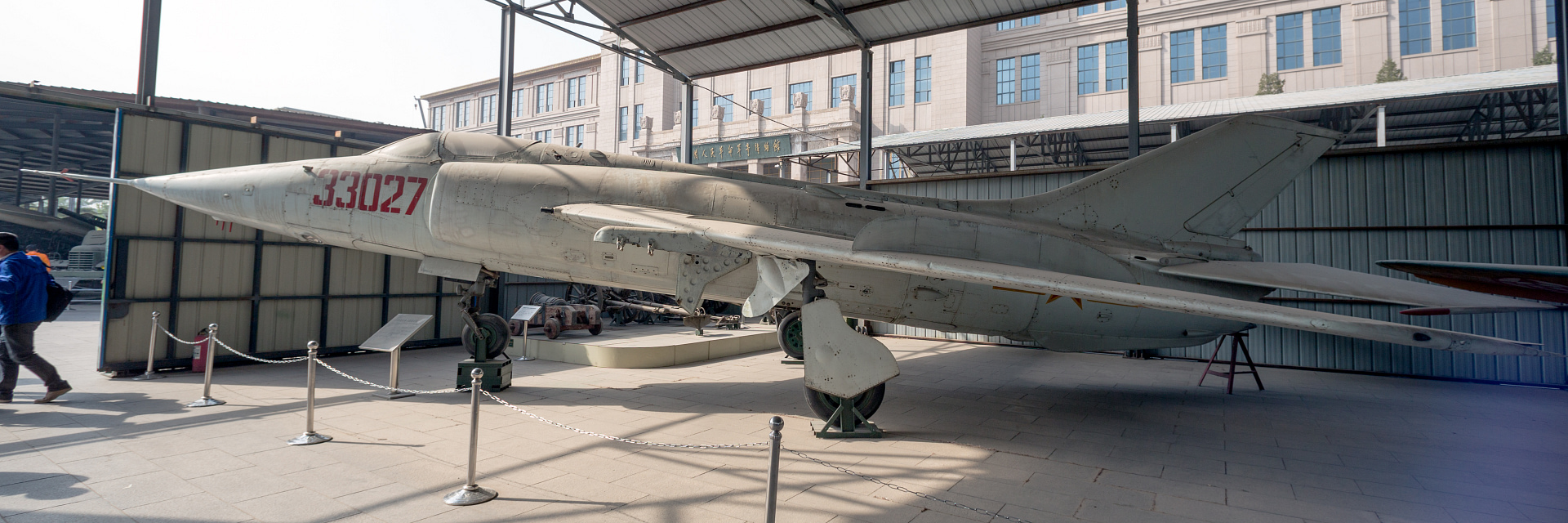
China’s first home-designed supersonic ground-attack aircraft — a heavily reworked MiG-19 with a solid nose, side intakes and an internal bomb bay, exported as the A-5 and flown from Pakistan to Sudan.
The Nanchang Q-5: China’s first home-grown supersonic attacker
By the late 1950s China’s young aircraft industry had learned to build Soviet fighters under licence, but it had no dedicated aircraft for the battlefield-support mission — a fast jet to strike troops, armour and airfields at low level. Around 1958 the Nanchang factory (NAMC, later part of Hongdu) was tasked with designing one, and it took as its starting point the aircraft it already knew best: the MiG-19, built in China as the Shenyang J-6. The new attacker would keep the J-6’s wings, tail surfaces and twin engines, but almost everything forward of the wing would be redrawn.
That redraw is what makes the Q-5 a distinct aircraft rather than a J-6 variant. Engineers deleted the MiG-19’s single nose intake and moved the air inlets to twin semicircular ducts on the fuselage sides, which freed the nose for a solid, pointed radome and gave the pilot a clear view downward for aiming at ground targets. The fuselage was lengthened and area-ruled — given the pinched “wasp-waist” shaping that eases the jump through the sound barrier — and a small internal weapons bay was built in, an unusual feature for a light attack jet of its generation. The changes added weight and shaved a little off the top speed, but they turned an interceptor airframe into a supersonic attacker.
Progress was anything but smooth. The programme was suspended amid the economic turmoil of the early 1960s, then revived; the prototype finally flew on a date commonly cited as 4 June 1965, after which the disruption of the Cultural Revolution slowed the aircraft’s path into squadrons. The Q-5 (from Qiang-5, “attack aircraft No. 5”) entered service around 1970, and over the following decades roughly 1,300 were built in a long line of variants for the PLA Air Force and Navy.
One branch of the family took on a very different task. A small number of Q-5A airframes were modified to carry a single tactical nuclear bomb, delivered by a toss or “loft” manoeuvre that flung the weapon ahead of the aircraft so the pilot could turn and escape the blast; these machines reportedly wore an all-white anti-flash scheme. Chinese and secondary accounts state that a Q-5 carried out an aircraft-delivered nuclear test in January 1972, though the exact details are hard to verify from open sources, and the nuclear-delivery role was reportedly wound down by the end of the 1970s.
Where the Q-5 became best known internationally was as an export product. Sold abroad as the A-5 (the upgraded A-5C being the main export model), it was bought by Pakistan, which became the largest foreign operator, and by Bangladesh, Myanmar and Sudan; North Korea is also reported to have received the type, though this is not well documented. The A-5C could be fitted with Western-compatible pylons and, for some customers, Western short-range missiles, bolting newer weapons onto a fundamentally 1960s airframe.
The Fantan’s combat career was written mostly in other air forces’ colours. Sudan used its A-5s for ground-attack sorties during the conflict in Darfur, and Myanmar employed the type in counter-insurgency operations; Pakistan’s A-5Cs served in the strike role but have no confirmed record of combat use. In China the type was steadily replaced by newer aircraft such as the JH-7, and the PLA is generally reported to have retired its remaining Q-5s around 2017, closing out nearly half a century of service.
01The Nanchang Q-5’s lineage: how it relates to the MiG-19 and Shenyang J-6
The Q-5 is best described as heavily derived from the MiG-19 — the Soviet fighter China built as the Shenyang J-6 — rather than a copy of it. From the wing root aft, the two aircraft are closely related: the Q-5 shares the J-6’s swept wing, tail surfaces and its pair of WP-6 turbojets. Forward of the wing, it is essentially a new design.
The defining differences are structural. The MiG-19/J-6 breathes through a nose intake; the Q-5 moves the intakes to the fuselage sides and fits a solid nose. The Q-5’s fuselage is longer and area-ruled, and it carries a small internal bomb bay the fighter never had. The result is a dedicated attack aircraft: heavier and slightly slower than the J-6, but configured to find and hit targets on the ground. Calling it a “J-6 copy” understates the redesign; calling it “all-new” overstates it. Heavily reworked from a shared foundation is the accurate description.
What makes the Q-5 special
Side intakes and a solid nose
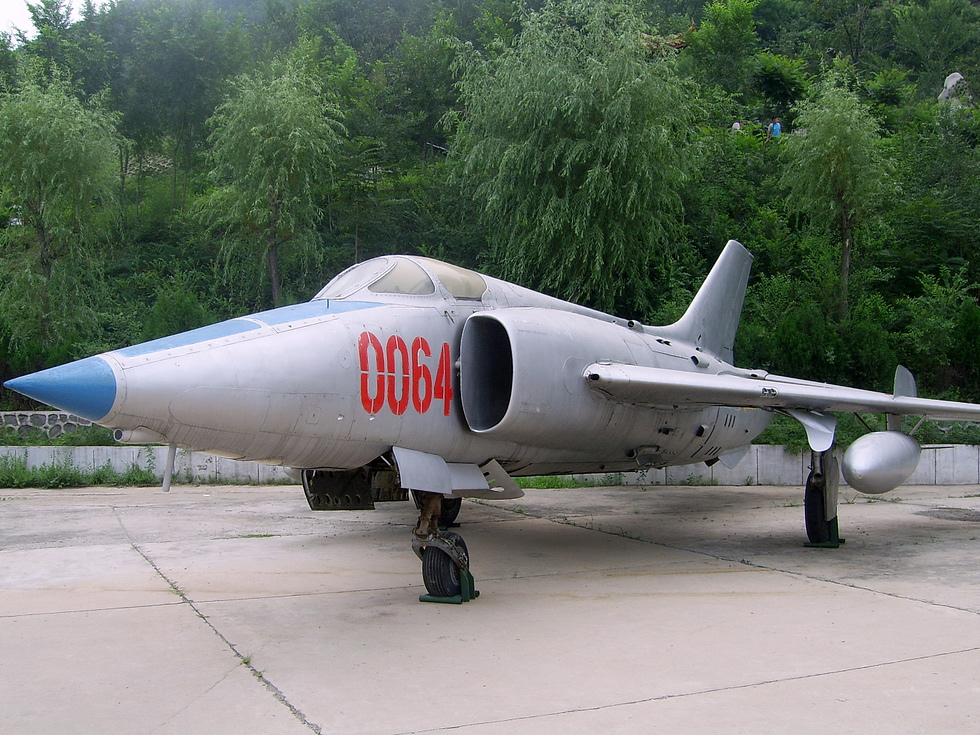
The single most consequential change from the MiG-19 was moving the air intakes from the nose to the fuselage sides. That freed the nose for a solid, pointed radome housing avionics and gave the pilot a clear downward view for ground attack. Combined with a lengthened, area-ruled fuselage, it turned an interceptor airframe into a supersonic attacker — at the cost of a little top speed.
An internal weapons bay
Unusually for a light attack jet of its era, the Q-5 was built with a small internal bomb bay in the fuselage, enlarged on the Q-5A to a load commonly cited at around 1,000 kg. The same bay allowed a semi-recessed fit for the tactical nuclear weapon carried by the specially modified nuclear-delivery airframes.
Twin WP-6 engines for the low-level dash
Power came from two Shenyang/Liming WP-6 afterburning turbojets, each around 31.9 kN (about 3,250 kgf) in reheat — the same engine family as the J-6. Two engines gave the thrust for a low-altitude supersonic run-in and the redundancy a single-engine attacker would lack, making the Q-5 China’s first indigenous supersonic dedicated ground-attack aircraft.
02The Q-5’s nuclear mission: the anti-flash Fantan and the 1972 test
A small number of Q-5A airframes — reportedly a few dozen — were modified as tactical nuclear-weapon carriers. The delivery method was a toss or loft manoeuvre: the aircraft would pull up and release the bomb on an upward arc, throwing it several kilometres ahead so the pilot could reverse and escape the detonation. These aircraft reportedly wore an all-white anti-flash finish to reflect the heat of a nuclear flash.
Chinese and secondary sources state that a Q-5 conducted an aircraft-delivered nuclear test in January 1972, using the loft technique. The precise date, yield and number of nuclear-capable airframes vary between accounts and are difficult to confirm from open sources, so the episode is best treated as reported rather than firmly documented. The dedicated nuclear-delivery role was reportedly suspended toward the end of the 1970s.
03The A-5C export Fantan: Western pylons on a Chinese airframe
The main export version, the A-5C, was tailored for foreign customers whose weapons and standards differed from China’s. It could be fitted with NATO-compatible pylons and, for operators such as Pakistan, Western short-range air-to-air missiles like the AIM-9 Sidewinder or the French R550 Magic, alongside the aircraft’s own bombs and rockets. Export A-5Cs typically carried more hardpoints than the early Chinese Q-5 — up to around ten — and improved avionics.
The effect was to graft newer weapons and equipment onto what remained a 1960s design. It made the A-5C a serviceable low-cost strike aircraft for smaller air forces through the 1980s and beyond, even as more modern types rendered the basic airframe obsolete in first-rank service.
Full Nanchang Q-5 / A-5 specifications
Airframe & Performance
- Multitud
- 1 (two-seat trainers exist)
- Longitud
- ~15.65 m (A-5C ~16.25 m)
- Envergadura
- ~9.68–9.70 m
- Altura
- ~4.33–4.52 m
- Peso vacío
- ~6,375–6,494 kg
- Max takeoff weight
- ~11,830–12,000 kg
- Max speed
- ~Mach 1.1 · ~1,190 km/h at altitude
- Techo de servicio
- ~15,850–16,500 m
- Radio de combate
- ~400 km lo-lo-lo (variant-dependent)
- Ferry range
- ~2,000 km
Propulsion & Systems
- Engines
- 2 × Shenyang/Liming WP-6
- Thrust (each)
- ~31.9 kN with afterburner
- Cannon
- 2 × 23 mm Type 23-2K (wing roots)
- Internal bay
- Small fuselage bay (~1,000 kg on Q-5A)
- Puntos duros
- 6–10 · ~2,000 kg ordnance
- Missiles
- PL-2 / PL-5; A-5C also AIM-9 / R550 Magic
- First flight
- Commonly cited 4 June 1965
- Built
- ~1,300 (from ~1965)
- Unit cost
- No reliable public figure
- Cost per flight hour
- No reliable public figure
04The Q-5’s operating costs: why no reliable price exists
The Q-5 was a Chinese state product built for the PLA, and where it was sold abroad it was through government-to-government arms deals rather than an open market. As a result there is no meaningful published flyaway unit price y no credible cost-per-flight-hour figure for the type. Its appeal to export customers was precisely that it was cheap to buy and simple to operate — a low-cost supersonic strike aircraft for air forces that could not afford Western or later Soviet types — but the actual contract values were rarely disclosed. Any precise dollar figure attached to a Q-5 or A-5 online should be read as an estimate.
From drawing board to export attacker
Programme launched
Nanchang is tasked with designing China’s first dedicated supersonic attack aircraft, taking the MiG-19 / Shenyang J-6 as its structural starting point.
First flight
After a suspension and revival in the early 1960s, the prototype flies on a date commonly cited as 4 June 1965.
Enters service
The Q-5 joins the PLA Air Force and Navy as a low-level supersonic attacker, its development slowed by the Cultural Revolution.
Nuclear delivery test
A specially modified Q-5A reportedly carries out an aircraft-delivered nuclear test in January, using a toss-bombing manoeuvre; details are hard to verify from open sources.
Nuclear role wound down
The dedicated nuclear-delivery mission is reportedly suspended as China’s tactical nuclear posture evolves.
Pakistan buys the A-5C
Pakistan begins receiving around 52 A-5C Fantans, becoming the largest export operator; further deliveries follow into the 1980s.
More export customers
Bangladesh (from 1986), Myanmar (from the mid-1990s) and Sudan (from 1989) acquire the A-5; North Korea is also reported to have received the type.
Retirement
Newer aircraft such as the JH-7 replace the Q-5; the PLA is generally reported to have retired its remaining Fantans around 2017, while some export operators fly on.
Twelve Q-5 Fantan stories
China’s first home-grown attacker
The Fantan was the PLA’s first indigenously designed supersonic ground-attack jet.
Read the full story
Not a copy: redesigning the MiG-19
The Fantan shares wings and engines with the J-6 but is a new aircraft from the wing forward.
Read the full story
The wasp-waist and the side intakes
Area-ruling and relocated inlets were the surgery that made supersonic attack possible.
Read the full story
The bomb bay nobody expected
A light attack jet with an internal weapons bay — unusual for its class and era.
Read the full story
The white Fantan
A handful of Q-5s were painted anti-flash white to drop a nuclear bomb and run.
Read the full story
Fantan for sale
When Cold War arms markets were closing, the cheap A-5 found buyers across Asia and Africa.
Read the full story
The largest foreign operator
Pakistan flew more than fifty A-5Cs across three squadrons for nearly three decades.
Read the full story
Fire over Darfur
The Fantan’s clearest combat use flew under Sudanese, not Chinese, colours.
Read the full story
Two guns in the wing roots
The Fantan kept a pair of 23 mm cannon for the close-in strafing pass.
Read the full story
One airframe, many missions
From naval torpedo carriers to upgraded avionics, the Q-5 spawned a long family.
Read the full story
The bombs that crossed a border
A Myanmar Fantan strike spilled across the Chinese frontier in 2015.
Read the full story
Flown to 2017
The Fantan faded slowly, from front-line striker to museum static and export veteran.
Read the full story
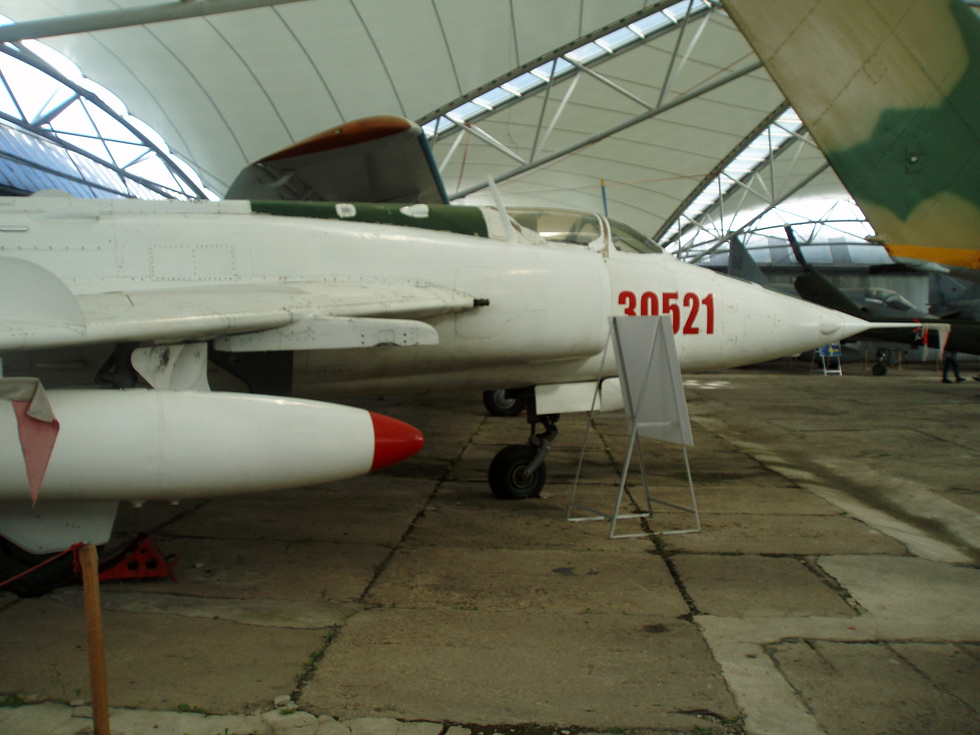
The Q-5 Fantan in pictures
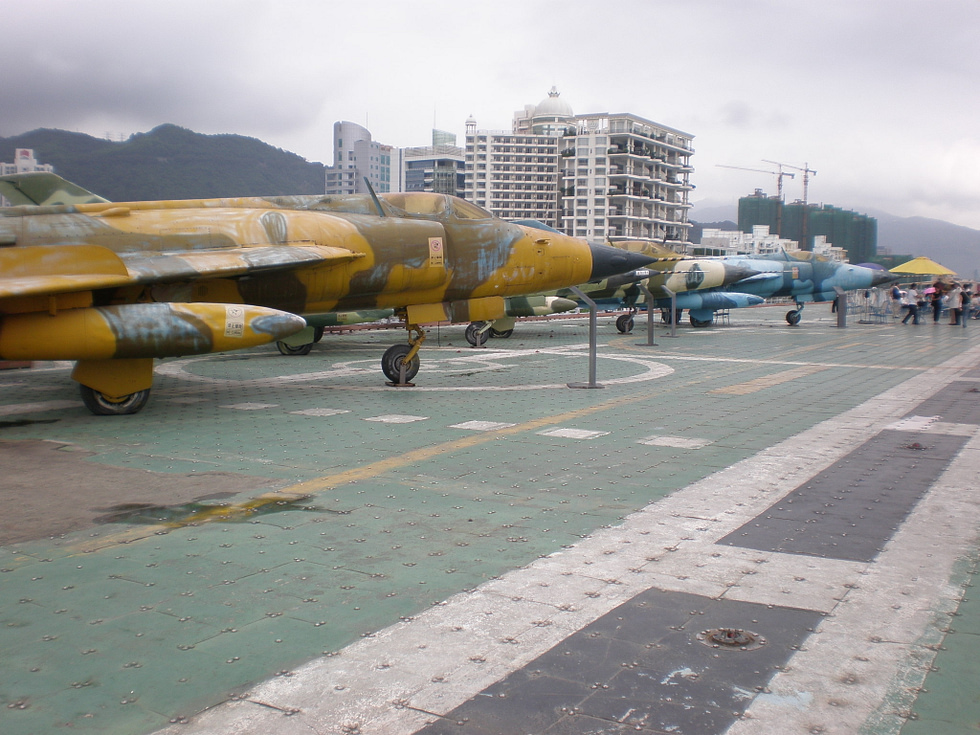
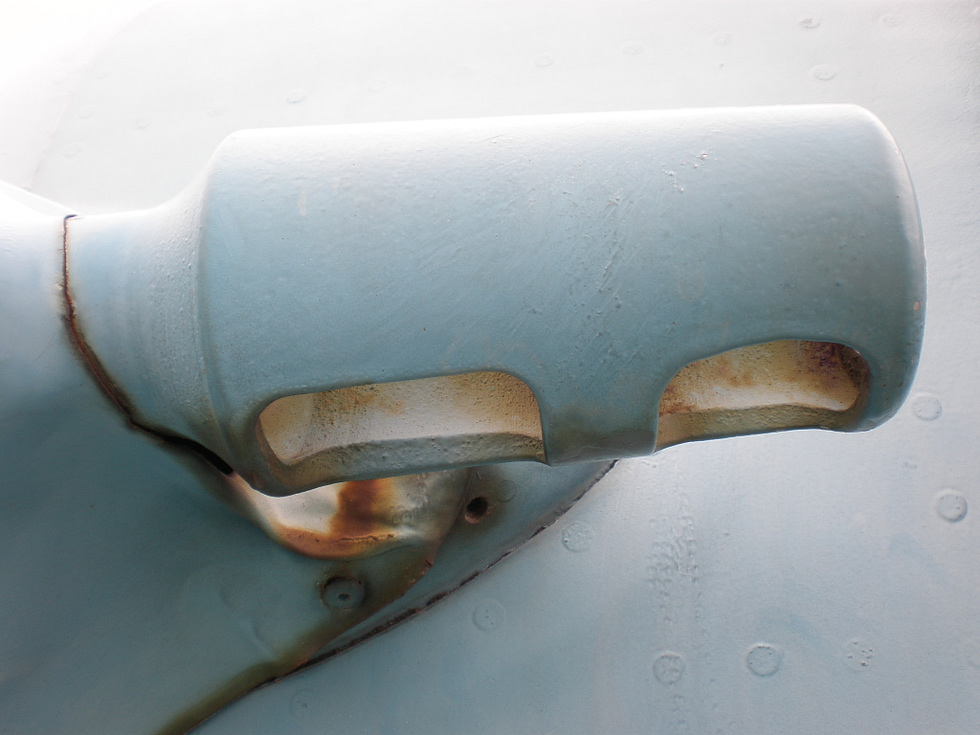
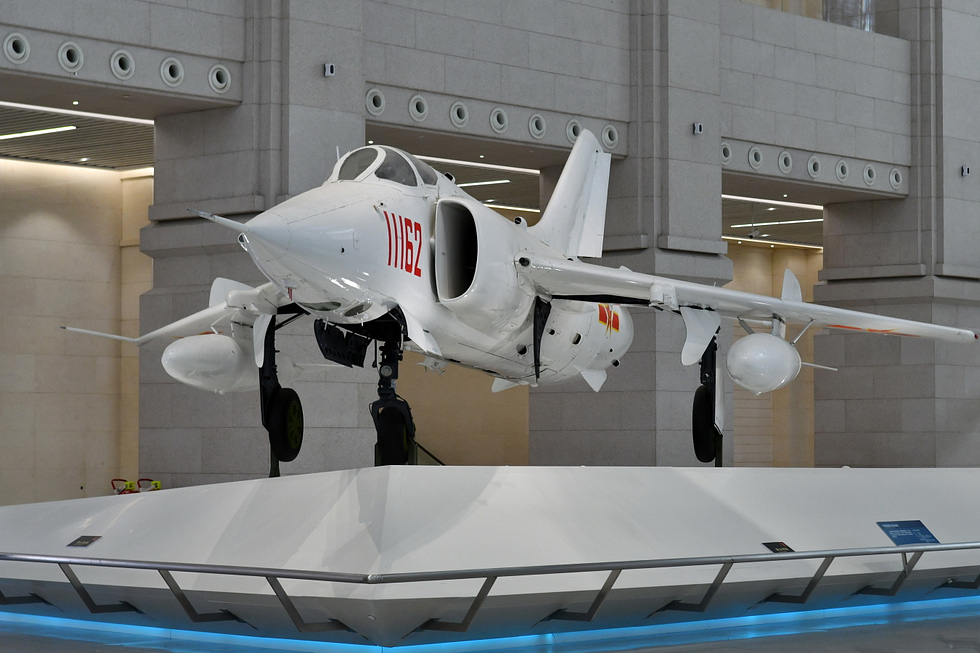
Where the Q-5 Fantan flew
An attacker used more abroad than at home
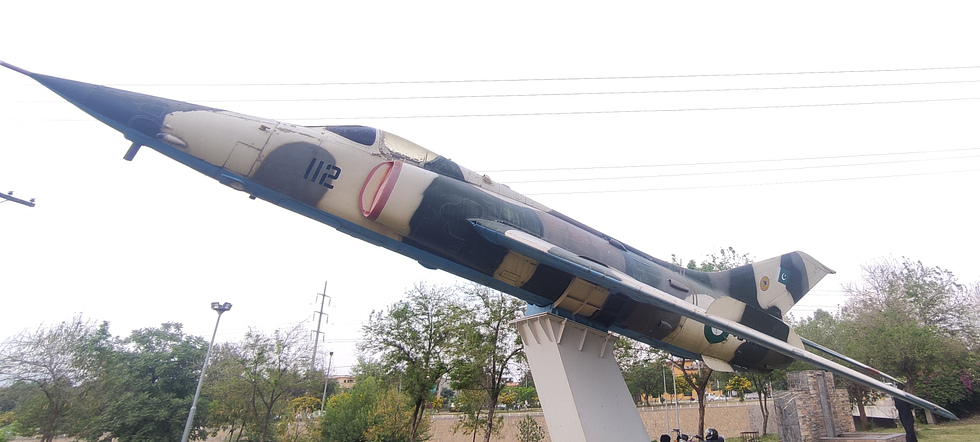
The Q-5 has no record of air-to-air victories — that was never its job. As a ground-attack aircraft its service is measured in strike sorties, and most of its actual combat use came in the hands of export customers rather than China. Sudan flew its A-5s in the ground-attack role during the conflict in Darfur, and Myanmar used the type in counter-insurgency operations, including a 2015 strike whose ordnance spilled across the border into China. Pakistan, the largest operator, flew the A-5C in the strike role for nearly three decades but has no confirmed record of combat use.
See the wider combat record of every military aircraft. Combat use is described here neutrally and at the level the open sources support.
Everything people ask about the Q-5 Fantan
Can I fly in a Q-5?
What is the Nanchang Q-5 (A-5 Fantan)?
Is the Q-5 the same as the MiG-19 or J-6?
Could the Q-5 carry nuclear weapons?
Which countries flew the A-5?
Is the Q-5 still in service?
You can’t fly the Q-5.
These, you can.
Some legends only live in museums — others are fuelled and waiting. MiGFlug has put civilians in real military jet cockpits since 2004.
 Fly the L-39 AlbatrosThe world’s most-flown jet trainer — aerobatics included
 Fly the F-104 Starfighter“The missile with a man in it”
 Fly the MiG-21The Cold War’s most-produced jet
 Vuela el T-33 Shooting StarAmerica’s first jet trainer
 Fly the DH VampireA piece of early jet history
 Fly the S.211Agile Italian jet trainer
 Fly the MB-326The classic Aermacchi jet
 Fly the MiG-15The Soviet legend of the Korean War
Continue the tour
Every fact, checked
- GlobalSecurity.org — Q-5 DesignThe MiG-19 / J-6 redesign, area-ruling, side intakes, dimensions and the loss of top speed.
- GlobalSecurity.org — Q-5 VariantsVariant breakdown, the internal bay, and the nuclear-carrier role and January 1972 test.
- GlobalSecurity.org — Pakistan A-5Pakistani A-5C numbers, squadrons and service.
- MILAVIA — Q-5 / A-5C specificationsA-5C dimensions, weights, WP-6 thrust, speed, ceiling and armament.
- MilitaryFactory — Nanchang Q-5First-flight date, production total, performance figures and operator list.
- War Thunder Wiki — History of the export Fantan (A-5C)Detailed export and operator numbers for Pakistan, Bangladesh, Myanmar, Sudan and North Korea.
- Federation of American Scientists — Q-5 special weaponsReference for the nuclear-modified Q-5A and the tactical delivery role.
- The National Interest — The Nanchang Q-5Anti-flash scheme, combat use in Darfur and Myanmar, and PLAAF service into the 2010s.