
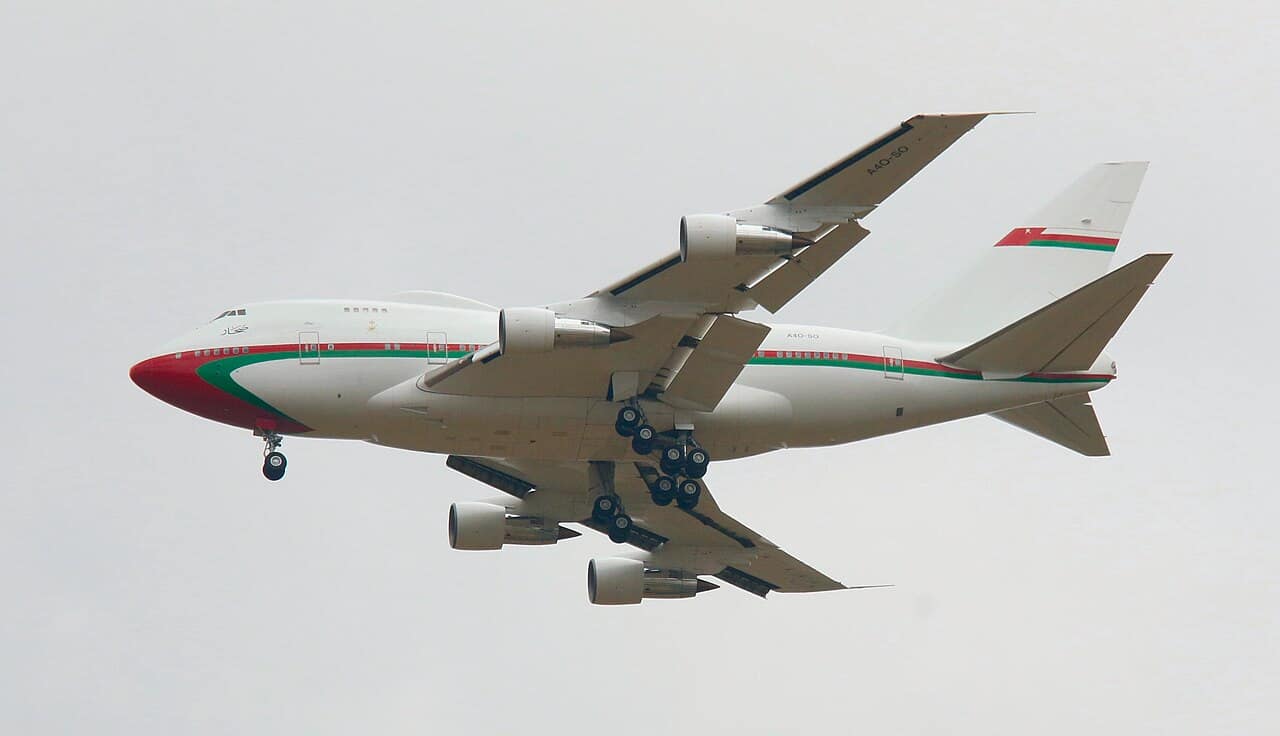
Boeing took its most famous creation, the mighty 747 “Jumbo Jet,” and did something almost sacrilegious: it sawed nearly 50 feet out of the middle. The result was a stubby, oddly proportioned jumbo that looked like a 747 caught in a funhouse mirror, and it could fly farther than any airliner of its day. This was the Boeing 747SP, and its initials stood for exactly what it delivered: Special Performance.
Lighter and longer-legged than its full-size sibling, the little jumbo set round-the-world records, opened up impossible nonstop routes, and finished its career carrying a telescope to the edge of the sky.
Quick Facts: Boeing 747SP
- What: A shortened, ultra-long-range Boeing 747
- Shorter by: About 47 feet (14 m) versus the 747-100
- Range: Roughly 7,000 miles
- Into service: 1976, with Pan Am
- Built: Only 45
- Second career: NASA’s SOFIA flying telescope
Special Performance
The 747SP was born from a very specific dream. In the mid-1970s Pan Am wanted to fly nonstop between New York and Tokyo, two of the busiest cities on Earth, but no jumbo could quite manage it with a full load. Boeing’s answer was to trim the 747’s fuselage by around 47 feet, cutting weight and adding fuel, then give it a taller tail to keep it stable. The shorter, lighter jet could carry roughly 233 passengers over about 7,000 miles.
Records around the world
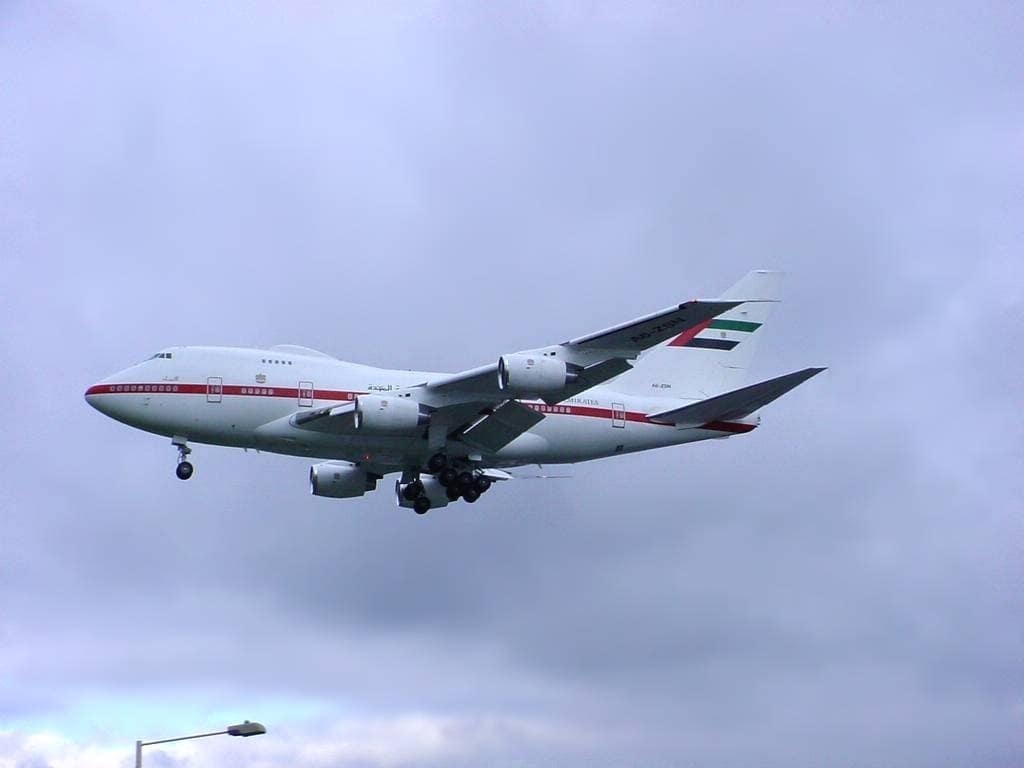
The little jumbo wasted no time rewriting the record books. In March 1976 a South African Airways 747SP flew nonstop from Seattle to Cape Town, over 10,000 miles. Weeks later, Pan Am’s Clipper Liberty Bell circled the entire planet in around 46 hours, and in 1977 another SP flew a polar circumnavigation of the globe. For a few years, if you wanted to cross the world’s longest gaps without stopping, the 747SP was the only jet that could do it.
Its reign was short. Only 45 were ever built, and as more efficient long-range twins arrived, the thirsty little four-engined jumbo lost its purpose. But its story was not over.
From airliner to observatory
One 747SP found the most extraordinary second life of all. Originally delivered to Pan Am and christened Clipper Lindbergh, it was rebuilt by NASA and the German space agency into SOFIA, the Stratospheric Observatory for Infrared Astronomy. A huge door in the rear fuselage opened in flight to expose a 17-tonne reflecting telescope, and the jet flew above 99 percent of the water vapour that blocks infrared light from the ground. For eight years it was the largest flying telescope in the world, until NASA retired it in 2022.

The runt of the jumbo litter turned out to have the longest legs, and the most surprising destiny, of them all. Few aircraft have flown so far, in so many senses, as the stubby little 747 that Boeing dared to cut down to size.
Sources: Simple Flying, NASA, This Day in Aviation, Wikipedia.



0 Comments