
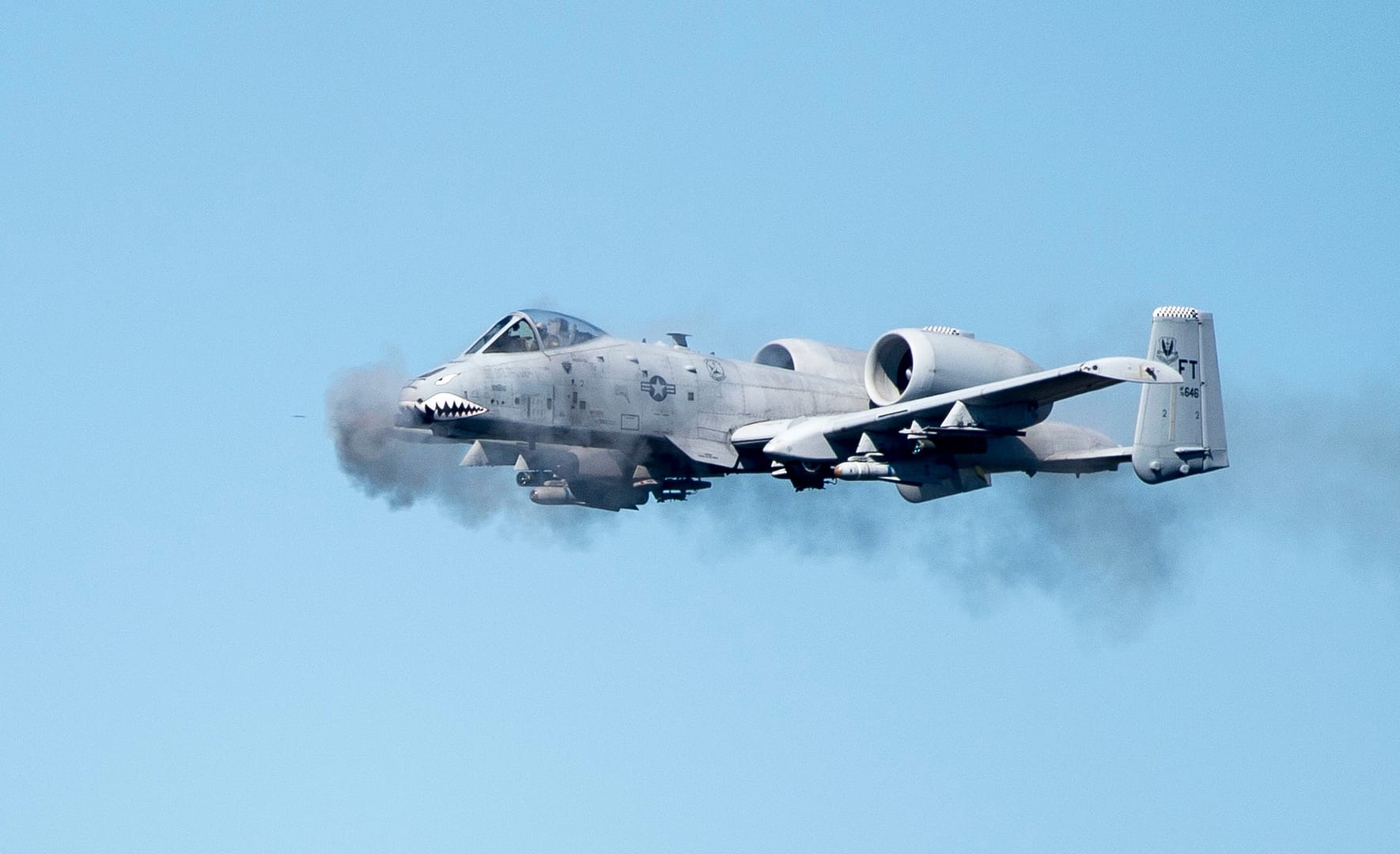
On June 12, 2026, eleven A-10C Thunderbolt IIs touched down at RAF Lakenheath in England, pausing on the long flight home to Georgia after a war. They had left as plain grey jets. They came back as something else entirely.
Each Warthog now wore a freshly painted nose: a gallery of Nintendo villains, a tally of bombs dropped, and — on one jet — two small ship silhouettes marking a pair of dead Iranian boats. After months in the CENTCOM area of responsibility flying Operation Epic Fury, the 75th Fighter Squadron had come home decorated, in every sense of the word.
Quick Facts
- Aircraft: 11 A-10C Thunderbolt IIs, 75th Fighter Squadron, 23rd Wing, Moody AFB, Georgia
- Deployment: CENTCOM — Operation Epic Fury (the Iran air war), plus missions over Iraq and Syria
- Nose art applied: at Muwaffaq Salti Air Base, Jordan
- Theme: Nintendo / Super Smash Bros. characters — Samus, Kirby, King Dedede, Sephiroth, Fox, Ridley and more
- Standout: “Samus” carries two Iranian-vessel kill marks from maritime strikes in the Strait of Hormuz
A Squadron of Video-Game Villains
Following a tradition as old as combat aviation itself, the Moody-based Warthogs picked up their war paint during a stopover at Muwaffaq Salti Air Base in Jordan. The theme this time: Super Smash Bros. The roster reads like a Nintendo fever dream — “King Dedede,” “Samus,” “Kirby,” “Sephiroth,” “Fox,” “Diddy Kong,” “Lil Mac” and “Ridley,” with a few outliers like “Macho Man” and “Doc Holiday” thrown in.
It is gloriously absurd, and entirely on brand for a community that named its signature 30mm cannon’s sound “BRRRT.”
Samus and the Two Iranian Boats
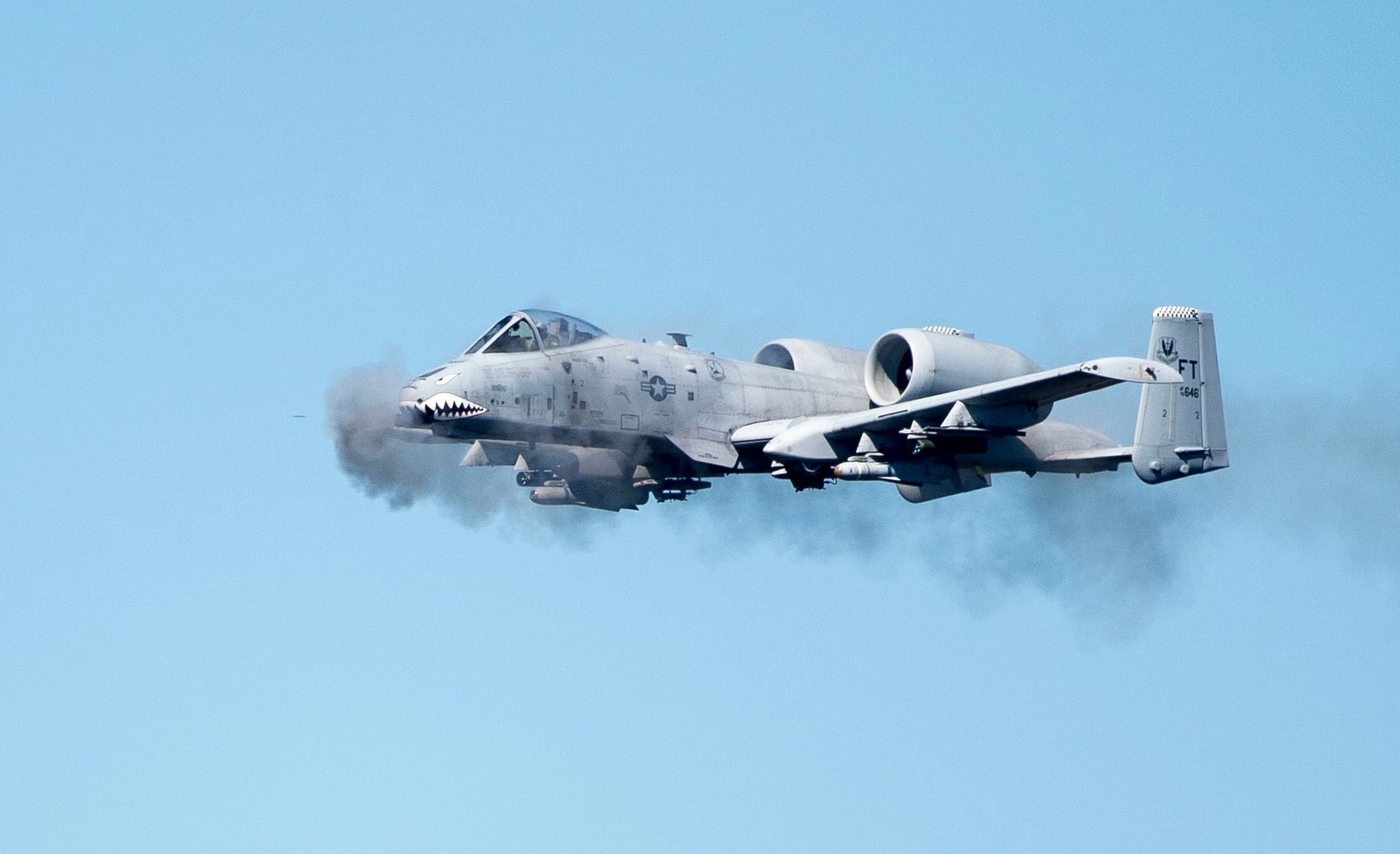
The most eye-catching marking belongs to “Samus.” Below the canopy, alongside the usual bomb tally, sit two ship silhouettes — kill marks for two Iranian vessels. That is not a role the A-10 is famous for. The Warthog was built to kill Soviet tanks, not boats.
But during Epic Fury the A-10s took on a maritime-strike mission, hunting Iranian fast-attack craft in the choke point of the Strait of Hormuz. The jet’s low-speed agility, long loiter time and precise weapons make it surprisingly good at swatting small, fast boats — exactly the kind of swarming threat that keeps naval planners awake at night.
Reading the Bomb Tally
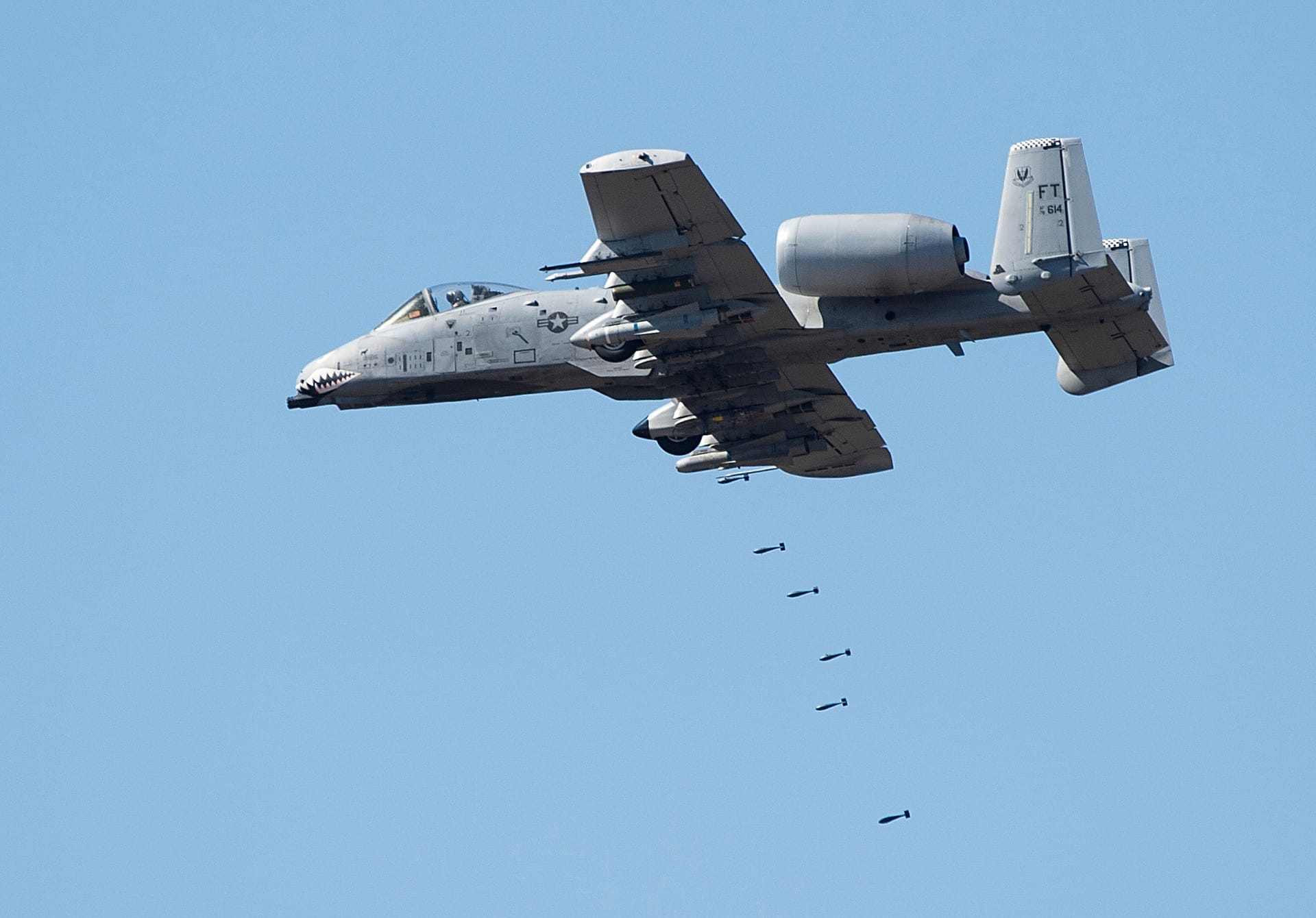
The rows of little bomb stencils are a war diary in pictograms. Analysts who pored over the photos counted what look like 2,000-lb JDAMs, smaller GBU-38 and GBU-54 guided bombs, AGM-65 Maverick missiles, laser-guided APKWS rockets, and an awful lot of 30mm gun symbols. A few jets even carried markings for MALDs — Miniature Air-Launched Decoys that mimic friendly aircraft to bait enemy air defenses.
One Jet That Didn’t Come Home
Not every Warthog returned. A jet nicknamed “Toad,” featured in official imagery back in March, was conspicuously absent from the formation — and may be the A-10 reported lost during the air war over Iran. The deployment was not without cost.
One marking, on the jet named “Ridley,” is quieter than the rest: a small F-15E tail with the words “So others may live.” It is a nod to the rescue of DUDE 44, the Strike Eagle crew shot down over Iran. Beneath the cartoon villains and the BRRRT bravado, that little painting is a reminder of what these machines — and the people who fly them — actually do.
Sources: The Aviationist; U.S. Central Command; Moody Air Force Base; U.S. Air Force.


 English
0 Comments