
Quick Facts
- What: FY2027 NDAA markup by House Armed Services Committee (7 June 2026)
- A-10 mandate: Sustain training, testing, Weapons School, and maintenance through 2030
- Transfer clause: Retiring A-10s must be evaluated for transfer to other military branches
- Right-to-repair: New measures expanding military’s authority to maintain its own equipment
- C-UAS funding: Expanded counter-drone initiatives, low-cost interceptor development
- Current A-10 fleet: ~162 aircraft remaining in USAF inventory
The Immortal Hog
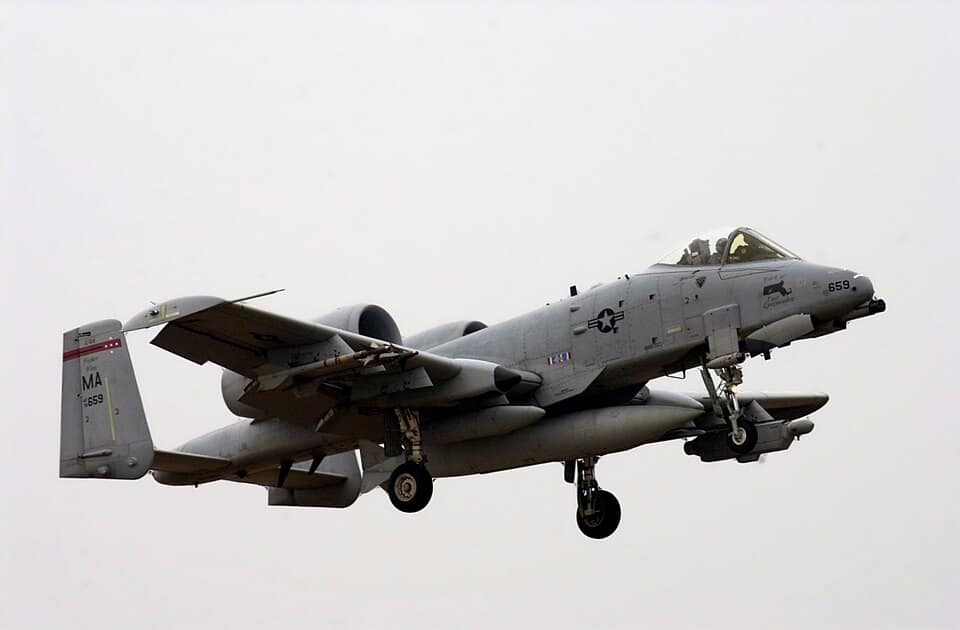
The A-10 Thunderbolt II has been on the Air Force’s chopping block since 2014. Every budget cycle brings a new retirement proposal. Every budget cycle, Congress says no. The pattern is so established it has become a Washington punchline — but the latest intervention goes further than any previous save. The FY2027 NDAA doesn’t just block retirements. It requires the Air Force to sustain the entire A-10 ecosystem: training new pilots, maintaining Weapons School courses, continuing operational testing, and keeping depot maintenance lines open. The service had already begun winding down A-10 training, closing the pipeline for new Warthog pilots. Congress is now ordering them to reverse that.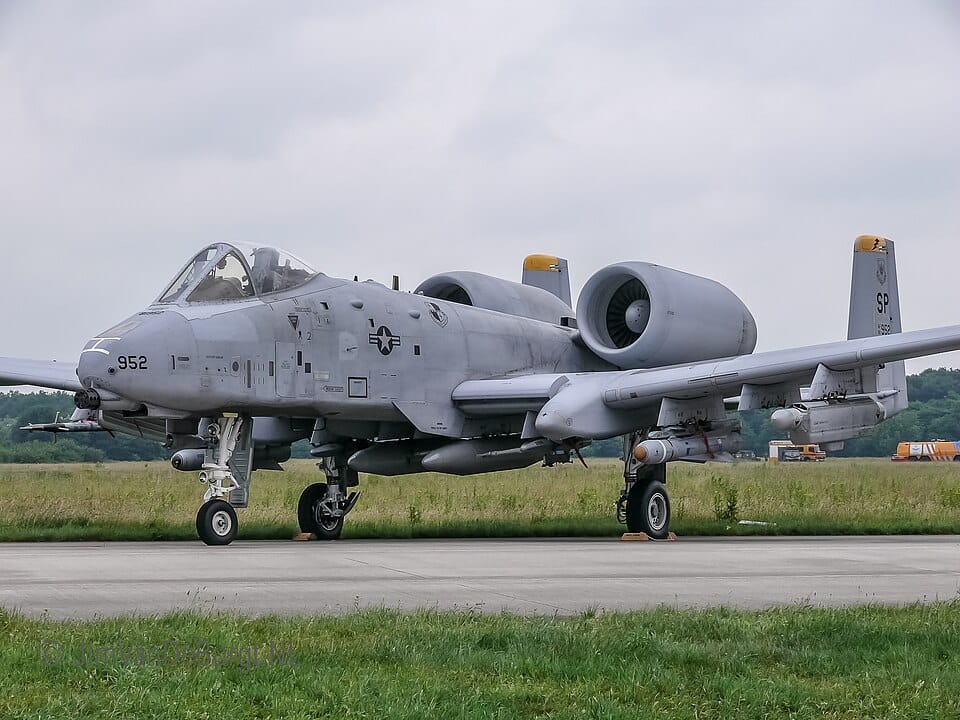
Right to Repair, Right to Fight
The A-10 provisions grabbed headlines, but the right-to-repair amendment may have longer-lasting impact. The measure expands the military’s legal authority to maintain and repair its own equipment without relying exclusively on original equipment manufacturers. For years, defence contractors have used intellectual property restrictions to force the Pentagon to pay premium rates for depot maintenance, spare parts, and software updates on weapons systems the taxpayer already bought.“This is the moment I think that Congress needs to take action. We cannot let our airpower erode while we wait for next-generation platforms that are still on the drawing board.”
Rep. August Pfluger — R-Texas, former F-22 pilot, House Armed Services Committee
Counter-Drone: The Ukraine Effect
The third major pillar of the FY2027 markup is expanded counter-drone funding. Ukraine has demonstrated — graphically, daily, for over three years — that cheap FPV drones can destroy tanks, disable air defences, and close airspace over an entire front. The Pentagon has watched, learned, and is now pouring money into solutions. The NDAA language emphasises “attrition-ready, low-cost interceptor solutions capable of countering mass drone attacks against military installations and deployed forces.” The era of shooting down $500 drones with $2 million missiles is officially acknowledged as unsustainable. Congress wants directed-energy weapons, electronic warfare solutions, and kinetic interceptors priced in the hundreds or low thousands of dollars, not hundreds of thousands. The A-10, the right-to-repair push, and the counter-drone investments share a common thread: Congress is telling the Pentagon that real wars — messy, attritional, fought with the equipment you actually have — matter more than the clean future the service chiefs keep promising. The Warthog may be old. The drones may be cheap. But the FY2027 NDAA says both are here to stay. Sources: The Aviationist, Air & Space Forces Magazine, CSIS, House Armed Services CommitteeRelated Posts


 English
0 Comments